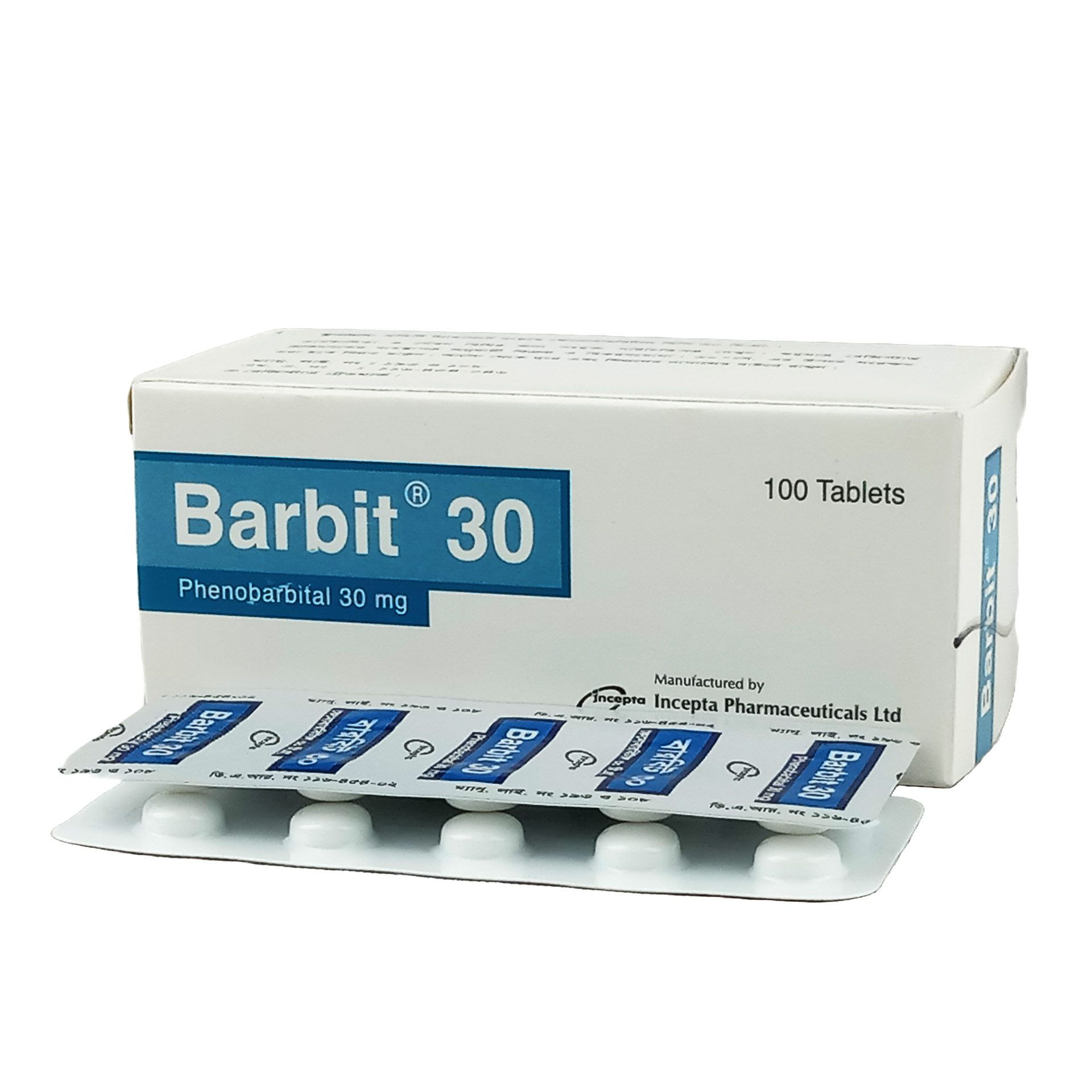
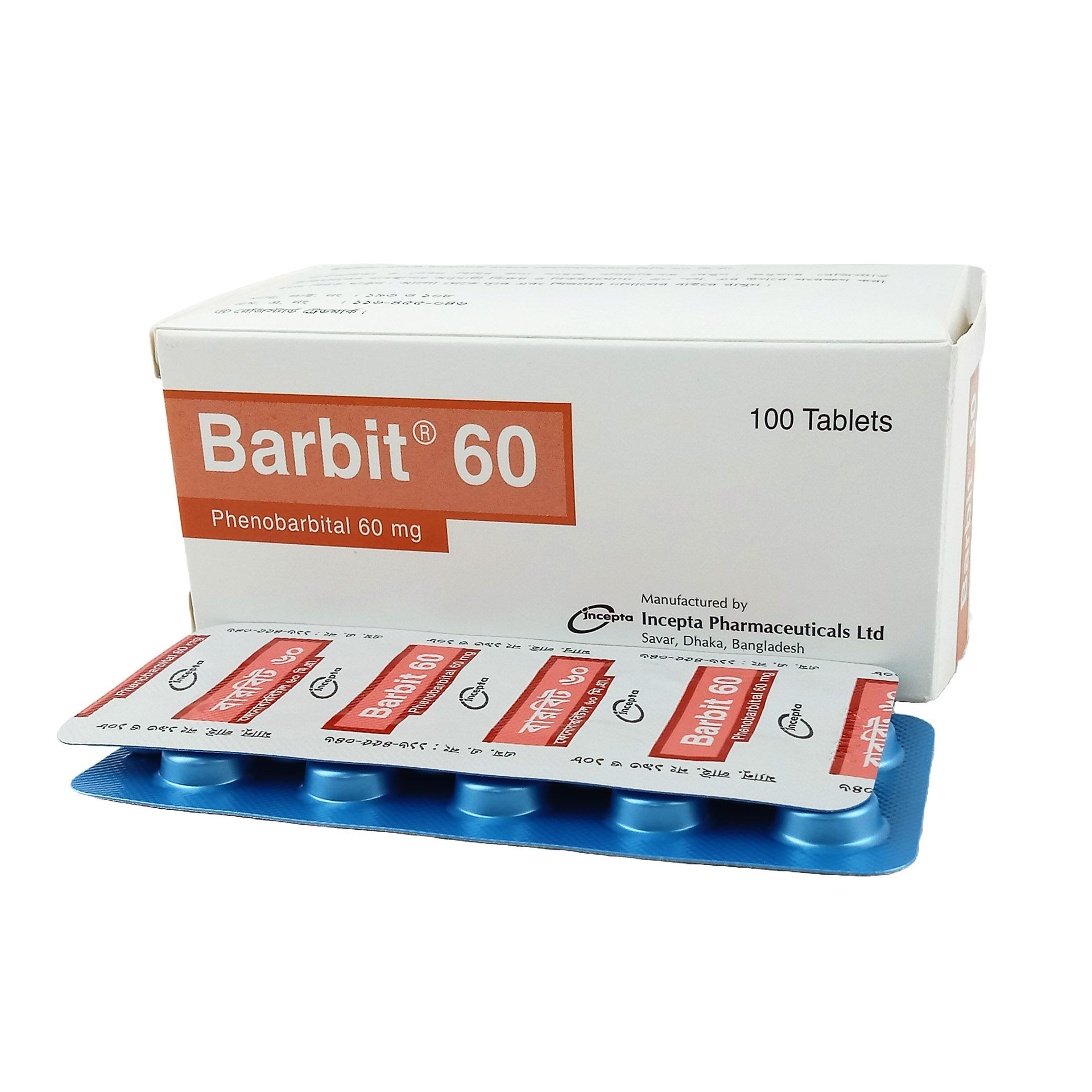
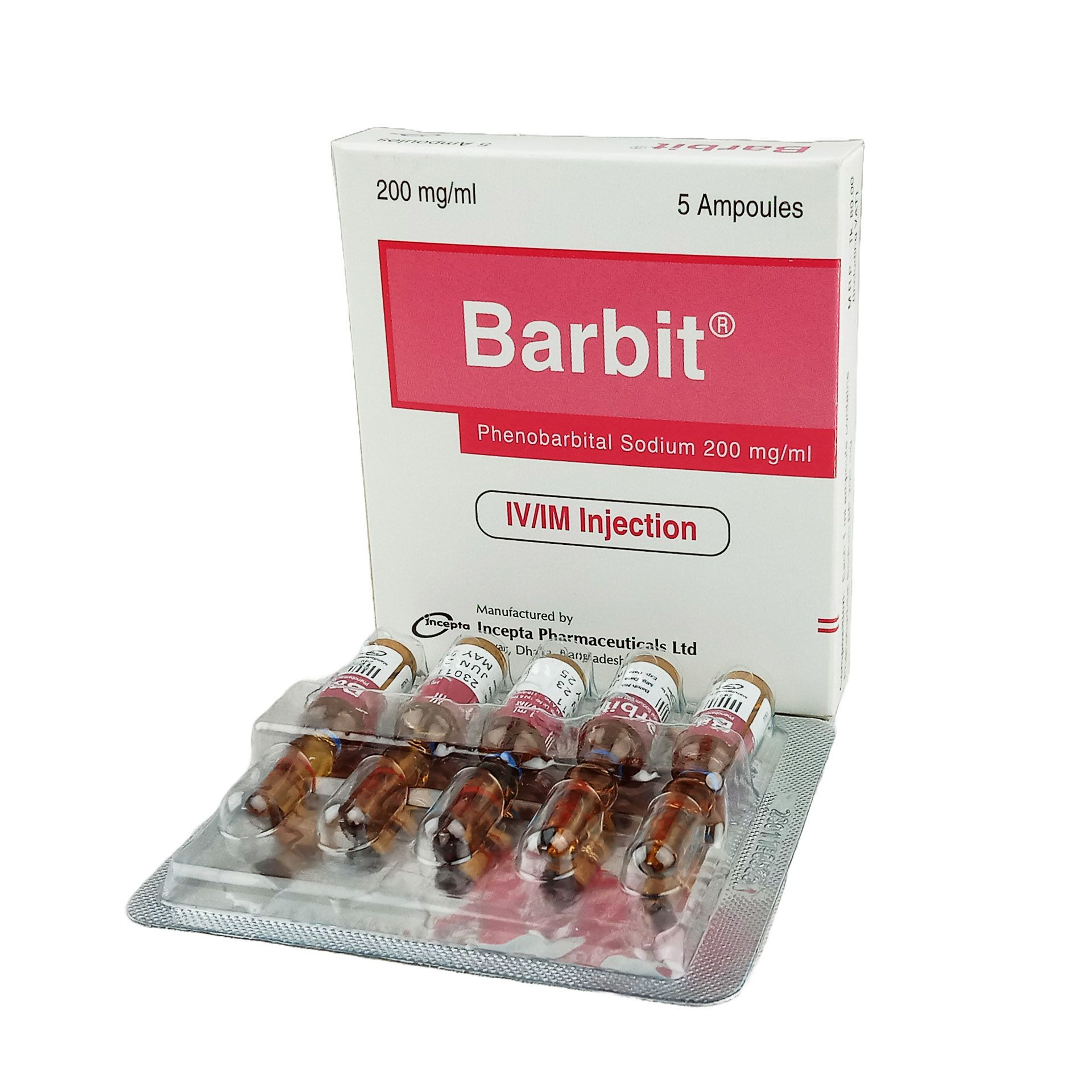
Introduction
A barbituric acid derivative that acts as a nonselective central nervous system depressant. It promotes binding to inhibitory gamma-aminobutyric acid subtype receptors, and modulates chloride currents through receptor channels. It also inhibits glutamate induced depolarizations.
Uses
Phenobarbital is a long-lasting barbiturate and anticonvulsant used in the treatment of all types of seizures, except for absent seizures.
For the treatment of all types of seizures except absence seizures.
Associated Conditions
Pharmacodynamics
Phenobarbital, the longest-acting barbiturate, is used for its anticonvulsant and sedative-hypnotic properties in the management of all seizure disorders except absence (petit mal).
Mechanism of Action
Phenobarbital acts on GABAA receptors, increasing synaptic inhibition. This has the effect of elevating seizure threshold and reducing the spread of seizure activity from a seizure focus. Phenobarbital may also inhibit calcium channels, resulting in a decrease in excitatory transmitter release. The sedative-hypnotic effects of phenobarbital are likely the result of its effect on the polysynaptic midbrain reticular formation, which controls CNS arousal.
Absorption
Absorbed in varying degrees following oral, rectal or parenteral administration. The salts are more rapidly absorbed than are the acids. The rate of absorption is increased if the sodium salt is ingested as a dilute solution or taken on an empty stomach.
Protein Binding
20 to 45%
Half Life
53 to 118 hours (mean 79 hours)
Toxicity
CNS and respiratory depression which may progress to Cheyne-Stokes respiration, areflexia, constriction of the pupils to a slight degree (though in severe poisoning they may wshow paralytic dilation), oliguria, tachycardia, hypotension, lowered body temperature, and coma. Typical shock syndrome (apnea, circulatory collapse, respiratory arrest, and death) may occur.
Food Interactions
- Administer vitamin supplements.
- Avoid alcohol.
- Limit caffeine intake.
- Take on an empty stomach. Taking this medication on an empty stomach increases the speed of absorption.
Dosage
Pediatric Oral Dosage:
- Preoperative: 1 mg to 3 mg/kg.
- Anticonvulsant: 1 mg to 6 mg/kg per day
- Daytime sedative: 30 mg to 120 mg daily in 2 to 3 divided doses.
- Bedtime hypnotic: 100 mg to 320 mg.
- Anticonvulsant: 50 mg to 100 mg 2 to 3 times daily.
- 15 to 20 mg/kg IV over 10 to 15 min.
- Preoperative Sedation:1 to 3 mg/kg IM/IV;
- Anticonvulsant: 4 to 6 mg/kg IM/IV per day, for 10 days. Alternatively, use 10 to 15 mg/kg IM/IV per day to reach therapeutic level more quickly. Maxium IV rate 60 mg/min.
- Insomnia: 100 to 320 mg IM/IV;
- Convulsions: 100 to 320 mg IV. Repeat if needed (maximum, 600 mg per day);
- Status Epilepticus: 10 to 20 mg/kg IV. Repeat if needed.