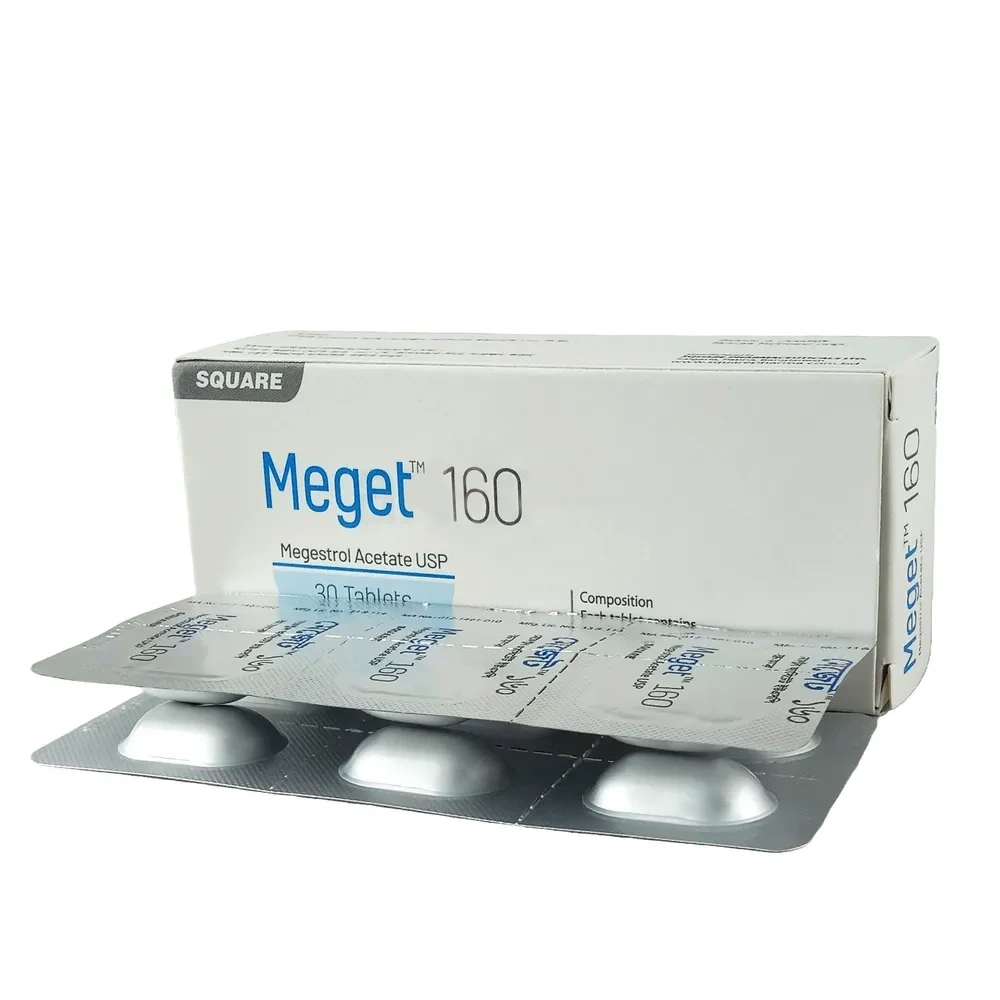
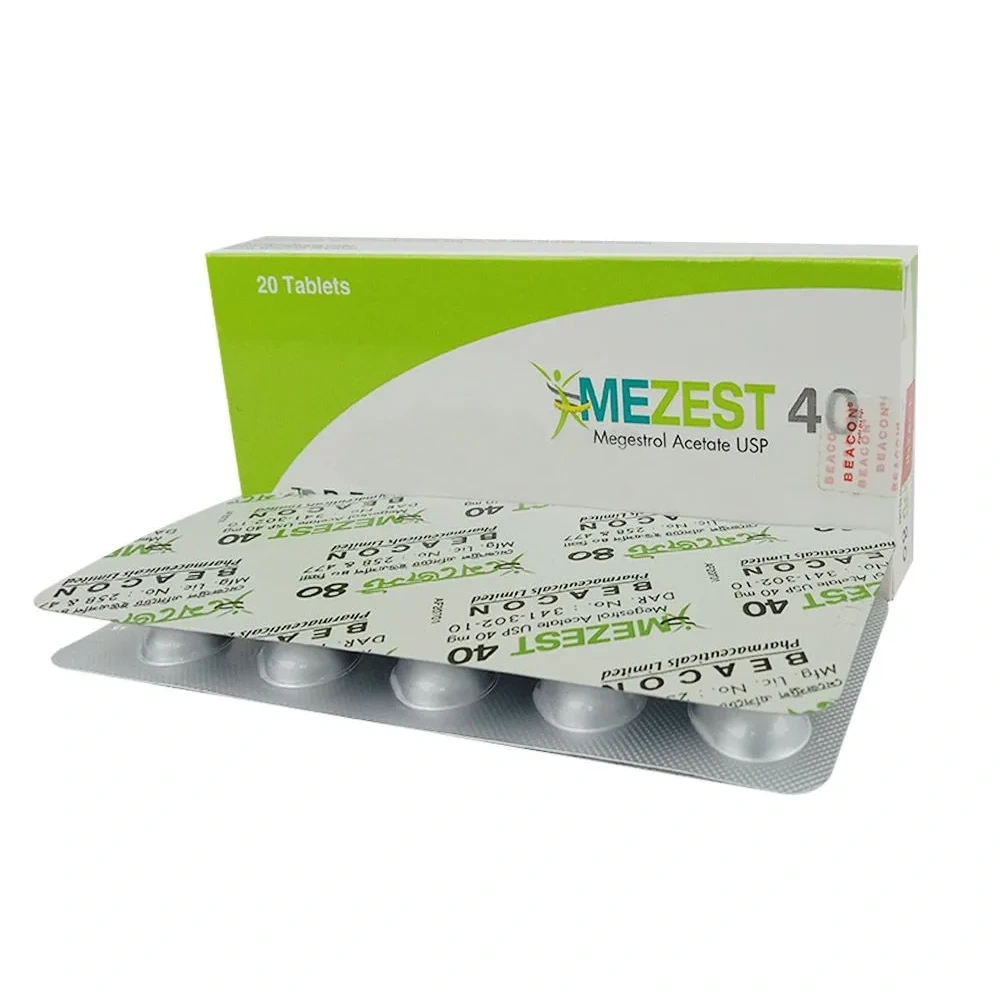
Introduction
17-Hydroxy-6-methylpregna-3,6-diene-3,20-dione. A progestational hormone used most commonly as the acetate ester. As the acetate, it is more potent than progesterone both as a progestagen and as an ovulation inhibitor. It has also been used in the palliative treatment of breast cancer.
Uses
Megestrol acetate is a progestin that is administered orally to treat anorexia and cachexia or serious unexplained weight loss and is also used as an antineoplastic agent to treat certain types of malignancy.
For the treatment of anorexia, cachexia, or an unexplained, significant weight loss in patients with a diagnosis of acquired immunodeficiency syndrome (AIDS). Also used for the palliative management of recurrent, inoperable, or metastatic breast cancer, endometrial cancer, and prostate cancer in Canada and some other countries.
Associated Conditions
Pharmacodynamics
Megestrol is a synthetic progestin and has the same physiologic effects as natural progesterone. These effects include induction of secretory changes in the endometrium, increase in basal body temperature, pituitary inhibition, and production of withdrawal bleeding in the presence of estrogen. Mestrogel has slight glucocorticoid activity and very slight mineralocorticoid activity. This drug has no estrogenic, androgenic, or anabolic activity. The precise mechanism of megestrol’s antianorexic and anticachetic effects is unknown. Initially developed as a contraceptive, it was first evaluated in breast cancer treatment in 1967.
Mechanism of Action
The precise mechanism by which megestrol acetate produces effects in anorexia and cachexia is unknown at the present time, but its progestin antitumour activity may involve suppression of luteinizing hormone by inhibition of pituitary function. Studies also suggest that the megestrol's weight gain effect is related to its appetite-stimulant or metabolic effects rather than its glucocorticoid-like effects or the production of edema. It has also been suggested that megestrol may alter metabolic pathyways via interferences with the production or action of mediators such as cachectin, a hormone that inhibits adipocyte lipogenic enzymes.
Absorption
Variable, but well absorbed orally.
Route of Elimination
The major route of drug elimination in humans is urine. Respiratory excretion as labeled carbon dioxide and fat storage may have accounted for at least part of the radioactivity not found in urine and feces.
Half Life
34 hours
Toxicity
No serious unexpected side effects have resulted from studies involving megestrol acetate oral suspension administered in dosages as high as 1200 mg/day. Treatment with megestrol acetate, an orexigenic agent, has also resulted in iatrogenic adrenal suppression. The mechanism is presumably related to the glucocorticoid properties of megestrol acetate [PMID: 12872362].
Food Interactions
- Take with food.
Dosage
- Breast cancer: 160 mg/day
- Endometrial carcinoma: 40-320 mg/day in divided doses.
- At least 2 months of continuous treatment is considered an adequate period for determining the efficacy of Megestrol.