Introduction
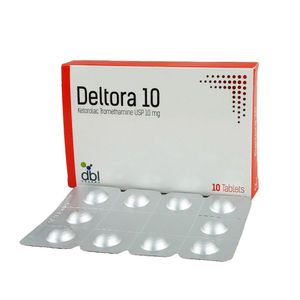
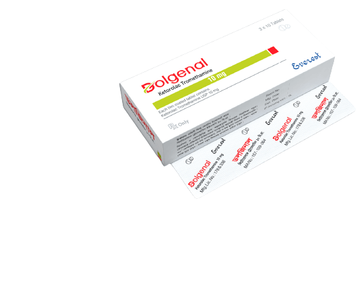
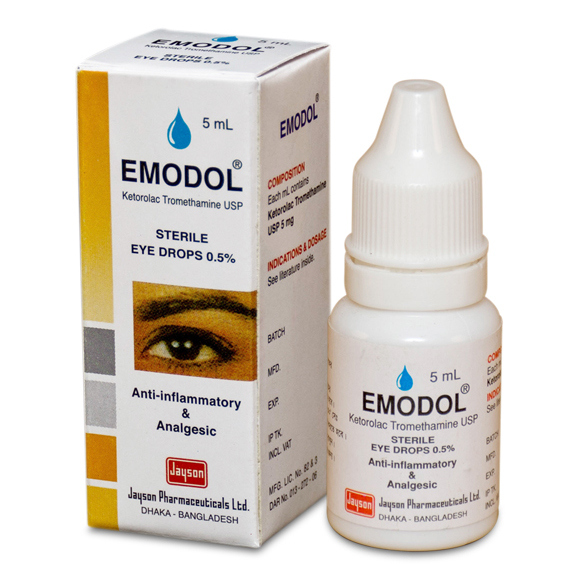
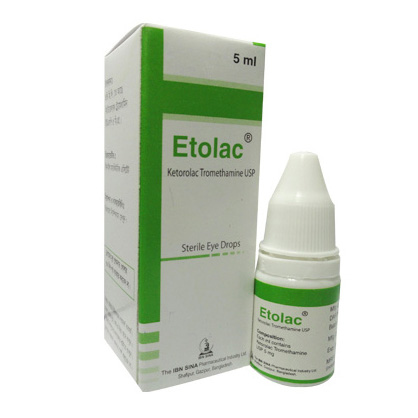
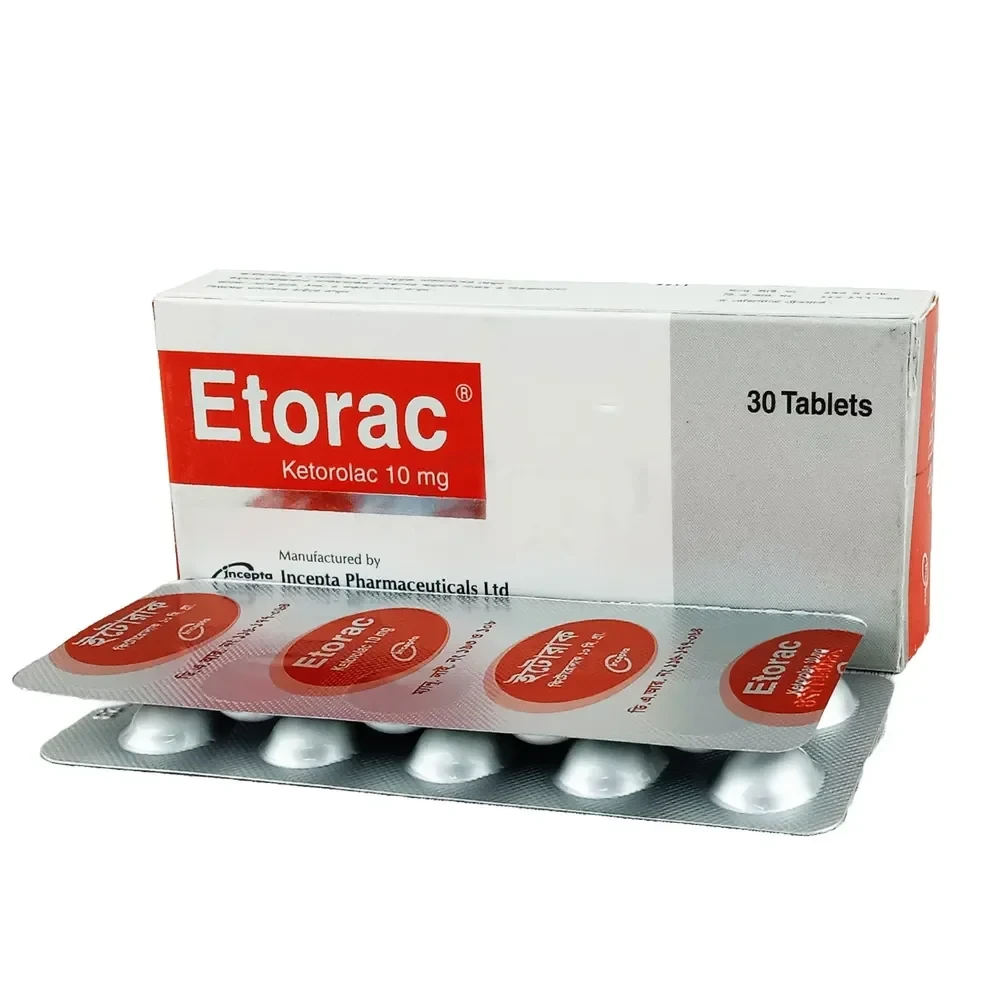
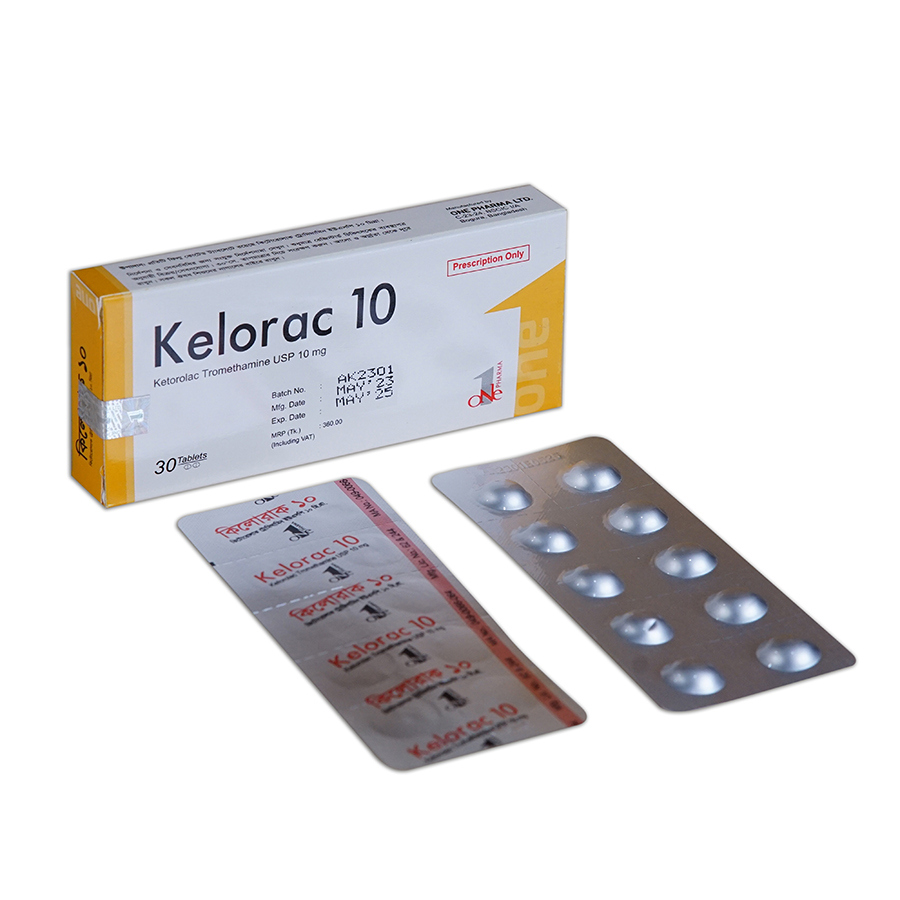
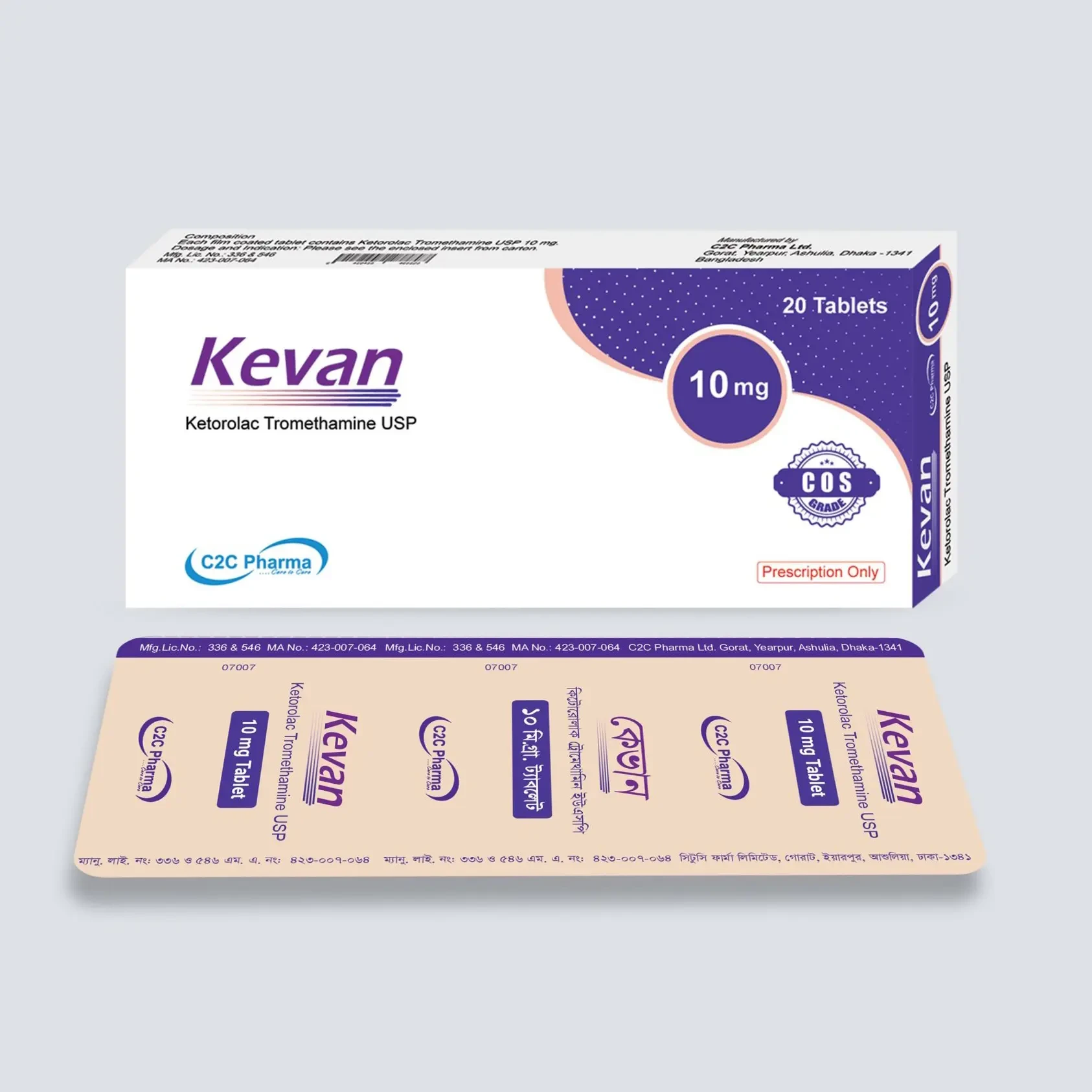
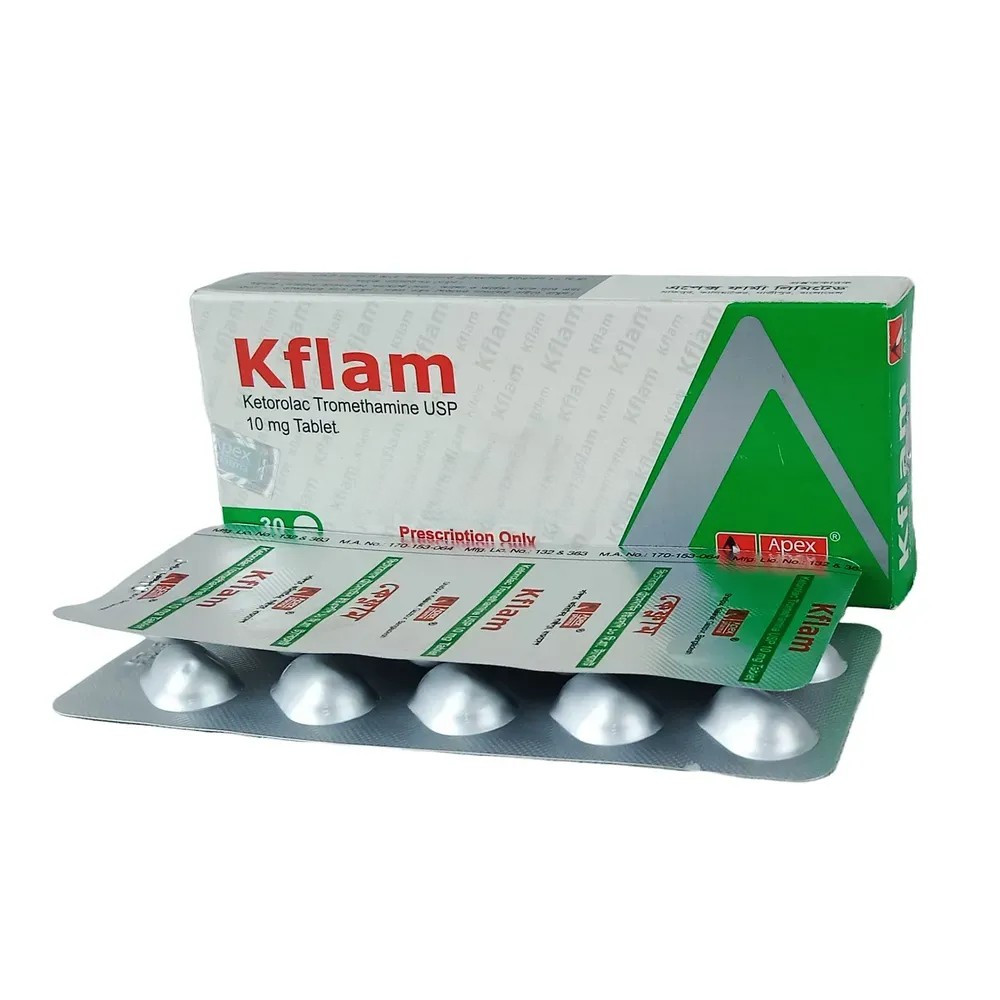
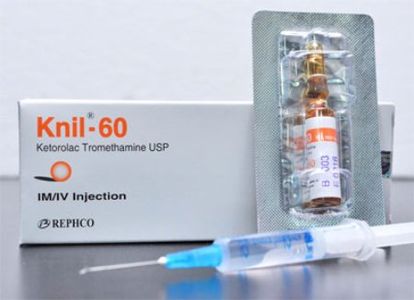
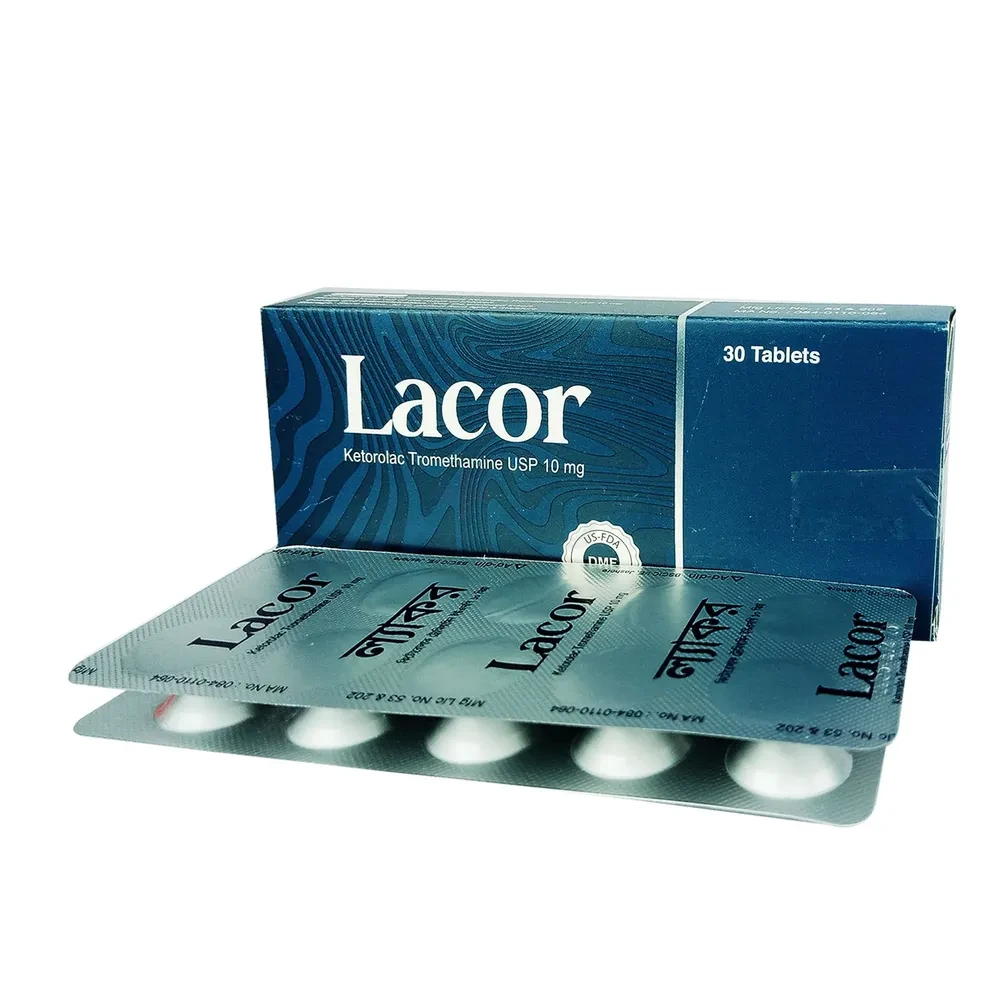
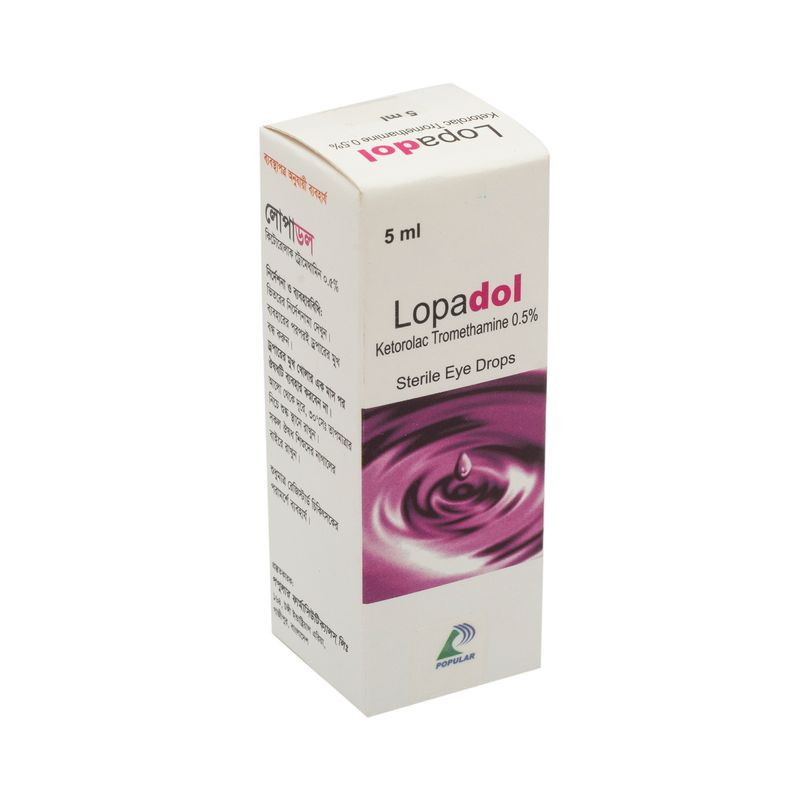
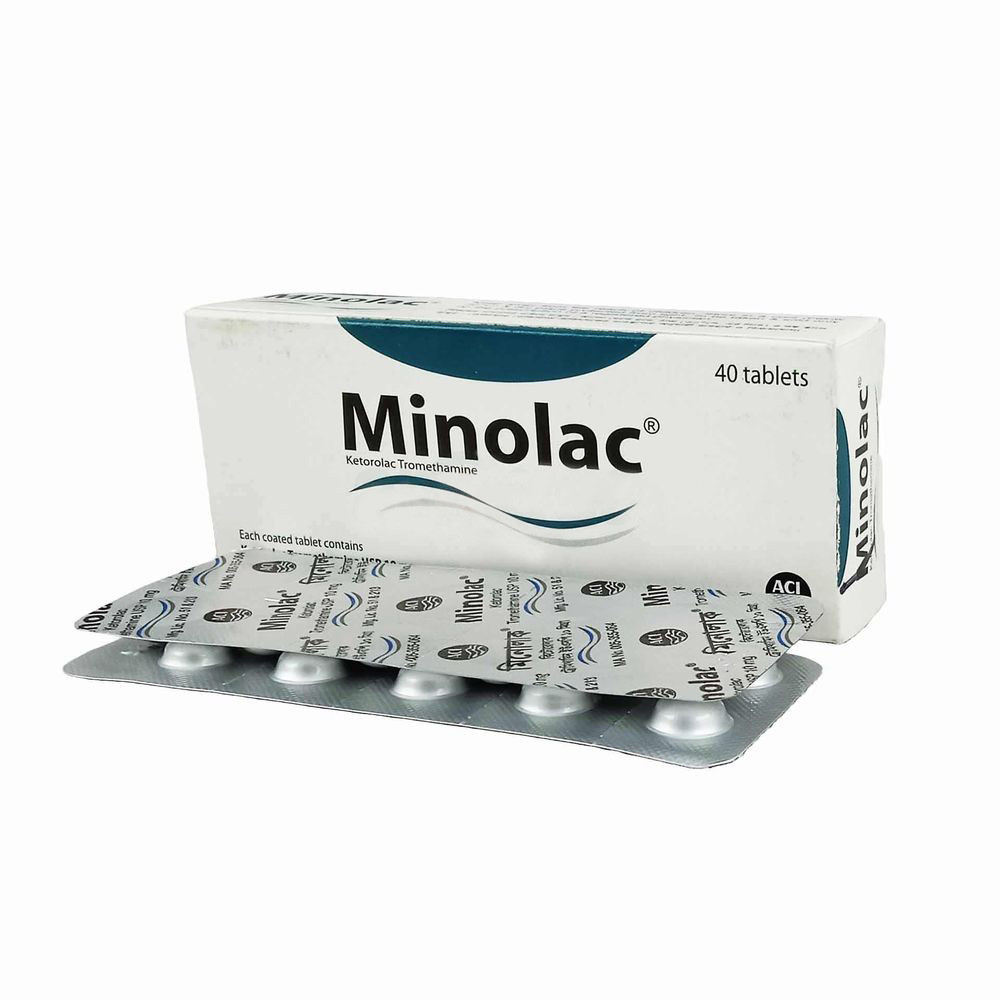
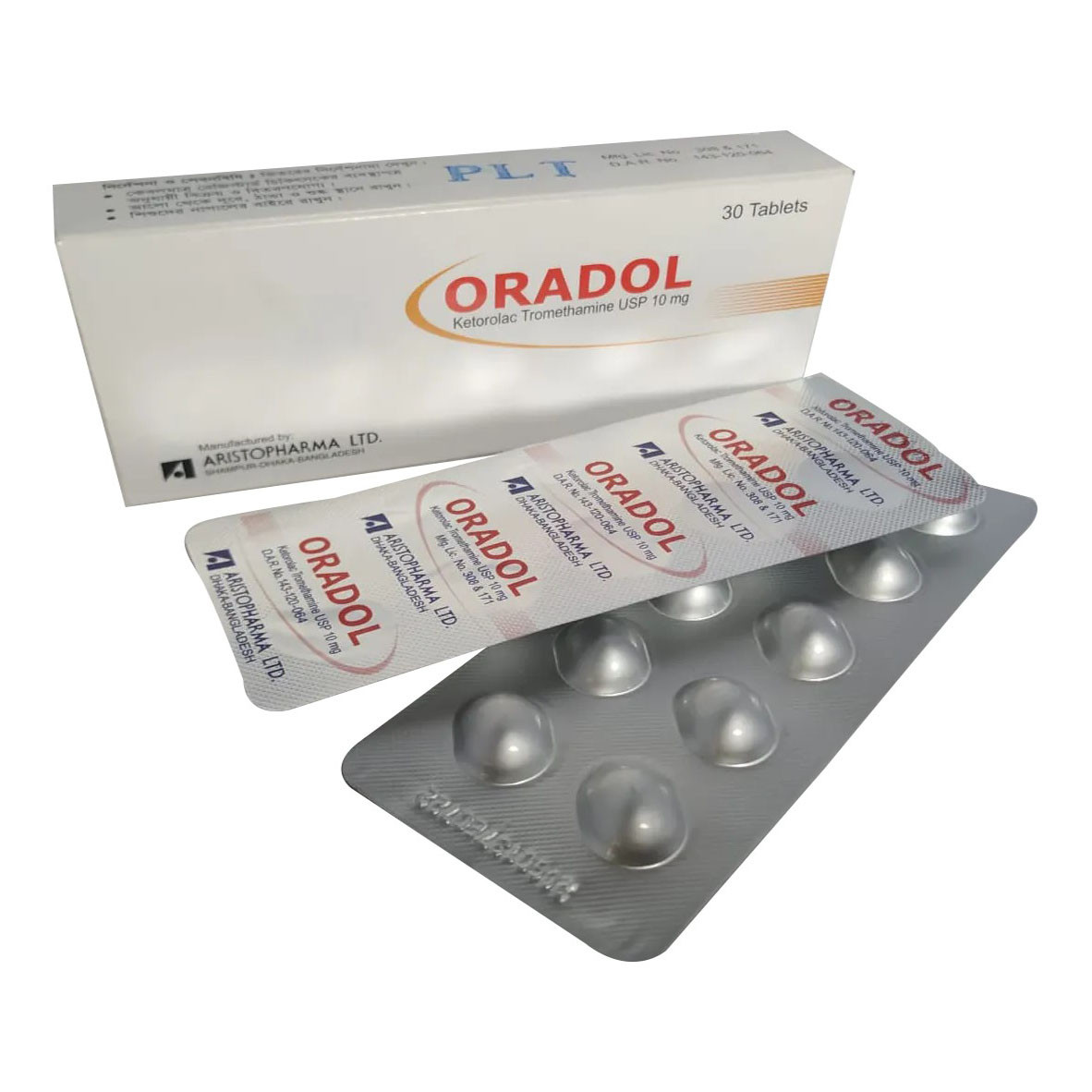
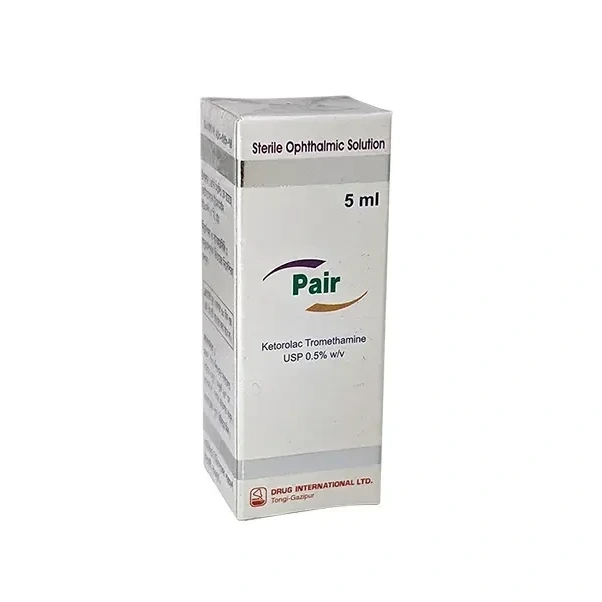
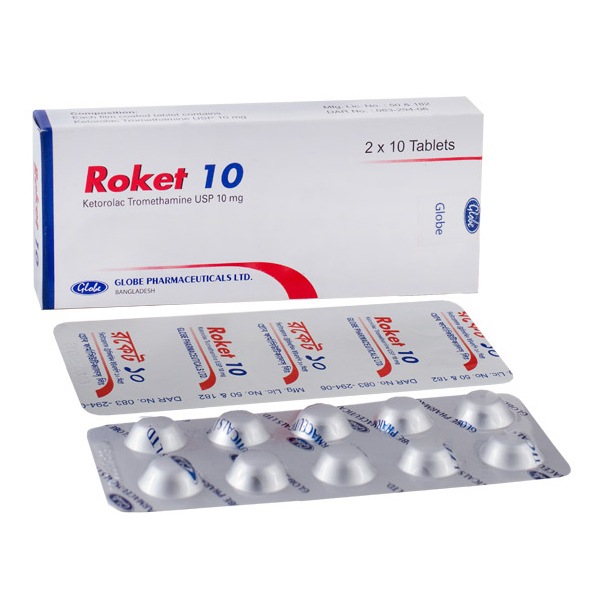
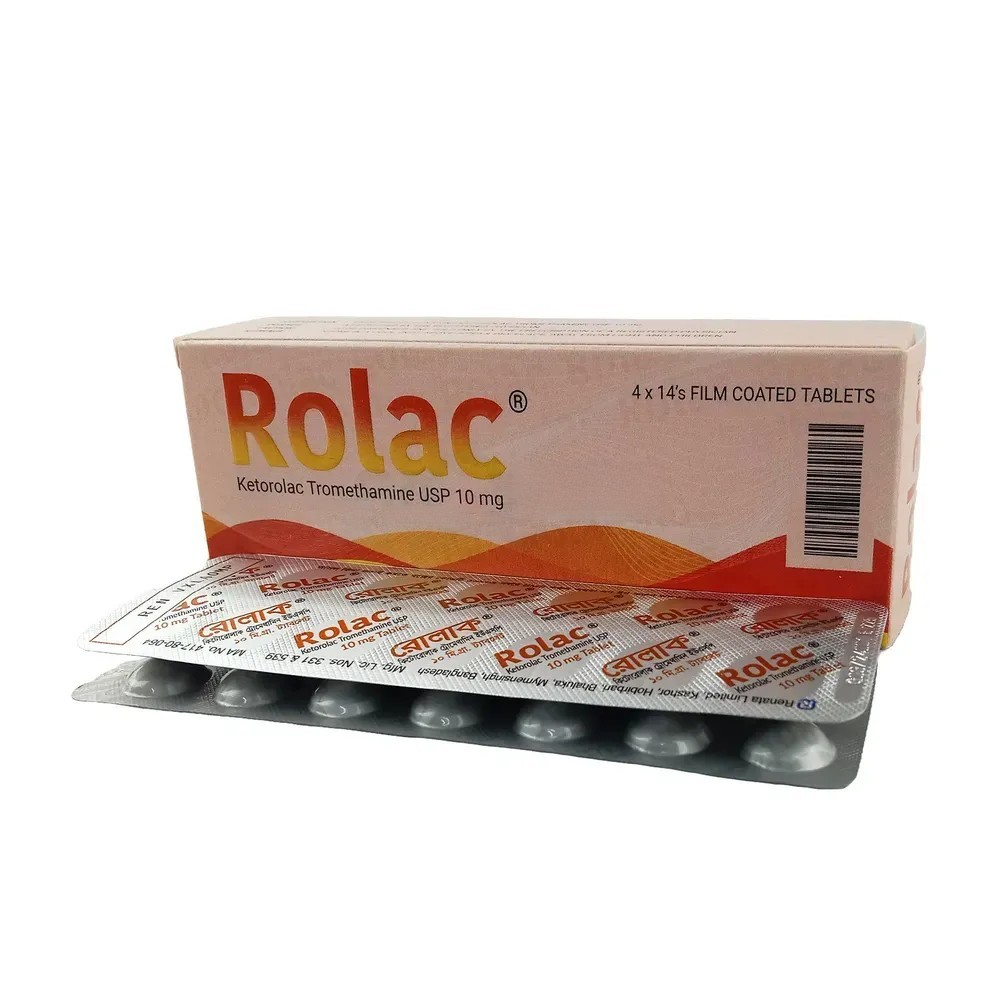
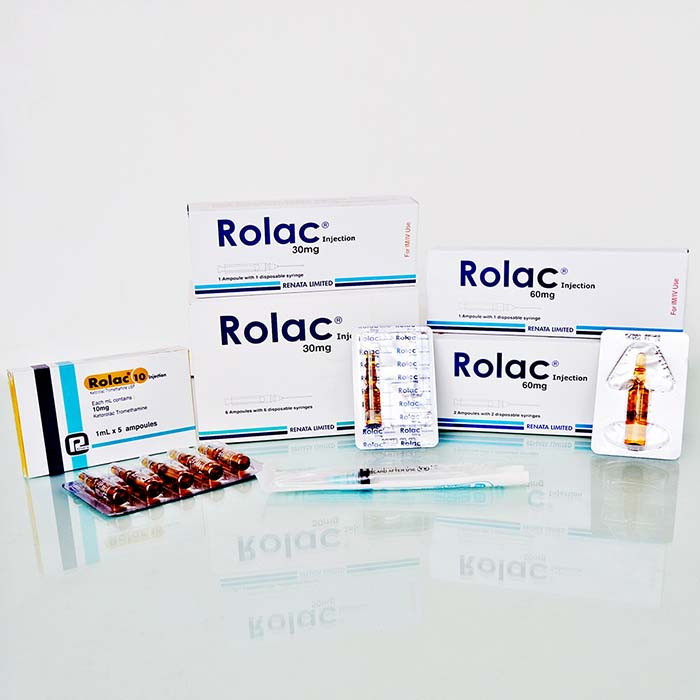
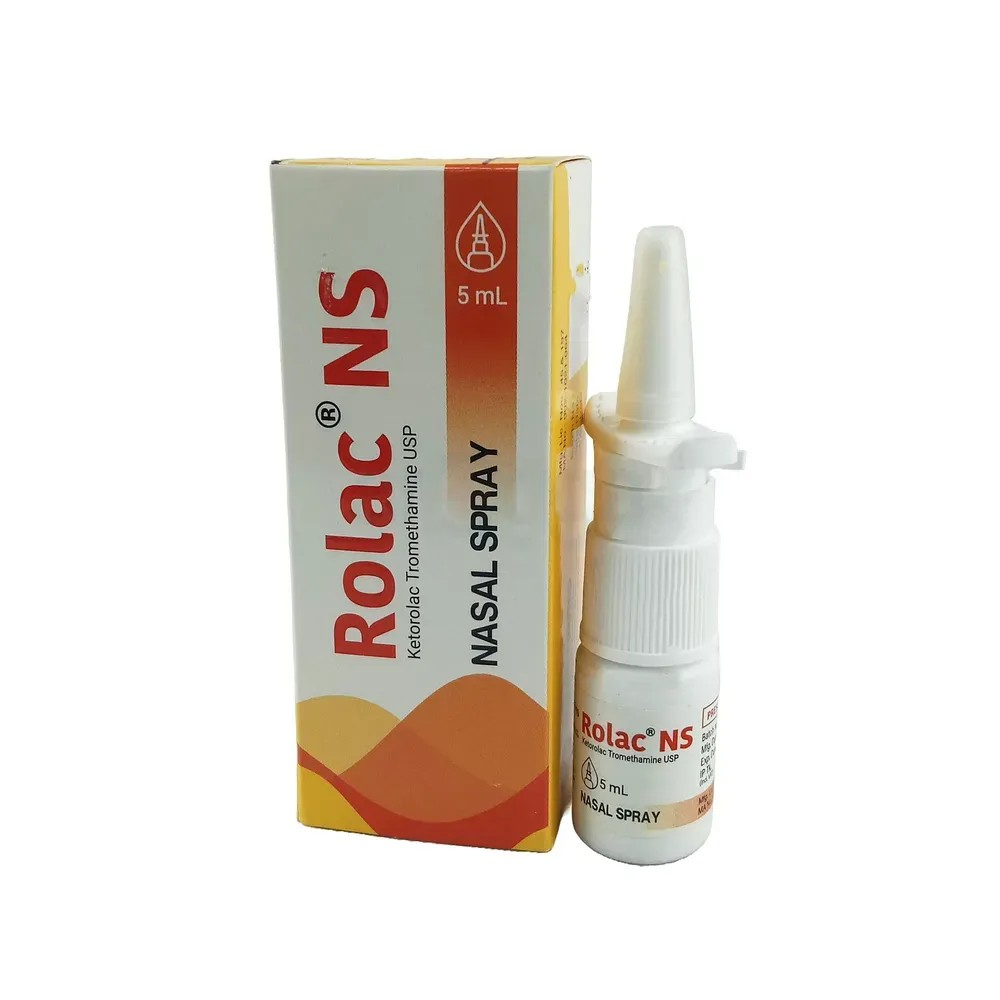
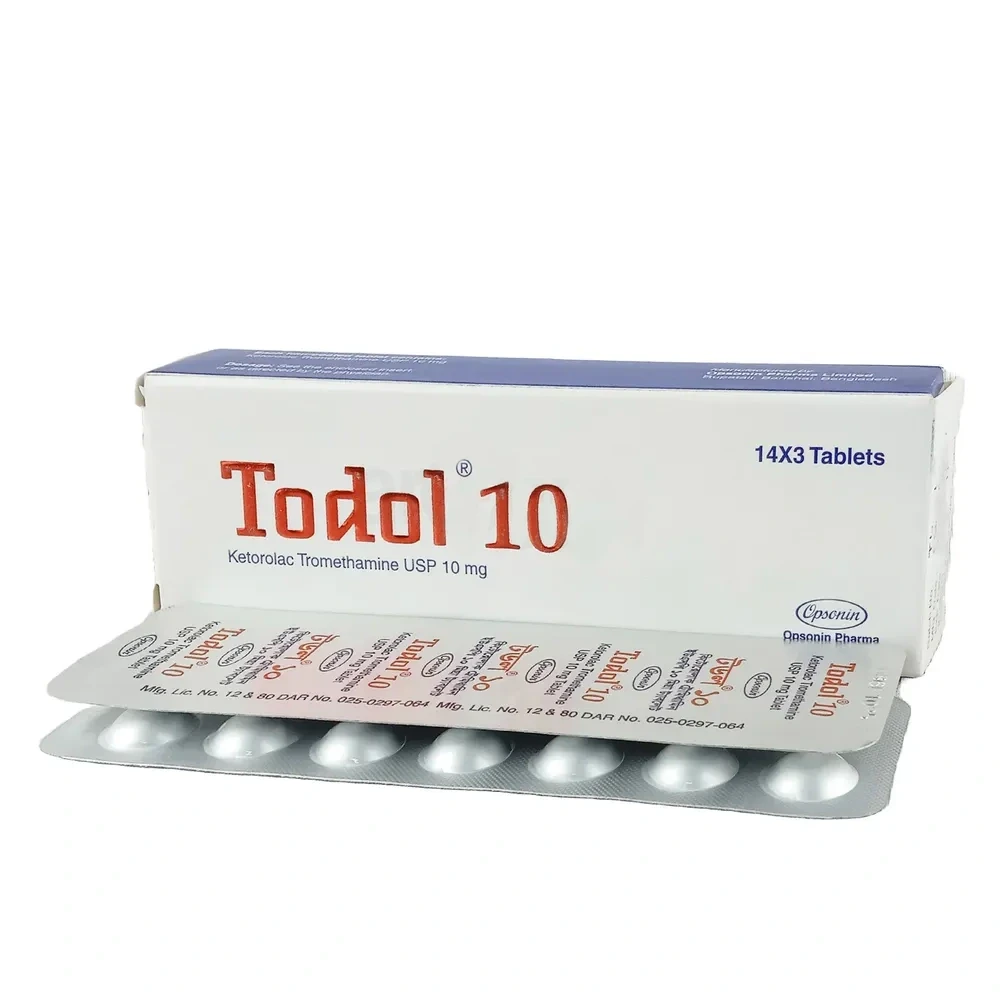
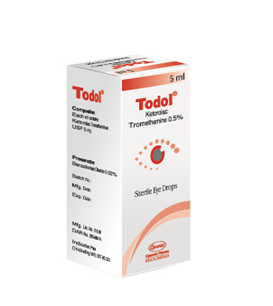
Ketorolac is a Non-steroidal anti-inflammatory drug (NSAID) and is commercially available as an oral tablet, injectable, nasal spray and as an ophthalmic solution.
It's analgesic properties make it a useful pain management tool across many settings including postoperative pain, rheumatoid arthritis, osteoarthritis, menstrual disorders, headaches, spinal and soft tissue pain, and ankylosing spondylitis. Impressively, ketorolac has a similar efficacy to standard doses of morphine and meperidine making it a useful opioid sparing agent.
Uses
Ketorolac is an NSAID used to treat moderate to severe pain, rheumatoid arthritis, osteoarthritis, ankylosing spondylitis, menstrual disorders, and headaches.
Ketorolac is a Non-steroidal anti-inflammatory drug (NSAID) and has antipyretic, analgesic and anti-inflammatory properties. It is indicated for short term management of acute pain that requires the caliber of pain management offered by opioids. Clinicians may choose to initiate ketorolac to manage post-operative pain, spinal and soft tissue pain, rheumatoid arthritis, osteoarthritis, ankylosing spondylitis, menstrual disorders and headaches among other ailments. Regardless of the etiology of pain, patients should use the lowest possible dose, and avoid using ketorolac for an extended period of time (ideally ≤ 5 days). A benefit of choosing ketorolac over other analgesics with similar potency is that that there does not appear to be a risk of dependence or tolerance with ketorolac use.
Associated Conditions
Pharmacodynamics
Ketorolac is a non-selective NSAID and acts by inhibiting both COX-1 and COX-2 enzymes which are normally responsible for converting arachidonic acid to prostaglandins. The COX-1 enzyme is constitutively active and can be found in platelets, gastric mucosa, and vascular endothelium. On the other hand, the COX-2 enzyme is inducible and mediates inflammation, pain and fever.
As a result, inhibition of the COX-1 enzyme is linked to an increased risk of bleeding and risk of gastric ulceration, while the desired anti-inflammatory and analgesic properties are linked to inhibition of the COX-2 enzyme. Therefore, despite it's effectiveness in pain management, ketorolac should not be used long-term since this increases the risk of serious adverse effects such as gastrointestinal bleeding, peptic ulcers, and perforations.
Mechanism of Action
Ketorolac inhibits key pathways in prostaglandin synthesis which is crucial to it's mechanism of action. Although ketorolac is non-selective and inhibits both COX-1 and COX-2 enzymes, it's clinical efficacy is derived from it's COX-2 inhibition. The COX-2 enzyme is inducible and is responsible for converting arachidonic acid to prostaglandins that mediate inflammation and pain. By blocking this pathway, ketorolac achieves analgesia and reduces inflammation. Ketorolac is administered as a racemic mixture; however, the "S" enantiomer is largely responsible for it's pharmacological activity.
Absorption
Ketorolac is rapidly, and completely absorbed after oral administration with a bioavailability of 80% after oral administration. Cmax is attained 20-60 minutes after administration, and after intramuscular administration, the area under the plasma concentration-time curve (AUC) is proportional to the dose administered.
After intramuscular administration, ketorolac demonstrates a time to maximal plasma concentration (tmax) of approximately 45-50 minutes, and a tmax of 30-40 minutes after oral administration. The rate of absorption may be reduced by food; however, the extent of absorption remains unaffected.
Volume of Distribution
The apparent volume of distribution of ketorolac in healthy human subjects is 0.25 L/kg or less.
Protein Binding
>99% of Ketorolac is plasma protein bound.
Route of Elimination
Ketorolac is primarily renally eliminated and approximately 92% of the dose can be recovered in the urine with 60% of this proportion recovered unchanged, and 40% recovered as metabolites. In addition 6% of a single dose is eliminated in the feces.
Half Life
Ketorolac tromethamine is administered as a racemic mixture, therefore the half-life of each enantiomer must be considered. The half life of the S-enantiomer is ~2.5 hours, while the half life of the R-enantiomer is ~5 hours. Based on this data, the S enantiomer is cleared about twice as fast as the R enantiomer.
Clearance
The plasma clearance of ketorolac is 0.021 to 0.037 L/h/kg. Further, studies have illustrated that clearance of oral, IM and IV doses of ketorolac are comparable which suggests linear kinetics. It should also be noted that clearance in children is about double the clearance found in adults.
Toxicity
The rate of adverse effects increases with higher doses of ketorolac. The most frequently observed adverse effects in patients occurring with an incidence of greater than 10% include: abdominal pain, dyspepsia, nausea, and headaches. Most adverse effects associated with short term use are mild in nature, related to the gastrointestinal tract and nervous system, and occur in roughly 39% of patients. Common symptoms of ketorolac overdose include nausea, vomiting, epigastric pain, gastrointestinal bleeding, lethargy and drowsiness. More rare symptoms of overdose include acute renal failure, hypertension, respiratory depression, and coma.
Ketorolac is classified as Pregnancy Category C since there is a lack of evidence demonstrating safety in pregnant women. NSAIDs including ketorolac increase the risk of premature closure of the fetal ductus arteriosus in the 3rd trimester; therefore, beginning at 30 weeks gestation, pregnant women should avoid ketorolac.
Ketorolac has been shown to be excreted in breast milk, and although available data has not demonstrated any adverse effects in nursing infants, practitioners should proceed with caution when suggesting ketorolac for nursing mothers. The benefits should outweigh the risks and the mother should be counselled to monitor the infant closely and to contact the infant's healthcare provider should any adverse effects arise.
Women who are trying to conceive are not advised to take ketorolac since it's effect on prostaglandin synthesis may impair fertility.
Food Interactions
- Take with food. Food reduces GI irritation.
Dosage
Tablet: Recommended dose is 10 mg every 4-6 hours. It should be used short-term only (up to 7 days) and are not recommended for chronic use. Doses exceeding 40 mg/day is not recommended.
Injection: Ketorolac injection may be used as a single or multiple doses, on a regular or when necessary schedule for the management of moderately severe, acute pain that requires analgesia at the opioid level, usually in a postoperative setting. When administering Ketorolac injection, the IV bolus must be given over no less than 15 seconds. The IM administration should be given slowly and deeply into the muscle. The analgesic effect begins within 30 minutes with maximum effect in 1 to 2 hours after dosing IV or IM. Duration of analgesic effect is usually 4 to 6 hours.
IM Dosing (Adult):
- Patients <65 years of age: One dose of 60 mg.
- Patients >65 years of age, renally impaired and/or less than 50 kg of body weight: One dose of 30 mg.
- Patients <65 years of age: One dose of 30 mg.
- Patients >65 years of age, renally impaired and/or less than 50 kg of body weight: One dose of 15 mg.
- IM Dosing: One dose of 1 mg/kg up to a maximum of 30 mg.
- IV Dosing: One dose of 0.5 mg/kg up to a maximum of 15 mg.
- Patients <65 years of age: The recommended dose is 30 mg Ketorolac injection every 6 hours. The maximum daily dose should not exceed 120 mg. Patients >65 years of age, renally impaired patients and patients less than 50 kg: The recommended dose is 15 mg Ketorolac injection every 6 hours. The maximum daily dose for these populations should not exceed 60 mg. For breakthrough pain, do not increase the dose or the frequency of Ketorolac Tromethamine.
- Conversion from Parenteral to Oral Therapy: Ketorolac tablets may be used either as monotherapy or as follow-on therapy to parenteral Ketorolac. When Ketorolac tablets are used as a follow-on therapy to parenteral Ketorolac, the total combined daily dose of ketorolac (oral + parenteral) should not exceed 120 mg in younger adult patients or 60 mg in elderly patients on the day the change of formulation is made. On subsequent days, oral dosing should not exceed the recommended daily maximum of 40 mg. Ketorolac IM should be replaced by Ketorolac tablet as soon as feasible. The total duration of combined parenteral and oral treatment should not exceed 5 days.