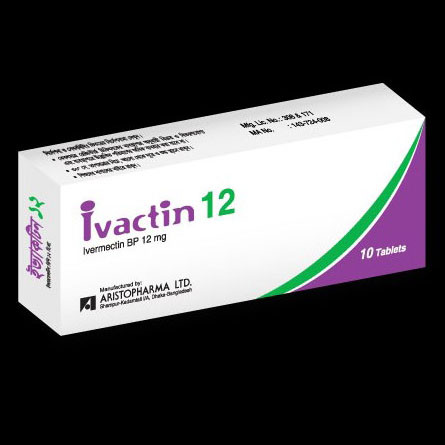
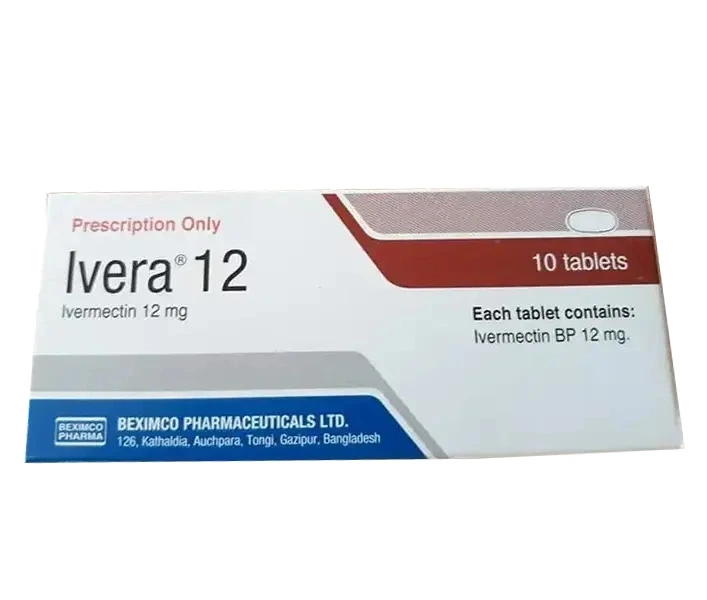
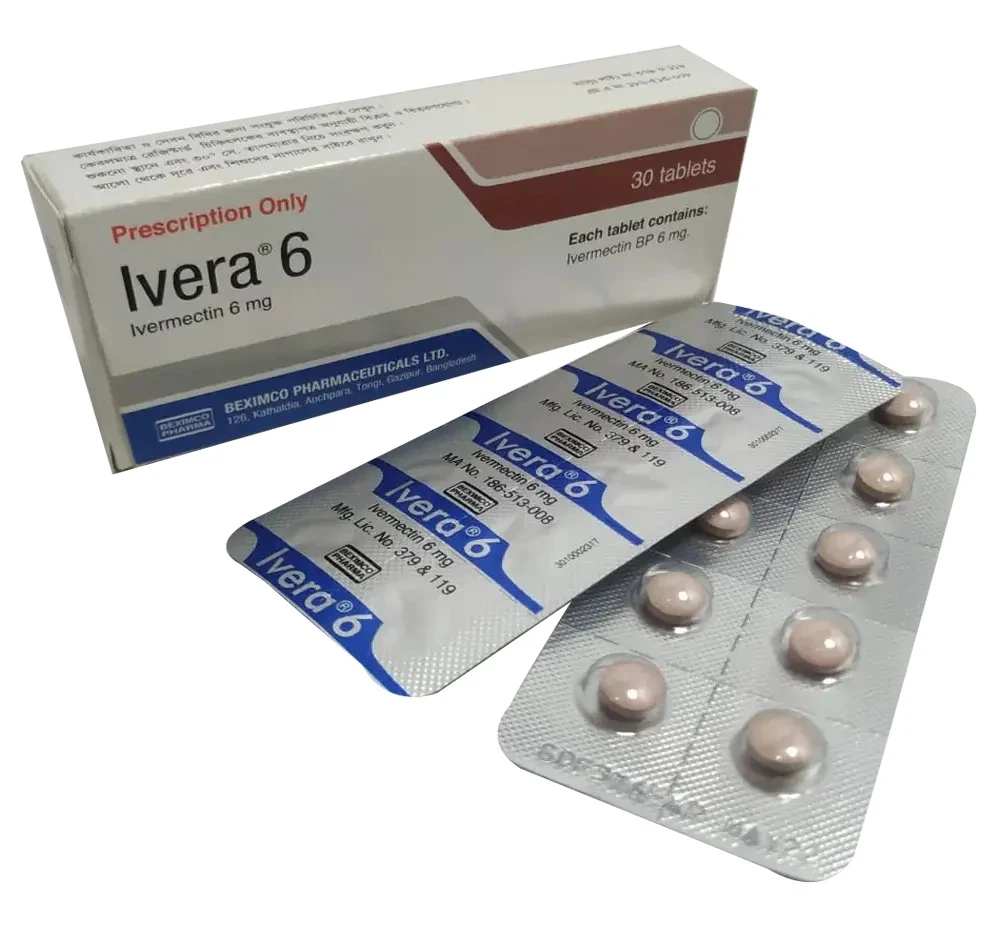
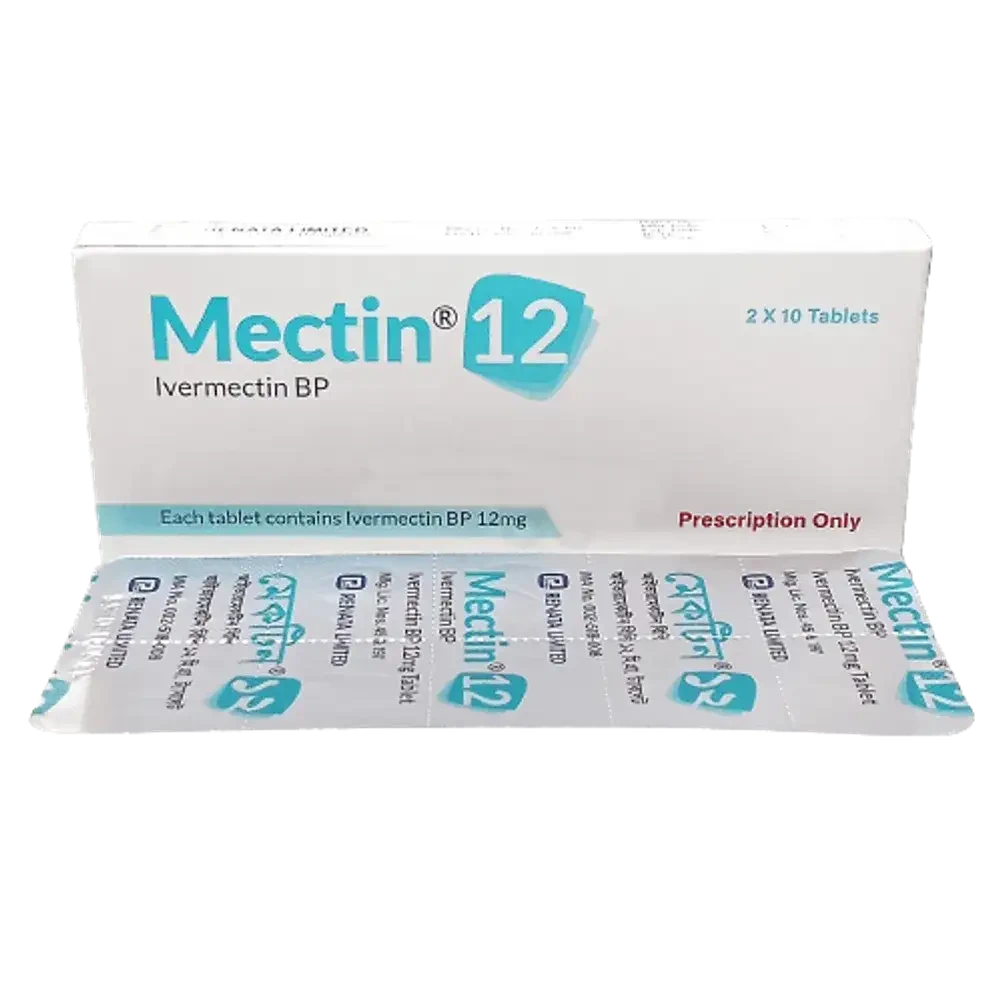
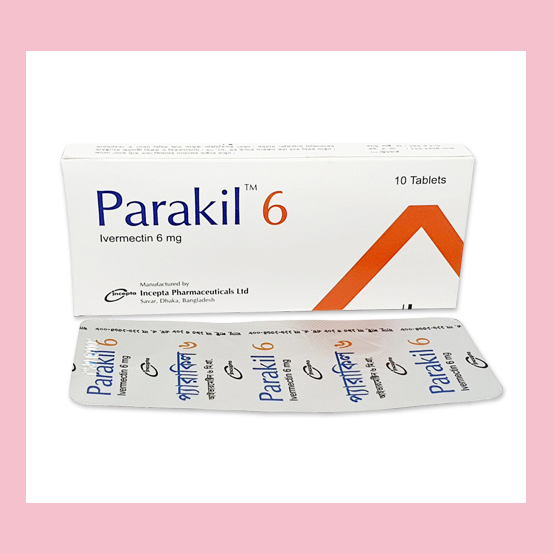
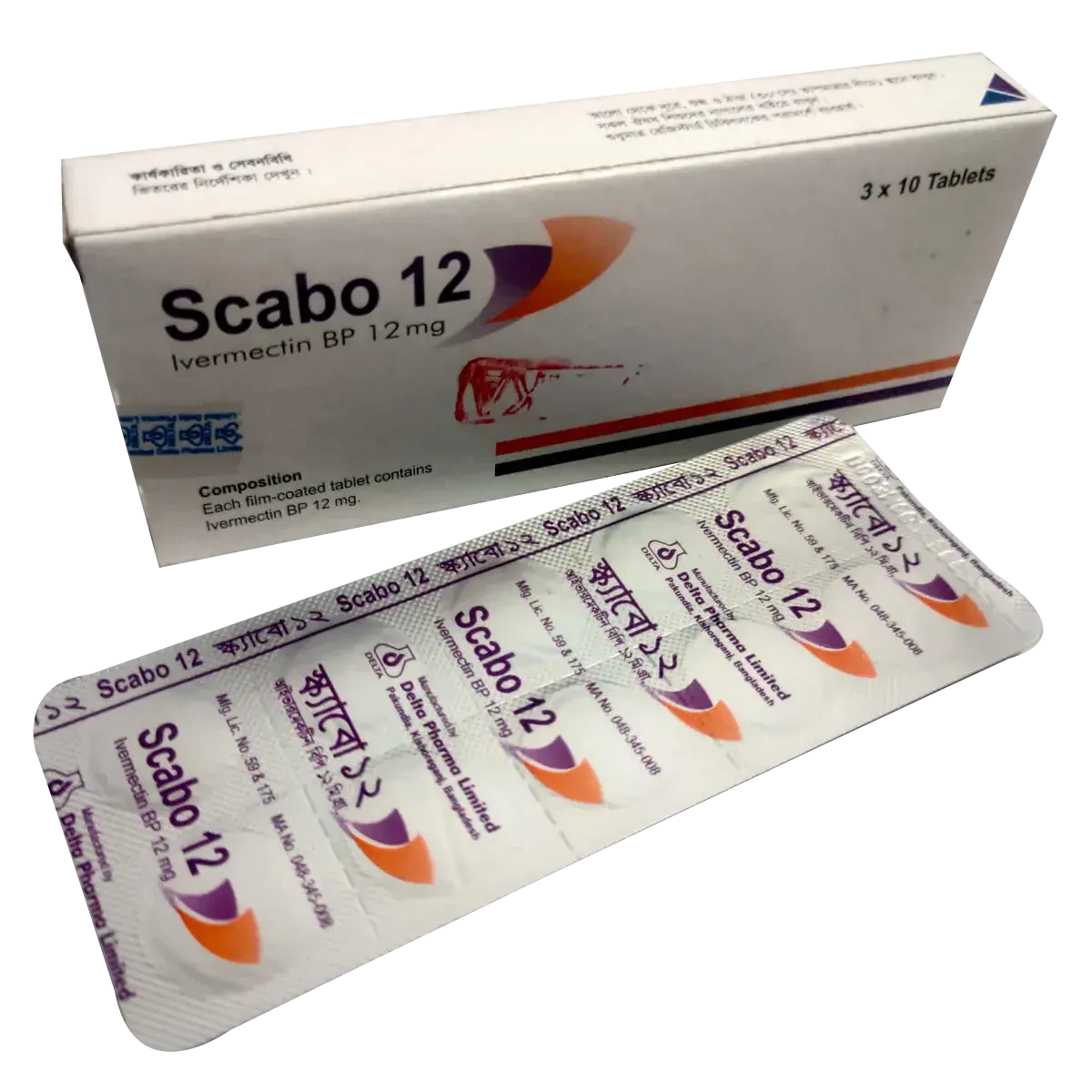
1. What is Ivermectin?
Ivermectin is an antiparasitic medication used to treat a variety of parasitic infections, including those caused by roundworms, scabies, and lice.
2. How does Ivermectin work?
Ivermectin works by binding to specific channels in the nervous system of parasites, causing paralysis and death of the parasites.
3. What conditions is Ivermectin used to treat?
Ivermectin is used to treat conditions such as:
- Onchocerciasis (river blindness)
- Lymphatic filariasis
- Strongyloidiasis
- Scabies
- Head lice
- Trichuriasis
4. How is Ivermectin taken?
Ivermectin is typically taken orally as a tablet, although the dosage and frequency depend on the type of infection being treated. Follow your doctor's instructions regarding dosage.
5. What is the usual dosage of Ivermectin?
The dosage of Ivermectin depends on the condition being treated and the patient's weight. It is usually taken as a single dose, but multiple doses may be needed depending on the infection.
6. Can I take Ivermectin with food?
Ivermectin can be taken with or without food. However, it is often recommended to take it with food to improve absorption.
7. Can I take Ivermectin if I am pregnant?
Ivermectin is generally not recommended during pregnancy, especially in the first trimester. Consult your doctor before using Ivermectin if you are pregnant.
8. Is Ivermectin safe to use while breastfeeding?
Ivermectin may pass into breast milk in small amounts. It is recommended to consult your doctor before using Ivermectin while breastfeeding.
9. What are the side effects of Ivermectin?
Common side effects of Ivermectin may include:
- Dizziness
- Fatigue
- Headache
- Nausea
- Diarrhea
10. Can Ivermectin cause serious side effects?
Serious side effects are rare but may include:
- Severe allergic reactions (rash, itching, swelling, difficulty breathing)
- Vision problems
- Severe dizziness or fainting
- Severe abdominal pain
If any of these occur, seek immediate medical attention.
11. Can Ivermectin interact with other medications?
Ivermectin may interact with other medications. Inform your doctor of all the medications you are taking, including over-the-counter drugs, vitamins, and herbal supplements.
12. Can I take Ivermectin with alcohol?
There is no known direct interaction between Ivermectin and alcohol. However, alcohol may exacerbate side effects like dizziness and drowsiness. It's advisable to limit alcohol intake.
13. Can Ivermectin be used for pets?
Ivermectin is used in veterinary medicine to treat parasitic infections in animals. However, the dosages for humans and animals differ significantly, and you should never use veterinary Ivermectin on yourself.
14. Is Ivermectin available over-the-counter?
Ivermectin is available only by prescription for human use. It is not typically available over-the-counter.
15. What should I do if I miss a dose of Ivermectin?
If you miss a dose, take it as soon as you remember, unless it is almost time for the next dose. Do not double the dose to make up for a missed one.
16. What should I do if I overdose on Ivermectin?
In case of overdose, seek immediate medical help. Symptoms of overdose may include severe dizziness, confusion, or loss of consciousness.
17. How long does Ivermectin take to work?
The effectiveness of Ivermectin depends on the condition being treated. For some conditions, such as scabies or head lice, improvement is usually seen within a few days. For other infections, it may take longer.
18. Can Ivermectin be used to treat COVID-19?
Although Ivermectin has been studied for use against COVID-19, it has not been approved by the FDA for this purpose. Always follow your healthcare provider's advice regarding COVID-19 treatment.
19. Can Ivermectin help with skin conditions?
Ivermectin is used to treat skin conditions like scabies and rosacea. It works by reducing inflammation and killing the parasites responsible for these conditions.
20. Is Ivermectin effective for head lice?
Yes, Ivermectin is effective for treating head lice by killing both the adult lice and their eggs. It is usually prescribed as a topical treatment or oral medication.
21. Can I take Ivermectin for ringworm?
Ivermectin is not typically used to treat fungal infections like ringworm. Other antifungal treatments are generally more effective for these conditions.
22. Can Ivermectin treat intestinal worms?
Ivermectin is effective against a variety of intestinal worms, including strongyloides and some other parasitic roundworms.
23. How is Ivermectin used to treat river blindness?
Ivermectin is used to treat onchocerciasis (river blindness) by killing the larvae of the Onchocerca volvulus parasite, which is transmitted by blackflies.
24. Can Ivermectin cause dizziness?
Dizziness is a possible side effect of Ivermectin. If you experience dizziness, avoid driving or operating heavy machinery until the symptoms resolve.
25. How is Ivermectin used for scabies?
Ivermectin is used for treating scabies by killing the mites that cause the skin condition. It may be prescribed as an oral medication or topical treatment in severe cases.
26. How does Ivermectin affect the immune system?
Ivermectin does not typically affect the immune system directly. However, by eliminating parasites, it helps reduce inflammation and the immune response triggered by the infection.
27. Can Ivermectin be used for acne?
Ivermectin is sometimes used for treating rosacea, a skin condition that can cause acne-like symptoms. It is not typically used for regular acne.
28. Can I take Ivermectin for allergies?
Ivermectin is not used to treat allergies. It is an antiparasitic medication and does not affect allergic reactions or symptoms.
29. Can I take Ivermectin if I have liver disease?
Ivermectin should be used with caution in people with liver disease. Your doctor may adjust the dose or monitor liver function closely during treatment.
30. Does Ivermectin affect blood pressure?
Ivermectin does not typically affect blood pressure. However, if you experience dizziness or fainting, inform your healthcare provider.
31. Can Ivermectin be used for malaria?
Ivermectin is not used to treat malaria. Antimalarial medications are typically prescribed for the treatment of malaria.
32. Can I take Ivermectin for pinworms?
Ivermectin is effective in treating pinworm infections, which are caused by the Enterobius vermicularis parasite. It works by killing the pinworms in the intestines.
33. Can Ivermectin treat tapeworms?
Ivermectin is effective for treating some types of tapeworm infections, but it is not the drug of choice for all types. Other medications, such as praziquantel, may be preferred for tapeworms.
34. Does Ivermectin cause hair loss?
Hair loss is not a common side effect of Ivermectin. However, if you experience hair loss or scalp irritation, consult your healthcare provider.
35. How is Ivermectin used to treat lymphatic filariasis?
Ivermectin is used to treat lymphatic filariasis by killing the microfilariae (larval stage) of the Wuchereria bancrofti parasite, which causes the condition.
36. Can Ivermectin be used for COVID-19 prevention?
There is no evidence that Ivermectin is effective in preventing COVID-19. It is important to follow the guidelines provided by health authorities regarding COVID-19 prevention.
37. Can Ivermectin help with chronic itching?
Ivermectin can help relieve itching caused by scabies and other parasitic skin infestations. It is not typically used for chronic itching unrelated to parasitic infections.
38. What should I do if I have an allergic reaction to Ivermectin?
If you have an allergic reaction (rash, swelling, difficulty breathing), stop taking Ivermectin immediately and seek emergency medical help.
39. Can Ivermectin cause muscle weakness?
Muscle weakness is not a common side effect of Ivermectin. If you experience muscle weakness or other unusual symptoms, consult your doctor.
40. Can I take Ivermectin if I have kidney disease?
Ivermectin should be used cautiously in people with kidney disease. Your doctor may adjust the dose or monitor kidney function during treatment.
41. Is Ivermectin effective against COVID-19 variants?
There is no evidence supporting the effectiveness of Ivermectin against COVID-19 variants. Do not use Ivermectin for COVID-19 unless directed by a healthcare provider.
42. Can I take Ivermectin for a skin infection?
Ivermectin is not used for bacterial skin infections. It is used primarily for parasitic skin conditions like scabies and head lice.
43. Can Ivermectin help with itching caused by dermatitis?
Ivermectin is not typically used for dermatitis. If itching is caused by a parasitic infection like scabies, Ivermectin can help relieve symptoms.
44. Is Ivermectin effective for treating hookworms?
Ivermectin is effective against hookworms, as it works by targeting the parasites in the gastrointestinal tract.
45. Can Ivermectin cause drowsiness?
Drowsiness is not a common side effect of Ivermectin. However, if you feel drowsy or fatigued after taking Ivermectin, avoid operating heavy machinery.
46. Can Ivermectin be used in combination with other medications?
Ivermectin may be used in combination with other medications for certain parasitic infections. Always consult your healthcare provider for advice on drug interactions.
47. How should I store Ivermectin?
Ivermectin should be stored at room temperature in a dry place, away from moisture and heat. Keep the medication in its original packaging.
48. Can Ivermectin cause nausea?
Nausea is a possible side effect of Ivermectin. If nausea persists or becomes severe, contact your healthcare provider.
49. Does Ivermectin work for all types of parasitic infections?
Ivermectin is effective against a variety of parasitic infections, but not all. Some infections may require different treatments.
50. Can I take Ivermectin if I have a weakened immune system?
If you have a weakened immune system, consult your healthcare provider before taking Ivermectin. The dosage may need to be adjusted.