Introduction
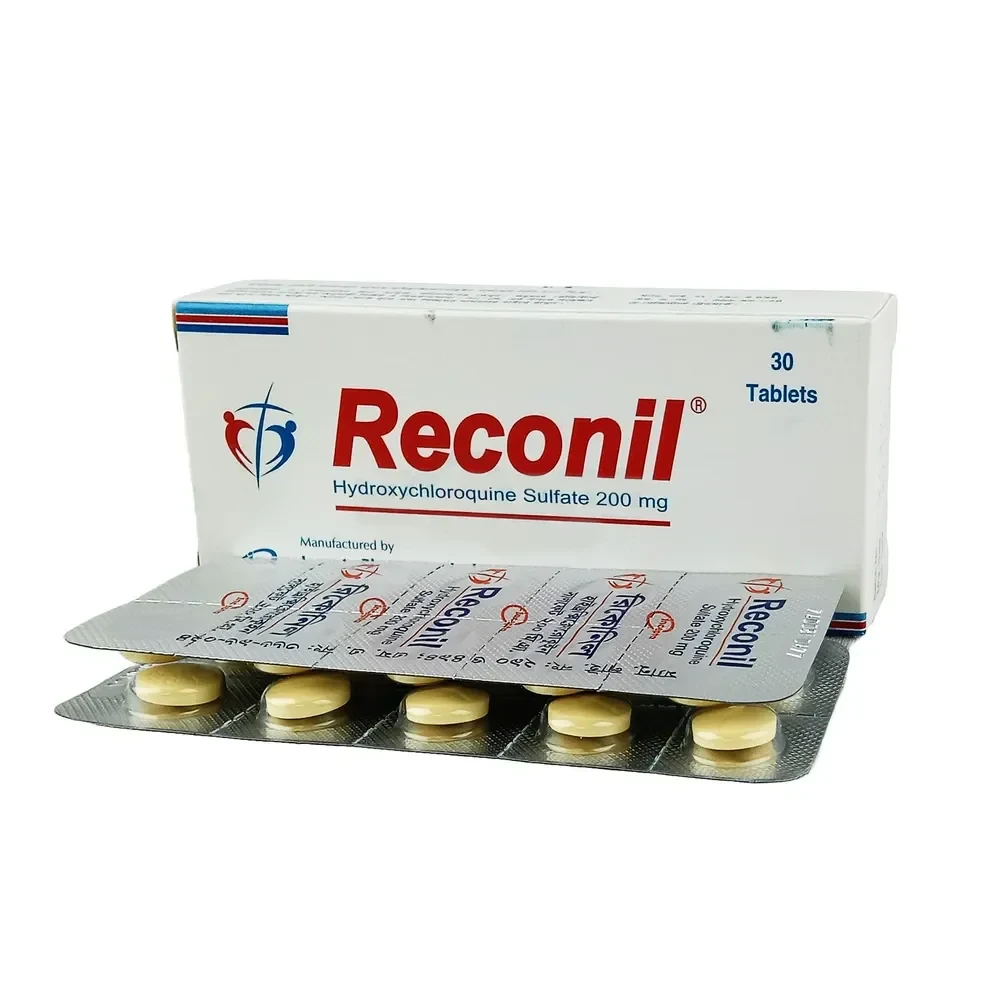
Hydroxychloroquine is a racemic mixture consisting of an R and S enantiomer. Hydroxychloroquine is an aminoquinoline like chloroquine. It is a commonly prescribed medication in the treatment of uncomplicated malaria, rheumatoid arthritis, chronic discoid lupus erythematosus, and systemic lupus erythematosus. Hydroxychloroquine is also used for the prophylaxis of malaria in regions where chloroquine resistance is unlikely. It was developed during World War II as a derivative of quinacrine with less severe side effects. Chloroquine and hydroxychloroquine are both being investigated for the treatment of SARS-CoV-2.
Uses
Hydroxychloroquine is an antimalarial medication used to treat uncomplicated cases of malaria and for chemoprophylaxis in specific regions. Also a disease modifying anti-rheumatic drug (DMARD) indicated for treatment of rheumatoid arthritis and lupus erythematosus.
Hydroxychloroquine is indicated for the prophylaxis of malaria where chloroquine resistance is not reported, treatment of uncomplicated malaria (caused by P. falciparum, P. malariae, P. ovale, or P. vivax), chronic discoid lupus erythematosus, systemic lupus erythematosus, acute rheumatoid arthritis, and chronic rheumatoid arthritis.
Associated Conditions
Pharmacodynamics
Hydroxychloroquine affects the function of lysozomes in humans as well as plasmodia. Altering the pH of the lysozomes reduces low affinity self antigen presentation in autoimmue diseases and interferes with the ability of plasmodia to proteolyse hemoglobin for their energy requirements. Hydroxychloroquine has a long duration of action as it may be taken on a weekly basis for some indications. Hydroxychloroquine may lead to severe hypoglycemia and so diabetic patients are advised to monitor their blood glucose levels. Hydroxychloroquine is not effective against malaria in areas where chloroquine resistance has been reported.
Mechanism of Action
The exact mechanisms of hydroxychloroquine are unknown. It has been shown that hydroxychloroquine accumulates in the lysosomes of the malaria parasite, raising the pH of the vacuole. This activity interferes with the parasite's ability to proteolyse hemoglobin, preventing the normal growth and replication of the parasite. Hydroxychloroquine can also interfere with the action of parasitic heme polymerase, allowing for the accumulation of the toxic product beta-hematin.
Hydroxychloroquine accumulation in human organelles also raise their pH, which inhibits antigen processing, prevents the alpha and beta chains of the major histocompatibility complex (MHC) class II from dimerizing, inhibits antigen presentation of the cell, and reduces the inflammatory response. Elevated pH in the vesicles may alter the recycling of MHC complexes so that only the high affinity complexes are presented on the cell surface. Self peptides bind to MHC complexes with low affinity and so they will be less likely to be presented to autoimmune T cells. Hydroxychloroquine also reduces the release of cytokines like interleukin-1 and tumor necrosis factor, possibly through inhibition of Toll-like receptors.
The raised pH in endosomes, prevent virus particles (such as SARS-CoV and SARS-CoV-2) from utilizing their activity for fusion and entry into the cell.
Hydroxychloroquine inhibits terminal glycosylation of ACE2, the receptor that SARS-CoV and SARS-CoV-2 target for cell entry. ACE2 that is not in the glycosylated state may less efficiently interact with the SARS-CoV-2 spike protein, further inhibiting viral entry.
Absorption
Hydroxychloroquine is 67-74% bioavailable. Bioavailability of the R and S enantiomers were not significantly different. Following a 200mg oral dose, hydroxychloroquine reached a Cmax of 129.6ng/mL with a Tmax of 3.26h in the blood and a Cmax of 50.3ng/mL with a Tmax of 3.74h in the plasma. Following 155mg and 310mg intravenous doses, Cmax in the blood ranged from 1161-2436ng/mL with an average of 1918ng/mL.
Volume of Distribution
Hydroxychloroquine has a volume of distribution of 5522L from blood and 44,257L from plasma.
Protein Binding
The S enantiomer of hydroxychloroquine is 64% protein bound in plasma. It is 50% bound to serum albumin and 29% bound to alpha-1-acid glycoprotein. The R enantiomer is 37% protein bound in plasma. It is 29% bound to serum albumin and 41% bound to alpha-1-acid glycoprotein. In total, hydroxychloroquine is 50% protein bound in plasma.
Route of Elimination
40-50% of hydroxychloroquine is excreted renally, while only 16-21% of a dose is excreted in the urine as unchanged drug. 5% of a dose is sloughed off in skin and 24-25% is eliminated through the feces.
Half Life
Oral hydroxychloroquine has an absorption half life of 3-4 hours. A 200mg oral dose of hydroxychloroquine has a half life of 537 hours or 22.4 days in blood, and 2963 hours or 123.5 days in plasma. A 155mg intravenous dose has a half life of 40 days.
Clearance
The clearance of hydroxychloroquine is 96mL/min.
Toxicity
Patients experiencing an overdose may present with headache, drowsiness, visual disturbances, cardiovascular collapse, convulsions, hypokalemia, rhythm and conduction disorders including QT prolongation, torsades de pointes, ventricular tachycardia, and ventricular fibrillation. This may progress to sudden respiratory and cardiac arrest. Overdose should be treated with immediate gastric lavage and activated charcoal at a dose of at least 5 times the hydroxychloroquine dose within 30 minutes. Parenteral diazepam may be given to treat cardiotoxicity, transfusion may reduce serum concentrations of drug, patients should be monitored for at least 6 hours, fluids should be given, and ammonium chloride should be given to acidify urine and promote urinary excretion. Patients may also be given epinephrine.
Food Interactions
- Take with food. Take with a meal or glass of milk.
Dosage
Acute and chronic rheumatoid arthritis: 400 to 600 mg daily. When good response is obtained (usually 4 to 8 weeks), dose can be reduced to 50%.
Systemic Lupus Erythematosus (SLE): 400 mg once or twice daily for several weeks or months depending on response of the patients. Maintenance dose is 200 to 400 mg daily.
Malaria: In adults, an initial dose of 800 mg followed by 400 mg in 6-8 hours and 400 mg on each of two consecutive days. For children a total dose representing 25 mg/kg is administered in 3 days as follows.
- First dose: 10 mg base/kg (but not exceeding a single dose of 620 mg base).
- Second dose: 5 mg base/kg (but not exceeding a single dose of 310 mg base) 6 hours after first dose.
- Third dose: 5 mg base/kg 18 hours after second dose.
- Fourth dose: 5 mg base/kg 24 hours after third dose.