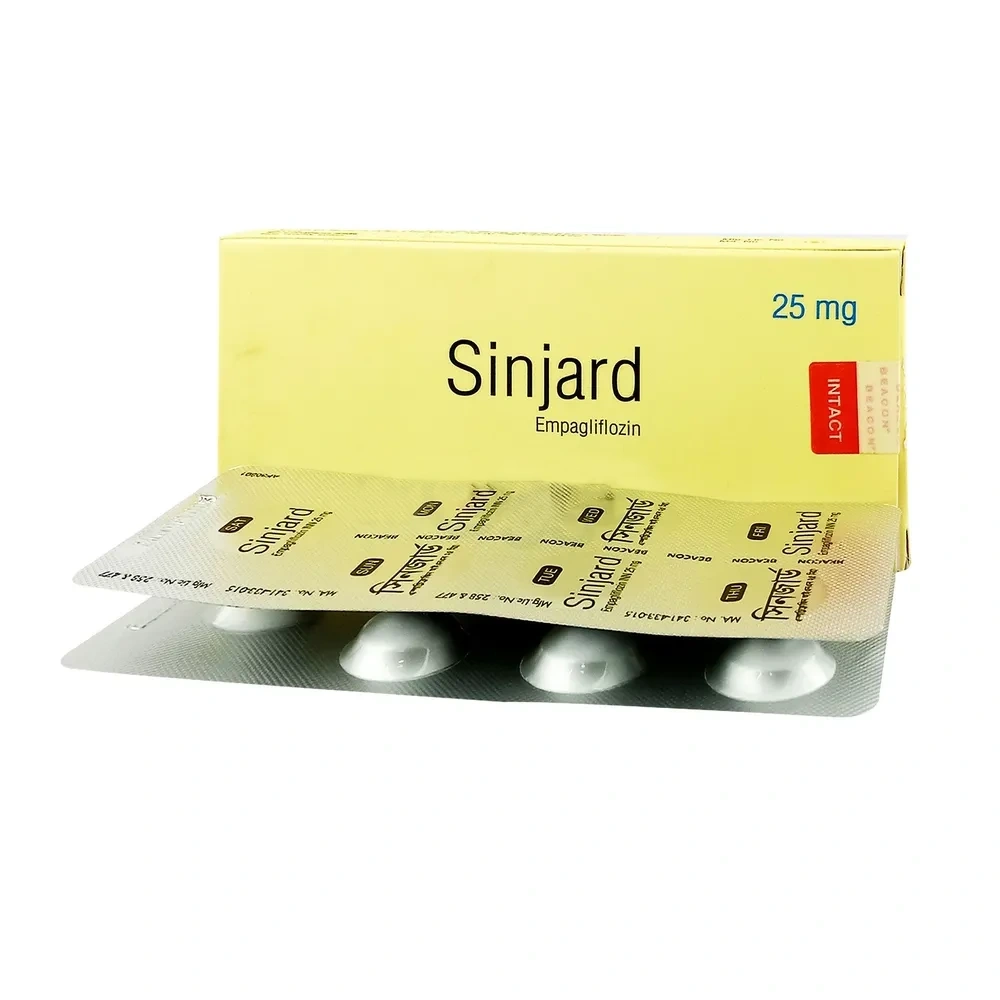
Introduction
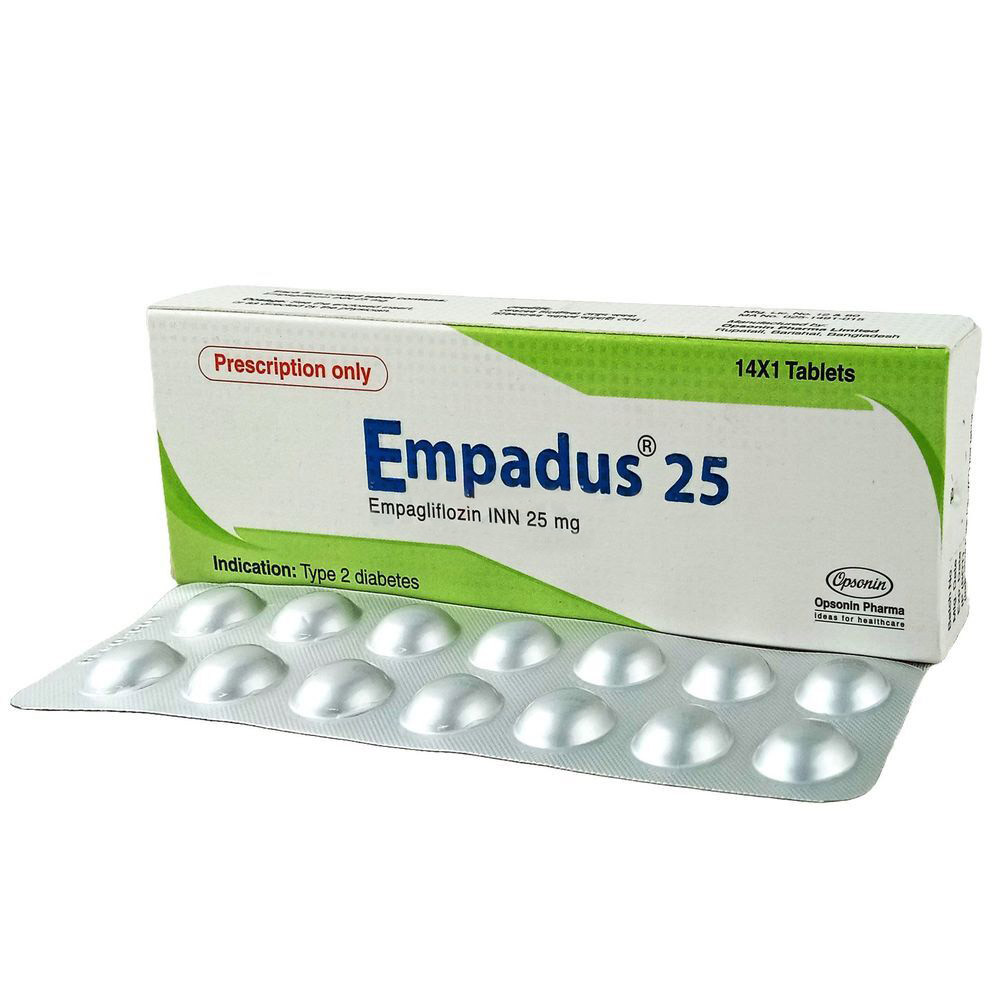
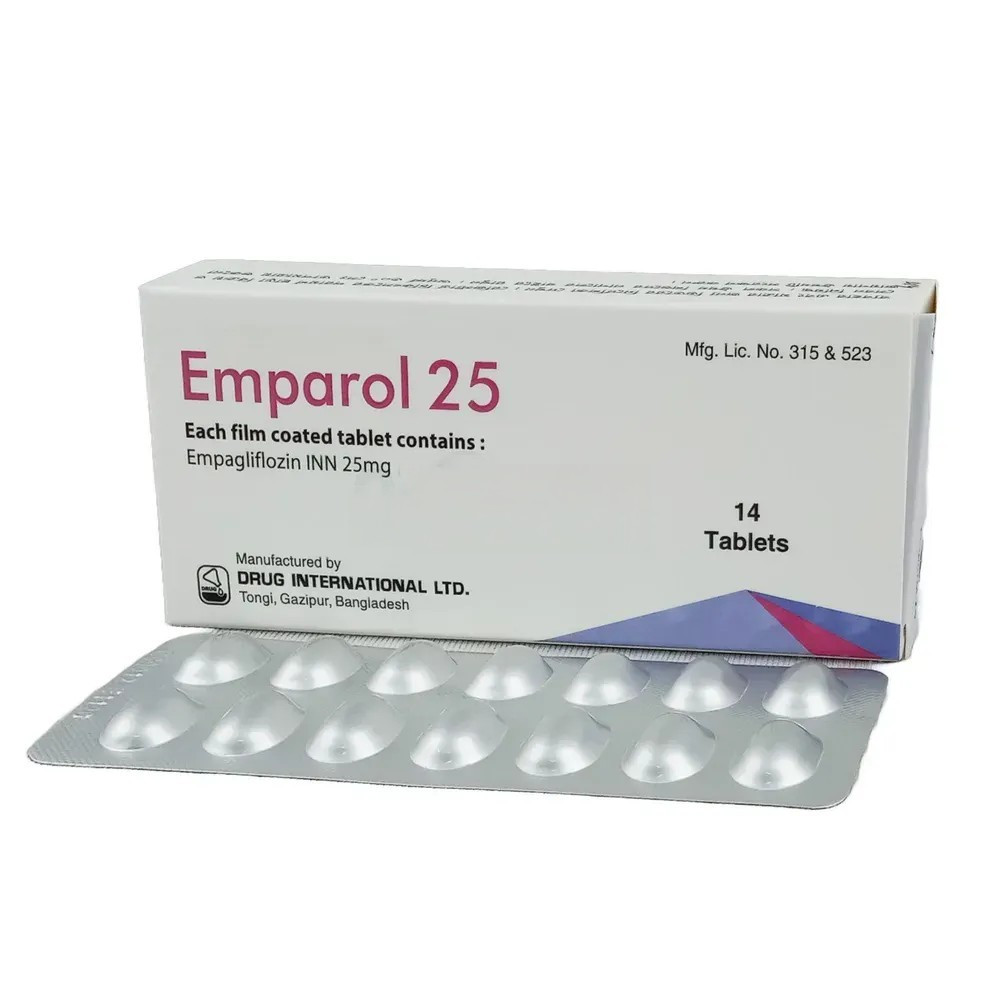
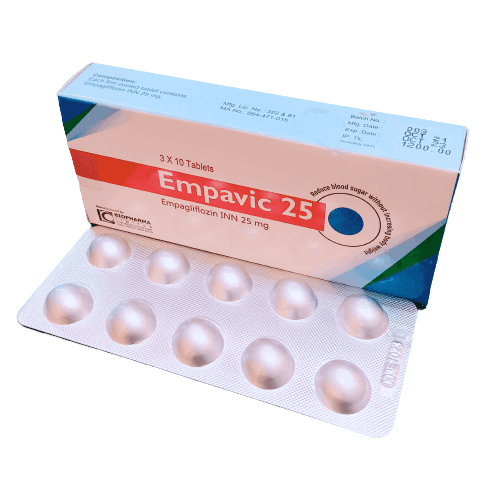
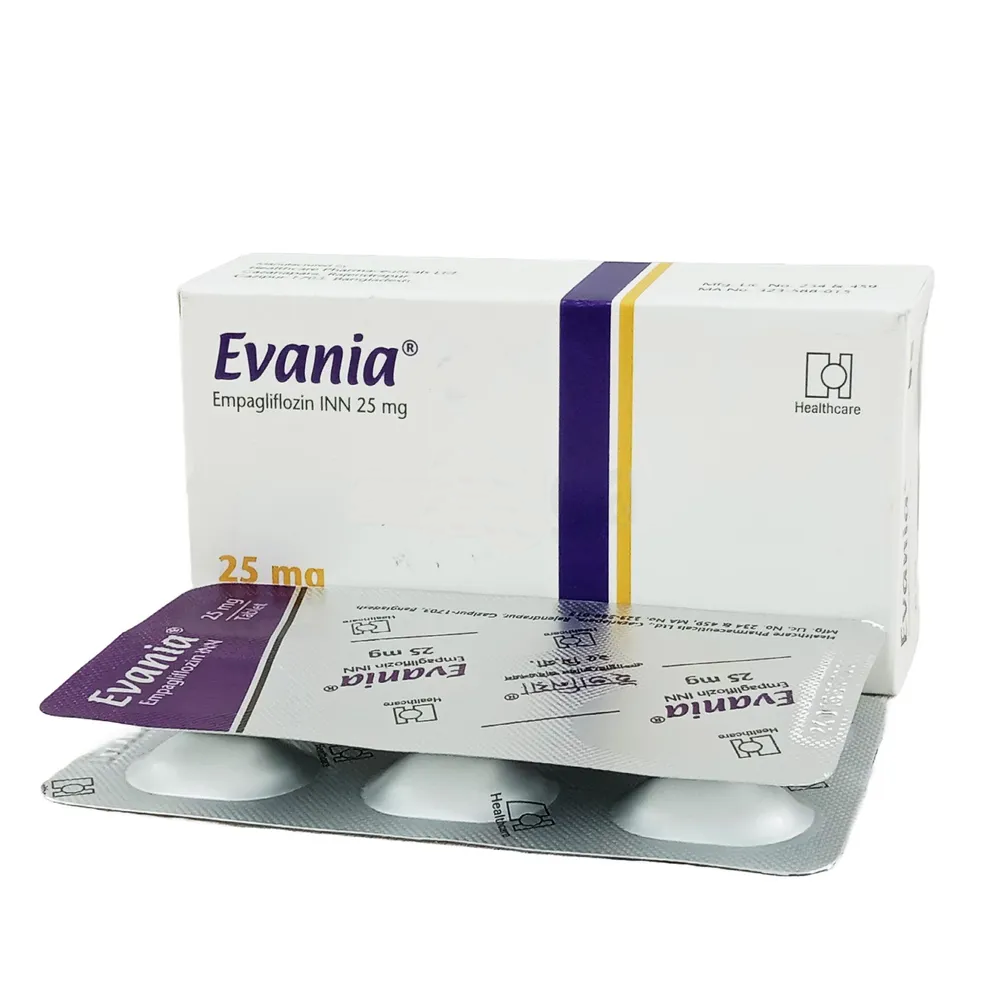
Empagliflozin is a selective sodium-glucose co-transporter 2 (SGLT2) inhibitor used as an adjunct to diet and exercise to improve glycemic control in adults with type 2 diabetes mellitus. By blocking SGLT2 in the kidneys, it reduces glucose reabsorption, increases urinary glucose excretion, and lowers blood glucose levels.
In addition to improving glycemic control, empagliflozin has demonstrated cardiovascular and renal benefits, including reducing the risk of cardiovascular death, hospitalization for heart failure, and progression of chronic kidney disease in appropriate patients.
Uses
Empagliflozin is an SGLT2 inhibitor used to manage type 2 diabetes mellitus.
Empagliflozin is indicated as an adjunct to diet and exercise to improve glycemic control in adult patients with type 2 diabetes. It is also indicated to reduce the risk of cardiovascular death in adult patients with both type 2 diabetes mellitus and established cardiovascular disease.
Empagliflozin is also available as a combination product with either metformin and linagliptin as an adjunct to diet and exercise in the management of type 2 diabetes mellitus in adults.
An extended-release combination product containing empagliflozin, metformin, and linagliptin was approved by the FDA in January 2020 for the improvement of glycemic control in adults with type 2 diabetes mellitus when used adjunctively with diet and exercise.
Empagliflozin is not approved for use in patients with type 1 diabetes.
Associated Conditions
Pharmacodynamics
Empagliflozin lowers blood glucose levels by preventing glucose reabsorption in the kidneys, thereby increasing the amount of glucose excreted in the urine. It has a relatively long duration of action requiring only once-daily dosing. Patients should be monitored closely for signs and symptoms of ketoacidosis regardless of blood glucose level as empagliflozin may precipitate diabetic ketoacidosis in the absence of hyperglycemia. As its mechanism of action is contingent on the renal excretion of glucose, empagliflozin may be held in cases of acute kidney injury and/or discontinued in patients who develop chronic renal disease.
The overexcretion of glucose creates a sugar-rich urogenital environment which increases the risk of urogenital infections - including urosepsis, pyelonephritis, mycotic infections, and even Fournier's gangrene - in both male and female patients - monitor closely for signs and symptoms of developing infection.
Mechanism of Action
The vast majority of glucose filtered through the glomerulus is reabsorbed within the proximal tubule, primarily via SGLT2 (sodium-glucose linked co-transporter-2) which is responsible for ~90% of the total glucose reabsorption within the kidneys. Na+/K+-ATPase on the basolateral membrane of proximal tubular cells utilize ATP to actively pump Na+ ions into the interstitium surrounding the tubule, establishing a Na+ gradient within the tubular cell. SGLT2 on the apical membrane of these cells then utilize this gradient to facilitate secondary active co-transport of both Na+ and glucose out of the filtrate, thereby reabsorbing glucose back into the blood – inhibiting this co-transport, then, allows for a marked increase in glucosuria and decrease in blood glucose levels. Empagliflozin is a potent inhibitor of renal SGLT2 transporters located in the proximal tubules of the kidneys and works to lower blood glucose levels via an increase in glucosuria.
Empagliflozin also appears to exert cardiovascular benefits - specifically in the prevention of heart failure - independent of its blood glucose-lowering effects, though the exact mechanism of this benefit is not precisely understood. Several theories have been posited, including the potential inhibition of Na+
Absorption
Following oral administration, peak plasma concentrations are reached in approximately 1.5 hours (Tmax). At steady-state, plasma AUC and Cmax were 1870 nmol·h/L and 259 nmol/L, respectively, following therapy with empagliflozin 10mg daily and 4740 nmol·h/L and 687 nmol/L, respectively, following therapy with empagliflozin 25mg daily. Administration with food does not significantly affect the absorption of empagliflozin.
Volume of Distribution
The estimated apparent steady-state volume of distribution is 73.8 L.
Protein Binding
Empagliflozin is approximately 86.2% protein-bound in plasma.
Route of Elimination
After oral administration of radiolabeled empagliflozin approximately 41.2% of the administered dose was found eliminated in feces and 54.4% eliminated in urine. The majority of radioactivity in the feces was due to unchanged parent drug while approximately half of the radioactivity in urine was due to unchanged parent drug.
Half Life
The apparent terminal elimination half-life was found to be 12.4 h based on population pharmacokinetic analysis.
Clearance
Apparent oral clearance was found to be 10.6 L/h based on a population pharmacokinetic analysis.
Toxicity
Experience with empagliflozin overdose is limited - employ standard symptomatic and supportive measures, as well as gastric decontamination when appropriate. The use of hemodialysis in empagliflozin overdose has not been studied but is unlikely to be of benefit given the drug's relatively high protein-binding.
Food Interactions
- Take with or without food. Co-administration with food slightly alters pharmacokinetics, but not to a clinically significant extent.