1. What is Dextrose used for as a human drug?
Dextrose is a form of glucose, which is a type of sugar. It is used primarily for treating low blood sugar (hypoglycemia), dehydration, and providing a source of energy during parenteral nutrition (IV fluids). It is also used to treat conditions like diabetic ketoacidosis, as it can raise blood sugar levels quickly.
2. How is Dextrose administered to patients?
Dextrose can be administered intravenously (IV) in the form of a solution or as an oral gel in certain cases. The method of administration depends on the patient's condition and the severity of the symptoms.
3. Can Dextrose be given to diabetic patients?
Dextrose is used cautiously in diabetic patients, especially those with type 1 or type 2 diabetes, because it can raise blood glucose levels. It may be given in controlled amounts to treat severe hypoglycemia or to provide an energy source, but blood glucose levels need to be monitored closely.
4. What are the side effects of Dextrose?
Some possible side effects of Dextrose include hyperglycemia (high blood sugar), fluid overload, electrolyte imbalances, and vein irritation if the IV is not properly administered. Long-term use may lead to complications like insulin resistance or weight gain.
5. How does Dextrose work in the body?
Dextrose is rapidly absorbed into the bloodstream, where it increases blood sugar levels. It provides a quick source of energy for cells, especially for those in the brain and muscles. This makes it an essential treatment for hypoglycemia and energy depletion.
6. Can Dextrose be used in emergency situations?
Yes, Dextrose is commonly used in emergency situations to treat hypoglycemia or low blood sugar, especially in unconscious or severely ill patients. It is often administered intravenously in these cases for rapid absorption.
7. What concentration of Dextrose is typically used in IV fluids?
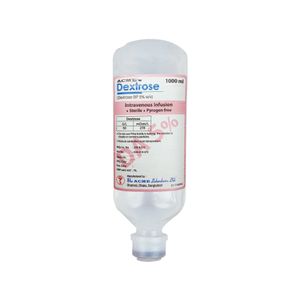
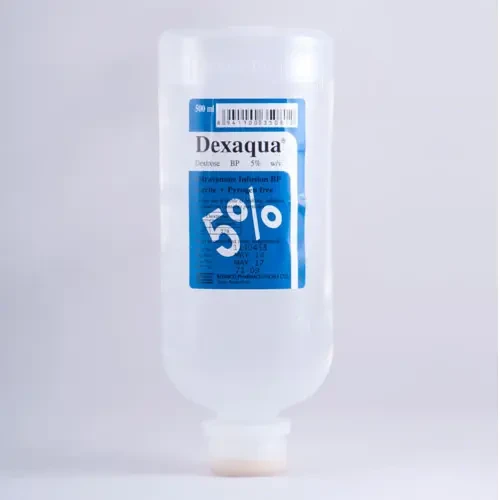
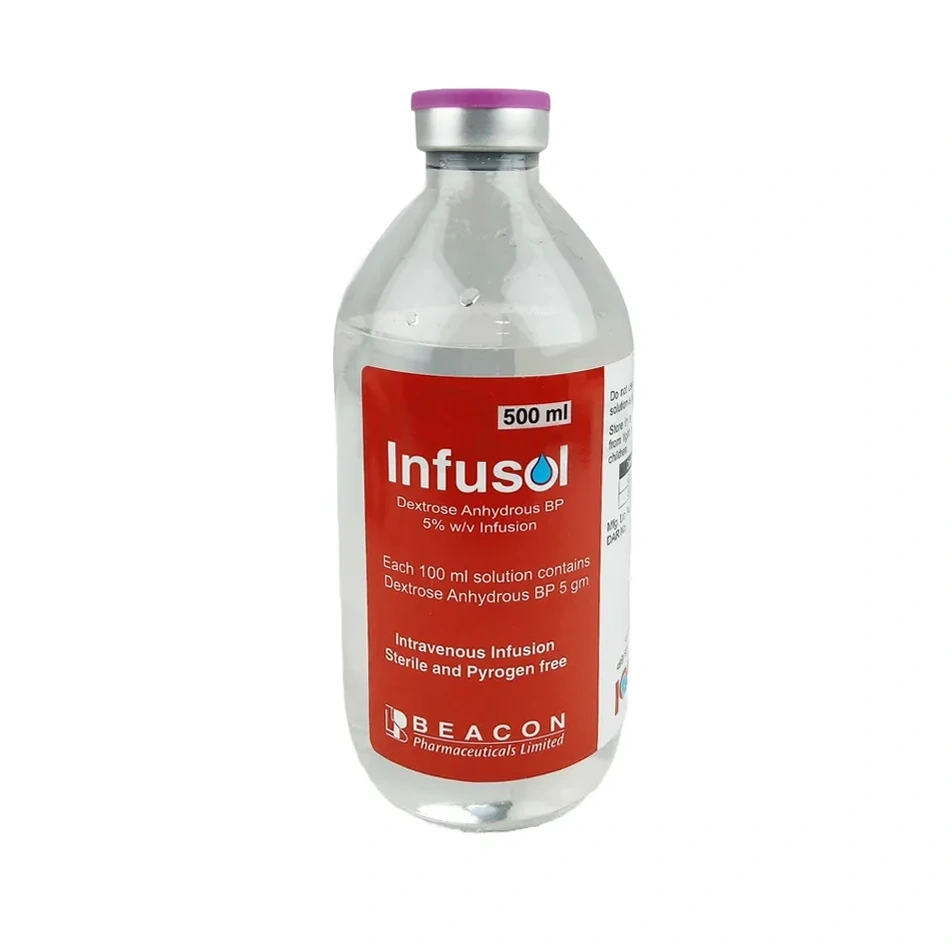
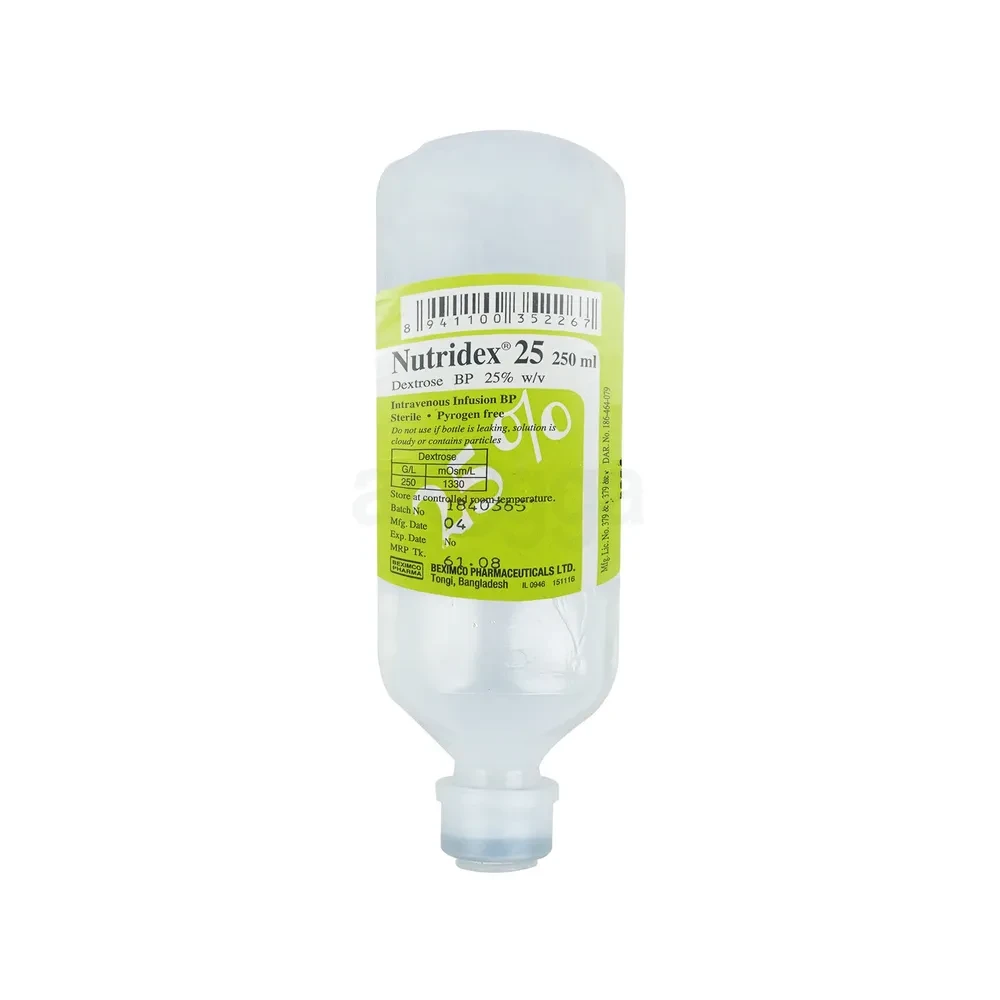
Dextrose is commonly used in concentrations ranging from 5% to 50% in intravenous solutions. The specific concentration depends on the patient's needs and the severity of the condition being treated. A 5% Dextrose solution is often used for hydration, while higher concentrations are used for more urgent treatments like hypoglycemia.
8. Can Dextrose be used to treat dehydration?
Yes, Dextrose is used in combination with saline or other electrolytes in IV solutions to treat dehydration. It helps restore fluids and energy to the body, especially in cases of fluid loss due to illness, vomiting, or diarrhea.
9. Is Dextrose safe for long-term use?
While Dextrose is generally safe when used for short-term treatment of conditions like hypoglycemia, prolonged use or excessive amounts can lead to hyperglycemia, weight gain, and insulin resistance. It is important to use it under medical supervision.
10. Can Dextrose cause weight gain?
Yes, prolonged or excessive use of Dextrose can lead to weight gain, especially if the body consistently absorbs more glucose than it can use. This can increase fat stores and contribute to insulin resistance over time.
11. Is Dextrose safe during pregnancy?
Dextrose is generally considered safe during pregnancy, especially when used to treat hypoglycemia or dehydration. However, like any medication, it should be used under the supervision of a healthcare provider to avoid complications like hyperglycemia or excessive fluid retention.
12. Can Dextrose be used in newborns?
Dextrose is commonly used in newborns, especially in cases of neonatal hypoglycemia or when infants are unable to feed. The solution is usually given intravenously and in carefully controlled amounts to avoid complications such as hyperglycemia.
13. How is Dextrose different from other types of glucose?
Dextrose is a form of glucose that is chemically identical to the sugar found in the human bloodstream. Unlike other forms of glucose, it is more quickly absorbed by the body and provides immediate energy, which is why it is used in emergencies and intravenous solutions.
14. Can Dextrose be used for weight loss?
Dextrose is not recommended for weight loss. It is a sugar that provides energy, which may contribute to weight gain if not used efficiently by the body. For weight loss, a balanced diet and regular exercise are typically recommended.
15. How does Dextrose affect blood sugar levels?
Dextrose rapidly increases blood sugar levels upon entering the bloodstream. It is used to treat hypoglycemia by raising blood sugar levels to normal ranges. However, in individuals with diabetes, it can cause a significant rise in blood glucose levels.
16. What should I do if I experience side effects from Dextrose?
If you experience any side effects from Dextrose, such as signs of hyperglycemia (excessive thirst, frequent urination, fatigue), contact your healthcare provider immediately. They may need to adjust your treatment plan or monitor your blood sugar levels more closely.
17. Can Dextrose be used for energy during exercise?
Dextrose can be used as a quick source of energy during exercise. It is absorbed rapidly by the body and can replenish energy stores in muscles during intense physical activity. However, it should be used in moderation to avoid blood sugar spikes.
18. Is Dextrose the same as sugar?
Yes, Dextrose is a form of glucose, which is the same type of sugar that the body uses for energy. It is often referred to as “blood sugar” because it is the primary sugar found in the bloodstream.
19. Can Dextrose be used for burns?
Dextrose is not used topically for burns, but it may be part of a patient's IV fluid regimen if they are dehydrated due to burn injuries. The goal is to restore fluids and energy to the body.
20. Can Dextrose cause high blood pressure?
In some cases, excessive use of Dextrose, especially when administered in large amounts intravenously, may lead to fluid retention and contribute to elevated blood pressure. It is important to monitor fluid balance during treatment.
21. Can Dextrose be used for cancer patients?
Yes, Dextrose can be used in cancer patients, particularly for those undergoing chemotherapy who may experience nausea, dehydration, or low blood sugar. It can help restore energy and maintain hydration levels.
22. Can Dextrose be used for hypoglycemia in diabetic patients?
Yes, Dextrose is commonly used for treating hypoglycemia (low blood sugar) in diabetic patients, particularly in emergency situations when a quick raise in blood glucose is necessary. It can be given orally or intravenously depending on the severity of the hypoglycemia.
23. How fast does Dextrose work to raise blood sugar?
Dextrose works quickly, typically raising blood sugar levels within 10-15 minutes of administration. It is absorbed rapidly into the bloodstream and provides immediate energy to the body.
24. Can Dextrose cause allergic reactions?
Allergic reactions to Dextrose are rare, but they can occur. Signs of an allergic reaction include rash, itching, difficulty breathing, and swelling. If any of these symptoms occur, seek medical attention immediately.
25. Can Dextrose be used for dehydration in athletes?
Dextrose can be used for hydration in athletes who experience dehydration after intense exercise, particularly when combined with electrolytes to restore balance. However, it should be used in moderation to prevent blood sugar imbalances.
26. How does Dextrose help with brain function?
Since the brain primarily uses glucose for energy, Dextrose helps provide a quick source of fuel for brain cells, especially during periods of low blood sugar. It is often used in emergency situations to treat hypoglycemia and prevent brain dysfunction.
27. Can Dextrose be used for treating ketoacidosis?
Yes, Dextrose is used in the treatment of diabetic ketoacidosis, but it is typically combined with insulin and fluids to help restore normal blood sugar levels and electrolyte balance.
28. How is Dextrose different from sucrose?
Dextrose is a simple sugar (monosaccharide) that is chemically identical to glucose. Sucrose, on the other hand, is a disaccharide made up of glucose and fructose. Dextrose is absorbed more rapidly by the body and is a more direct source of energy.
29. Is Dextrose safe for people with kidney disease?
Dextrose should be used with caution in individuals with kidney disease, especially if they have fluid retention problems. It may require dose adjustments and careful monitoring of electrolytes and fluid balance.
30. Can Dextrose help with nausea?
Dextrose can help improve symptoms of nausea if it is caused by hypoglycemia or low blood sugar. Raising blood glucose levels can alleviate symptoms of nausea and dizziness associated with low sugar.
31. Can Dextrose be used to treat hangovers?
Dextrose can help alleviate some symptoms of a hangover, especially if low blood sugar is contributing to symptoms like dizziness and fatigue. However, it is not a cure for a hangover.
32. Can Dextrose be used as a substitute for regular food?
Dextrose is not a substitute for regular food because it does not provide all the essential nutrients the body needs. It is primarily used as a source of quick energy, especially in medical situations.
33. Can Dextrose cause headaches?
In some cases, Dextrose can cause headaches, particularly if blood sugar levels rise too quickly or if there is an electrolyte imbalance. Monitoring blood glucose levels can help minimize this risk.
34. Can Dextrose be used for hypovolemic shock?
Dextrose can be used as part of IV fluid therapy for hypovolemic shock, but it is usually combined with saline or other electrolytes. The goal is to restore fluid volume and stabilize blood sugar levels.
35. Is Dextrose safe for infants?
Dextrose is commonly used in infants, especially those with low blood sugar or dehydration. It is typically administered intravenously in carefully controlled doses.
36. What is the shelf life of Dextrose solutions?
The shelf life of Dextrose solutions typically ranges from 12 to 24 months, depending on the concentration and storage conditions. Always check the expiration date before use.
37. Can Dextrose help with energy recovery after exercise?
Yes, Dextrose is often used post-exercise to help replenish glycogen stores in muscles and improve energy recovery. It is particularly useful after intense physical activity that depletes the body’s glucose reserves.
38. Can Dextrose be used in combination with other medications?
Dextrose can be safely used with most medications, but it should be monitored in patients taking insulin or other glucose-lowering drugs. It may interact with these medications, requiring adjustments to dosages.
39. Can Dextrose be used to treat seizures?
Dextrose is often used in emergency settings to treat seizures caused by low blood sugar (hypoglycemia). It helps raise blood glucose levels, preventing further seizures caused by glucose depletion.
40. Can Dextrose be taken orally in emergency situations?
Yes, Dextrose can be taken orally in emergency situations, especially in the form of oral glucose gels or tablets. However, if the patient is unconscious or unable to swallow, intravenous administration is preferred.
41. Can Dextrose help with fatigue?
Yes, Dextrose can provide a quick energy boost, which may help alleviate fatigue caused by low blood sugar. It is especially useful in patients with hypoglycemia or those needing rapid energy recovery.
42. Can Dextrose cause kidney damage?
There is no direct evidence that Dextrose causes kidney damage. However, excessive use of Dextrose, especially in patients with pre-existing kidney disease, may contribute to fluid retention and imbalances that could affect kidney function.
43. Can Dextrose be used to treat alcohol poisoning?
Dextrose is sometimes used in the treatment of alcohol poisoning, particularly if low blood sugar is contributing to the symptoms. It helps raise blood glucose levels and stabilize the patient.
44. How does Dextrose compare to other glucose solutions?
Dextrose is a simpler and more rapidly absorbed form of glucose than other types of glucose solutions. It provides a quick energy boost and is often used in emergencies for its fast action.
45. Can Dextrose be used for people with heart disease?
While Dextrose can be used in people with heart disease, it should be done with caution. It may contribute to fluid retention, which could exacerbate heart failure or other cardiac conditions. Monitoring is required during treatment.
46. Can Dextrose cause a spike in insulin levels?
Yes, Dextrose can cause a rapid spike in insulin levels because it raises blood sugar quickly. This may be problematic for individuals with insulin resistance or diabetes.
47. Can Dextrose be used in surgery?
Dextrose is sometimes used in surgical settings to provide energy and maintain blood sugar levels in patients undergoing surgery. It is often combined with other fluids, depending on the patient's needs.
48. Can Dextrose help with hypothermia?
Dextrose can help with hypothermia if the hypothermia is caused by low blood sugar. Raising blood glucose levels can improve energy and promote thermogenesis (heat production), aiding in recovery.
49. What happens if Dextrose is accidentally given too quickly?
If Dextrose is administered too quickly, it can cause a rapid spike in blood sugar, leading to hyperglycemia, fluid overload, and complications like vein irritation. It is important to administer it slowly and monitor the patient’s response.
50. Can Dextrose cause an imbalance in electrolytes?
Yes, excessive use of Dextrose, especially when administered rapidly, can contribute to imbalances in electrolytes like sodium, potassium, and calcium. Close monitoring of electrolyte levels is necessary during treatment.