Introduction
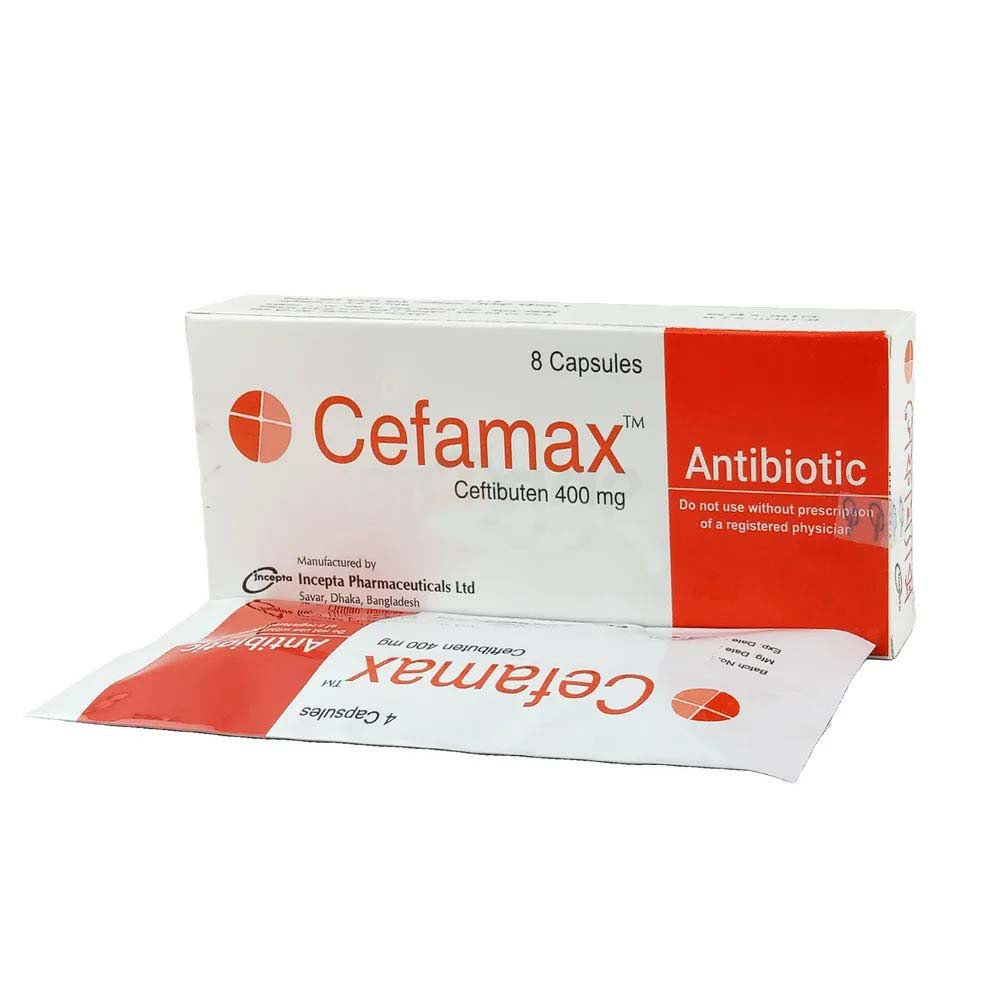
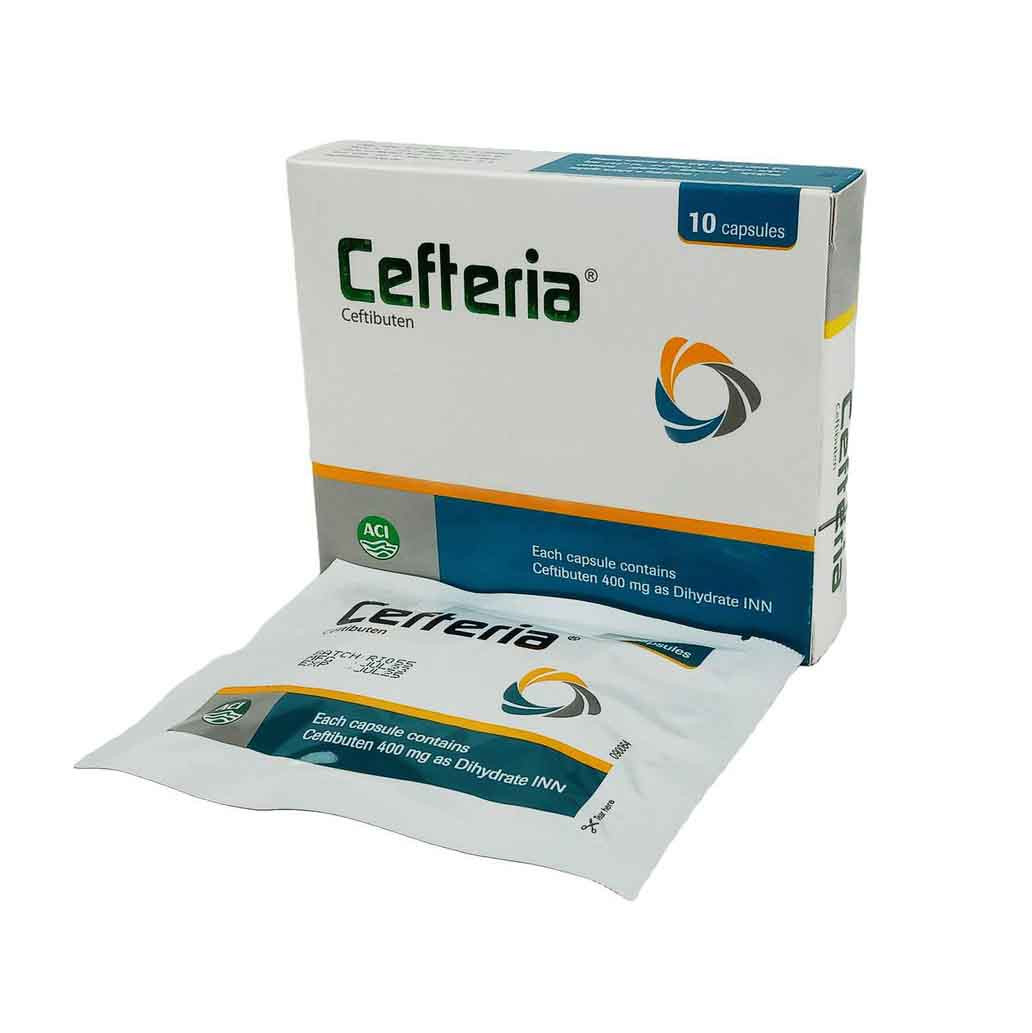
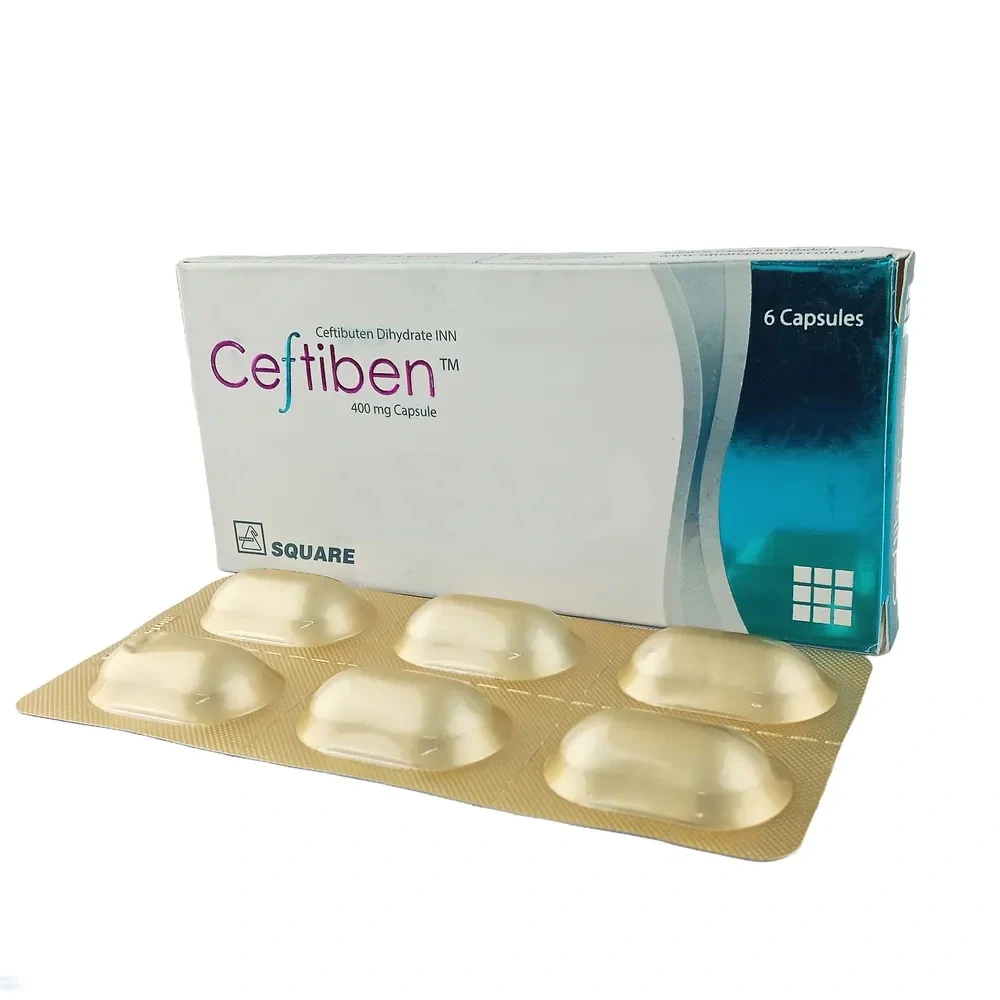
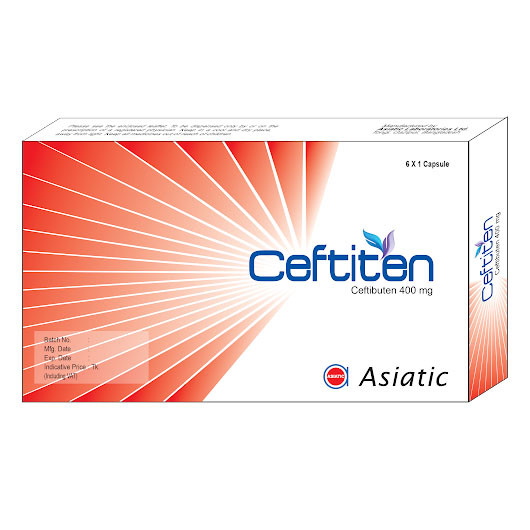
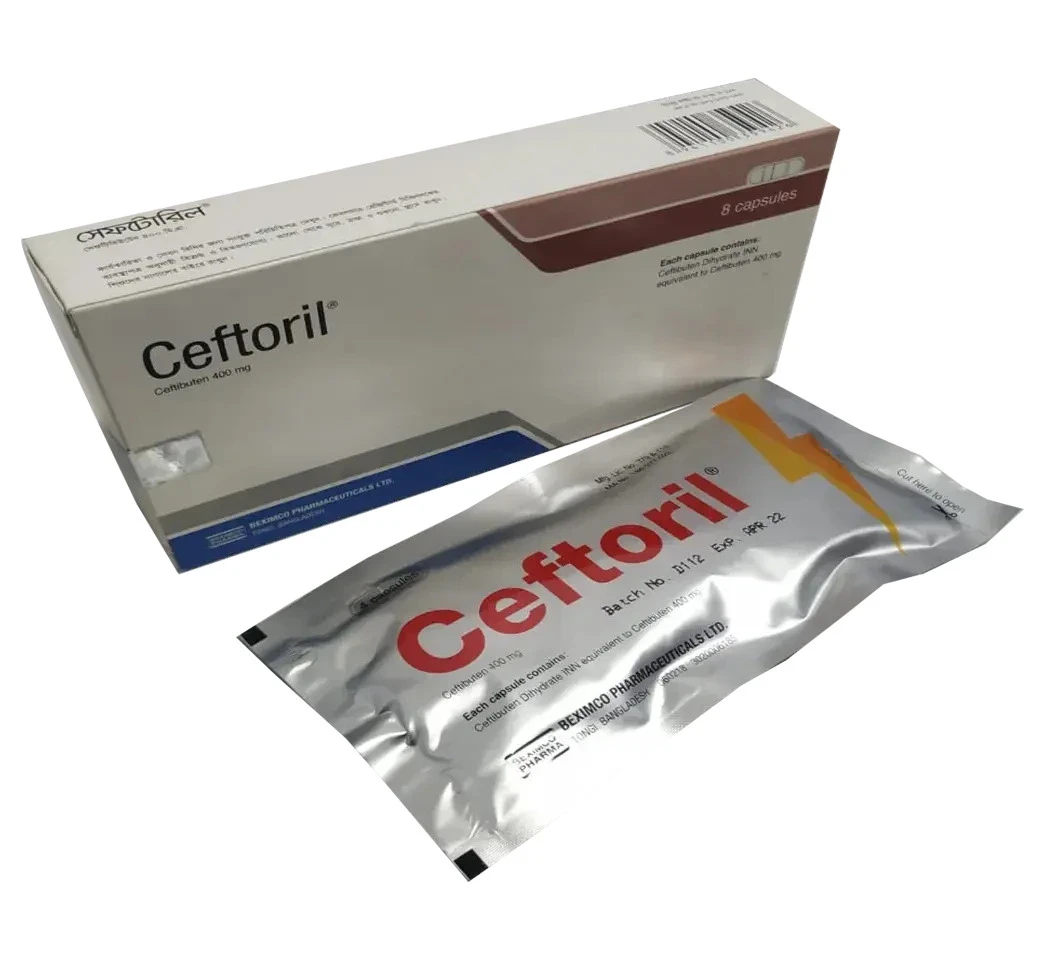
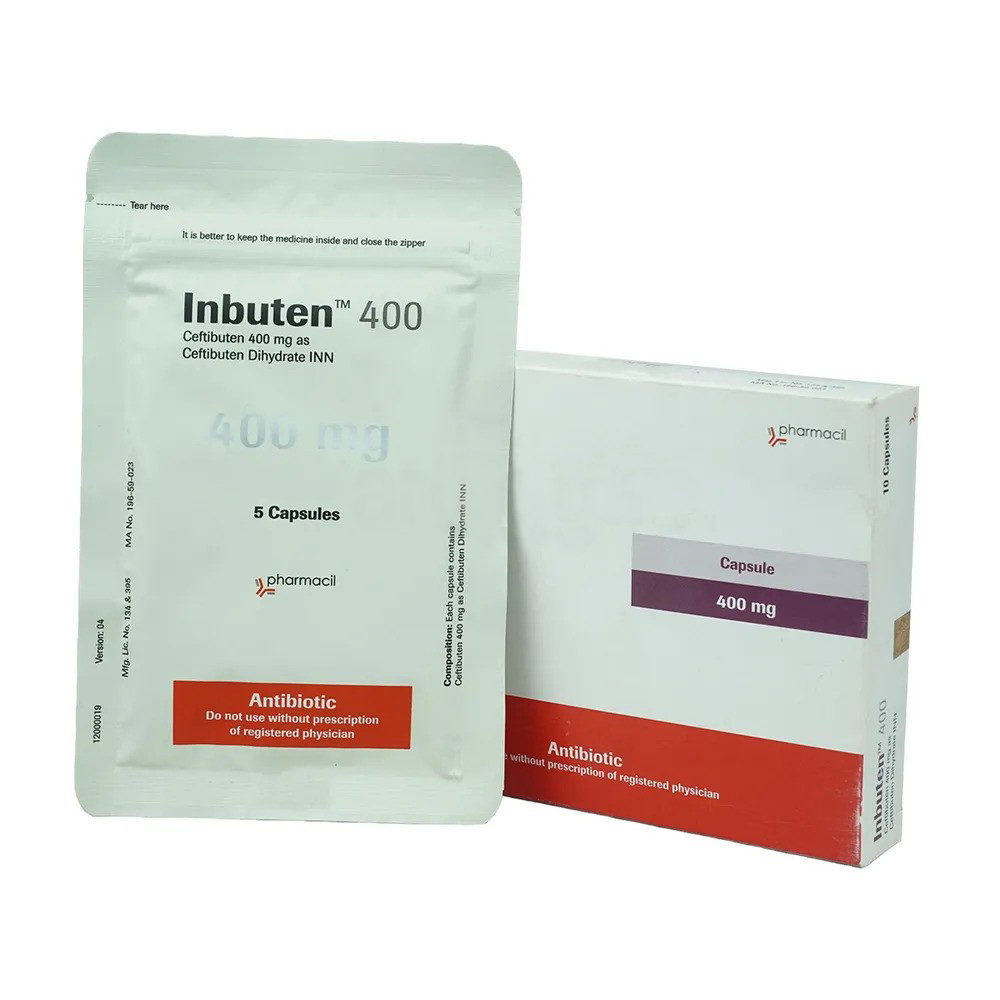
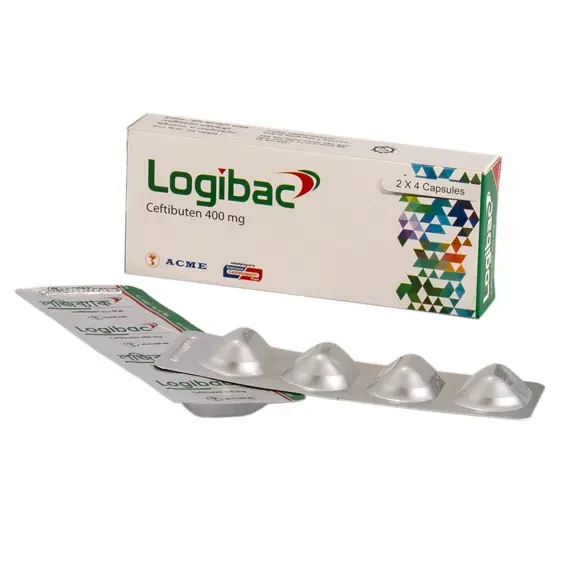
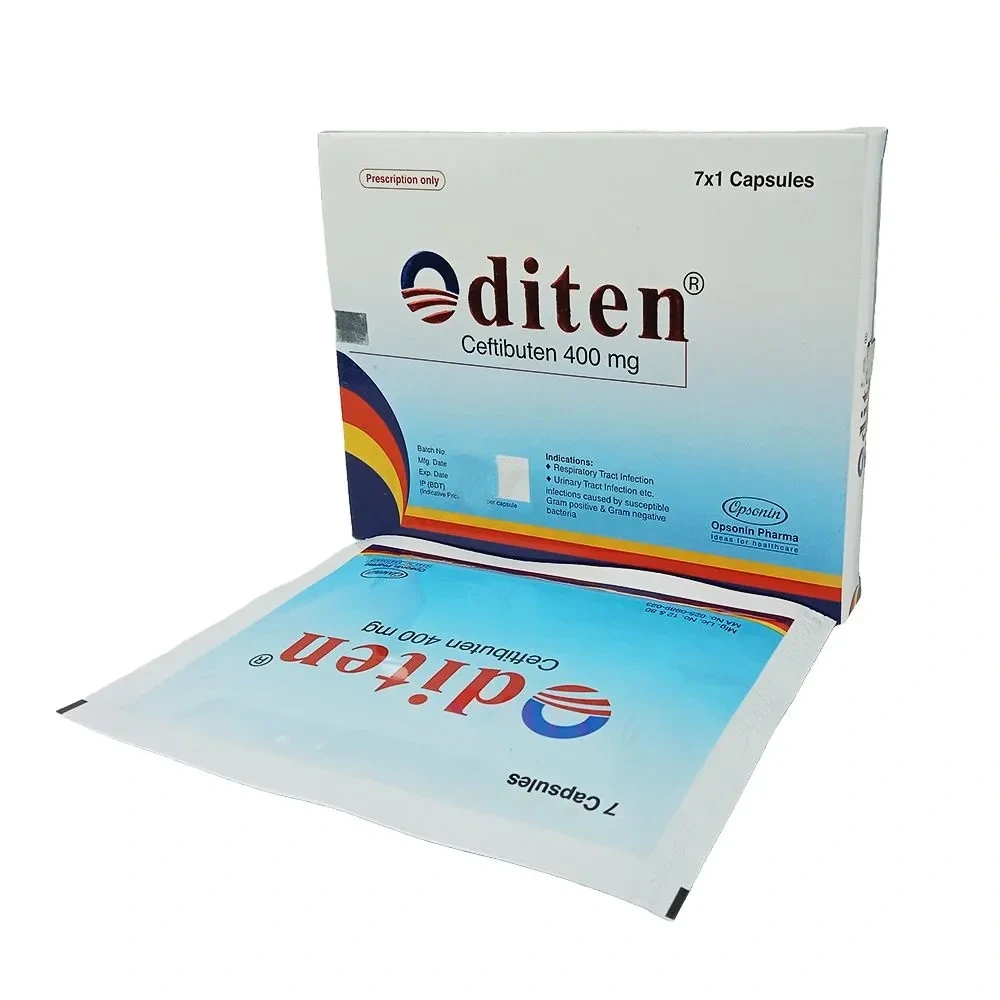
Ceftibuten is a third-generation cephalosporin antibiotic that is orally-administered. It is typically used to treat acute bacterial exacerbations of chronic bronchitis (ABECB), acute bacterial otitis media, pharyngitis, and tonsilitis.
Uses
Ceftibuten is a third-generation cephalosporin antibiotic commonly used in the treatment of acute bacterial exacerbations of chronic bronchitis (ABECB), acute bacterial otitis media, pharyngitis, and tonsillitis.
Indicated for the treatment of acute bacterial exacerbations of chronic bronchitis (ABECB), acute bacterial otitis media, pharyngitis, and tonsilitis.
Associated Conditions
Pharmacodynamics
Ceftibuten is an antibiotic with bactericidal actions.
Mechanism of Action
Ceftibuten exerts its bactericidal action by binding to essential target proteins of the bacterial cell wall. This binding leads to inhibition of cell-wall synthesis.
Absorption
Rapidly absorbed following oral administration.
Volume of Distribution
- 0.21 L/kg [adult subjects]
- 0.5 L/kg [fasting pediatric patients]
Protein Binding
Ceftibuten is 65% bound to plasma proteins. The protein binding is independent of plasma ceftibuten concentration.
Route of Elimination
Ceftibuten is excreted in the urine; 95% of the administered radioactivity was recovered either in urine or feces.
Toxicity
Overdosage of cephalosporins can cause cerebral irritation leading to convulsions.
Food Interactions
- Take separate from meals. Take ceftibuten oral suspension at least one hour after eating, or two hours before eating.
- Take with or without food. Separating the administration of ceftibuten from food is not required for ceftibuten capsules because the impact of food on bioavailability is less significant.
Dosage
- Adult Dosage: 400 mg orally every 24 hours for 10 days
- Pediatric Dosage: >6 months: 9 mg/kg/day (maximum 400 mg) every 24 hours for 10 days
- Adult Dosage: 400 mg orally every 24 hours for 10 days
- Pediatric Dosage: >6 months: 9 mg/kg/day (maximum 400 mg) every 24 hours for 10 days
- Adult Dosage: 400 mg orally every 24 hours for 10 days
- Pediatric Dosage: >12 years: 400 mg orally every 24 hours for 10 days
- Adult Dosage: 400 mg orally every 24 hours for 7 days
- Pediatric Dosage: >12 years: 400 mg orally every 24 hours for 7 days
- Adult Dosage: 200 mg orally every 12 hours for 7 to 14 days
- Pediatric Dosage: >12 years: 200 mg orally every 12 hours for 7 to 14 days
- Adult Dosage: 400 mg orally every 24 hours for 10 to 14 days
- Pediatric Dosage: >12 years: 400 mg orally every 24 hours for 10 to 14 days
- Adult Dosage: 400 mg orally every 24 hours for 10 days
- Pediatric Dosage: >6 months: 9 mg/kg/day (maximum 400 mg) every 24 hours for 10 days