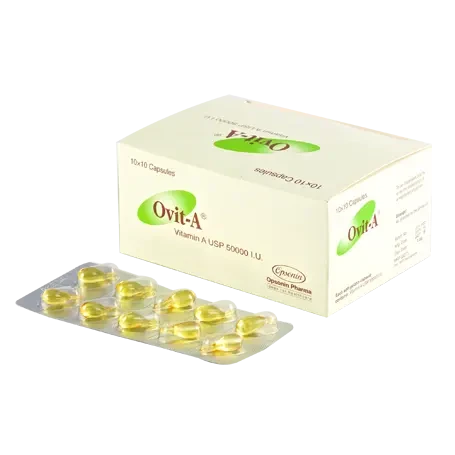
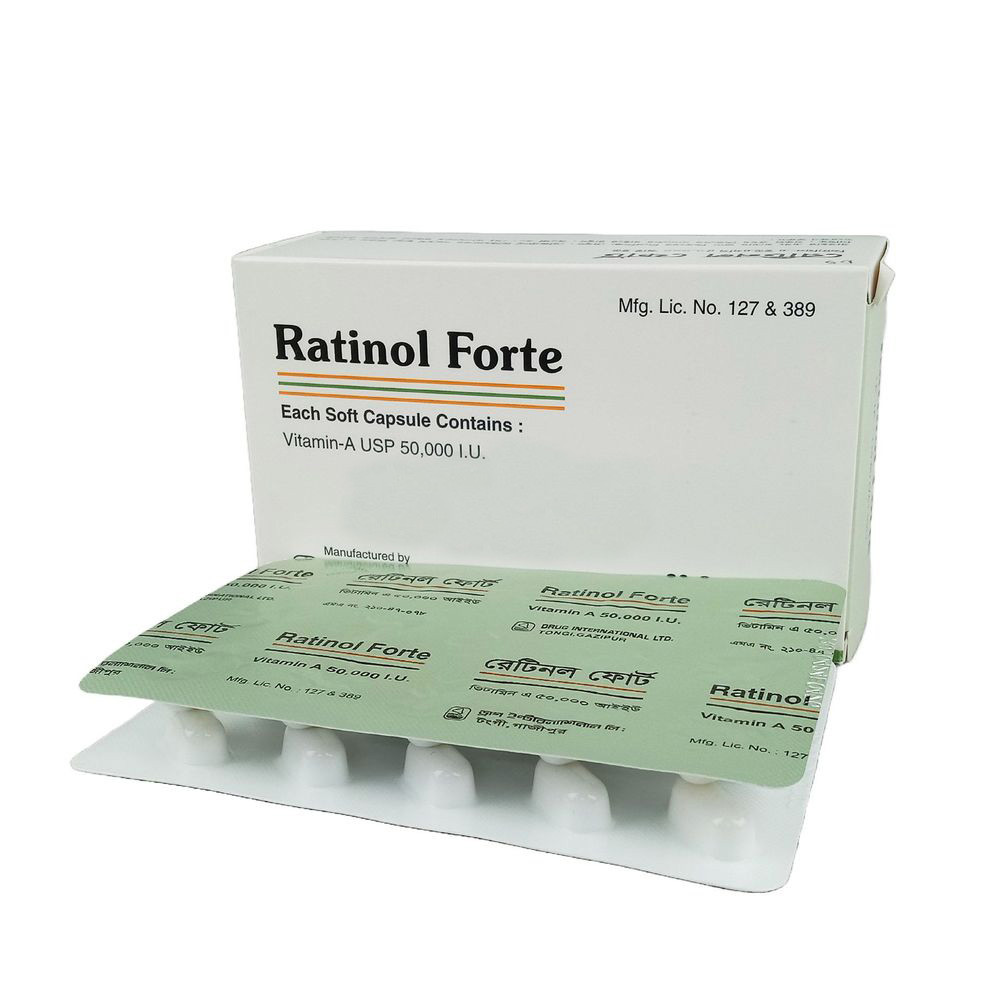
1. What is Vitamin A?
Vitamin A is a fat-soluble vitamin essential for various bodily functions, including vision, immune system support, and skin health. It comes in two main forms: preformed vitamin A (retinol) and provitamin A (beta-carotene).
2. What are the benefits of Vitamin A?
Vitamin A has several key benefits:
- Supports healthy vision
- Boosts the immune system
- Promotes skin health and wound healing
- Essential for cell growth and development
- Supports reproduction and fetal development
3. What are the sources of Vitamin A?
Vitamin A is found in two main sources:
- Preformed Vitamin A: Found in animal products like liver, eggs, and dairy.
- Provitamin A (Beta-carotene): Found in plant-based foods like carrots, sweet potatoes, and leafy greens.
4. How much Vitamin A do I need daily?
The recommended daily intake of Vitamin A varies depending on age and gender. For adults, it is typically around 900 mcg for men and 700 mcg for women. Pregnant and breastfeeding women require higher amounts.
5. What happens if I don't get enough Vitamin A?
A deficiency in Vitamin A can lead to:
- Night blindness
- Dry skin
- Weakened immune system
- Increased susceptibility to infections
- Stunted growth in children
6. Can Vitamin A overdose be harmful?
Yes, taking too much Vitamin A can lead to toxicity. Symptoms of overdose include nausea, dizziness, headache, and in severe cases, liver damage. It is important to follow recommended dosages.
7. Is Vitamin A safe during pregnancy?
Vitamin A is essential during pregnancy, but excessive amounts (especially preformed Vitamin A) can cause birth defects. Pregnant women should not exceed the recommended daily intake of 770 mcg.
8. Can Vitamin A improve eyesight?
Yes, Vitamin A is crucial for maintaining healthy vision. It helps the retina absorb light and convert it into signals that the brain interprets as vision. A deficiency can cause night blindness and other vision problems.
9. How does Vitamin A help with immune function?
Vitamin A supports the immune system by promoting the production and differentiation of white blood cells, which help fight infections. It also helps maintain the health of mucosal surfaces in the body.
10. Can Vitamin A help with acne?
Yes, Vitamin A (particularly in the form of retinoids) is commonly used in skincare to treat acne. It helps by promoting skin cell turnover and preventing clogged pores.
11. Can Vitamin A be used topically?
Yes, Vitamin A in the form of retinoids (such as retinol) is often used in topical skincare products to reduce wrinkles, acne, and hyperpigmentation.
12. Can I take Vitamin A supplements with other medications?
Vitamin A supplements can interact with certain medications, such as blood thinners and acne medications like isotretinoin. Always consult your doctor before taking Vitamin A with other medications.
13. Can Vitamin A help with skin aging?
Yes, Vitamin A promotes collagen production and skin cell turnover, which can reduce the appearance of fine lines and wrinkles, improving skin texture and elasticity.
14. What are the side effects of Vitamin A supplementation?
Common side effects of Vitamin A supplementation include nausea, headache, dizziness, and skin irritation. High doses can lead to more serious side effects, including liver damage.
15. How can Vitamin A help with dry skin?
Vitamin A helps by promoting skin cell turnover and reducing the appearance of dry, flaky skin. It is often used in treatments for conditions like eczema and psoriasis.
16. Can I get too much Vitamin A from food?
It is unlikely to get too much Vitamin A from food alone, as the body regulates the conversion of beta-carotene to Vitamin A. However, high amounts of preformed Vitamin A from supplements or animal products can cause toxicity.
17. What is the difference between Vitamin A and beta-carotene?
Vitamin A is the active form of the vitamin, and beta-carotene is a precursor (provitamin A) that the body converts into Vitamin A. Beta-carotene is found in plant-based foods, while Vitamin A in its active form is found in animal products.
18. Can Vitamin A help with wound healing?
Yes, Vitamin A plays a key role in wound healing by supporting cell growth and tissue repair. It is also involved in the production of collagen, which is essential for skin regeneration.
19. Can Vitamin A help with hair loss?
Vitamin A is essential for healthy hair growth as it supports the production of sebum, an oily substance that keeps the scalp moisturized. However, excessive Vitamin A can actually lead to hair loss, so balance is important.
20. Can Vitamin A be taken in combination with Vitamin D?
Yes, Vitamin A and Vitamin D can be taken together as both are fat-soluble vitamins that support immune function and overall health. However, it's important not to exceed recommended dosages for either.
21. Is Vitamin A good for the bones?
Vitamin A plays a role in bone health by regulating bone growth and remodeling. However, excessive amounts of Vitamin A can negatively affect bone health and increase the risk of fractures.
22. Can Vitamin A help with pigmentation issues?
Yes, Vitamin A can help with hyperpigmentation issues, such as age spots and melasma, by promoting skin cell turnover and preventing the formation of excess melanin.
23. How is Vitamin A absorbed by the body?
Vitamin A is fat-soluble, which means it is absorbed along with dietary fats in the small intestine. It is then stored in the liver for later use.
24. Can Vitamin A prevent infections?
Yes, Vitamin A supports the immune system by helping maintain the health of the skin, eyes, and mucosal membranes, which act as barriers to infections.
25. Can Vitamin A help with cold sores?
Vitamin A may help improve the healing of cold sores by supporting the immune system and promoting skin healing. However, it is not a direct treatment for the herpes simplex virus that causes cold sores.
26. Can Vitamin A help with cataracts?
There is some evidence suggesting that Vitamin A, through its antioxidant properties, may help reduce the risk of cataracts by protecting the lens of the eye from damage.
27. Can Vitamin A help with macular degeneration?
Some studies suggest that Vitamin A, along with other antioxidants like Vitamin C and E, may help protect the eyes from macular degeneration, although more research is needed.
28. What is the best form of Vitamin A to take for vision health?
Retinol, the active form of Vitamin A, is the most effective for maintaining vision health. Beta-carotene, found in plant-based foods, can also support vision but is converted into retinol by the body.
29. How does Vitamin A help with night blindness?
Vitamin A is essential for the production of rhodopsin, a pigment in the retina that allows the eyes to adjust to low-light conditions. A deficiency in Vitamin A can lead to night blindness.
30. Can Vitamin A improve immune response to vaccines?
Some research suggests that Vitamin A can enhance the body's immune response to vaccines, especially in children with Vitamin A deficiency.
31. Can Vitamin A be harmful to the liver?
Yes, excessive intake of Vitamin A can lead to liver toxicity. It is important to take Vitamin A supplements only as prescribed and not exceed the recommended dosage.
32. What are the signs of Vitamin A toxicity?
Signs of Vitamin A toxicity include nausea, vomiting, headache, dizziness, dry skin, and in severe cases, liver damage or intracranial pressure increases.
33. Can Vitamin A help with psoriasis?
Vitamin A, particularly in the form of retinoids, is commonly used to treat psoriasis by reducing the buildup of skin cells and inflammation.
34. Can Vitamin A be taken with other vitamins?
Yes, Vitamin A can be taken with other vitamins, but it's important to avoid excessive intake of fat-soluble vitamins (A, D, E, K) as they can accumulate in the body and cause toxicity.
35. How does Vitamin A affect the skin?
Vitamin A promotes cell turnover, which helps maintain youthful, healthy skin. It is also involved in the production of collagen, which supports skin structure.
36. Is Vitamin A good for acne scars?
Vitamin A can help reduce the appearance of acne scars by encouraging skin cell turnover and collagen production. It is often used in retinoid treatments for acne scars.
37. Can Vitamin A help with dry eyes?
Yes, Vitamin A is essential for maintaining the health of the eyes, and a deficiency can lead to dry eyes and other vision issues.
38. Can Vitamin A help with stretch marks?
Vitamin A, particularly in the form of retinoids, is often used to improve the appearance of stretch marks by promoting skin regeneration and collagen production.
39. Is it safe to take Vitamin A long-term?
It is generally safe to take Vitamin A in recommended amounts over the long term. However, excessive intake of preformed Vitamin A should be avoided to prevent toxicity.
40. Can Vitamin A be used to treat wrinkles?
Yes, Vitamin A (retinol) is commonly used in anti-aging treatments to reduce wrinkles and fine lines by stimulating collagen production and skin renewal.
41. How long does it take to see the benefits of Vitamin A?
It can take several weeks to months to see the full benefits of Vitamin A, especially for skin and vision health, as the body needs time to adjust and renew tissues.
42. Can Vitamin A help with liver health?
Vitamin A supports liver function, but excessive amounts can damage the liver. Balance is key to ensuring its benefits without harm.
43. Can Vitamin A be used for immune system support during illness?
Yes, Vitamin A supports the immune system and can help the body recover more effectively during illness by maintaining healthy mucosal surfaces and promoting immune cell function.
44. Can Vitamin A help with joint health?
While Vitamin A is not directly involved in joint health, it does support overall tissue health and may have an indirect role in maintaining healthy joints.
45. Can Vitamin A help with gum disease?
Vitamin A is important for maintaining healthy mucous membranes, including those in the gums. A deficiency can lead to gum problems like gingivitis.
46. Does Vitamin A interact with other supplements?
Vitamin A can interact with other fat-soluble vitamins, like Vitamin D, E, and K, so it's important to monitor intake levels when combining supplements.
47. What should I do if I miss a dose of Vitamin A?
If you miss a dose of Vitamin A, take it as soon as you remember unless it's almost time for your next dose. Do not double doses.
48. Is Vitamin A effective for preventing colds?
Vitamin A can help support the immune system, which may reduce the severity or frequency of cold symptoms, but it is not a cure for the common cold.
49. Is Vitamin A the same as retinol?
Retinol is a form of Vitamin A that is commonly used in skin care products. It is one of the most effective forms for improving skin health and appearance.
50. Can Vitamin A be used to treat dandruff?
Vitamin A can help maintain healthy scalp conditions, but it is not typically used as a direct treatment for dandruff. However, a deficiency in Vitamin A may contribute to dry, flaky skin, including on the scalp.