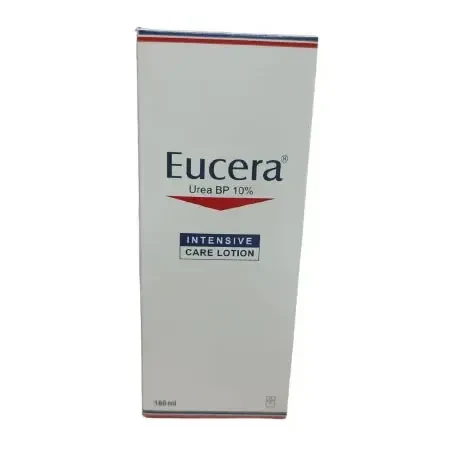
Introduction
A compound formed in the liver from ammonia produced by the deamination of amino acids. It is the principal end product of protein catabolism and constitutes about one half of the total urinary solids.
Uses
Urea is a keratolytic emollient used to treat hyperkeratotic lesions and moisturize the skin.
- 10% hydrate skin
- 15% accelerate fibrin degradation
- 20-30% are antipruritic, break down keratin, decrease the thickness of the stratum corneum and are used in scaling conditions such as ichthysosis
- 40% are proteolytic and may be used to dissolve and peel dystrophic nails
[Patient Self Care, 2010]
Associated Conditions
Pharmacodynamics
As a humectant, urea draws water into the striatum corneum.
Food Interactions
No interactions found.
Dosage
Urea 10% cream is applied topically. Wash affected areas well, rinse off all traces of soap, dry and apply sparingly twice daily. Occlusive dressings may be used, but are usually unnecessary because of the self-occlusive nature of the cream.
Use in children: Urea 10% cream can be used in all age groups.
Use in children: Urea 10% cream can be used in all age groups.