Introduction
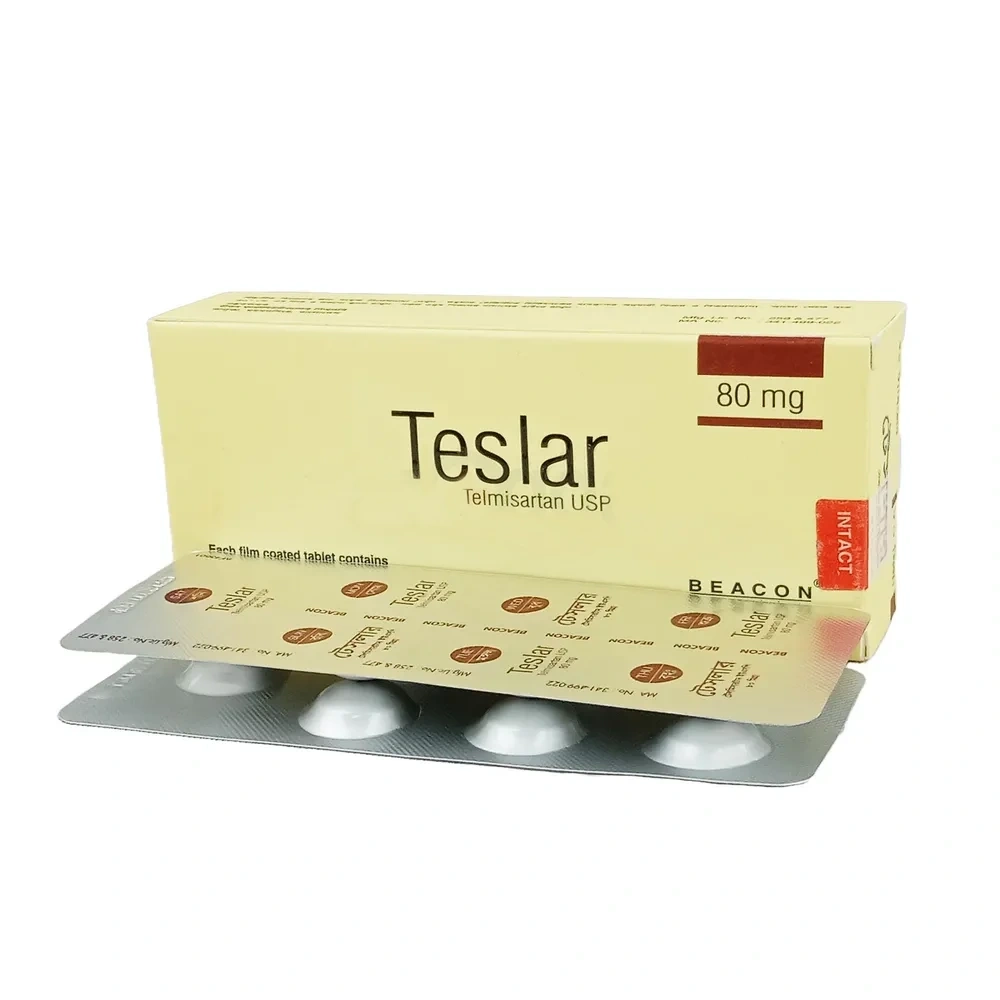
Telmisartan is an angiotensin II receptor antagonist (ARB) used in the management of hypertension. Generally, angiotensin II receptor blockers (ARBs) such as telmisartan bind to the angiotensin II type 1 (AT1) receptors with high affinity, causing inhibition of the action of angiotensin II on vascular smooth muscle, ultimately leading to a reduction in arterial blood pressure. Recent studies suggest that telmisartan may also have PPAR-gamma agonistic properties that could potentially confer beneficial metabolic effects.
Uses
Telmisartan is an ARB used to treat hypertension, diabetic nephropathy, and congestive heart failure.
Used alone or in combination with other classes of antihypertensives for the treatment of hypertension. Also used in the treatment of diabetic nephropathy in hypertensive patients with type 2 diabetes mellitus, as well as the treatment of congestive heart failure (only in patients who cannot tolerate ACE inhibitors).
Associated Conditions
Pharmacodynamics
Telmisartan is an orally active nonpeptide angiotensin II antagonist that acts on the AT1 receptor subtype. It has the highest affinity for the AT1 receptor among commercially available ARBS and has minimal affinity for the AT2 receptor. New studies suggest that telmisartan may also have PPARγ agonistic properties that could potentially confer beneficial metabolic effects, as PPARγ is a nuclear receptor that regulates specific gene transcription, and whose target genes are involved in the regulation of glucose and lipid metabolism, as well as anti-inflammatory responses. This observation is currently being explored in clinical trials. Angiotensin II is formed from angiotensin I in a reaction catalyzed by angiotensin-converting enzyme (ACE, kininase II). Angiotensin II is the principal pressor agent of the renin-angiotensin system, with effects that include vasoconstriction, stimulation of synthesis and release of aldosterone, cardiac stimulation, and renal reabsorption of sodium. Telmisartan works by blocking the vasoconstrictor and aldosterone secretory effects of angiotensin II.
Mechanism of Action
Telmisartan interferes with the binding of angiotensin II to the angiotensin II AT1-receptor by binding reversibly and selectively to the receptors in vascular smooth muscle and the adrenal gland. As angiotensin II is a vasoconstrictor, which also stimulates the synthesis and release of aldosterone, blockage of its effects results in decreases in systemic vascular resistance. Telmisartan does not inhibit the angiotensin converting enzyme, other hormone receptors, or ion channels. Studies also suggest that telmisartan is a partial agonist of PPARγ, which is an established target for antidiabetic drugs. This suggests that telmisartan can improve carbohydrate and lipid metabolism, as well as control insulin resistance without causing the side effects that are associated with full PPARγ activators.
Absorption
Absolute bioavailability depends on dosage. Food slightly decreases the bioavailability (a decrease of about 6% is seen when the 40-mg dose is administered with food).
Volume of Distribution
- 500 L
Protein Binding
Highly bound to plasma proteins (>99.5%), mainly albumin and a1-acid glycoprotein. Binding is not dose-dependent.
Route of Elimination
Following either intravenous or oral administration of 14C-labeled telmisartan, most of the administered dose (>97%) was eliminated unchanged in feces via biliary excretion; only minute amounts were found in the urine (0.91% and 0.49% of total radioactivity, respectively).
Half Life
Bi-exponential decay kinetics with a terminal elimination half-life of approximately 24 hours.
Clearance
- >800 mL/min
Toxicity
Intravenous LD50 in rats is 150-200 mg/kg in males and 200 to 250 mg/kg in females. Acute oral toxicity is low: no deaths and no changes occurred in rats or dogs at 2000 mg/kg, the highest dose tested. Limited data are available with regard to overdosage in humans. The most likely manifestations of overdosage with telmisartan would be hypotension, dizziness and tachycardia; bradycardia could occur from parasympathetic (vagal) stimulation.
Food Interactions
- Take with or without food. Bioavailability may be slightly reduced by taking telmisartan with food.
Dosage
Pediatric use: The safety and effectiveness of Telmisartan in pediatric patients have not been established.
Geriatric use: No overall differences in effectiveness and safety were observed in these patients compared to younger patients.
Hepatic impairment: Monitor carefully and up titrate slowly in patients with biliary obstructive disorders or hepatic insufficiency.