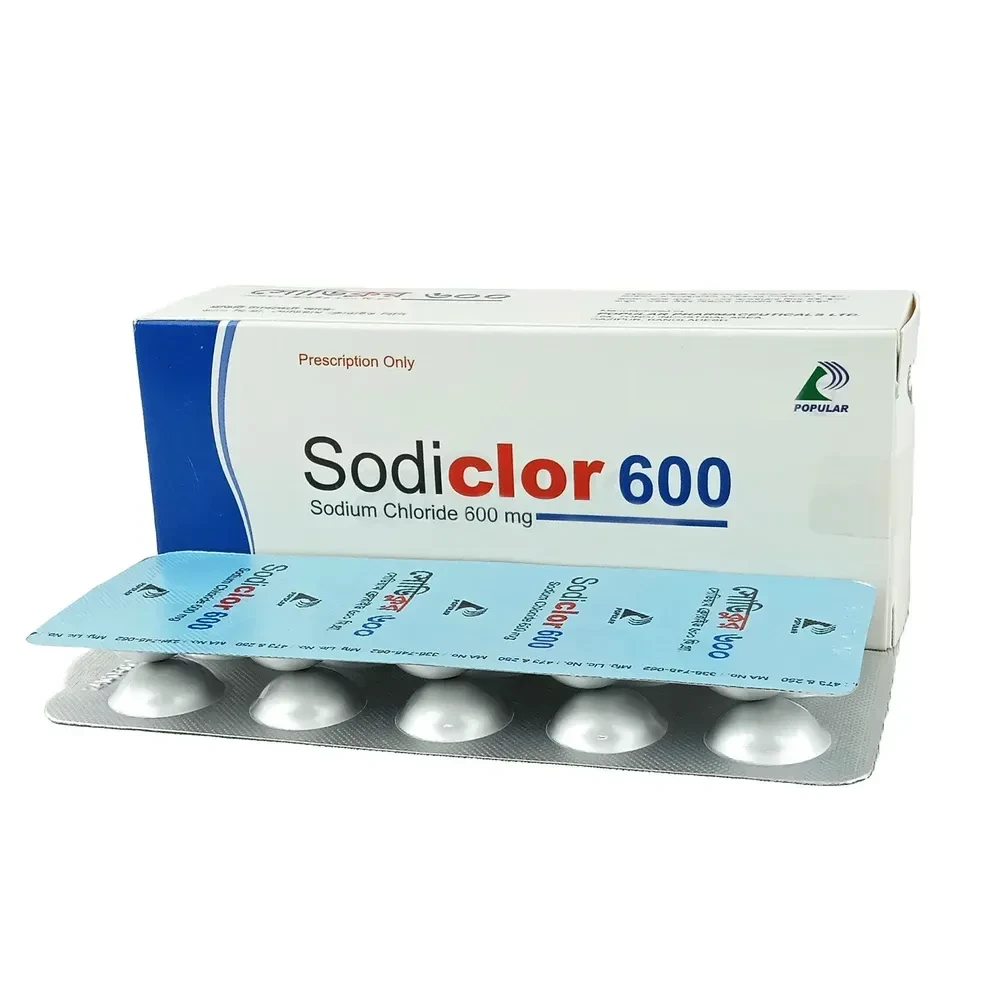
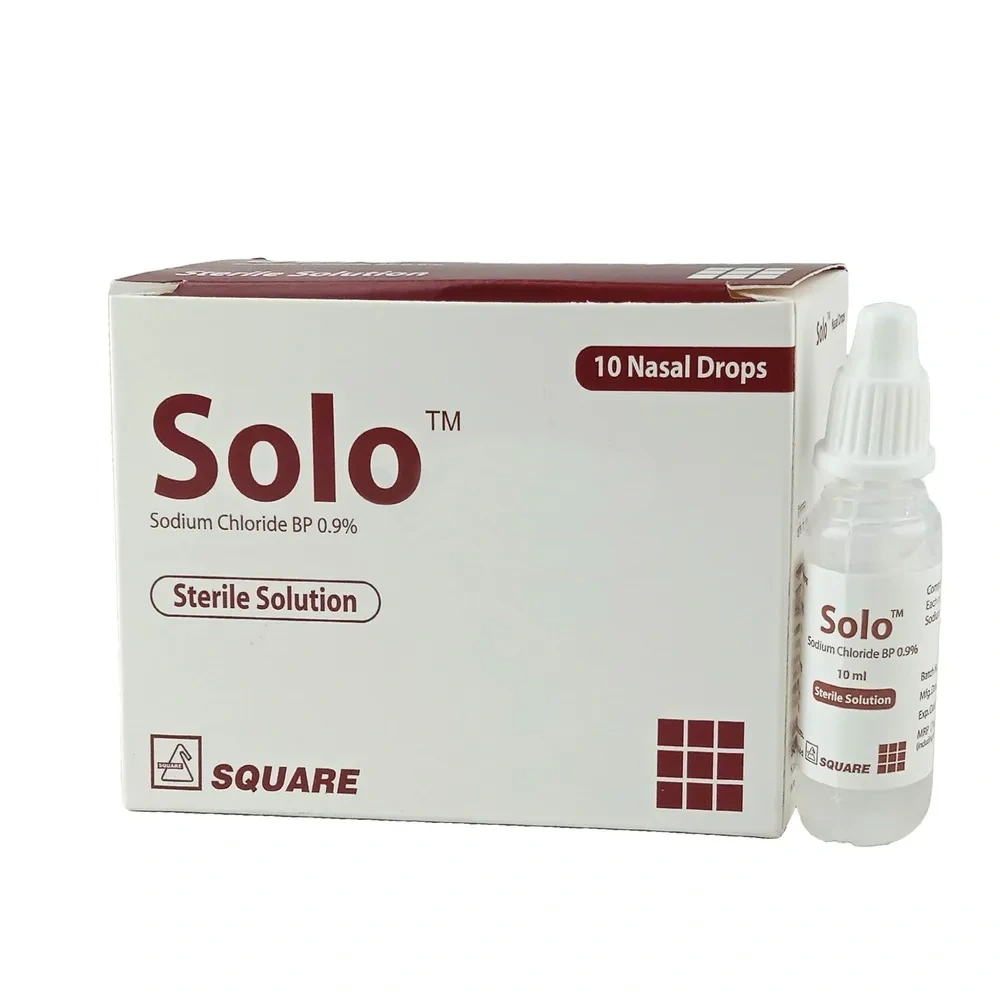
Introduction
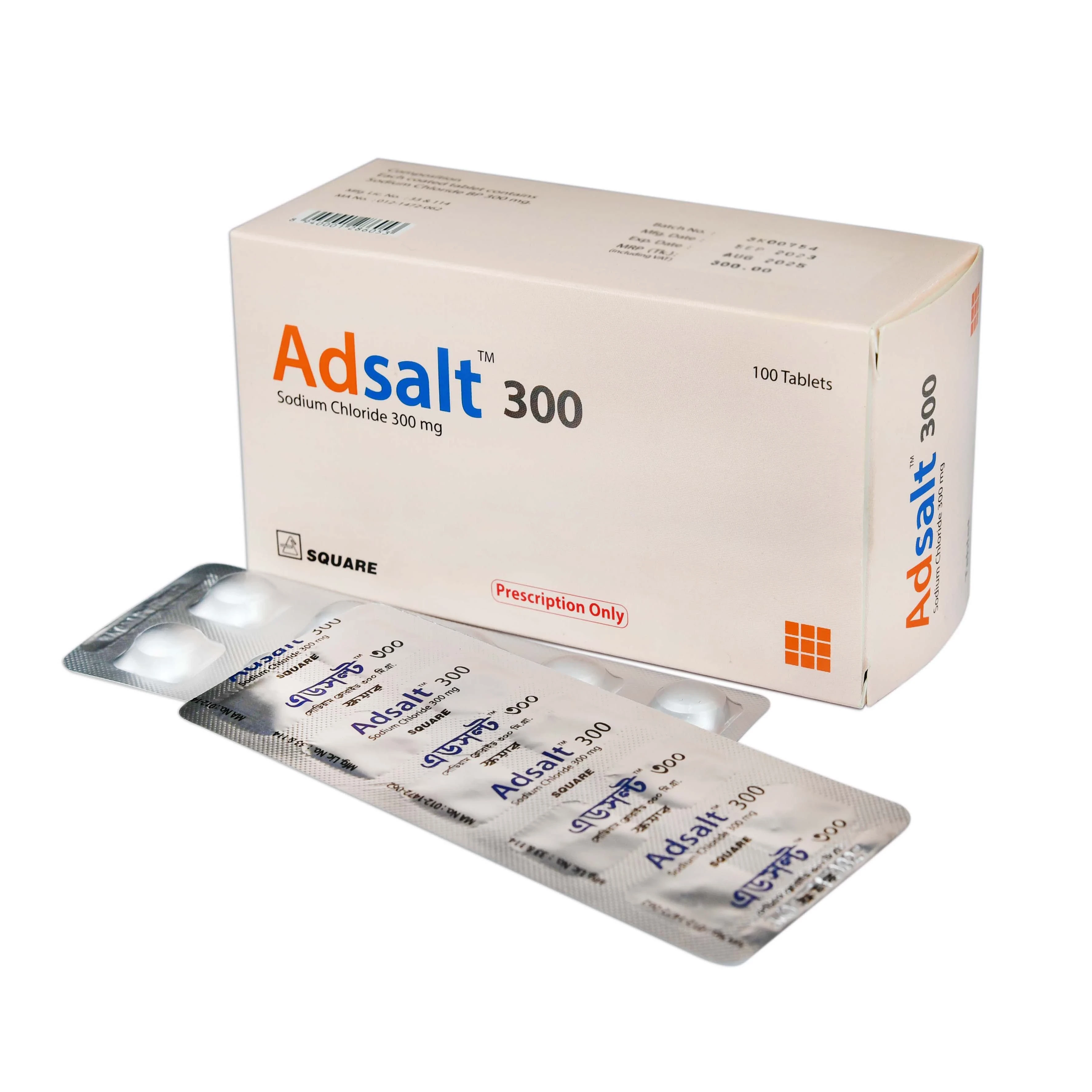
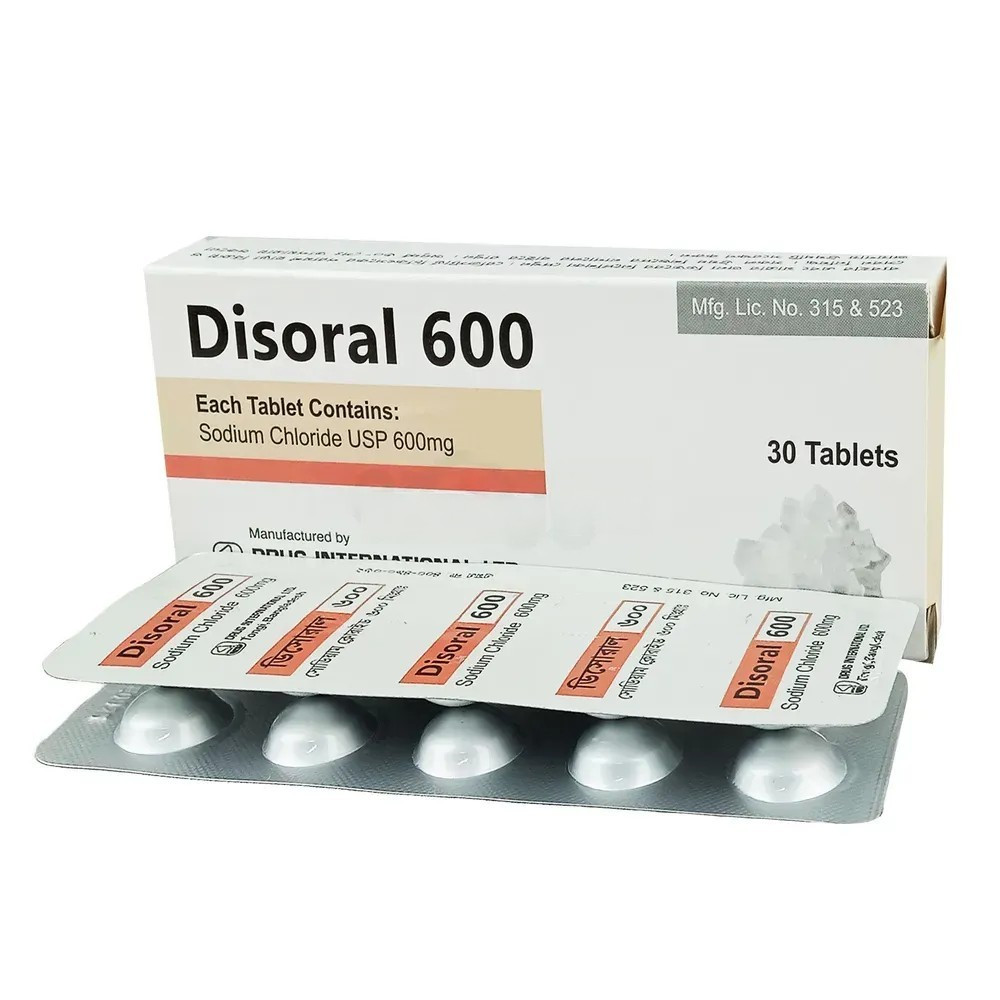
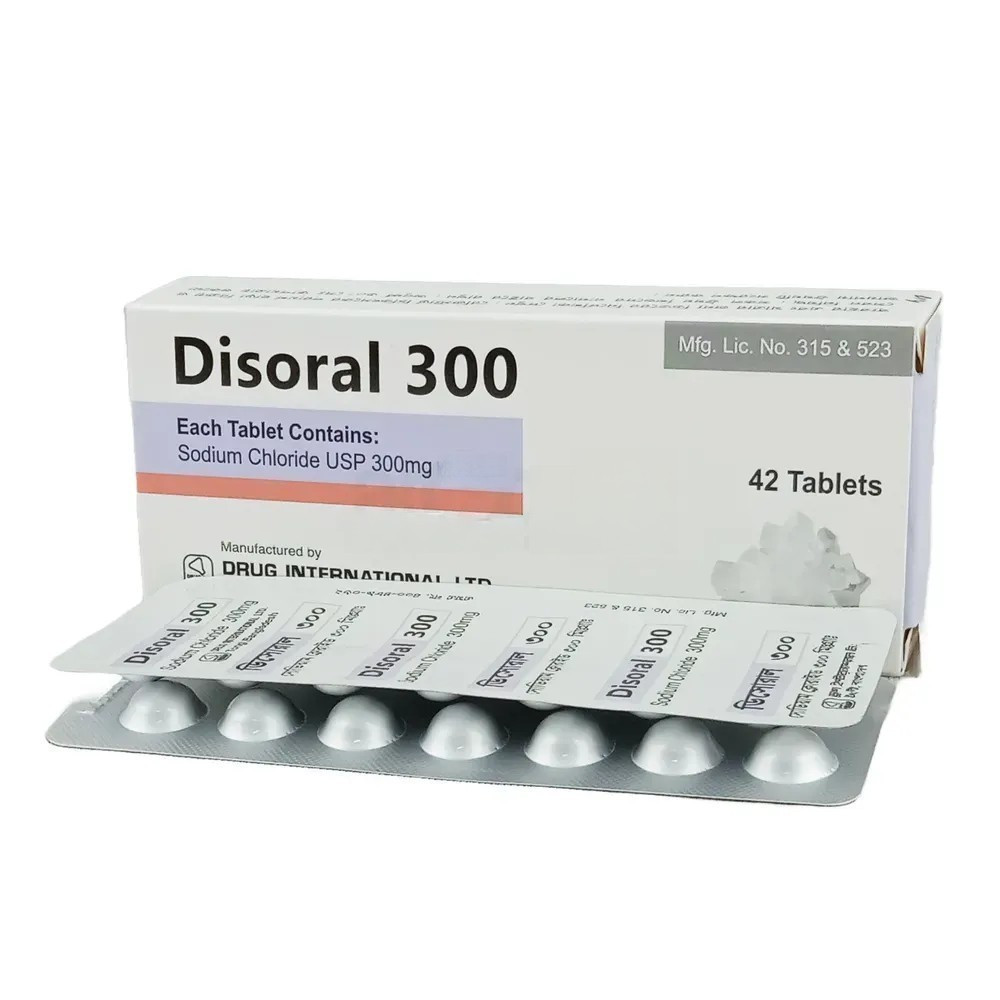
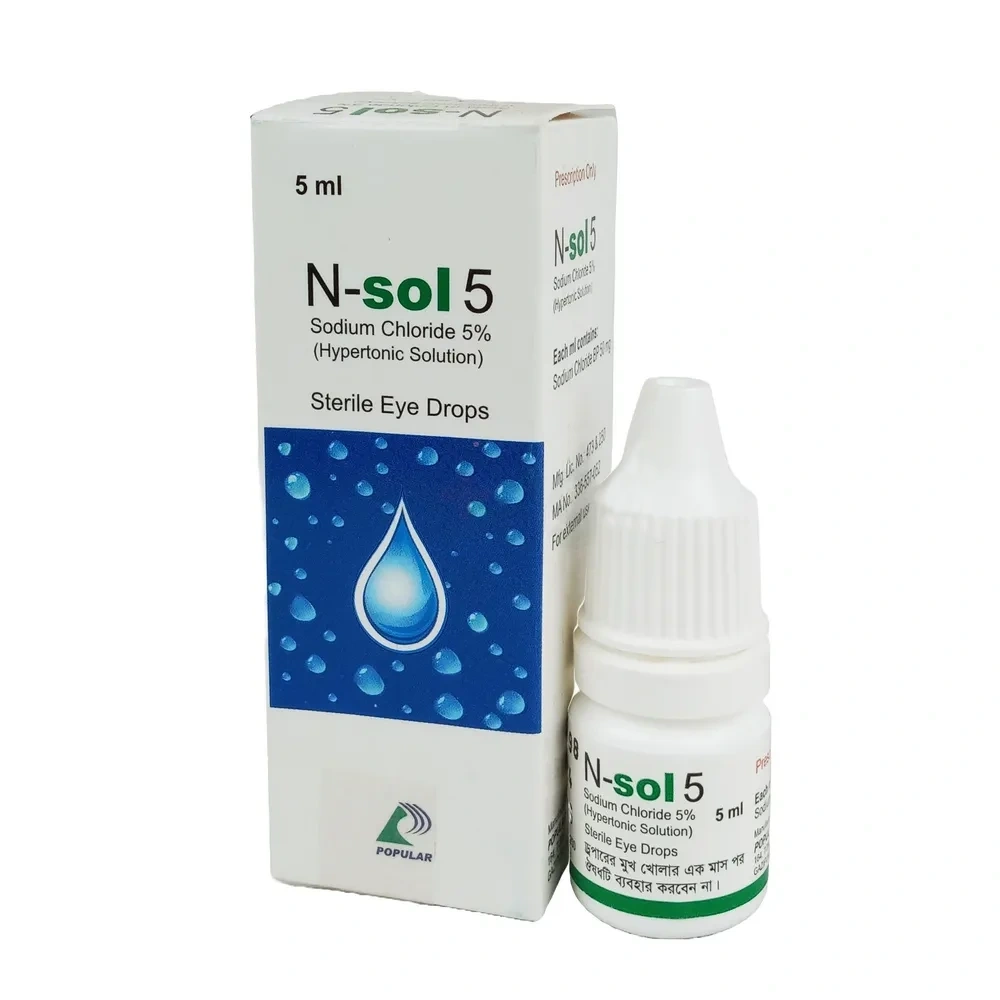
Sodium chloride, also known as salt, common salt, table salt or halite, is an ionic compound with the chemical formula NaCl, representing a 1:1 ratio of sodium and chloride ions. Sodium chloride is the primary salt in seawater and in the extracellular fluid of many multicellular organisms. It is listed on the World Health Organization Model List of Essential Medicines.
Uses
Sodium chloride is an ingredient found in a variety of nutritional products as a source of electrolytes and water.
This intravenous solution is indicated for use in adults and pediatric patients as a source of electrolytes and water for hydration. Also, designed for use as a diluent and delivery system for intermittent intravenous administration of compatible drug additives.
Associated Conditions
Pharmacodynamics
Sodium, the major cation of the extracellular fluid, functions primarily in the control of water distribution, fluid balance, and osmotic pressure of body fluids. Sodium is also associated with chloride and bicarbonate in the regulation of the acid-base equilibrium of body fluid. Chloride, the major extracellular anion, closely follows the metabolism of sodium, and changes in the acid-base balance of the body are reflected by changes in the chloride concentration.
Mechanism of Action
Sodium and chloride — major electrolytes of the fluid compartment outside of cells (i.e., extracellular) — work together to control extracellular volume and blood pressure. Disturbances in sodium concentrations in the extracellular fluid are associated with disorders of water balance.
Absorption
Absorption of sodium in the small intestine plays an important role in the absorption of chloride, amino acids, glucose, and water. Chloride, in the form of hydrochloric acid (HCl), is also an important component of gastric juice, which aids the digestion and absorption of many nutrients.
Volume of Distribution
The volume of distribution is 0.64 L/kg.
Protein Binding
Sodium is not bound by plasma proteins.
Route of Elimination
Substantially excreted by the kidneys.
Half Life
17 minutes
Toxicity
The rare inadvertent intravascular administration or rapid intravascular absorption of hypertonic sodium chloride can cause a shift of tissue fluids into the vascular bed, resulting in hypervolemia, electrolyte disturbances, circulatory failure, pulmonary embolism, or augmented hypertension.
Food Interactions
No interactions found.