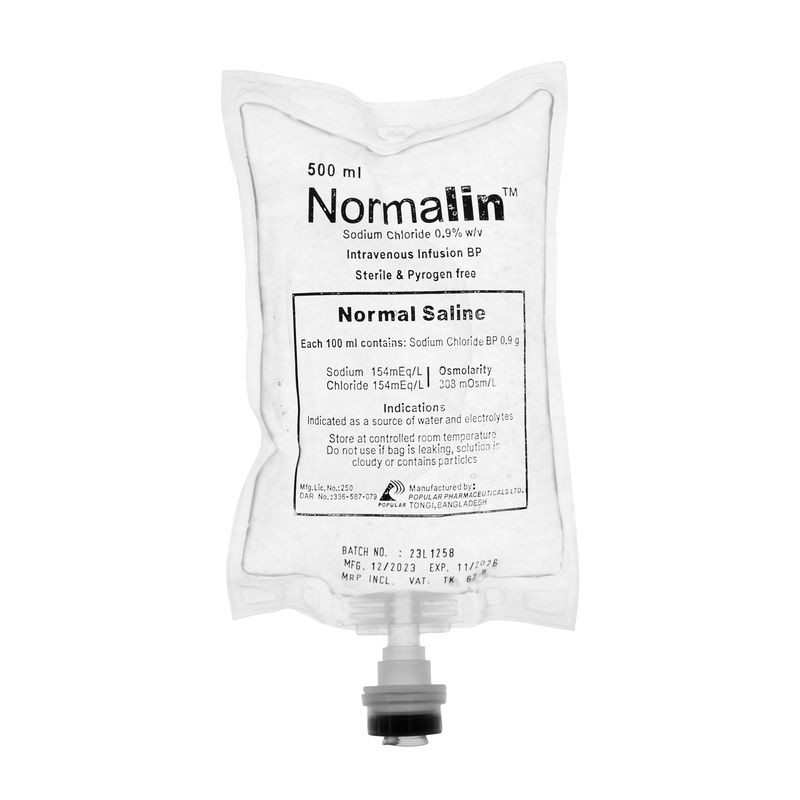
Salpac IV Infusion 0.9%, also known as table salt, is a mineral found naturally in all living organisms. It is a necessary component of life, and it is essential for human health. Sodium chloride is an essential mineral, as it is involved in the maintenance of blood pressure, nerve and muscle function, and hydration of the body.
Sodium chloride is widely used in many industries, including food production, manufacturing, and medical treatments. There are a variety of uses for sodium chloride in food production, such as a preservative, flavoring enhancer, fat emulsifier, and dough conditioner. It is also used in manufacturing to produce detergents, medicines, and textiles. In medical treatments, it is used for the treatment of specific medical conditions, such as high blood pressure, edema, and electrolyte imbalance.
| Brand Name | Salpac |
|---|---|
| Type | IV Infusion |
| Weight | 0.9% |
| Generic | Sodium Chloride |
| Manufacturer | Orion Infusion Ltd. |
| Available in | English বাংলা |
Sodium chloride works by regulating the balance of water in the body by controlling the amount of sodium and chloride in the blood. It can also act as a diuretic, which means it can increase the amount of urine the body produces. The balance of sodium and chloride in the body helps to regulate the transmission of nerve impulses, muscle contraction, and fluid balance.
The effects of sodium chloride can vary depending on a variety of factors, including the amount taken, the type of salt being used, and the individual's overall health. Typically, the effects of sodium chloride can be felt within a few minutes of taking it. However, these effects can last up to 24 hours.
Sodium chloride is easily absorbed into the body through the small intestine. It is then transported by the bloodstream to all parts of the body, where it is used for various functions. It is also easily excreted from the body in the urine.
Sodium chloride is primarily eliminated from the body in the urine. Some sodium chloride is also secreted into the gastrointestinal tract. A small amount is also lost through sweat.
The daily recommended intake of sodium chloride varies based on individual needs and specific health conditions. Generally, adults should aim for 1500 - 2300 mg of sodium chloride per day. This is equal to 1/2 - 3/4 of a teaspoon of table salt. However, it is recommended to speak with your healthcare provider for individualized advice, as the appropriate dose will vary based on individual needs.
Sodium chloride can be administered by mouth, injected directly into a vein, added to food, or added to water for oral consumption. In the case of medical treatments, sodium chloride may be administered through an intravenous (IV) line. It is important to follow the doctor/healthcare provider’s instructions carefully when administering this medication.
Common side effects of sodium chloride include nausea, diarrhea, headaches, and fatigue. Less common side effects can include muscle cramps, confusion, dizziness, and difficulty breathing. If these side effects persist or worsen, it is important to seek medical attention.
Sodium chloride is not toxic in recommended doses. However, taking too much sodium chloride can cause an electrolyte imbalance, leading to serious medical conditions such as dehydration, muscle weakness, confusion, seizures, and coma. If these signs and symptoms occur, it is important to seek prompt medical attention.
Because sodium chloride can cause electrolyte imbalances, it is important to speak with your doctor before taking it. It is also important to drink plenty of fluids while taking sodium chloride to prevent dehydration. People with kidney disease, diabetes, and certain other medical conditions may be at a higher risk of developing side effects with the use of sodium chloride. It is important to speak with your healthcare provider before taking this medication.
Certain medications, vitamins, and supplements can interact with sodium chloride. It is important to speak with your healthcare provider about all the medications, vitamins, and supplements you are taking before taking sodium chloride to ensure there are no potential interactions. These include diuretics, steroids, nonsteroidal anti-inflammatory drugs (NSAIDs), ACE inhibitors, and lithium.
Certain medical conditions can also interact with sodium chloride. It is important to speak with your healthcare provider before taking sodium chloride if you have a history of congestive heart failure, liver disease, kidney disease, or electrolyte imbalances. People with high blood pressure or edema should also speak with a healthcare provider before taking sodium chloride.
Certain drugs can interact with sodium chloride, which can lead to serious side effects. It is important to speak with your healthcare provider about any drugs you are taking before taking sodium chloride to ensure there are no potential interactions. These include diuretics, ACE inhibitors, steroids, certain antibiotics, and nonsteroidal anti-inflammatory drugs (NSAIDs).
Certain foods can interact with sodium chloride, which can lead to side effects. It is important to speak with your healthcare provider before taking sodium chloride if you are taking any foods or dietary supplements that contain a lot of salt, such as pickles, olives, and canned foods. Eating too much salt can lead to an electrolyte imbalance, which can be dangerous.
Sodium chloride is generally considered safe to use during pregnancy when taken in recommended doses. However, it is important to speak with your healthcare provider before taking this medication during pregnancy, as there may be potential risks or interactions with other medications.
Sodium chloride is considered safe for use while breastfeeding when taken as recommended. It is important to speak with your healthcare provider before taking this medication while breastfeeding, as there may be potential risks or interactions with other medications.
An acute overdose of sodium chloride can cause symptoms such as vomiting, confusion, seizures, and coma. If an overdose is suspected, it is important to seek emergency medical attention immediately.
Sodium chloride should not be used in people with kidney disease, uncontrolled high blood pressure, or severe dehydration. It should also not be used in people who are allergic to any of the ingredients in the medication. It is important to speak with your healthcare provider before taking sodium chloride to ensure it is safe for you to use.
It is important to follow your healthcare provider’s instructions when taking sodium chloride. The dosage will depend on individual needs and medical conditions, so it is important to speak with your healthcare provider for individualized advice. Sodium chloride can be taken with or without food.
Sodium chloride should be stored at room temperature, away from heat, moisture, and direct sunlight. It should be kept away from children and pets. If the medication is not to be used right away, it should be stored in an airtight container.
Sodium chloride is distributed throughout the body, and it is mostly eliminated in the urine. A small amount of sodium chloride is also lost through sweat and in the gastrointestinal tract.
The half-life of sodium chloride is short, typically less than an hour, so its effects will dissipate quickly after it is administered.
The clearance of sodium chloride from the body is rapid, as it is primarily eliminated in the urine. A small amount of the medication is also lost through sweat and in the gastrointestinal tract.
See in details version Salpac IV Infusion 0.9% also Salpac IV Infusion 0.9% in bangla