Introduction
Silodosin is a selective antagonist of alpha(α)-1 adrenergic receptors that binds to the α1A subtype with the highest affinity. α1-adrenergic receptors regulate smooth muscle tone in the bladder neck, prostate, and prostatic urethra: the α1A subtype accounts for approximately 75% of α1-adrenoceptors in the prostate.
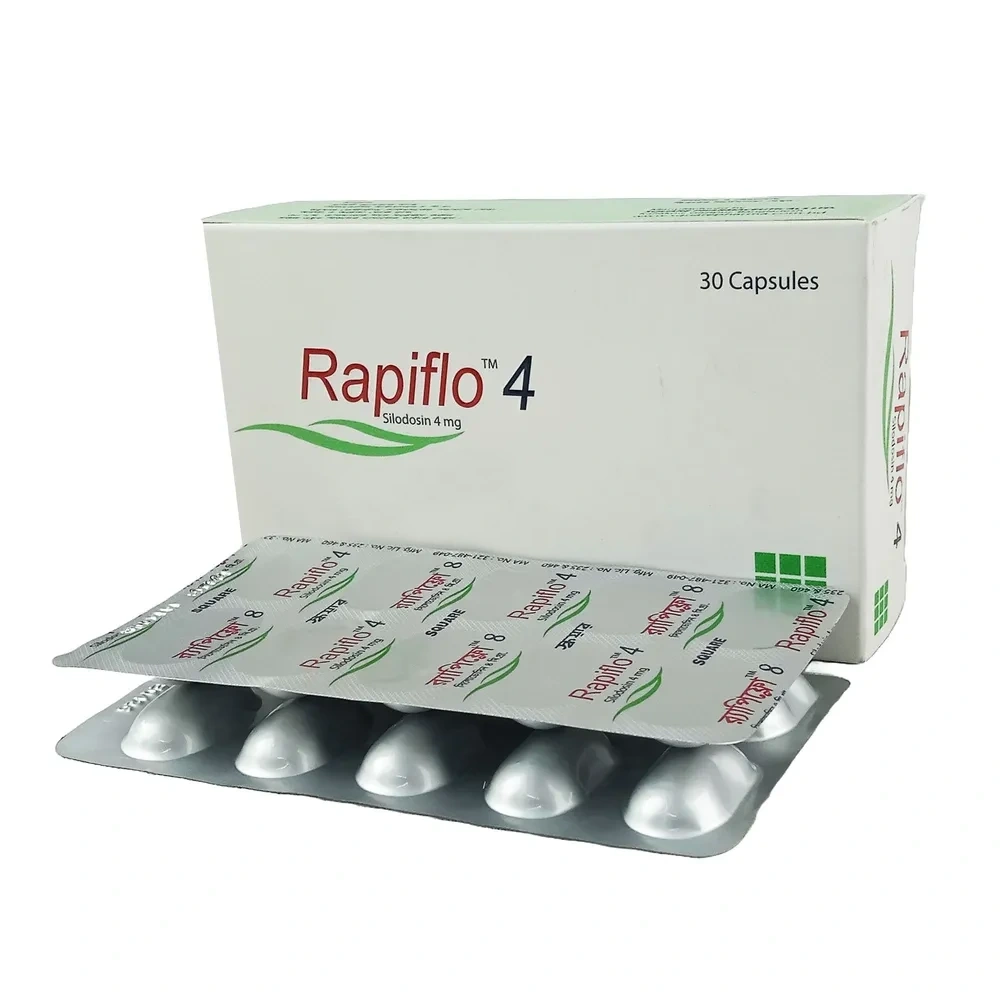
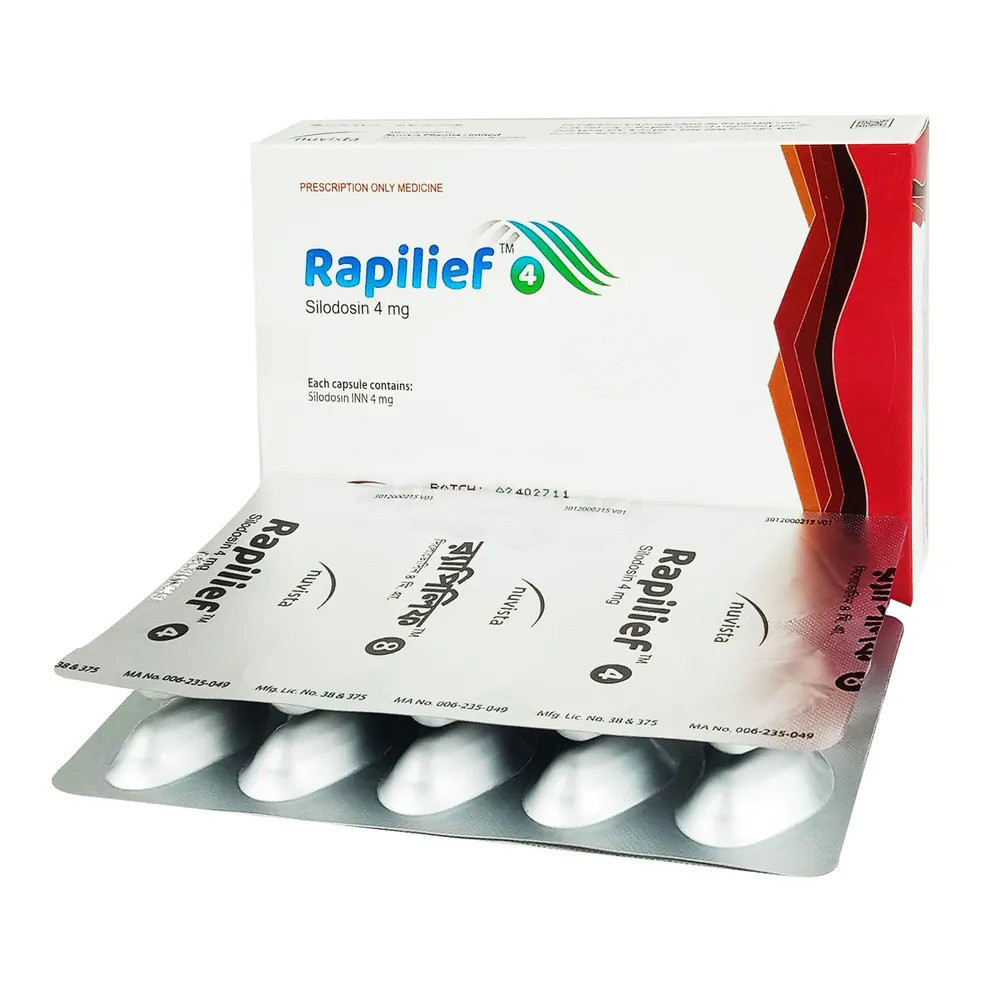
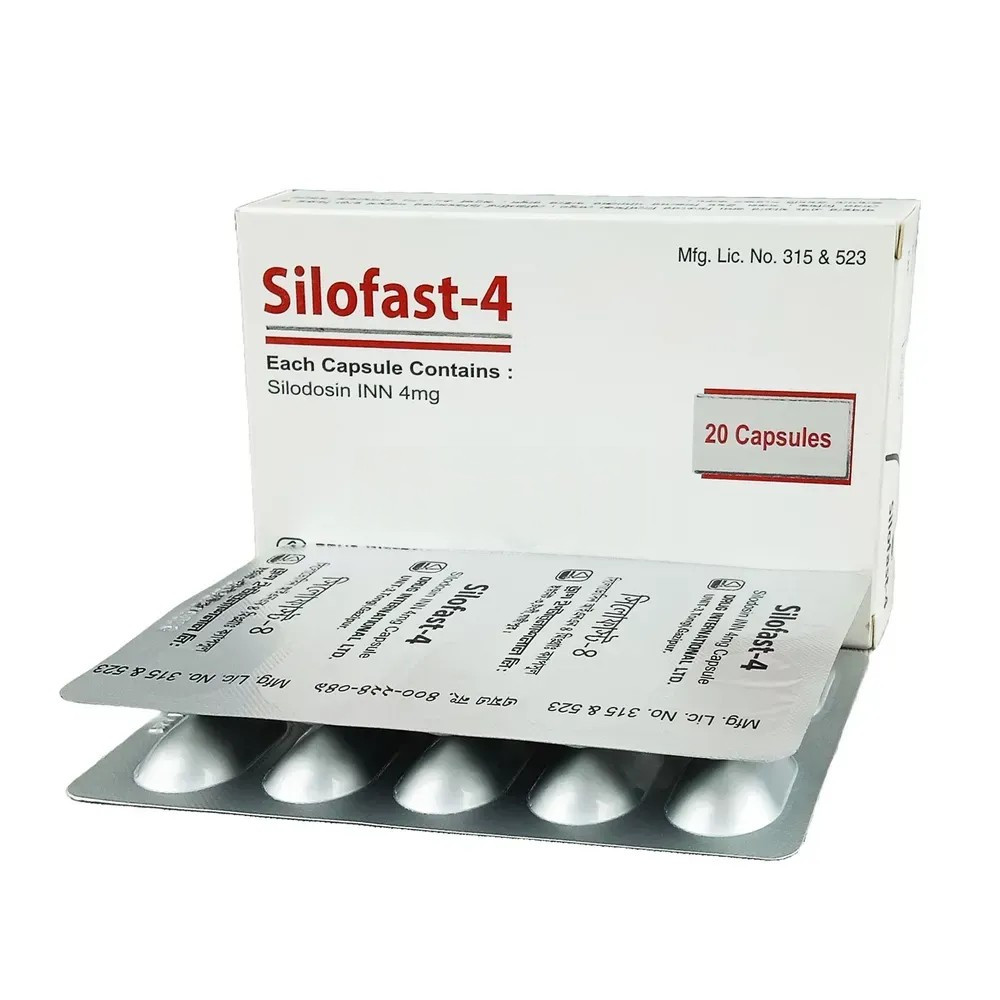
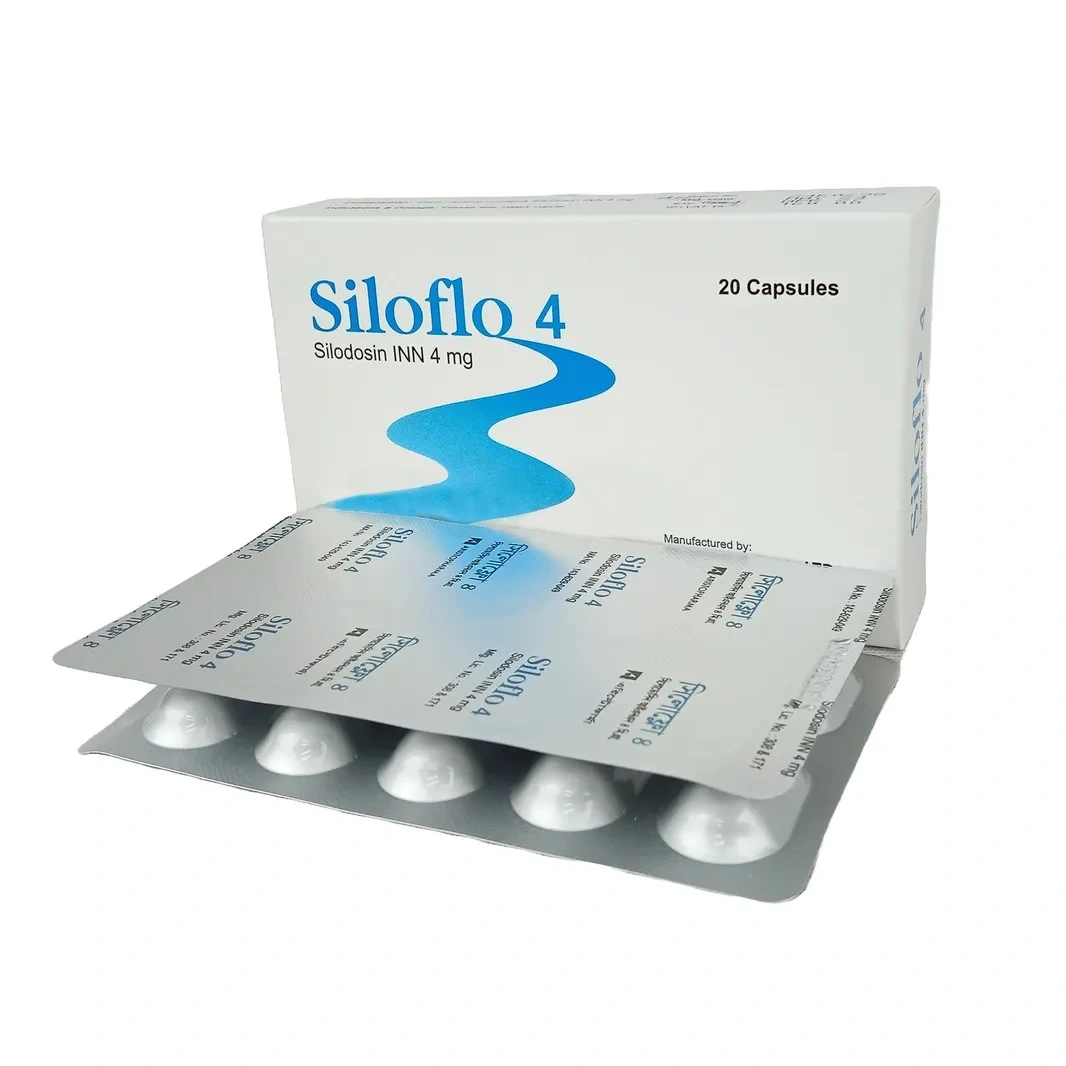
Silodosin is available as oral capsules with common trade names Rapaflo and Urorec. It is indicated for the symptomatic treatment of benign prostatic hyperplasia in adults. Most commonly affecting males over the age of 40 years, benign prostatic hyperplasia is the non-malignant enlargement of the prostate gland, associated with lower urinary tract symptoms that have a negative impact on the quality of life of patients. Silodosin works by binding to α1A-adrenoceptors with high affinity and relaxing the lower urinary tract, thereby improving urinary symptoms and alleviating bladder outlet obstruction.
Uses
Silodosin is an alpha-1 adrenergic receptor antagonist used to treat symptoms associated with benign prostatic hyperplasia (BPH).
Silodosin is indicated for the treatment of the signs and symptoms of benign prostatic hyperplasia (BPH). It is not indicated for the treatment of hypertension.
Associated Conditions
Pharmacodynamics
Silodosin is an antagonist of α1-adrenoceptors. It has the highest selectivity for the α1A-adrenoceptor subtype, with a 162-fold greater affinity than α1B-adrenoceptor and about a 50-fold greater affinity than for α1D-adrenoceptor. In clinical trials, silodosin improved maximum urinary flow rate, voiding symptoms, and storage symptoms of benign prostatic hyperplasia. Following oral administration, silodosin had a rapid onset of effect in men, with early effects of relieving lower urinary tract symptoms occurring within two to six hours post-dose.
Silodosin inhibited the human ether-a-go-go-related gene (HERG) tail current; however, it has weak cardiovascular effects. As with all α1-adrenoceptor antagonists blocking α1-adrenoceptors in the iris dilator muscle, silodosin may cause intraoperative floppy iris syndrome (IFIS), which is characterized by small pupils and iris billowing during cataract surgery in patients taking α1-AR antagonists.
Mechanism of Action
The pathogenesis of benign prostatic hyperplasia is not fully understood: it is believed to involve several pathways, including inflammation, apoptosis, and cellular proliferation. Most drug therapies aim to alleviate symptoms of benign prostatic hyperplasia, silodosin included. Lower urinary tract symptoms of benign prostatic hyperplasia are categorized into three main groups: voiding or obstructive (hesitancy, slow stream, intermittency, incomplete emptying), storage or irritative (frequency, urgency, nocturia, urge urinary incontinence), and postmicturition (postvoid dribbling). Prostate contraction is the main contributor to lower urinary tract symptoms of benign prostatic hyperplasia. The smooth muscle tone of the prostate is regulated by α1A-adrenoceptors, which are the most highly expressed subtype of α1adrenoceptors in the human prostate tissue. It has been reported that blockade of α1A-adrenoceptors relieves bladder outlet obstruction. Blockade of α1D-adrenoceptors, another subtype found in prostate tissue, is believed to alleviate storage symptoms due to detrusor overactivity.
α1-adrenoceptors are G protein-coupled receptors: upon binding of its natural ligand, norepinephrine and epinephrine, leads to the activation of phospholipase C and downstream signalling molecules, including inositol triphosphate and diacylglycerol. Ultimately, there is an increase in intracellular calcium levels and, consequently, smooth muscle contraction. Silodosin is an antagonist of α1-adrenoceptors, with the highest selectivity for the α1A-adrenoceptor subtype. By blocking the α1A-adrenoceptor signalling pathway, silodosin promotes prostatic and urethral smooth muscle relaxation, thereby improving lower urinary tract symptoms such as voiding. Silodosin also targets afferent nerves in the bladder, relieving bladder overactivity and storage symptoms.
Absorption
The absolute bioavailability is approximately 32%. Following oral administration of silodosin 8 mg once daily in healthy male subjects, Cmax was 61.6 ± 27.54 ng/mL and AUC was 373.4 ± 164.94 ng x hr/mL. The Tmax was 2.6 ± 0.90 hours. Silodosin glucuronide or KMD-3213G, the main metabolite of silodosin, has an AUC three- or four fold higher than for the parent compound.
A moderate fat or calorie meal reduces Cmax by 18% to 43% and AUC by 4% to 49%, as well as Tmax by about one hour. However, the US prescribing information recommends drug intake with meals to avoid the potential adverse effects associated with high plasma drug concentrations.
Volume of Distribution
Silodosin has an apparent volume of distribution of 49.5 L.
Protein Binding
Silodosin is approximately 97% protein bound.
Route of Elimination
At 10 days following oral administration of radiolabelled silodosin, about 33.5% of the dose was recovered in urine and 54.9% was recovered in feces.
Half Life
The elimination half-life of silodosin is 13.3 ± 8.07 hours. KMD-3213G, the main metabolite of silodosin, has an extended half-life of approximately 24 hours.
Clearance
After intravenous administration, the plasma clearance of silodosin was approximately 10 L/hour.
Toxicity
Oral LD50 is 800 mg/kg in rats.
In clinical trials, postural hypotension was the most common dose-limiting adverse event. In case of drug overdose leading to hypotension, the patient should be placed in a supine position to restore blood pressure and normalize heart rate. Further measures, such as administration of intravenous fluids, may be initiated. In case of the use of vasopressors, renal function should be monitored and supported as needed. Since silodosin is highly bound to plasma proteins, dialysis is unlikely to be beneficial.
Food Interactions
- Take with food. A moderate fat or calorie meal decreases drug exposure as well as the risk of adverse effects.