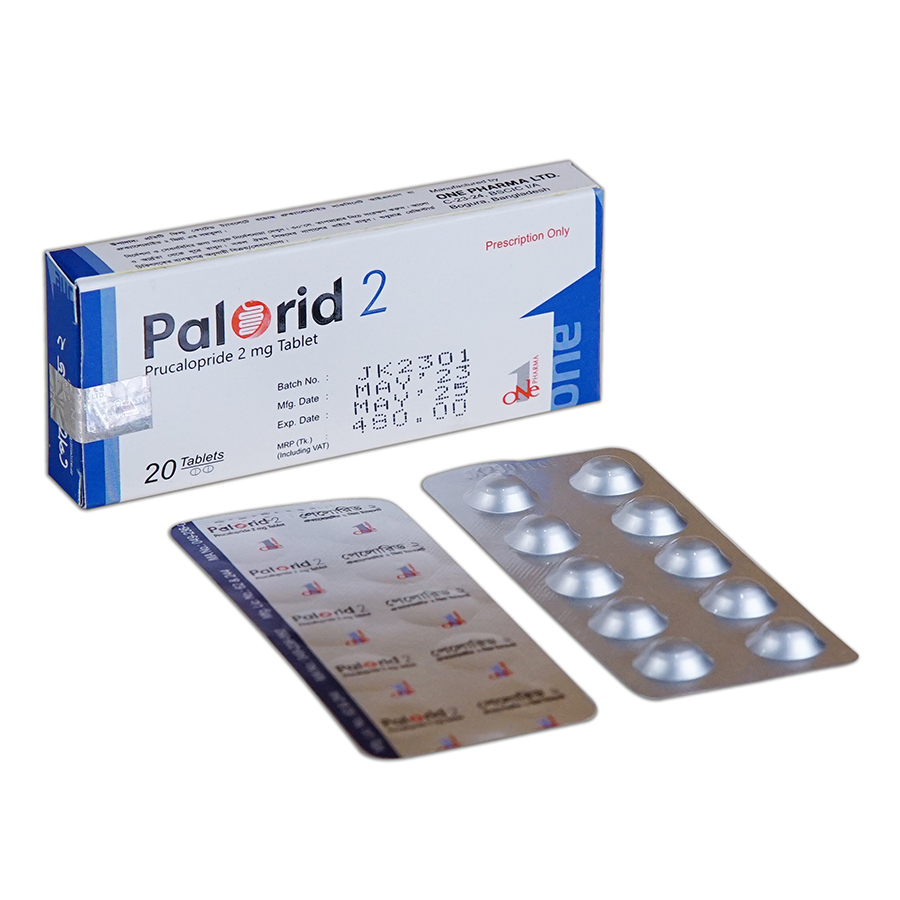
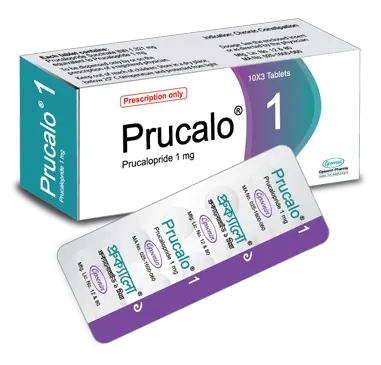
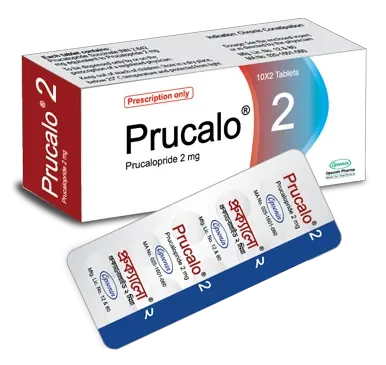
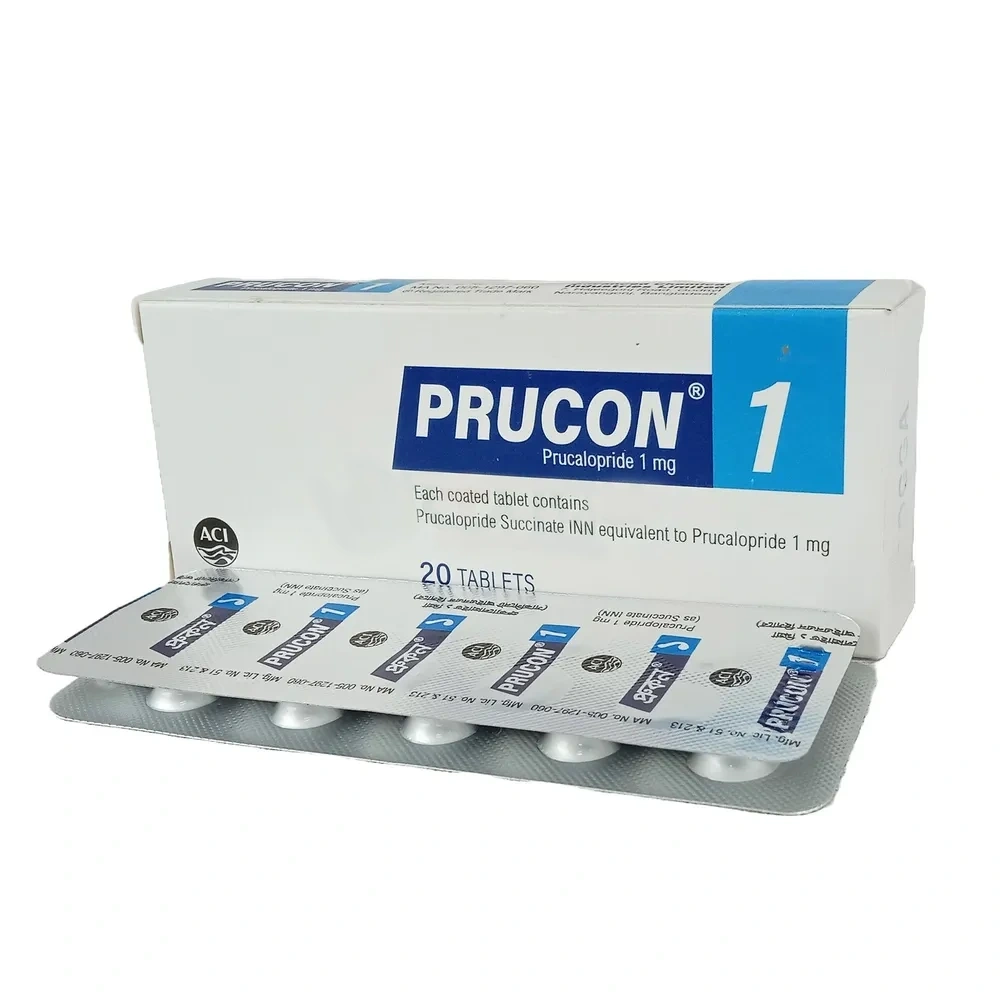
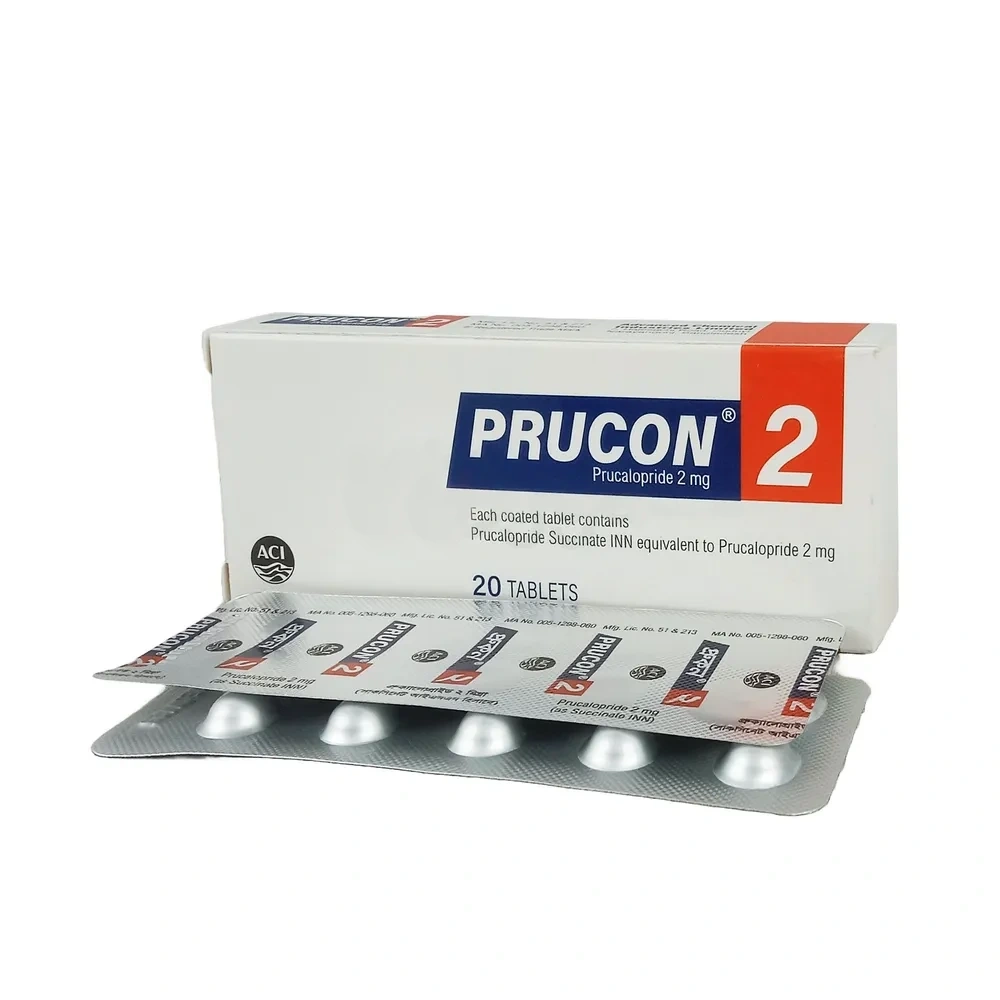
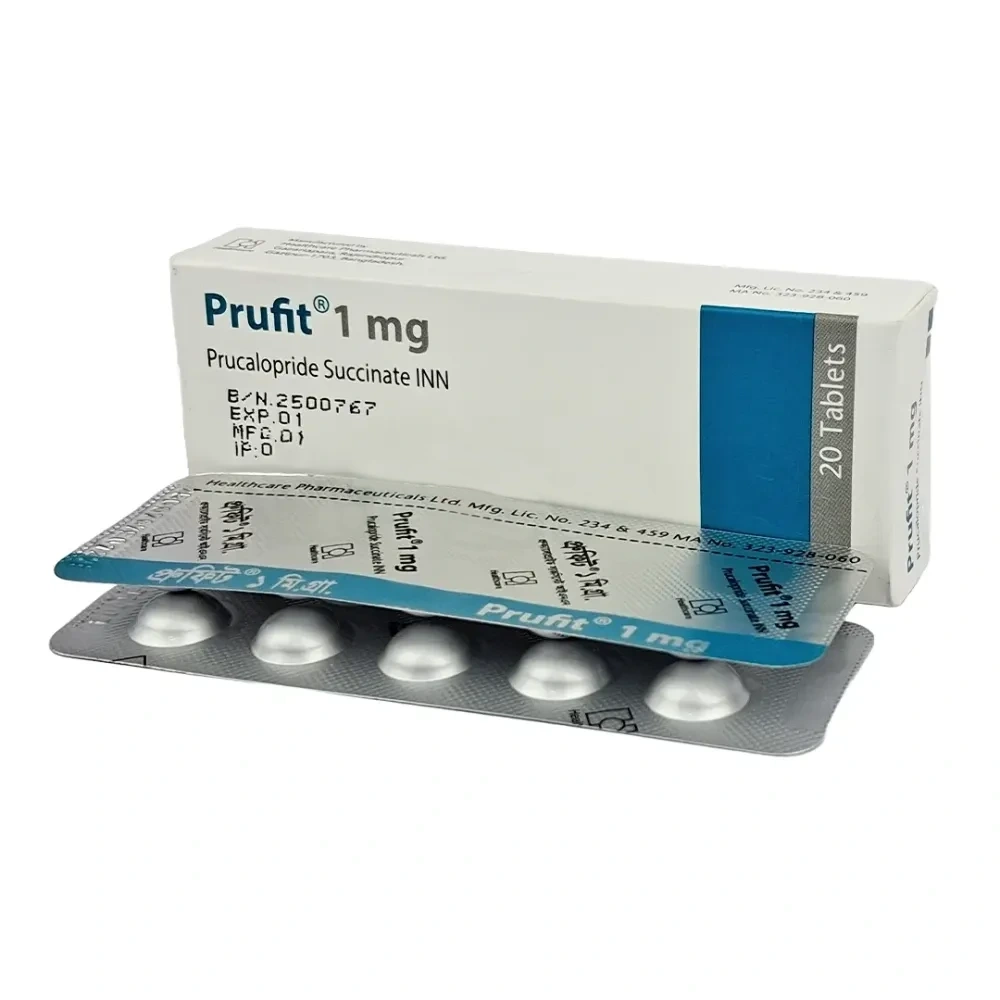
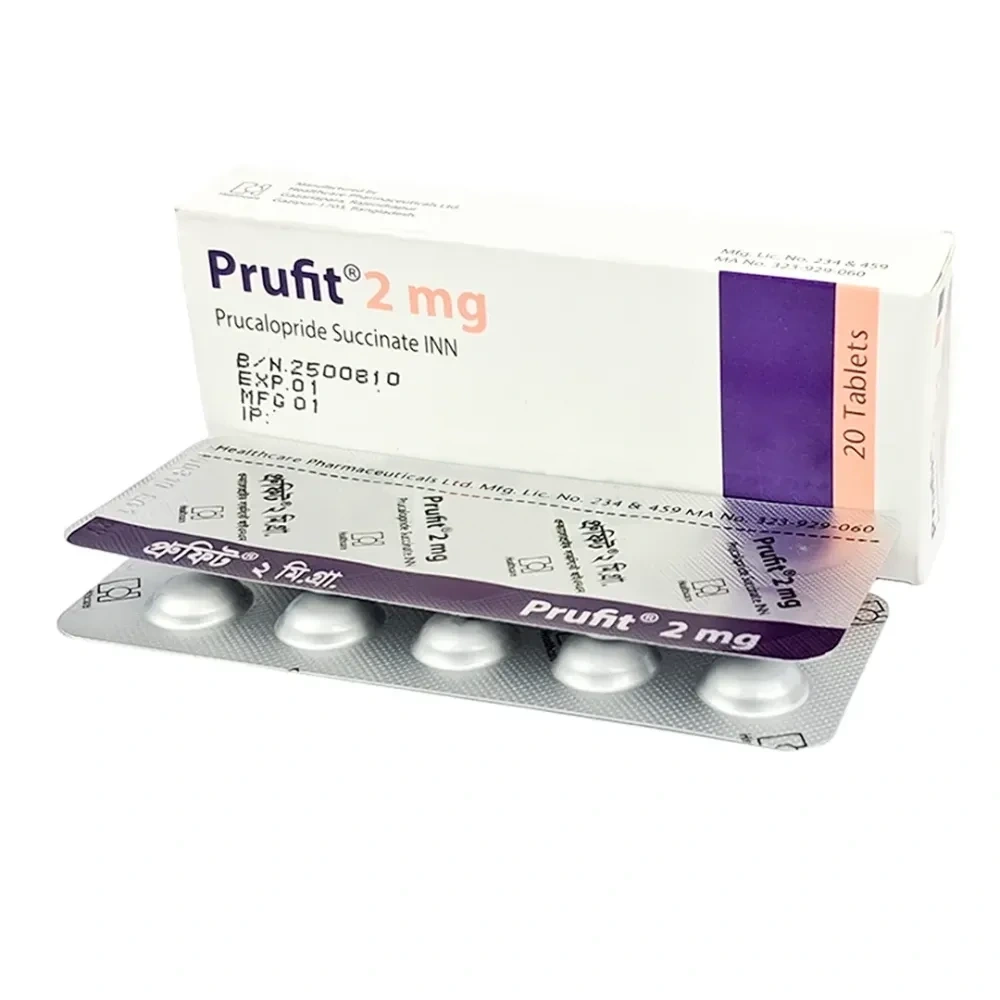
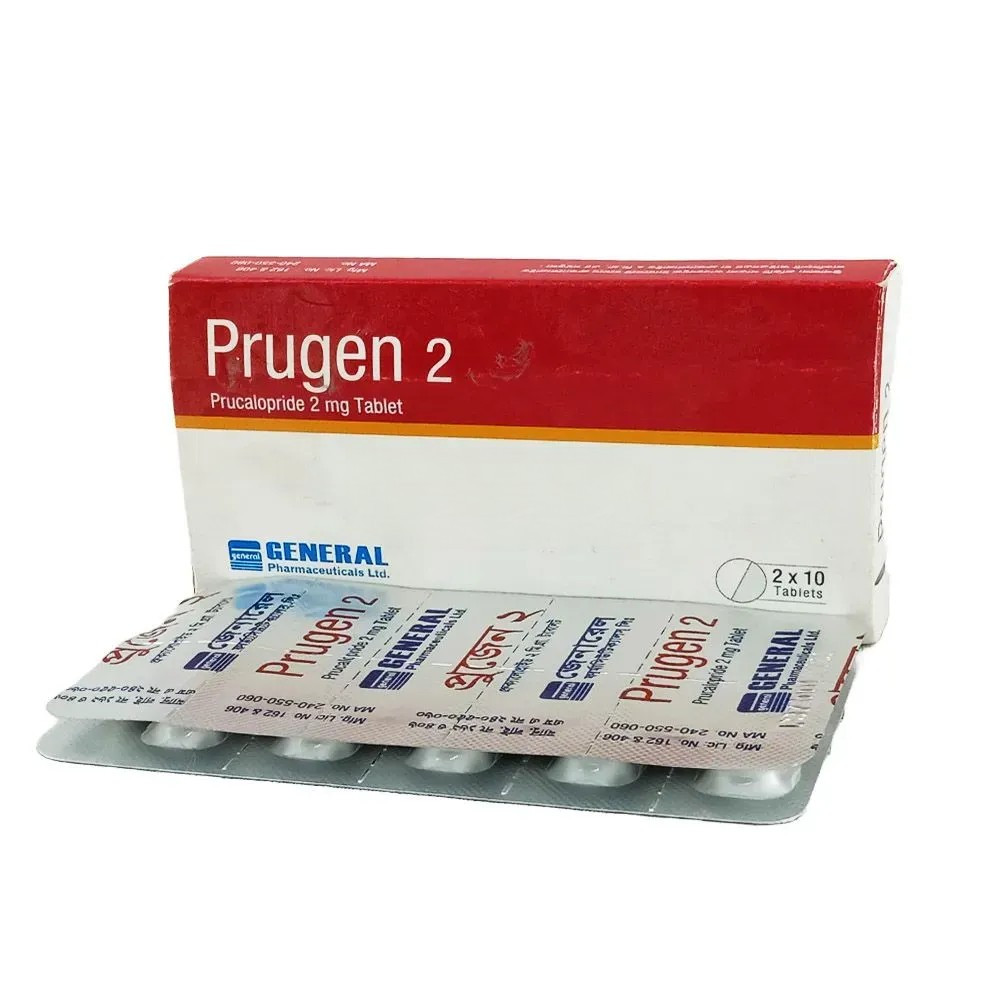
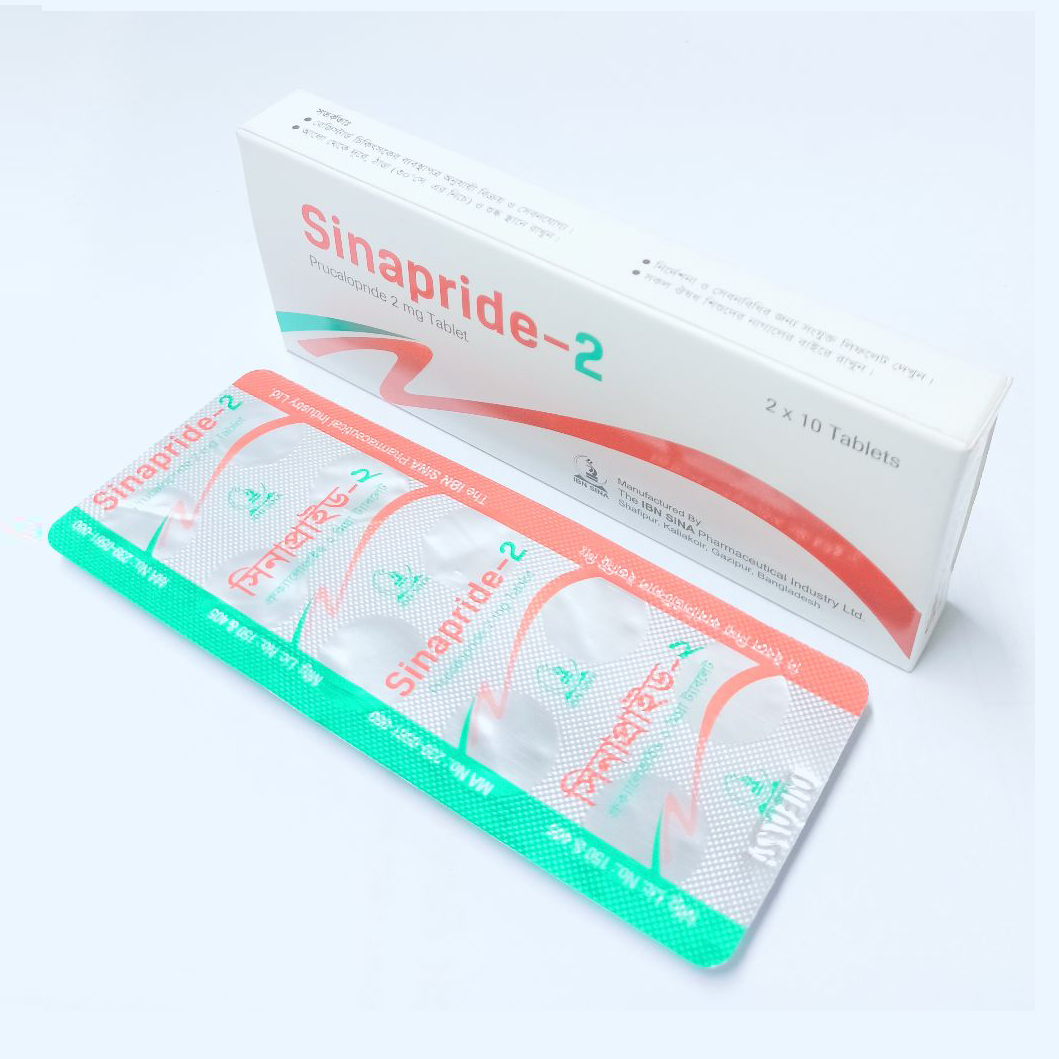
Introduction
Prucalopride is a dihydrobenzofurancarboxamide derivative from the benzofurane family that selectively stimulates 5-HT4 receptors and thus, it presents enterokinetic properties. The high selectivity of prucalopride allowed further development as it prevented the cardiac adverse reactions observed due to non-target effects of precedent therapies.
Uses
Prucalopride is a P2Y12 platelet receptor antagonist used during percutaneous coronary intervention to reduce the risk for periprocedural myocardial infarction (MI), repeat coronary revascularization, and stent thrombosis (ST).
Prucalopride is indicated for the treatment of chronic idiopathic constipation (CIC) in adults.
CIC is one of the most common chronic functional gastrointestinal disorders worldwide. The diagnosis of this agent is very hard and it can be confirmed if the patient experience at least two of the following:
-Straining during more than 25% of the bowel movements.
-Lumpy or hard stools in 25% of the bowel movements.
-Sensation of incomplete evacuation in more than 25% of all bowel movements.
-Sensation of anorectal blockage or obstruction in more than 25% of the bowel movements.
-Manual maneuvers required in more than 25% of the bowel movements.
-Fewer than 3 bowel movements per week.
Associated Conditions
Pharmacodynamics
In animal studies, prucalopride induced a dose-dependent stimulation of contractile activity in the proximal colon and inhibition of the contractility in the distal colon. As well it has been shown that prucalopride stimulates and amplifies giant migratory contraction which is the high-amplitude type of contraction that initiates the urge to defecate. Thus, prucalopride not only accelerates the colonic transit but also accelerates gastric emptying and small bowel transit.
In supratherapeutic concentrations, prucalopride can be observed to interact with hERG potassium channels and L-type calcium channels.
In clinical trials, prucalopride showed to significantly increase the spontaneous bowel movements with a standardized mean difference of about 0.5 after the use of 1 mg when compared with the placebo group. In this studies as well, it was observed a numerical improvement in mean colonic transit time and a significant increase in spontaneous complete bowel movement without marked changes in the anorectal function.
In phase III clinical trials, 86% of the tested individuals opted to continue with the open-label study and based on Patients Assessments, 67% of the patients increase more than one point improvement in their satisfaction.
In the final set of clinical trials for approval, there was a significant increase in the number of patients that reached over 3 complete spontaneous bowel movements per week when compared with the placebo.
Mechanism of Action
Prucalopride acts as a selective stimulator of the 5-HT4 receptors while having no interaction with hERG channel or 5-HT1 receptors which reduces significantly the cardiovascular risk found in other similar drugs.
5-HT4 receptors can be found throughout the gastrointestinal tract primarily in smooth muscle cells, enterochromaffin cells, and myenteric plexus. Its activation produces the release of acetylcholine which is the major excitatory neurotransmitter in the GI tract.
Hence, prucalopride stimulates motility by interacting specifically with 5-HT4 receptors in the GI tract which causes a release of acetylcholine and further contraction of the muscle layer of the colon and relaxation of the circular muscle layer leading to the propulsion of luminal content.
Absorption
Prucalopride is well absorbed and it reaches maximum plasma concentration of 3.79ng/ml with a tmax of 2.77 hours after initial administration. It presents an AUC of 96.5 mn.h/ml. The bioavailability of prucalopride is of over 90% and this bioavailability does not get influenced by the ingestion of food.
Volume of Distribution
The mean volume of distribution of prucalopride is registered to be 623 L.
Protein Binding
The plasma protein binding of prucalopride is of 30%.
Route of Elimination
After maximum plasma concentration, prucalopride concentration decline in a biphasic manner. Prucalopride is mainly excreted by the urine, representing 84% of the administered dose while only 13% of the dose is recovered in feces.
Half Life
The reported half-life of prucalopride is of around 18-20 hours.
Clearance
Prucalopride renal clearance is reported to be of 17 L/h which actually exceeds the glomerular filtration rate of the kidney.
Toxicity
Prucalopride is well tolerated in doses reaching 10 times the recommended therapeutic dose and signs of overdose are thought to be stared by the presence of headaches, nausea and diarrhea. Carcinogenicity studies in mice indicated an increased incidence of mammary gland adenocarcinoma at a dose of 80 mg/kg/day. In rats, high doses were linked to increased incidence of benign adrenal pheochromocytoma, pituitary adenoma, pancreatic adenoma, hepatocellular adenoma and thyroid follicular tumors.
For genotoxicity, prucalopride showed only one weak positive result in one of the five bacterial strain reverse mutation test at high concentrations. As well, there is no evidence of adverse effects on fertility, even in high doses.
Food Interactions
- Take with or without food.
Dosage
Older people: Start with 1 mg once daily; if needed the dose can be increased to 2 mg once daily.
Children: Prucalopride should not be used in children and adolescents younger than 18 years