Introduction
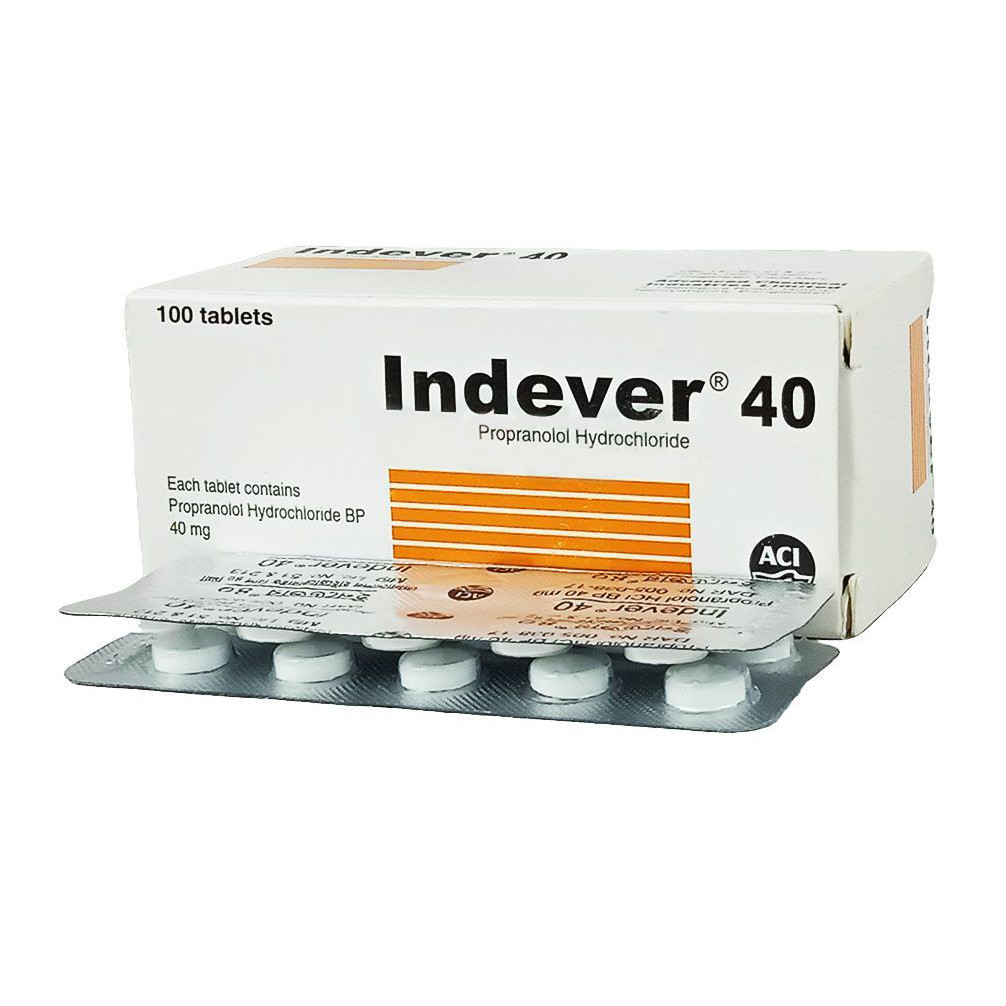
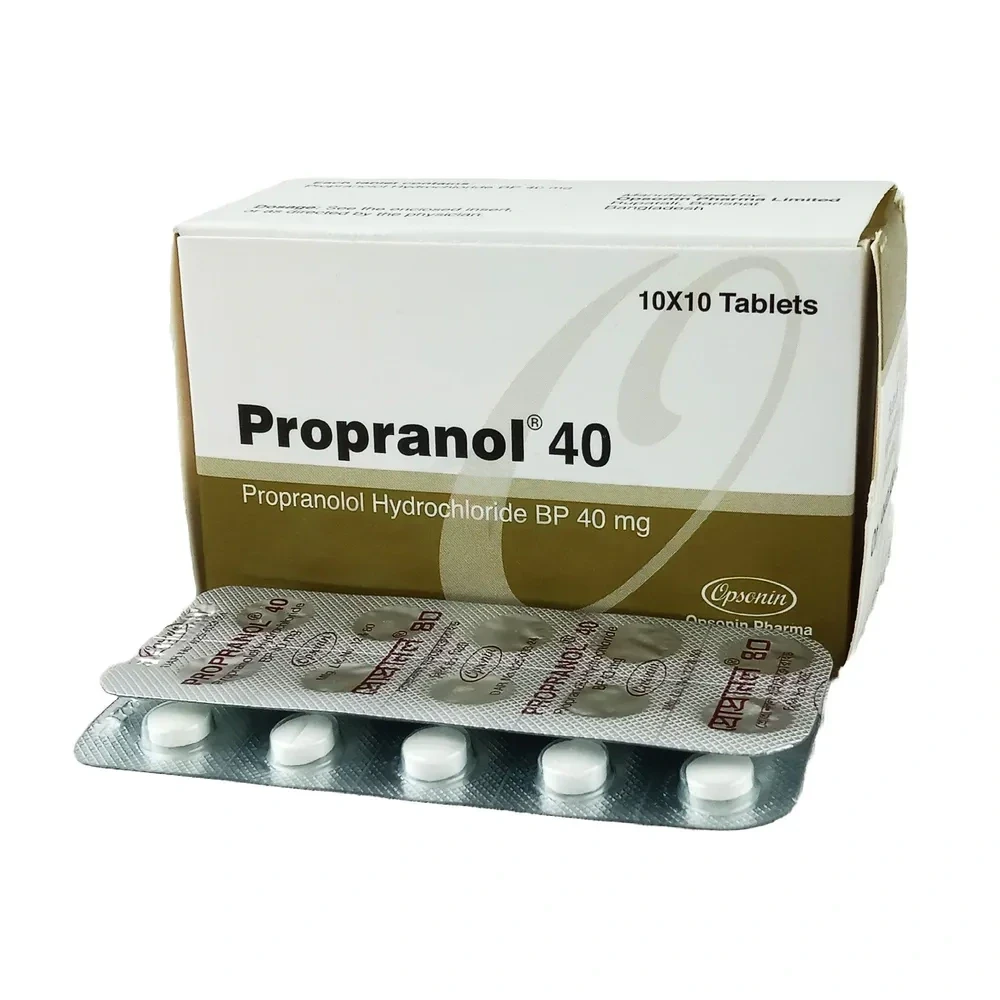
Propranolol is a racemic mixture of 2 enantiomers where the S(-)-enantiomer has approximately 100 times the binding affinity for beta adrenergic receptors. Propranolol is used to treat a number of conditions but most commonly is used for hypertension.
Uses
Propranolol is a non-selective beta adrenergic antagonist used to treat hypertension, angina, atrial fibrillation, myocardial infarction, migraine, essential tremor, hypertrophic subaortic stenosis, and pheochromocytoma.
Propranolol is indicated to treat hypertension. Propranolol is also indicated to treat angina pectoris due to coronary atherosclerosis, atrial fibrillation, myocardial infarction, migraine, essential tremor, hypertrophic subaortic stenosis, pheochromocytoma, and proliferating infantile hemangioma.
Associated Conditions
Pharmacodynamics
Propranolol is a beta-adrenergic receptor antagonist used to treat hypertension. Propranolol has a long duration of action as it is given once or twice daily depending on the indication. When patients abruptly stop taking propranolol, they may experience exacerbations of angina and myocardial infarctions.
Mechanism of Action
Propranolol is a nonselective β-adrenergic receptor antagonist. Blocking of these receptors leads to vasoconstriction, inhibition of angiogenic factors like vascular endothelial growth factor (VEGF) and basic growth factor of fibroblasts (bFGF), induction of apoptosis of endothelial cells, as well as down regulation of the renin-angiotensin-aldosterone system.
Absorption
Patients taking doses of 40mg, 80mg, 160mg, and 320mg daily experienced Cmax values of 18±15ng/mL, 52±51ng/mL, 121±98ng/mL, and 245±110ng/mL respectively. Propranolol has a Tmax of approximately 2 hours, though this can range from 1 to 4 hours in fasting patients. Taking propranolol with food does not increase Tmax but does increase bioavailability.
Volume of Distribution
The volume of distribution of propranolol is approximately 4L/kg or 320L.
Protein Binding
Approximately 90% of propranolol is protein bound in plasma. Other studies have reported ranges of 85-96%.
Route of Elimination
91% of an oral dose of propranolol is recovered as 12 metabolites in the urine.
Half Life
The elimination half life of propranolol is approximately 8 hours. The plasma half life of propranolol is 3 to 6 hours.
Clearance
The clearance of propranolol is 2.7±0.03L/h/kg in infants 90 days. Propranolol clearance increases linearly with hepatic blood flow. Propanolol has a clearance in hypertensive adults of 810mL/min.
Toxicity
Symptoms of overdose include hypotension, hypoglycemic seizure, restlessness, euphoria, insomnia. Patients with asthma may develop bronchospasm. In case of overdose, monitor vital signs, mental status, and blood glucose. Treat hypotension with intravenous fluids, bradycardia with atropine, and isoproterenol and aminophylline for bronchospasm. If patients do not respond to intravenous fluids, follow up with glucagon 50-150µg/kg intravenously, then 1-5mg/hour, followed by catecholamines. Dialysis will not be useful as propranolol is highly protein bound.
Food Interactions
- Avoid alcohol. Alcohol increases propranolol plasma concentrations.
- Avoid natural licorice. Natural licorice inhibits the metabolism of propranolol, increasing drug exposure.
- Take with food.
Dosage
- Hypertension: Initially 80 mg twice daily, may be increased at weekly intervals and then maintenance dose of 160-320 mg daily is recommended.
- Angina pectoris: Initially 40 mg 2-3 times daily and then maintenance dose of 120-240 mg daily is given.
- Thyrotoxicosis: 10-40 mg, 3-4 times daily is given.
- Anxiety: 40 mg once daily, may be increased to three times daily.
- Prophylaxis of migraine: Initially 40 mg 2-3 times daily; then maintenance dose of 80-160 mg daily is recommended.
- Neonate: 0.25-0.5 mg/kg 3 times daily, adjusted according to response.
- Child 1 month: 12 years: 0.25-1 mg/kg 3 times daily, maximum dose 5 mg/kg daily in divided dose.
- Child 12-18 years: initially 80 mg twice daily, maintain 160-320 mg daily.