Introduction

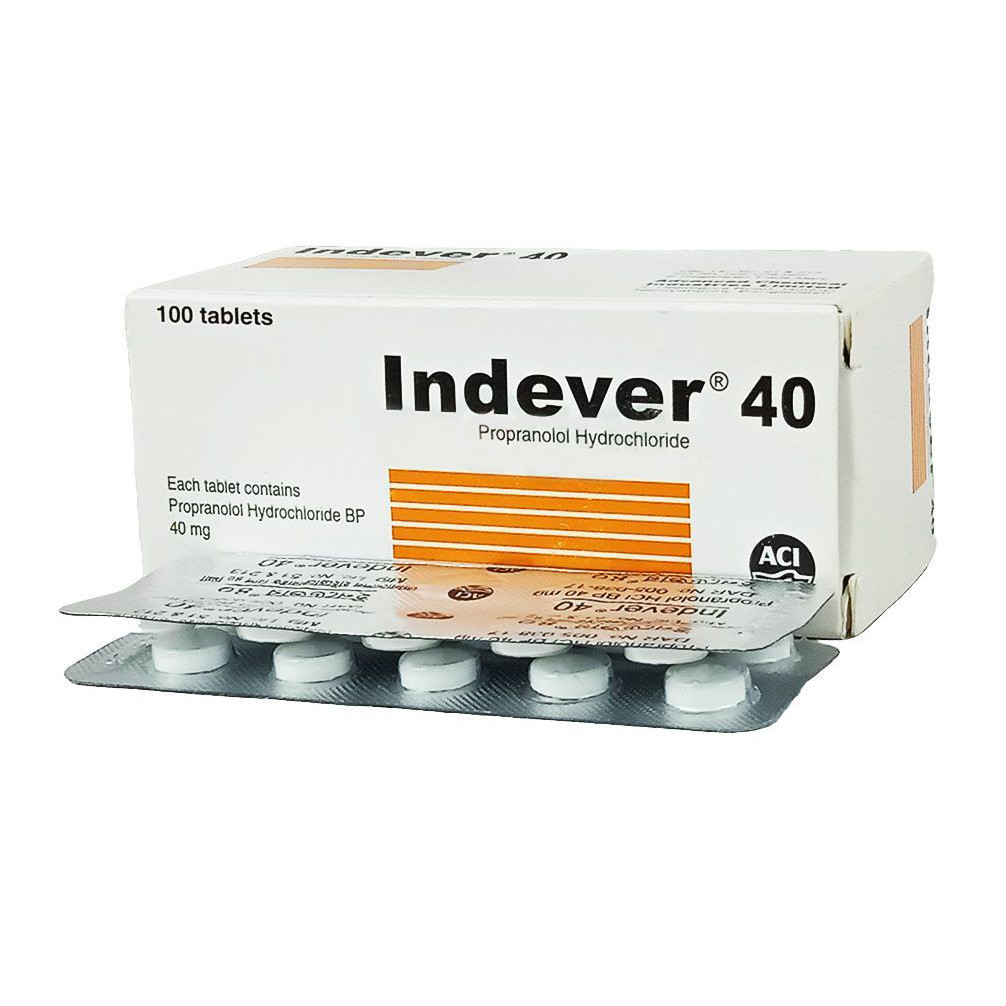
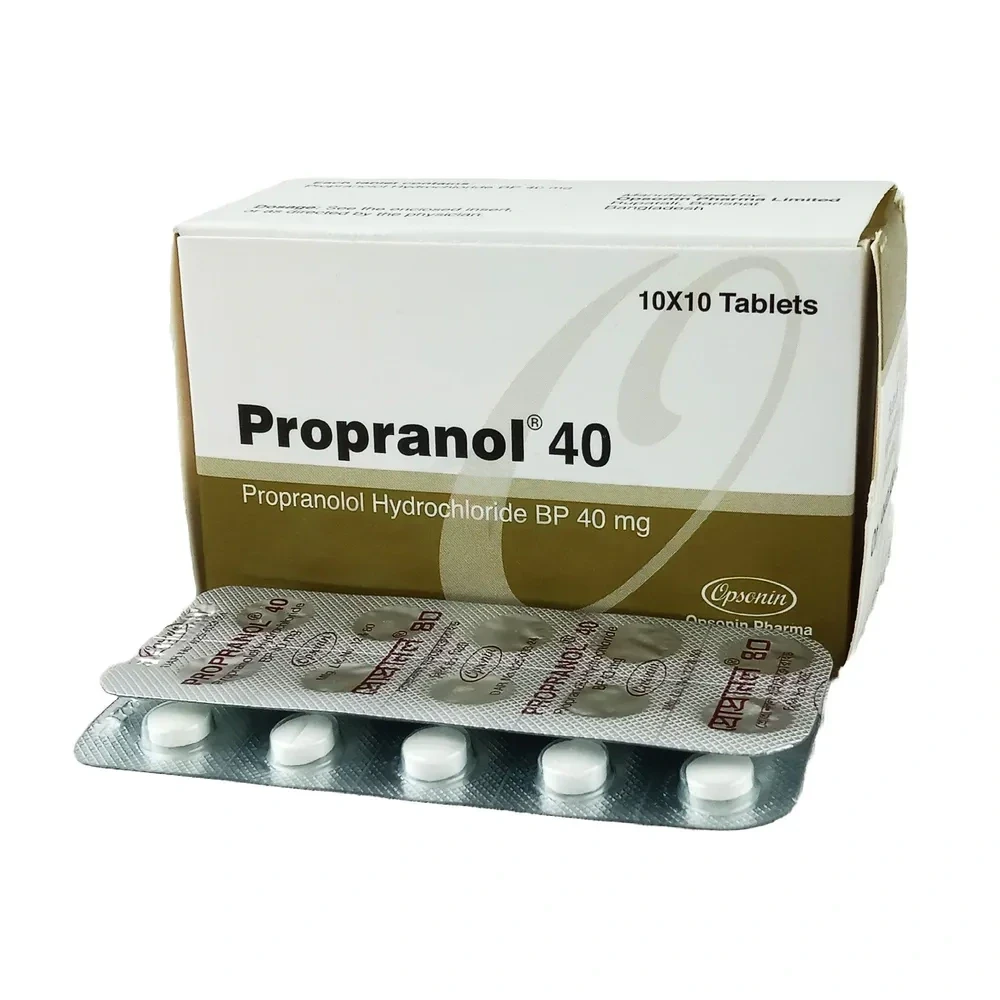
Adlock Tablet 40 mg is a non-selective beta-adrenergic antagonist (beta-blocker) used primarily to manage conditions such as hypertension, angina pectoris, myocardial infarction, and certain types of tremors. It is also employed in the treatment of certain types of arrhythmias and for the prevention of migraine headaches.

Uses

Propranolol is utilized in the treatment of a variety of conditions, including:

  • Hypertension (high blood pressure)
  • Angina pectoris (chest pain due to reduced blood flow to the heart)
  • Myocardial infarction (heart attack) - used to reduce the risk of further heart attacks and improve survival rates
  • Arrhythmias (abnormal heart rhythms)
  • Essential tremor (a neurological disorder causing shaking)
  • Preventive treatment of migraine headaches
  • Management of anxiety symptoms, particularly performance anxiety
Brand Name Adlock
Type Tablet
Weight 40 mg
Generic Propranolol Hydrochloride
Manufacturer Sonear Laboratories Ltd.
Available in English বাংলা

Mechanism of Action

Propranolol works by blocking beta-adrenergic receptors (both beta-1 and beta-2 types) in the heart and other tissues. This results in decreased heart rate, reduced force of heart contractions, and lower blood pressure. By blocking beta-2 receptors in the bronchial smooth muscle, it can also reduce airway dilation. This non-selective action helps in managing symptoms related to cardiovascular conditions and other disorders as mentioned.

How Long Does It Take to Work?

The onset of action of propranolol varies depending on the condition being treated and the form of the medication. For hypertension and angina, the effects can be observed within 1 to 2 hours of oral administration. The peak effects are typically seen within 1 to 4 hours. When used for migraine prophylaxis, it may take several weeks to achieve full therapeutic benefits.

Absorption

Propranolol is well-absorbed from the gastrointestinal tract, but it undergoes significant first-pass metabolism in the liver, which reduces its bioavailability. The oral bioavailability of propranolol is approximately 25-35%. Peak plasma concentrations are usually reached within 1 to 2 hours after oral administration.

Route of Elimination

Propranolol is primarily metabolized in the liver by cytochrome P450 enzymes (mainly CYP2D6) and is excreted in the urine. A significant portion of the drug is eliminated as metabolites, with only a small fraction being excreted unchanged.

Dosage

Adult (above 18 years):
  • Hypertension: Initially 80 mg twice daily, may be increased at weekly intervals and then maintenance dose of 160-320 mg daily is recommended.
  • Angina pectoris: Initially 40 mg 2-3 times daily and then maintenance dose of 120-240 mg daily is given.
  • Thyrotoxicosis: 10-40 mg, 3-4 times daily is given.
  • Anxiety: 40 mg once daily, may be increased to three times daily.
  • Prophylaxis of migraine: Initially 40 mg 2-3 times daily; then maintenance dose of 80-160 mg daily is recommended.
Child (From day 1 to 18 years): Hypertension:
  • Neonate: 0.25-0.5 mg/kg 3 times daily, adjusted according to response.
  • Child 1 month: 12 years: 0.25-1 mg/kg 3 times daily, maximum dose 5 mg/kg daily in divided dose.
  • Child 12-18 years: initially 80 mg twice daily, maintain 160-320 mg daily.

The dosage of propranolol varies based on the condition being treated:

  • For hypertension: 40-320 mg per day, usually divided into 2-4 doses.
  • For angina: 80-320 mg per day, divided into 2-4 doses.
  • For myocardial infarction: 40-80 mg 3-4 times daily, adjusted based on patient response.
  • For migraine prevention: 80-240 mg per day, divided into 2-3 doses.
  • For essential tremor: 60-320 mg per day, divided into 2-4 doses.
  • For anxiety: 10-40 mg, taken as needed or 2-3 times daily.

Administration

Propranolol is administered orally in the form of tablets, extended-release capsules, or liquid suspension. It should be taken with or without food, but it is important to take it consistently in the same manner each time to maintain stable blood levels. Extended-release formulations should not be crushed or chewed.

Side Effects

Common side effects of propranolol include:

  • Fatigue
  • Dizziness or lightheadedness
  • Bradycardia (slow heart rate)
  • Cold extremities
  • Nausea
  • Diarrhea

Serious side effects may include:

  • Severe bradycardia
  • Severe hypotension (low blood pressure)
  • Worsening of asthma or bronchospastic conditions
  • Severe allergic reactions

Toxicity

Signs of propranolol toxicity can include severe bradycardia, hypotension, severe dizziness, confusion, and in extreme cases, cardiac arrest. In case of overdose, immediate medical attention is required. Treatment may involve supportive care, intravenous fluids, atropine, or glucagon to counteract the effects.

Precautions

Precautions for propranolol use include:

  • Use with caution in patients with asthma or chronic obstructive pulmonary disease (COPD) due to potential bronchoconstriction.
  • Monitor blood glucose levels in diabetic patients, as propranolol can mask hypoglycemic symptoms.
  • Gradually taper the dose to avoid rebound hypertension or tachycardia.
  • Use cautiously in patients with renal or hepatic impairment.

Interaction

Propranolol may interact with several medications, including:

  • Other antihypertensive agents, which may have additive effects.
  • Calcium channel blockers, which may increase the risk of bradycardia and hypotension.
  • Drugs affecting liver enzymes, such as CYP2D6 inhibitors, which may increase propranolol levels.

Disease Interaction

Propranolol should be used with caution in patients with:

  • Asthma or COPD due to potential bronchoconstriction.
  • Severe bradycardia or heart block.
  • Diabetes mellitus, particularly if insulin-dependent, due to masking of hypoglycemic symptoms.

Drug Interaction

Significant drug interactions include:

  • Calcium channel blockers (e.g., verapamil, diltiazem), which can exacerbate bradycardia and hypotension.
  • Antidiabetic drugs, where propranolol can mask the symptoms of hypoglycemia.
  • Drugs metabolized by CYP2D6, such as certain antidepressants and antipsychotics, as they may increase propranolol levels.

Food Interactions

Food interactions are generally minimal, but it is recommended to take propranolol with or without food consistently to avoid variability in absorption. Grapefruit juice should be avoided as it may affect the metabolism of propranolol.

Pregnancy Use

Propranolol is classified as a Category C drug for pregnancy. It should only be used if the potential benefits outweigh the risks. Prolonged use during pregnancy can lead to fetal growth restriction, neonatal bradycardia, and hypotension. Consult a healthcare provider for risk assessment and management.

Lactation Use

Propranolol is excreted into breast milk in small amounts. While significant adverse effects in breastfeeding infants are unlikely, it is advisable to monitor the infant for signs of bradycardia or hypotension. Consult a healthcare provider before using propranolol while breastfeeding.

Acute Overdose

Acute overdose of propranolol may result in severe bradycardia, hypotension, dizziness, confusion, and potentially cardiac arrest. Immediate medical attention is necessary. Treatment may include intravenous fluids, atropine, and glucagon to counteract the effects of overdose.

Contraindication

Propranolol is contraindicated in patients with:

  • Severe bradycardia
  • Heart block greater than first degree
  • Cardiogenic shock
  • Severe asthma or chronic obstructive pulmonary disease (COPD)
  • Hypersensitivity to propranolol or any component of the formulation

Use Direction

Propranolol should be taken as directed by a healthcare provider. Consistent use at the prescribed dosage and frequency is important for effective management of the conditions. Do not abruptly discontinue the medication without medical advice, as this may exacerbate the underlying condition.

Storage Conditions

Store propranolol tablets or liquid suspension at room temperature, away from moisture and direct sunlight. Keep the medication in its original container and out of reach of children. Follow any specific storage instructions provided by the manufacturer or pharmacist.

Volume of Distribution

The volume of distribution of propranolol is approximately 3-5 L/kg. This indicates that the drug is distributed into various tissues, including the heart, liver, and lungs, contributing to its therapeutic effects and efficacy in managing cardiovascular conditions.

Half Life

The half-life of propranolol is approximately 3 to 6 hours. This relatively short half-life necessitates multiple daily doses for consistent therapeutic effect, although extended-release formulations are available to provide longer duration of action.

Clearance

Propranolol is primarily cleared from the body via hepatic metabolism. Its clearance can be affected by liver function, and dose adjustments may be necessary in patients with liver impairment. The clearance rate is also influenced by renal function, though the drug is primarily metabolized by the liver.

See in details version Adlock Tablet 40 mg also Adlock Tablet 40 mg in bangla

Some Frequently Asked Questions About Adlock Tablet 40 mg

*** Taking medicines without doctor's advice can cause long-term problems.
Dr. Md. Mozaherul Islam

Dr. Md. Mozaherul Islam

Orthopedic Specialist & Trauma Surgeon

Call Doctor
Prof. Dr. Asit Baran Adhikary

Prof. Dr. Asit Baran Adhikary

Cardiac (Heart), Vascular & Thoracic Surgeon

Call Doctor
Prof. Dr. Masuda Khatun

Prof. Dr. Masuda Khatun

Skin, Allergy, Leprosy & Sex Diseases Specialist

Call Doctor
Related Medicines