Introduction
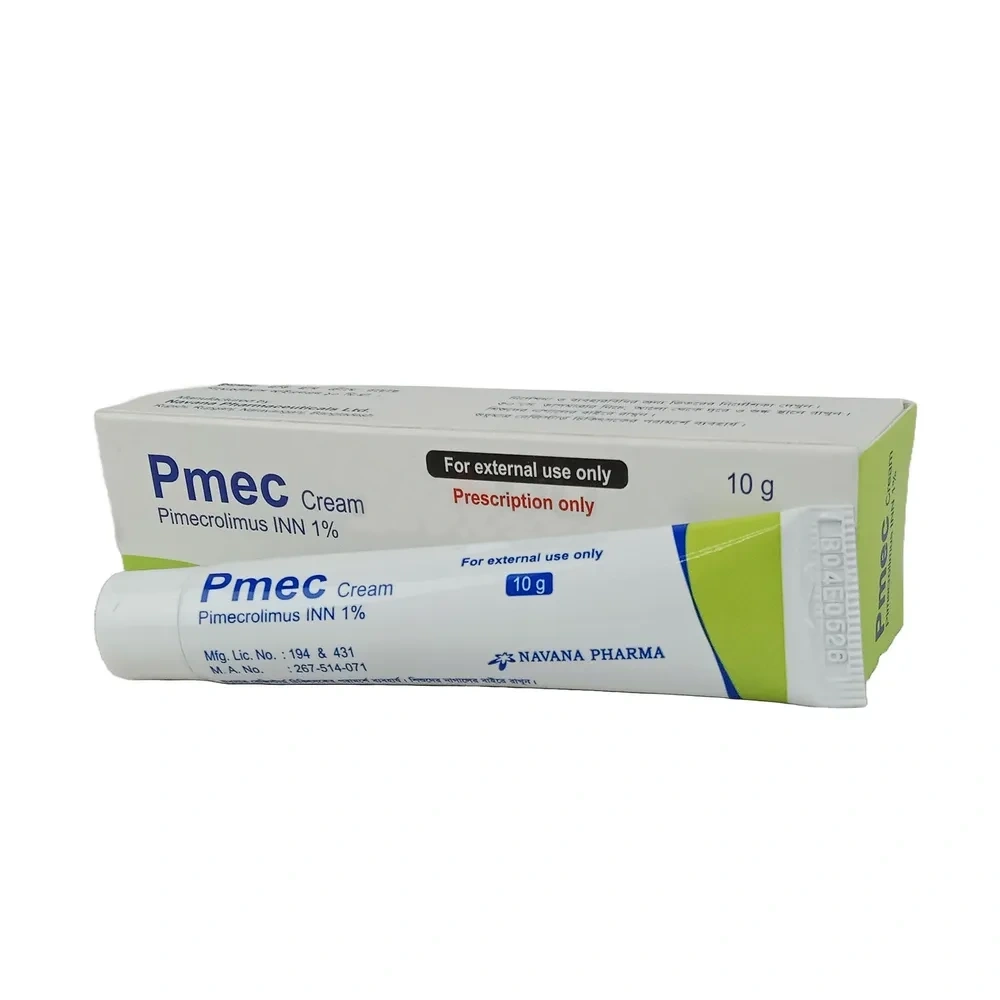
Pimecrolimus is an immunomodulating agent & currently available as a topical cream used in the treatment of atopic dermatitis (eczema).
Uses
Pimecrolimus is a topical calcineurin inhibitor used in the treatment of mild-moderate atopic dermatitis who are not candidates for other types of therapy due to previous lack of response or other reasons.
For treatment of mild to moderate atopic dermatitis.
Associated Conditions
Pharmacodynamics
Pimecrolimus is a chemical that is used to treat atopic dermatitis (eczema). Atopic dermatitis is a skin condition characterized by redness, itching, scaling and inflammation of the skin. The cause of atopic dermatitis is not known; however, scientists believe that it may be due to activation of the immune system by various environmental or emotional triggers. Scientists do not know exactly how pimecrolimus reduces the manifestations of atopic dermatitis, but pimecrolimus reduces the action of T-cells and mast cells which are part of the immune system and contribute to responses of the immune system. Pimecrolimus prevents the activation of T-cells by blocking the effects of chemicals (cytokines) released by the body that stimulate T-cells. Pimecrolimus also reduces the ability of mast cells to release chemicals that promote inflammation.
Mechanism of Action
Pimecrolimus binds with high affinity to macrophilin-12 (FKBP-12) and inhibits the calcium-dependent phosphatase, calcineurin. As a consequence, it inhibits T cell activation by blocking the transcription of early cytokines. In particular, pimecrolimus inhibits at nanomolar concentrations Interleukin-2 and interferon gamma (Th1-type) and Interleukin-4 and Interleukin-10 (Th2-type) cytokine synthesis in human T cells. Also, pimecrolimus prevents the release of inflammatory cytokines and mediators from mast cells in vitro after stimulation by antigen/lgE.
Absorption
Because of the low systemic absorption of pimecrolimus following topical application the calculation of standard pharmacokinetic measures such as AUC, Cmax, half-life, etc. cannot be reliably done.
Protein Binding
74%-87% (in vitro, bound to plasma proteins)
Route of Elimination
80% of the drug is excreted in the feces.
Toxicity
Side effects include burning sensation, irritation, pruritus, erythema, and skin infections, at the application site.
Food Interactions
No interactions found.
Dosage
If signs and symptoms persist beyond 6 weeks, patients should be re-examined by their health care provider to confirm the diagnosis of atopic dermatitis.
Continuous long-term use of Pimecrolimus Cream, 1% should be avoided, and application should be limited to areas of involvement with atopic dermatitis
The safety of Pimecrolimus Cream, 1% under occlusion, which may promote systemic exposure, has not been evaluated. Avoid use of Pimecrolimus Cream, 1% with occlusive dressings.