Introduction
Naproxen is classified as a nonsteroidal anti-inflammatory dug (NSAID) and was initially approved for prescription use in 1976 and then for over-the-counter (OTC) use in 1994. It can effectively manage acute pain as well as pain related to rheumatic diseases, and has a well studied adverse effect profile. Given its overall tolerability and effectiveness, naproxen can be considered a first line treatment for a variety of clinical situations requiring analgesia. Naproxen is available in both immediate and delayed release formulations, in combination with sumatriptan to treat migraines, and in combination with esomeprazole to lower the risk of developing gastric ulcers.
Uses
Naproxen is an NSAID used to treat rheumatoid arthritis, osteoarthritis, ankylosing spondylitis, polyarticular juvenile idiopathic arthritis, tendinitis, bursitis, acute gout, primary dysmenorrhea, and mild to moderate pain.
Naproxen is indicated for the management of rheumatoid arthritis, osteoarthritis, ankylosing spondylitis, polyarticular juvenile idiopathic arthritis, tendinitis, bursitis, acute gout, primary dysmenorrhea, and for the relief of mild to moderate pain. Further, it is first-line therapy for osteoarthritis, acute gouty arthritis, dysmenorrhea, and musculoskeletal inflammation and pain.
Associated Conditions
Pharmacodynamics
Naproxen is an established non-selective NSAID and is useful as an analgesic, anti-inflammatory and antipyretic. Similar to other NSAIDs, the pharmacological activity of naproxen can be attributed to the inhibition of cyclo-oxygenase, which in turn reduces prostaglandin synthesis in various tissues and fluids including the synovial fluid, gastric mucosa, and the blood.
Although naproxen is an effective analgesic, it can have unintended deleterious effects in the patient. For instance, naproxen can adversely affect blood pressure control. A study found that use of naproxen induced an increase in blood pressure, although the increase was not as significant as that found with ibuprofen use.
Further, studies have found that the risk of upper gastrointestinal bleeding is on average four-fold higher for individuals taking NSAIDs. Other factors that increase the risk of upper gastrointestinal bleeding include concurrent use of corticosteroids or anticoagulants, and a history of gastrointestinal ulcers.
Mechanism of Action
As with other non-selective NSAIDs, naproxen exerts it's clinical effects by blocking COX-1 and COX-2 enzymes leading to decreased prostaglandin synthesis. Although both enzymes contribute to prostaglandin production, they have unique functional differences. The COX-1 enzymes is constitutively active and can be found in normal tissues such as the stomach lining, while the COX-2 enzyme is inducible and produces prostaglandins that mediate pain, fever and inflammation. The COX-2 enzyme mediates the desired antipyretic, analgesic and anti-inflammatory properties offered by Naproxen, while undesired adverse effects such as gastrointestinal upset and renal toxicities are linked to the COX-1 enzyme.
Absorption
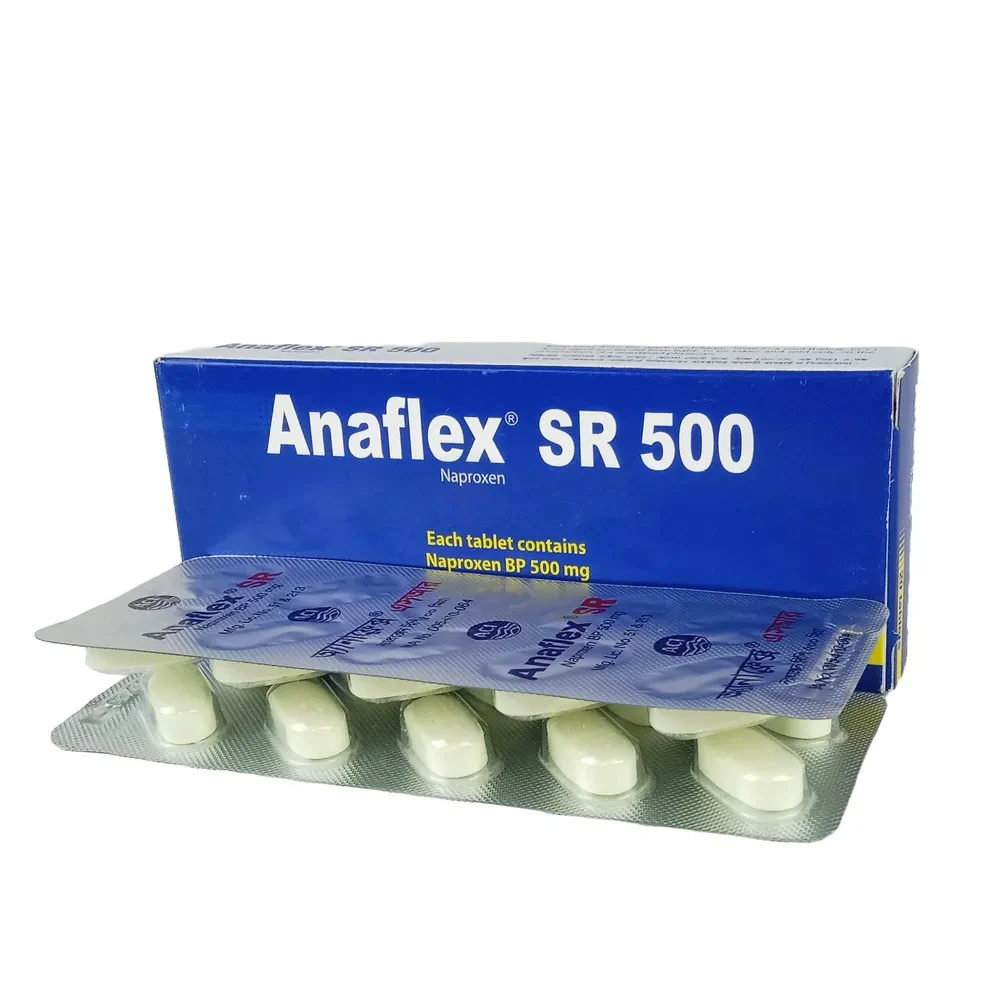
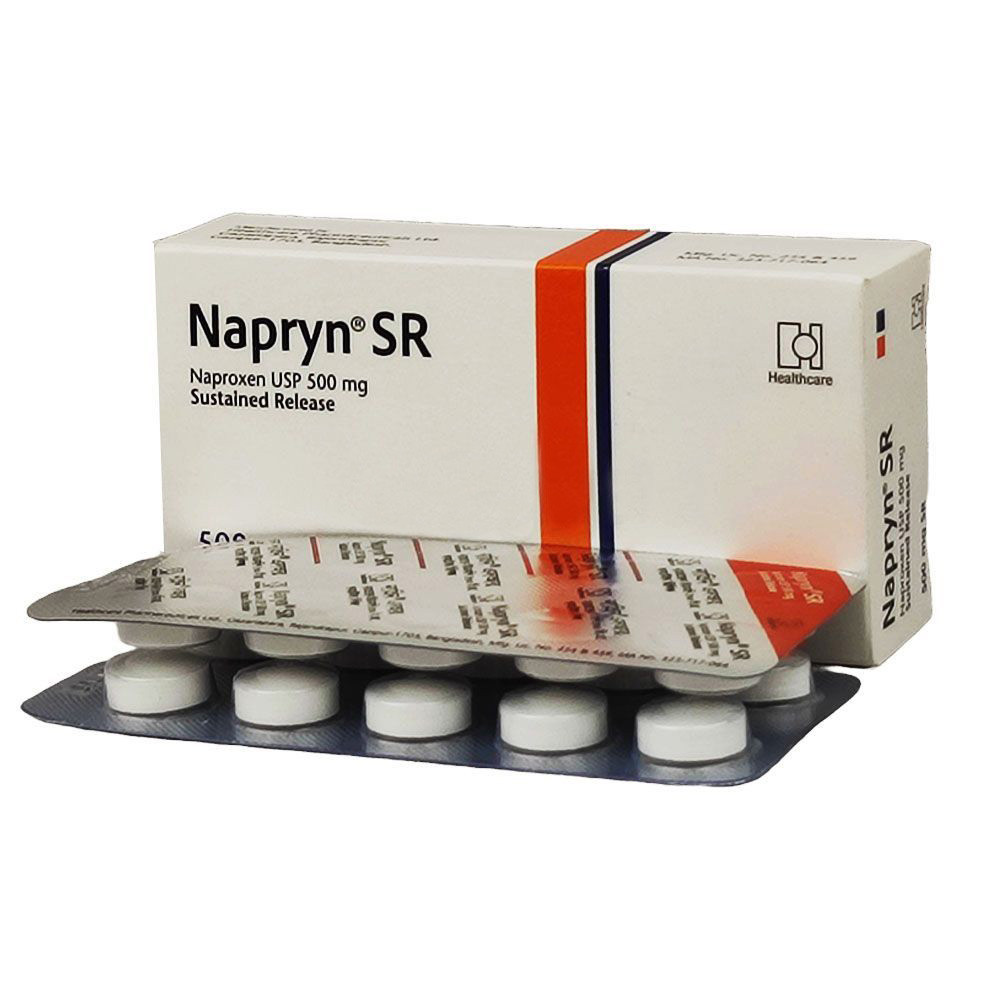
Naproxen is available as a free acid and sodium salt. At comparable doses, (naproxen 500 mg = naproxen sodium 550 mg) they differ slightly in their rates of absorption, but otherwise they are therapeutically and pharmacologically equivalent. Naproxen sodium achieves a peak plasma concentration after 1 hour, while peak plasma concentration is observed after 2 hours with naproxen (free acid). There are no differences between the 2 forms in the post-absorption phase pharmacokinetics. The difference in initial absorption should be considered when treating acute pain, since naproxen sodium may offer a quicker onset of action.
The mean Cmax for the various formulations (immediate release, enteric coated, controlled release etc.) of naproxen are comparable and range from 94 mcg/mL to 97.4 mcg/mL. In one pharmacokinetic study, the mean Tmax of naproxen 500 mg (immediate release) given every 12 hours over 5 days was 3 hours, compared to a mean Tmax of 5 hours for Naprelan 1000 mg (controlled release) given every 24 hours over 5 days. In this same study, the AUC0-24hr was 1446mcgxhr/mL for naproxen immediate release and 1448 mcgxhr/mL for the controlled release formulation. A separate study comparing the pharmacokinetics of Naprosyn tablets and EC-Naprosyn observed the following values: Tmax and AUC0-12hrs of EC-Naprosyn were 4 hours and 845 mcgxhr/mL respectively, and Tmax and AUC0-12hrs values of Naprosyn were 1.9 hours and 767 mcgxhr/mL respectively.
When given in combination with sumatriptan the Cmax of naproxen is roughly 36% lower compared to naproxen sodium 550 mg tablets, and the median Tmax is 5 hours.
Based on the AUC and Cmax of naproxen, Vimovo (naproxen/esomeprazole combination product) and enteric-coated naproxen may be considered bioequivalent.
Overall, naproxen is rapidly and completely absorbed when administered orally and rectally. Food may contribute to a delay in the absorption of orally administered naproxen, but will not affect the extent of absorption.
Volume of Distribution
Naproxen has a volume of distribution of 0.16 L/kg.
Protein Binding
Naproxen is highly protein bound with >99% of the drug bound to albumin at therapeutic levels.
Route of Elimination
After oral administration, about 95% of naproxen and it's metabolites can be recovered in the urine with 66-92% recovered as conjugated metabolite and less than 1% recovered as naproxen or desmethylnaproxen. Less than 5% of naproxen is excreted in the feces.
Half Life
The elimination half-life of naproxen is reported to be 12-17 hours.
Clearance
Naproxen is cleared at a rate of 0.13 mL/min/kg.
Toxicity
Although the over-the-counter (OTC) availability of naproxen provides convenience to patients, it also increases the likelihood of overdose. Thankfully, the extent of overdose is typically mild with adverse effects normally limited to drowsiness, lethargy, epigastric pain, nausea and vomiting. Although there is no antidote for naproxen overdose, symptoms will typically subside with appropriate supportive care.
Naproxen is classified as Category B during the first 2 trimesters of pregnancy, and as Category D during the third trimester. Naproxen is contraindicated in the 3rd trimester since it increases the risk of premature closure of the fetal ductus arteriosus and should be avoided in pregnant women starting at 30 weeks gestation.
Food Interactions
- Take with food. Food reduces GI irritation.
Dosage
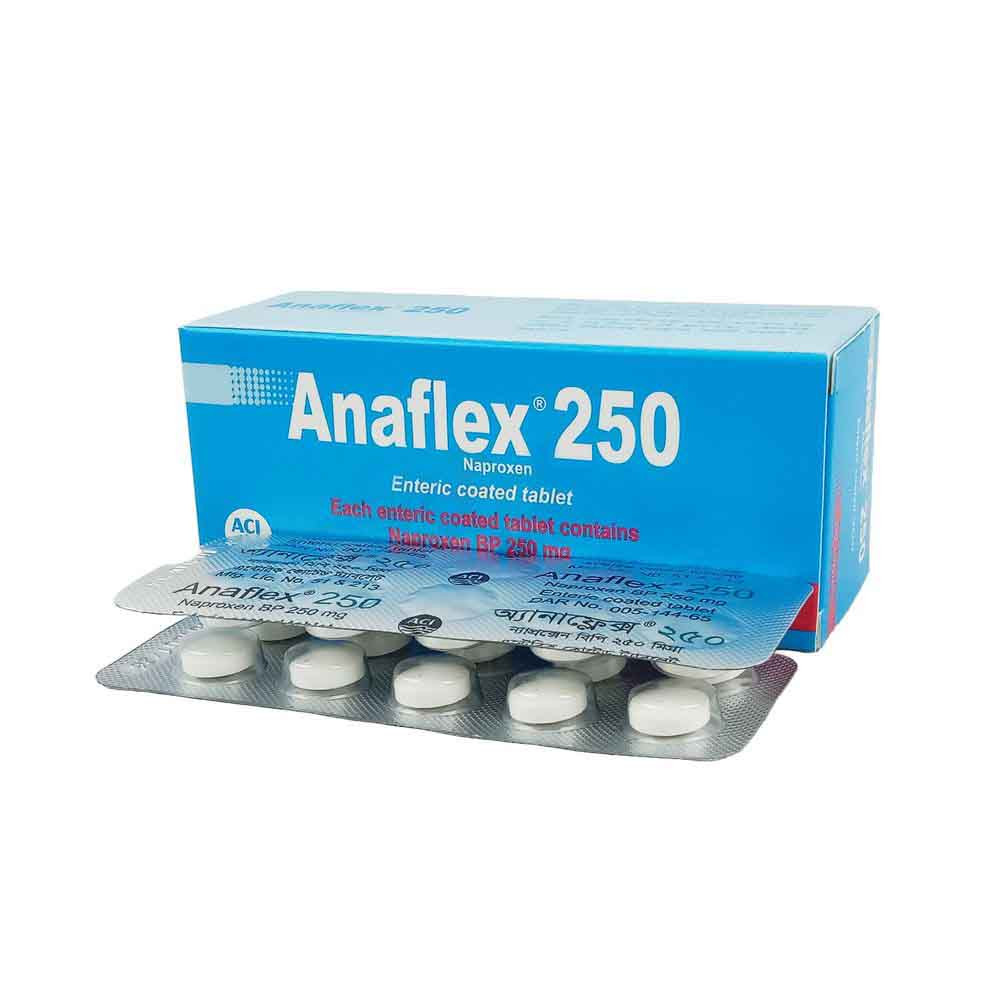
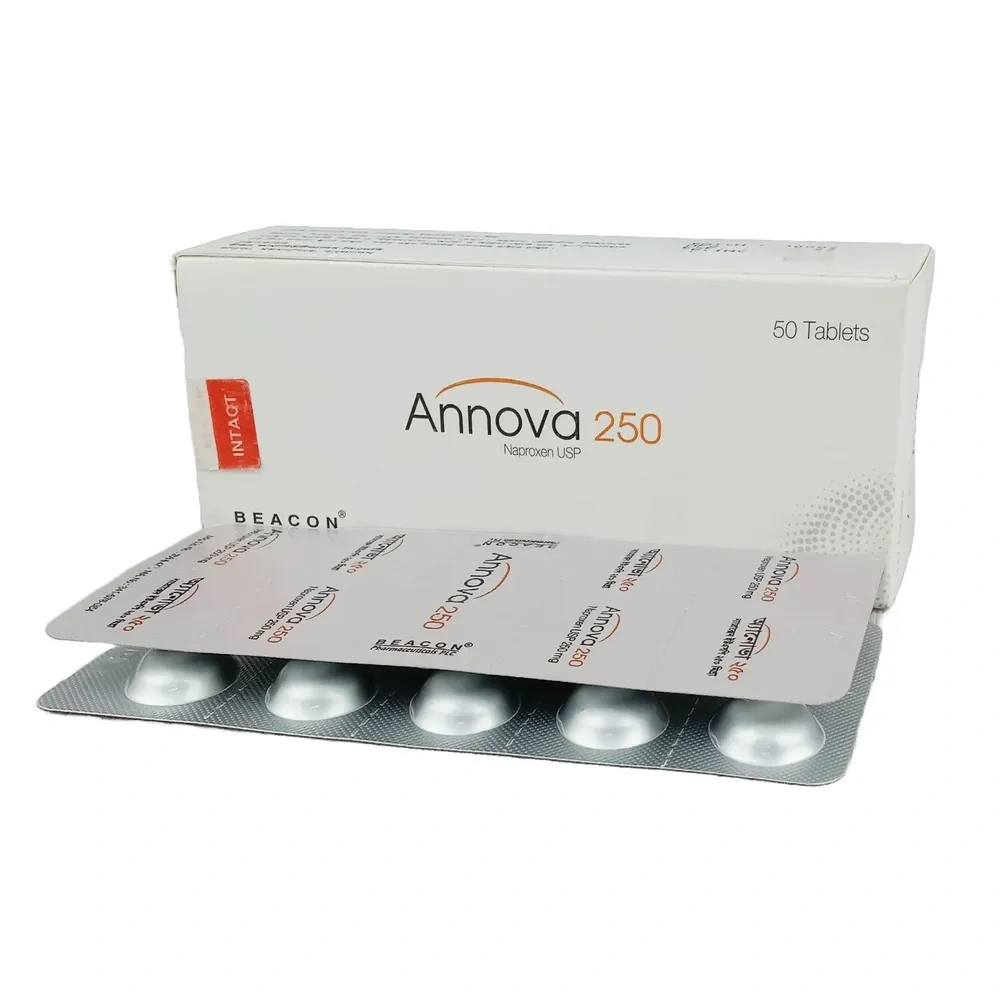
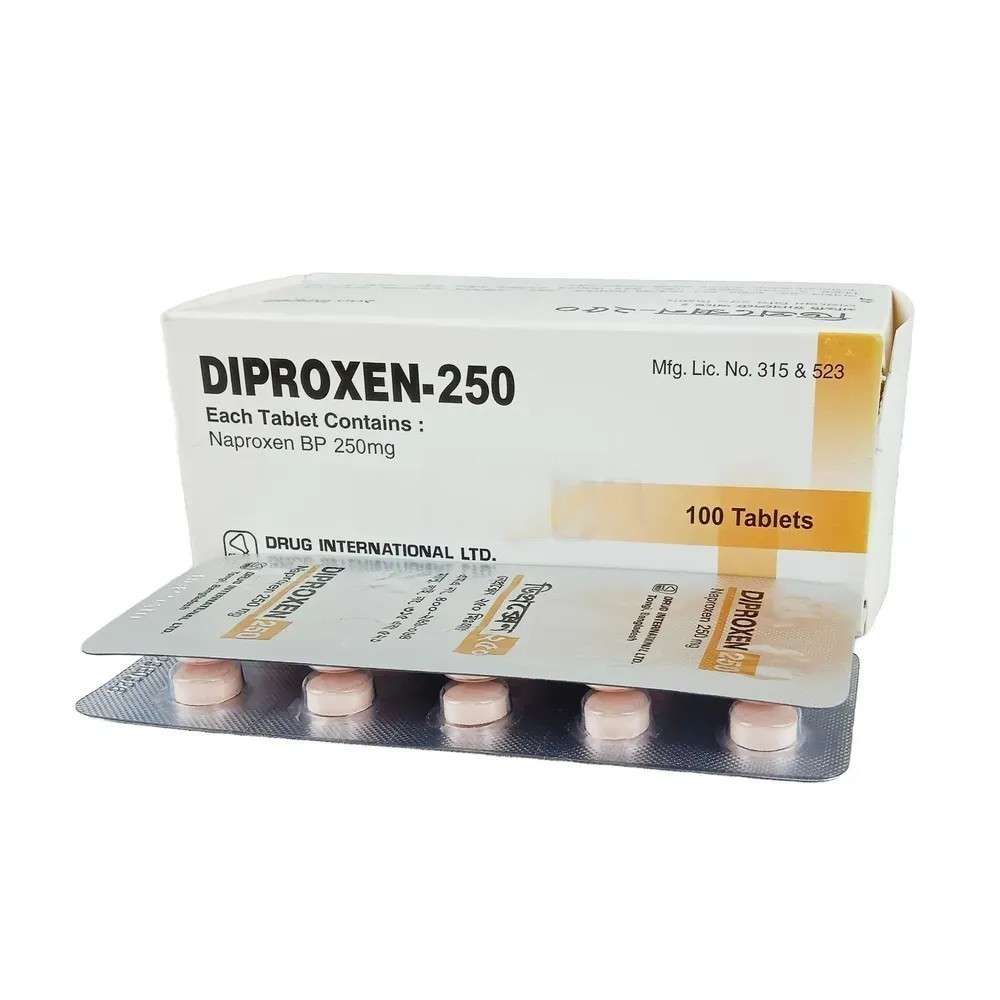
Naproxen Enteric Coated Tablet: Adult:
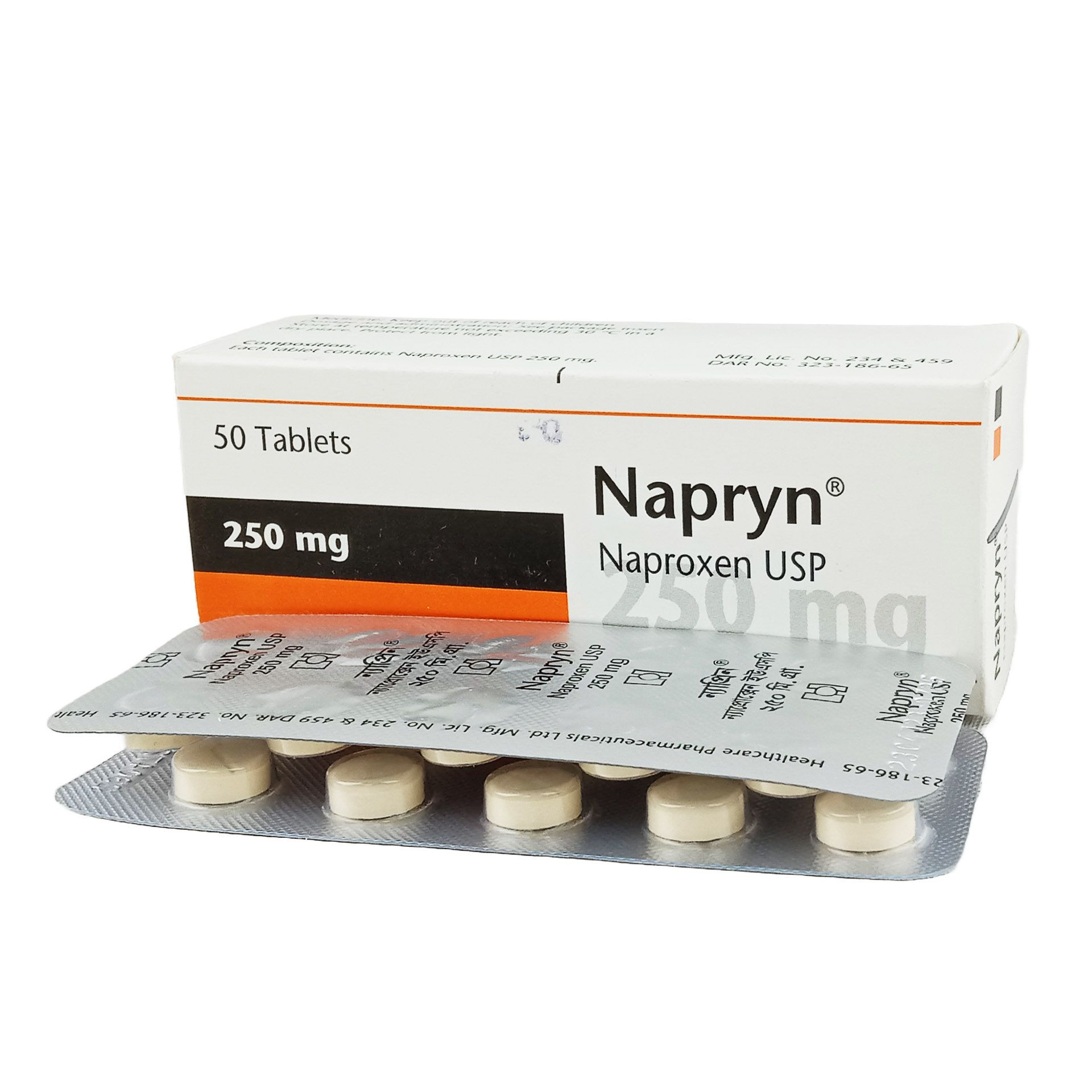
- For rheumatoid arthritis/ osteoarthritis/ ankylosing spondylitis: For adults 500-1000 mg per day taken in two devided doses at 12- hour intervals. The maintenance dose is usually 500 mg per day taken in two devided doses at 12 - hour intervals. The total daily dose of Naproxen should not exceed 1000 mg maintaining 12-hour intervals.
- For acute gout: 750 mg should be given initially, then 250 mg every 8 hours until the attack has passed. Children under 16 years are not recommended.
- For dysmenorrhoea: For adults 500 mg should be given initially, followed by 250 mg at 6-8 hour intervals for upto 5 days, if necessary.
- For other indications like analgesia and acute musculoskeletal disorders: 500 mg should be given initially, followed by 250 mg at 6-8 hour intervals, if necessary.
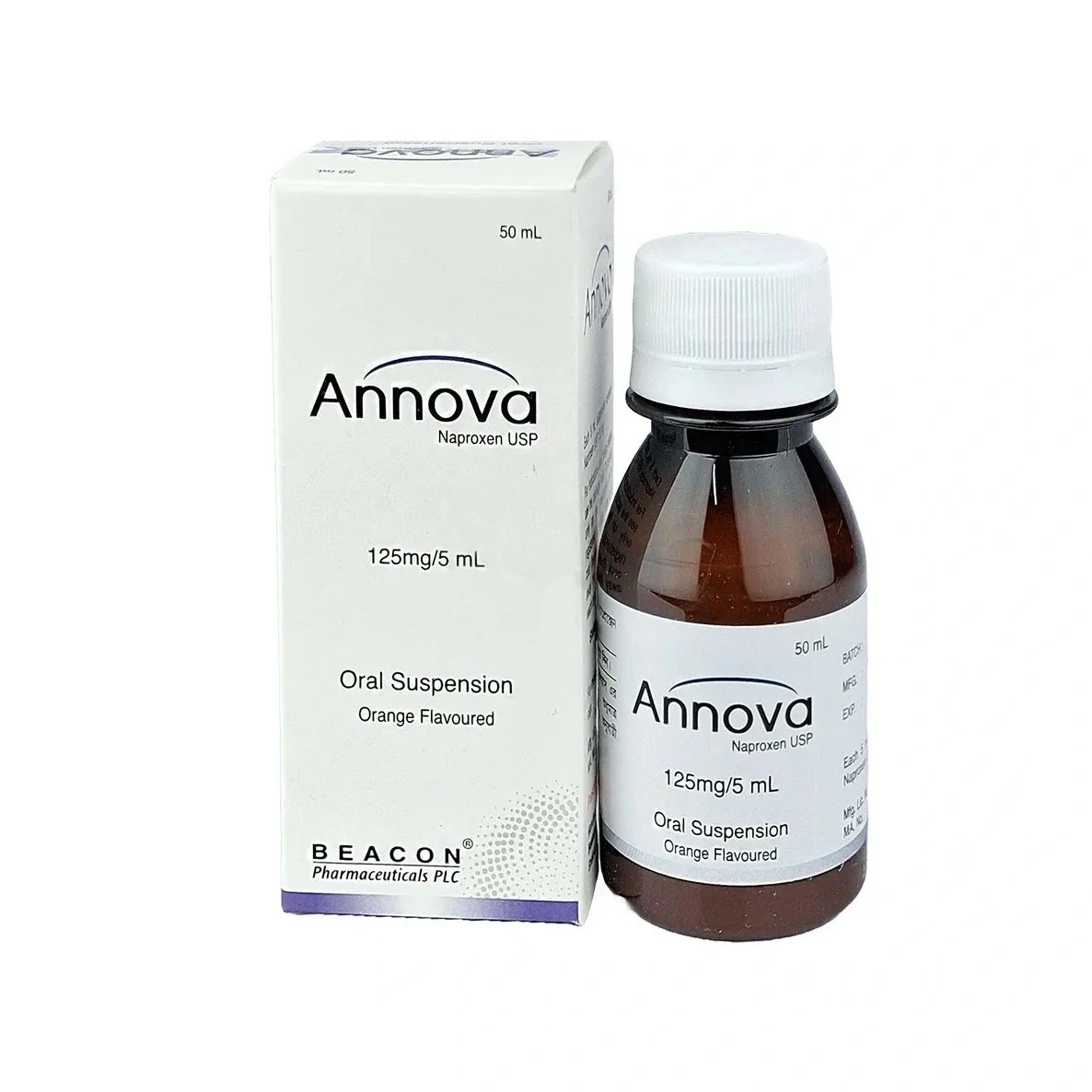
Naproxen Suspension: Children:
For juvenile rheumatoid arthritis: The usual dose for children over 2 years is 10 mg/kg/day given as two divided doses at 12-hour intervals. Therapy in children under 2 years of age is not recommended. The following may be used as a guide for dosage of suspension:
- 13 kg (29 lb) 2.5 mL b.i.d.
- 25 kg (55 lb) 5 mL b.i.d.
- 38 kg (84 lb) 7.5 mL b.i.d.
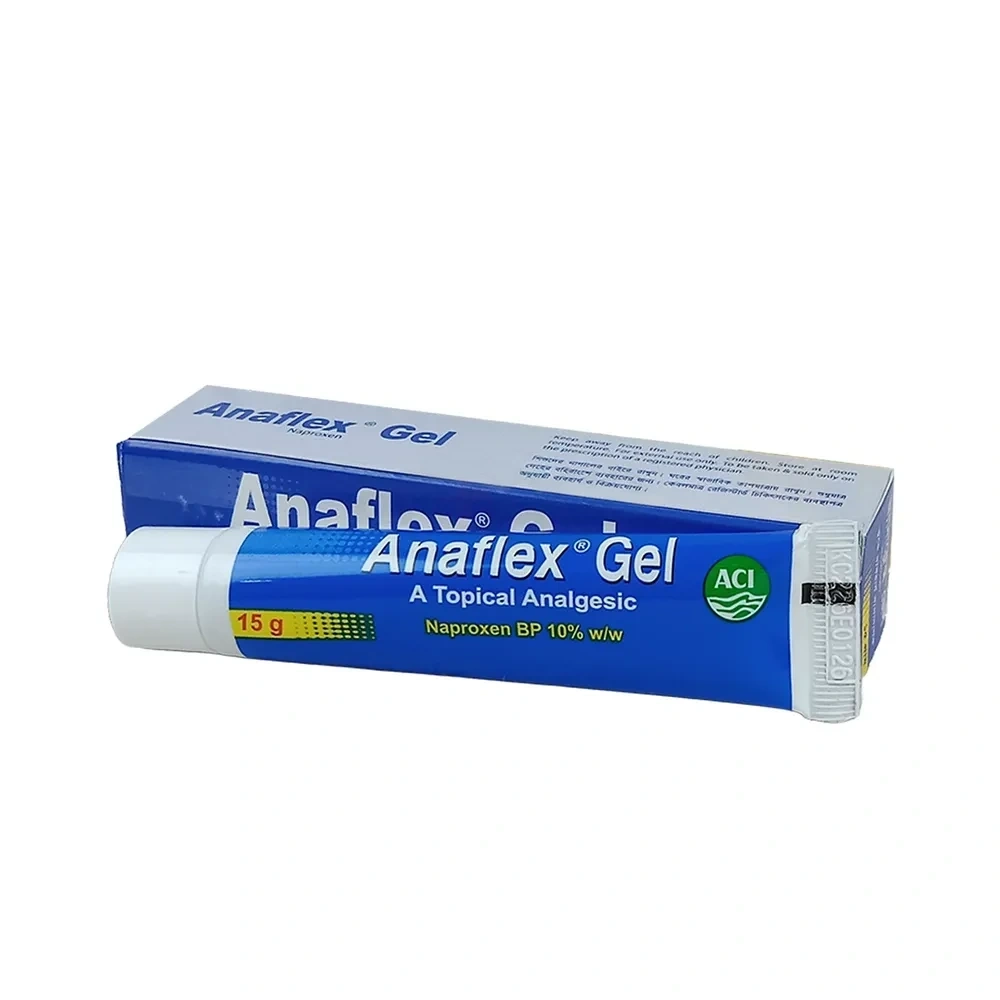
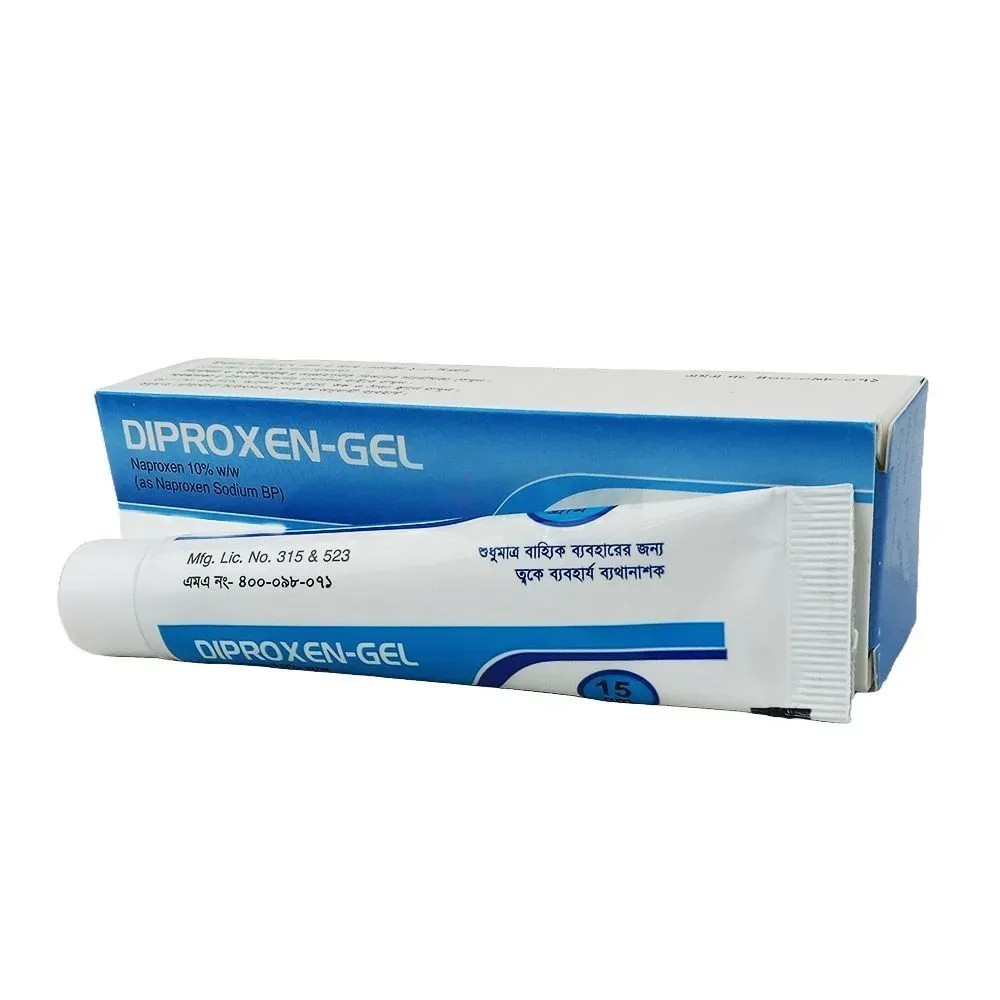
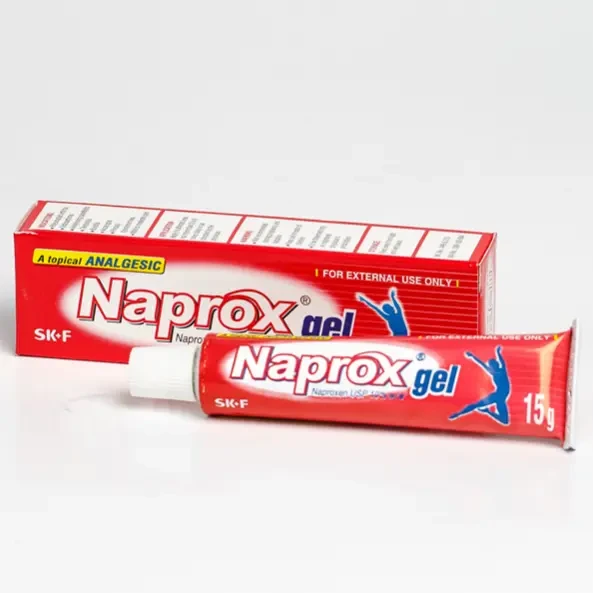
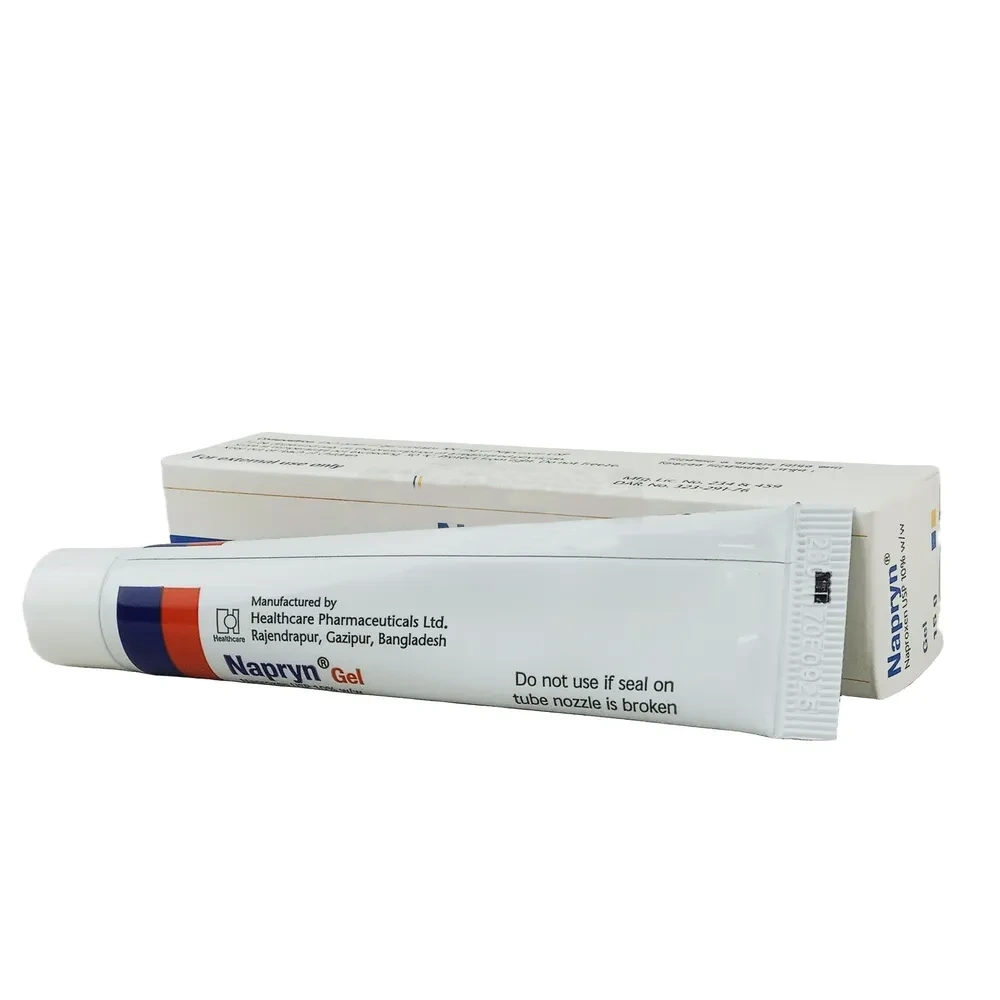
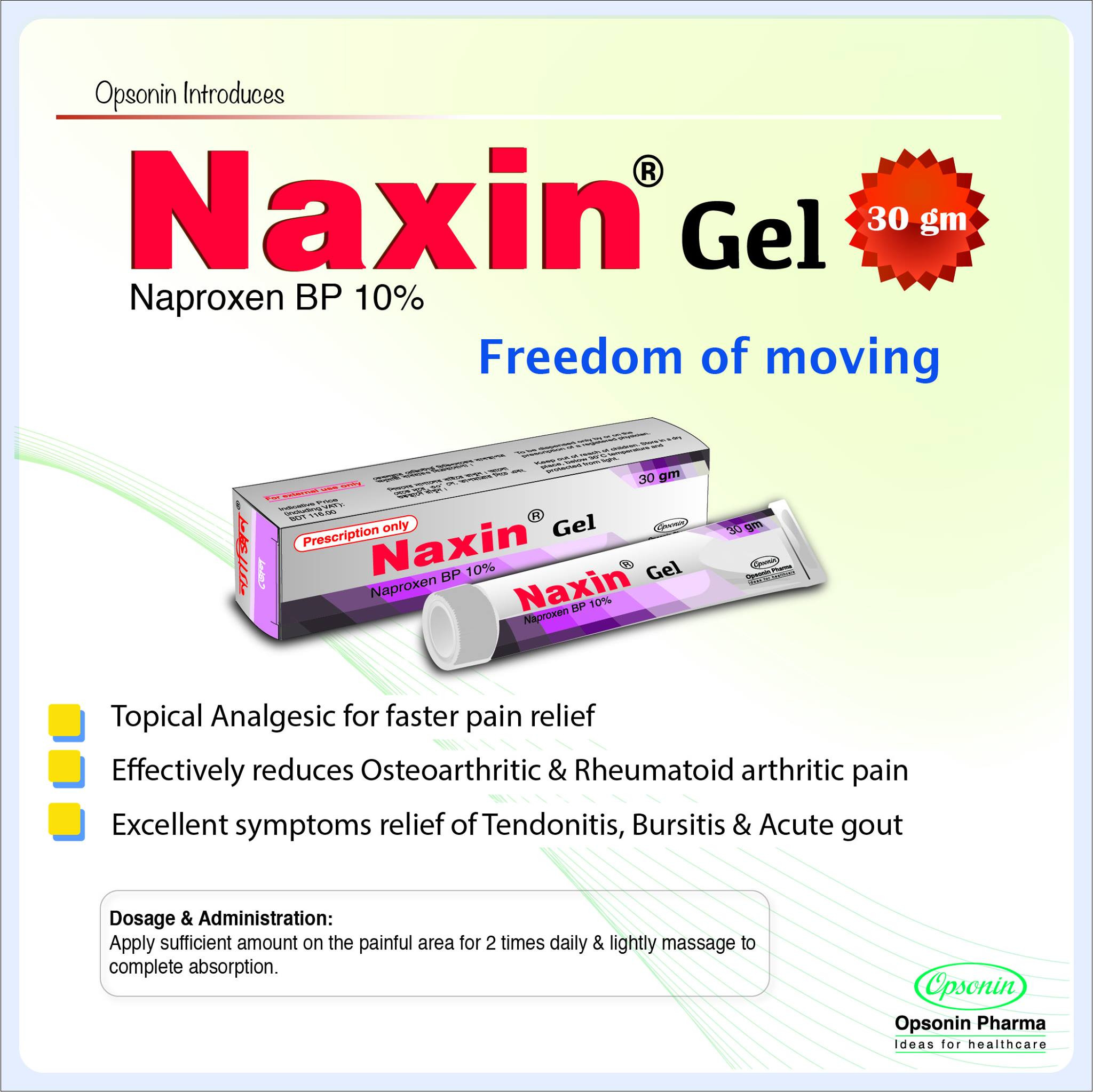
Naproxen Gel: Is to be applied 2-6 times a day as required and is not recommended for use in children.