Introduction
Nabumetone was originally developed as a non-acidic non-steroidal anti-inflammatory drug (NSAID). It was thought to avoid trapping of the drug in the stomach by making it unable to dissociate into ions which was believed to reduce GI toxicity by limiting local action. While slightly reduced, possibly due to a degree of cyclooxygenase-2 selectivity (COX-2), nabumetone still produces significant adverse effects in the GI tract. The molecule itself is a pro-drug with its 6-methoxy-2-naphthylacetic acid (6-MNA) metabolite acting as a potent COX inhibitor similar in structure to naproxen.
Uses
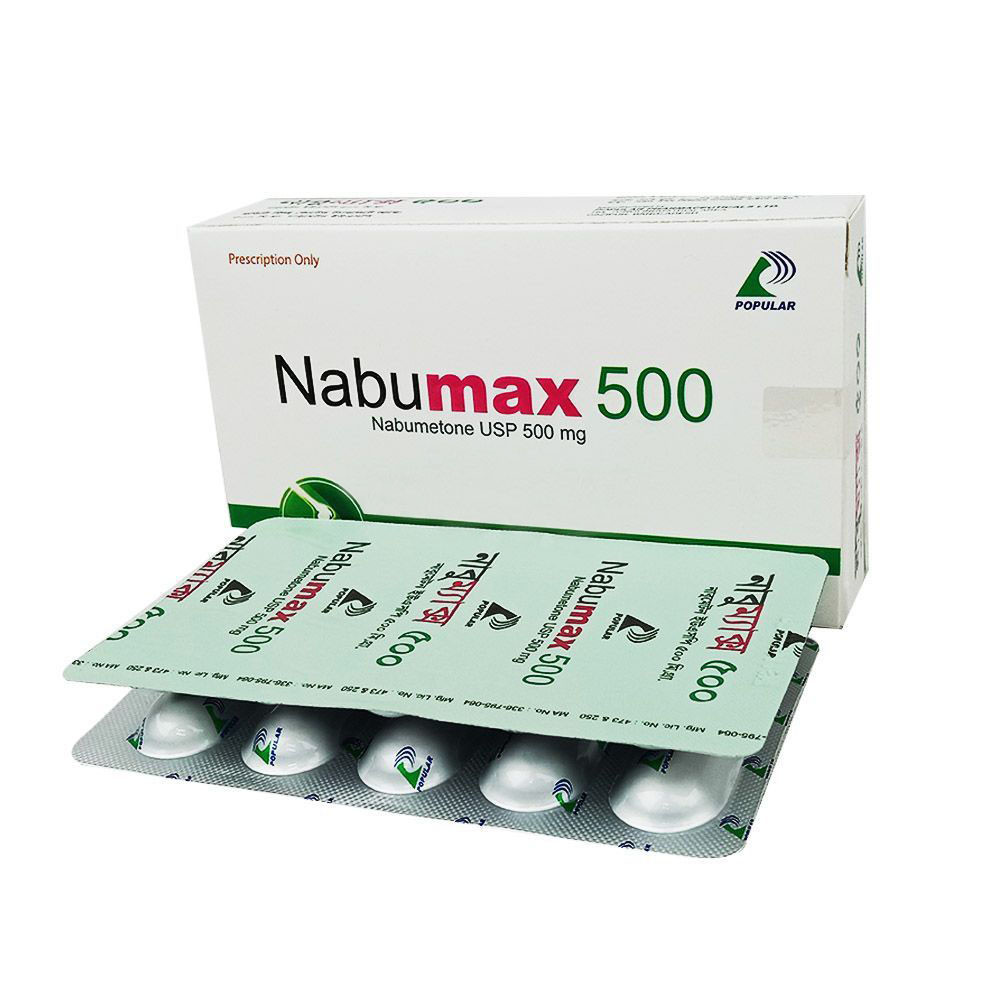
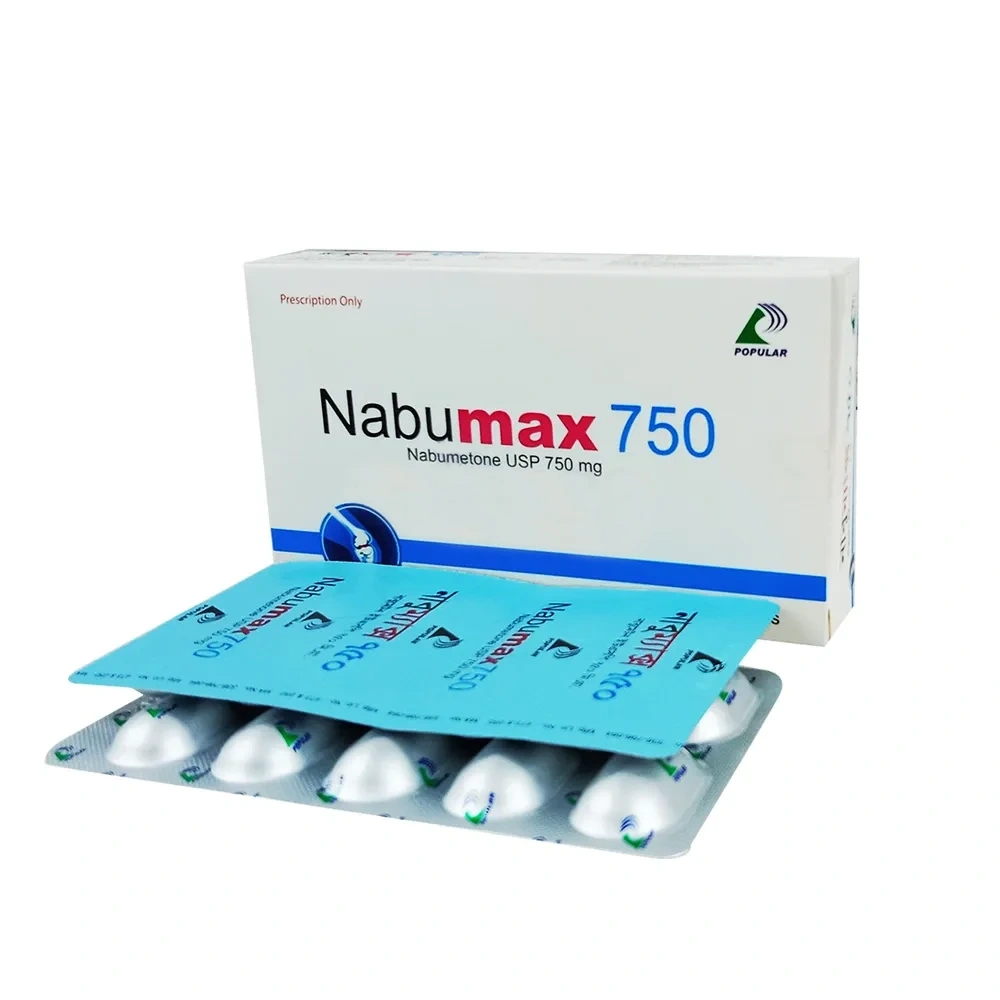
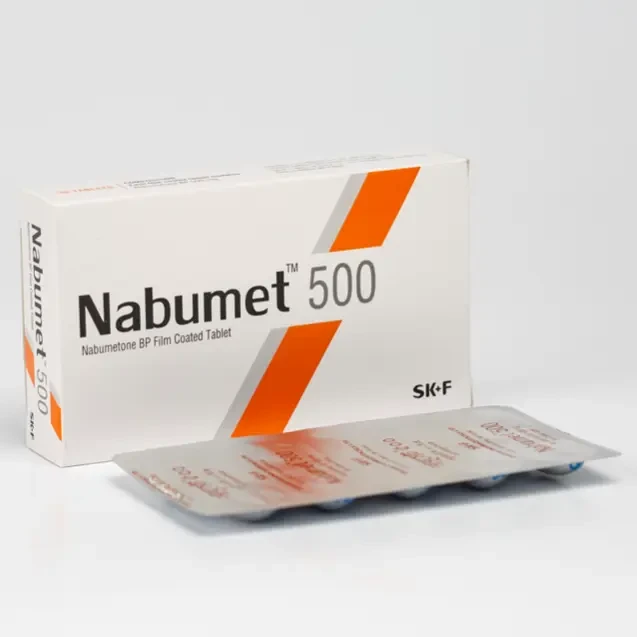
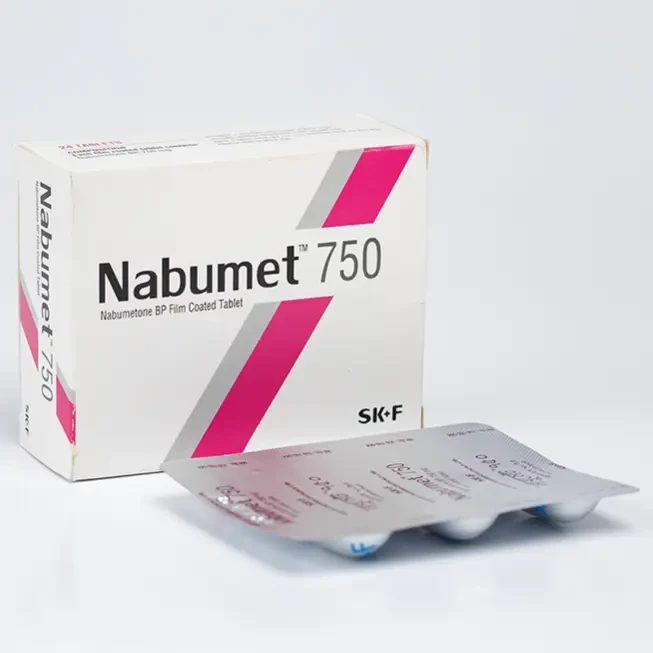
Nabumetone is an NSAID used to treat osteoarthritis and rheumatoid arthritis.
Indicated for:
1) Symptomatic relief in rheumatoid arthritis.
2) Symptomatic relief in osteoarthritis.
Associated Conditions
Pharmacodynamics
NSAIDs, like nabumetone, are well established as analgesics. NSAIDs reduce both peripheral and central sensitization of nociceptive neurons due to inflammation which contribute to hyperalgesia and allodynia. This sensitization occurs through reducing the action potential threshold in peripheral neurons, reducing the intensity of painful stimuli needed to produce a painful sensation. Centrally, activation of dorsal horn neurons occurs along with increased release of glutamate, calcitonin gene-related peptide (CGRP), and substance P which increase the transmission of painful stimuli. Coupled with this is an inhibition glycinergic neurons which normally inhibit pain transmission, a phenomenon known as disinhibition. Increased activity ofn-methyl d-aspartate (NMDA) and α-amino-3-hydroxy-5-methyl-4-isoxazolepropionic acid (AMPA) receptors leads to the establishment of central sensitization, allowing both mild painful and innocuous stimuli to produce action potentials in nociceptive projection neurons. NSAIDs are effective in reducing mild-moderate acute and chronic nociceptive pain, however, the usefulness of NSAIDs in neuropathic pain is limited.
The anti-inflammatory effect of NSAIDs is mediated by preventing vasodilation, increases in vascular permeability, and the release of cytokines from endothelial cells. These three effects together prevent immunocompetent cells from migrating to the site of injury thereby preventing additional damage and inflammation due to activation of the immune system at the site of damage. PGs also modulate T-helper cell activation and differentiation, an activity which is thought to be of importance in arthritic conditions.
The anti-pyretic effect of NSAIDs is mediated through preventing increases in temperature by prostaglandins (PGs) via the hypothalamus. Activation of this process by other inflammatory mediators relies upon subsequent action by PGs, therefore NSAIDs are able to reduce fever due to these mediators as well.
The adverse effects of NSAIDs are related to their therapeutic effects. The same vasodilatory action which occurs in inflammation also serves to regulate blood flow to the kidneys through the afferent renal arteries. NSAIDs are widely known as nephrotoxic agents as the reduction in PGs produces vasoconstriction of these arteries resulting in reduced blood flow to the kidneys and a subsequent decline in renal function. Reductions in mucus and HCO3-
Mechanism of Action
Nabumetone's active metabolite, 6-MNA, is an inhibitor of both COX-1 and COX-2 although it exhibits some COX-2 selectivity. Inhibition of COX-1 and COX-2 reduces conversion of arachidonic acid to PGs and thromboxane (TXA2). This reduction in prostanoid production is the common mechanism that mediates the effects of nambutone.
PGE2 is the primary PG involved in modulation of nociception. It mediates peripheral sensitization through a variety of effects. PGE2 activates the Gq-coupled EP1 receptor leading to increased activity of the inositol trisphosphate/phospholipase C pathway. Activation of this pathway releases intracellular stores of calcium which directly reduces action potential threshold and activates protein kinase C (PKC) which contributes to several indirect mechanisms. PGE2 also activates the EP4 receptor, coupled to Gs, which activates the adenylyl cyclase/protein kinase A (AC/PKA) signaling pathway. PKA and PKC both contribute to the potentiation of transient receptor potential cation channel subfamily V member 1 (TRPV1) potentiation, which increases sensitivity to heat stimuli. They also activate tetrodotoxin-resistant sodium channels and inhibit inward potassium currents. PKA further contributes to the activation of the P2X3 purine receptor and sensitization of T-type calcium channels. The activation and sensitization of depolarizing ion channels and inhibition of inward potassium currents serve to reduce the intensity of stimulus necessary to generate action potentials in nociceptive sensory afferents. PGE2 act via EP3 to increase sensitivity to bradykinin and via EP2 to further increase heat sensitivity. Central sensitization occurs in the dorsal horn of the spinal cord and is mediated by the EP2 receptor which couples to Gs. Pre-synaptically, this receptor increases the release of pro-nociceptive neurotransmitters glutamate, CGRP, and substance P. Post-synaptically it increases the activity of AMPA and NMDA receptors and produces inhibition of inhibitory glycinergic neurons. Together these lead to a reduced threshold of activating, allowing low intensity stimuli to generate pain signals. PGI2 is known to play a role via its Gs-coupled IP receptor although the magnitude of its contribution varies. It has been proposed to be of greater importance in painful inflammatory conditions such as arthritis. By limiting sensitization, both peripheral and central, via these pathways NSAIDs can effectively reduce inflammatory pain.
PGI2 and PGE2 contribute to acute inflammation via their IP and EP2 receptors. Similarly to β adrenergic receptors these are Gs-coupled and mediate vasodilation through the AC/PKA pathway. PGE2 also contributes by increasing leukocyte adhesion to the endothelium and attracts the cells to the site of injury. PGD2 plays a role in the activation of endothelial cell release of cytokines through its DP1 receptor. PGI2 and PGE2 modulate T-helper cell activation and differentiation through IP, EP2, and EP4 receptors which is believed to be an important activity in the pathology of arthritic conditions. By limiting the production of these PGs at the site of injury, NSAIDs can reduce inflammation.
PGE2 can cross the blood-brain barrier and act on excitatory Gq EP3 receptors on thermoregulatory neurons in the hypothalamus. This activation triggers an increase in heat-generation and a reduction in heat-loss to produce a fever. NSAIDs prevent the generation of PGE2 thereby reducing the activity of these neurons.
The adverse effects of NSAIDs stem from the protective and regulatory roles of prostanoids which have been well-characterized. PGI2 and PGE2 regulate blood flow to the kidney by similar mechanisms to the vasodilation they produce in inflammation. Prevention of this regulation by NSAIDs produces vasoconstriction which limits renal function by reducing blood flow and the hydrostatic pressure which drives filtration. PGE2 also regulates gastric protection via EP3 receptors which are, in this location, coupled to Gi which inhibits the AC/PKA pathway. This reduces the secretion of protons by H+
Absorption
Nabumetone is well-absorbed from the GI tract and undergoes significant first pass metabolism resulting in approximately 35% being converted to the active metabolite, 6-MNA. Tmax for 6-MNA varies widely with a mean values of 3 and 11 hours reported in official product monographs, and described as 9-12 hours in published literature Administration with food increases Cmax by 33% and increases absorption rate. If formulated as a suspension the Cmax increases and the Tmax is reduced by 0.8 hours while the all other pharmacokinetic parameters remain unchanged.
Volume of Distribution
The Vd of 6-MNA reported after administration of a single dose is 0.1-0.2 L/kg or approximately 5-10 L. Vdss reported in official product labeling is approximately 53 L.
Protein Binding
6-MNA is over 99% bound to plasma proteins, likely albumin. The unbound fraction is 0.1-0.2% and remains proportional in the dose range of 1000-2000mg
Route of Elimination
Most drug is eliminated via hepatic metabolism with minimal to no parent drug detectable in the plasma. 80% of the dose is then excreted by the kidneys and 10% in the feces. It does not appear to undergo enterohepatic recirculation.
Half Life
6-MNA has a mean half-life of 24 hours with a range of 19-36 hours.
Clearance
6-MNA has an apparent steady-state clearance of 20 - 30 mL/min.
Toxicity
LD50 Values
Mouse: 4290 mg/kg (Oral), 2380 mg/kg (IP)
Rat: 3880 mg/kg (Oral), 1520 mg/kg (IP), >10 g/kg (SC)
Monkey: 3200 mg/kg (Oral)
Overdose
Signs and symptoms of nabumetone overdose include lethargy, drowsiness, nausea, vomiting, and epigastric pain. These are considered reversible with supportive care. GI bleeding, hypertension, acute kidney injury, respiratory depression, and coma are rare but can occur. No antidote exists for nabumetone overdose although administration of activated charcoal and/or induction of emesis can reduce absorption if the nabumetone dose was taken less than 4 hours prior. 6-MNA is cannot be cleared by dialysis.
Carcinogenicity & Mutagenicity
Nabumetone was not significantly carcinogenic in rats or mice studied over 2 years. Neither the Ames test nor mouse micronucleus test showed nabumetone or it's active metabolite, 6-MNA, to be mutagenic. Chromosomal abberation has been observed in cultured lymphocytes exposed to concentrations of 80 mcg/mL and higher of nabumetone or 6-MNA equivalent to the maximum recommended human dose.
Reproductive Toxicity
No adverse effects on fertility have been observed in male and female rats at doses of 320 mg/kg/day.] No teratogenicity has been observed in pregnant rabbits or rats. Dystocia and delayed parturition have been noted in rats resulting in reduced survival of offspring. This has been attributed to the role of prostaglandins in uterine contraction. NSAIDs can also cause premature closure of the ductus ateriosus.
Lactation
6-MNA has been detected in the milk of lactating rats. While no data is available in humans, 6-MNA is both highly protein bound and exists in its anionic form in circulation. For these reasons partitioning into breast milk is expected to be limited.
Food Interactions
- Avoid alcohol. Alcohol use may aggravate the gastrointestinal irritation caused by this drug.
- Take with food. Food increases the rate of absorption.
Dosage
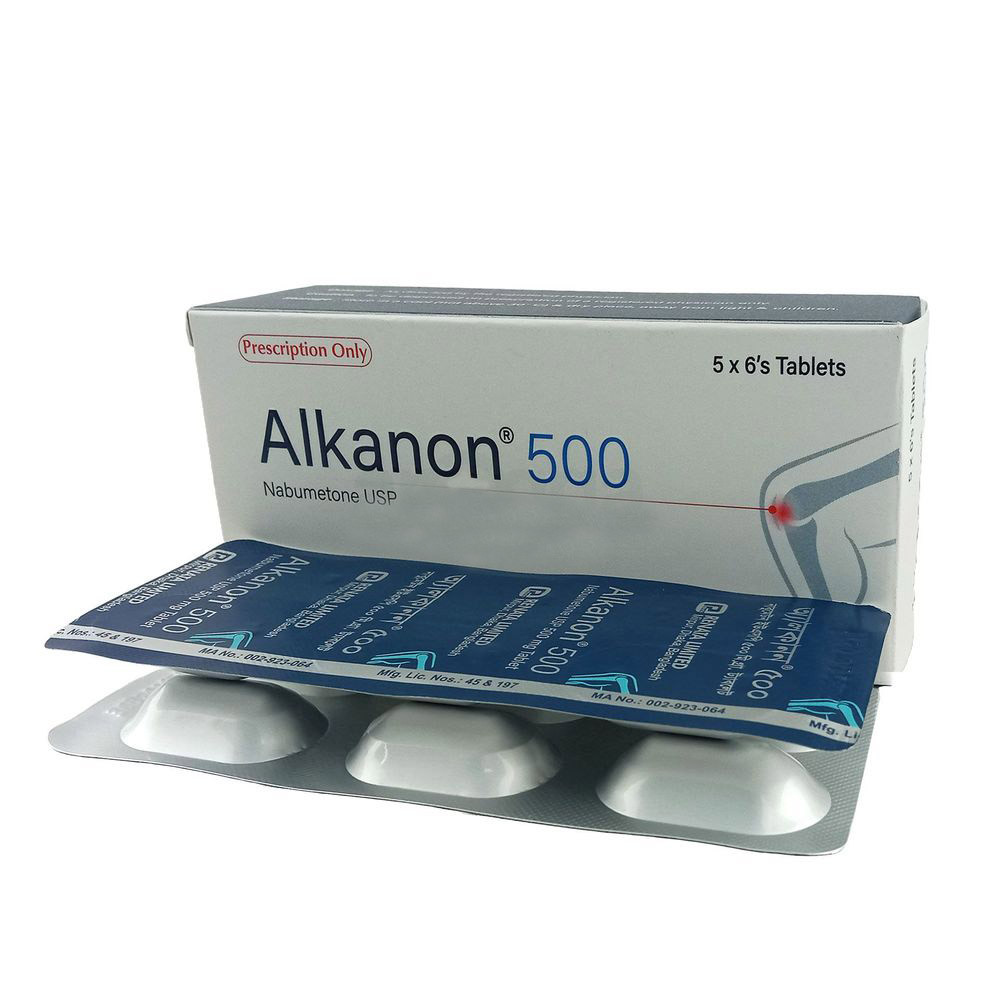
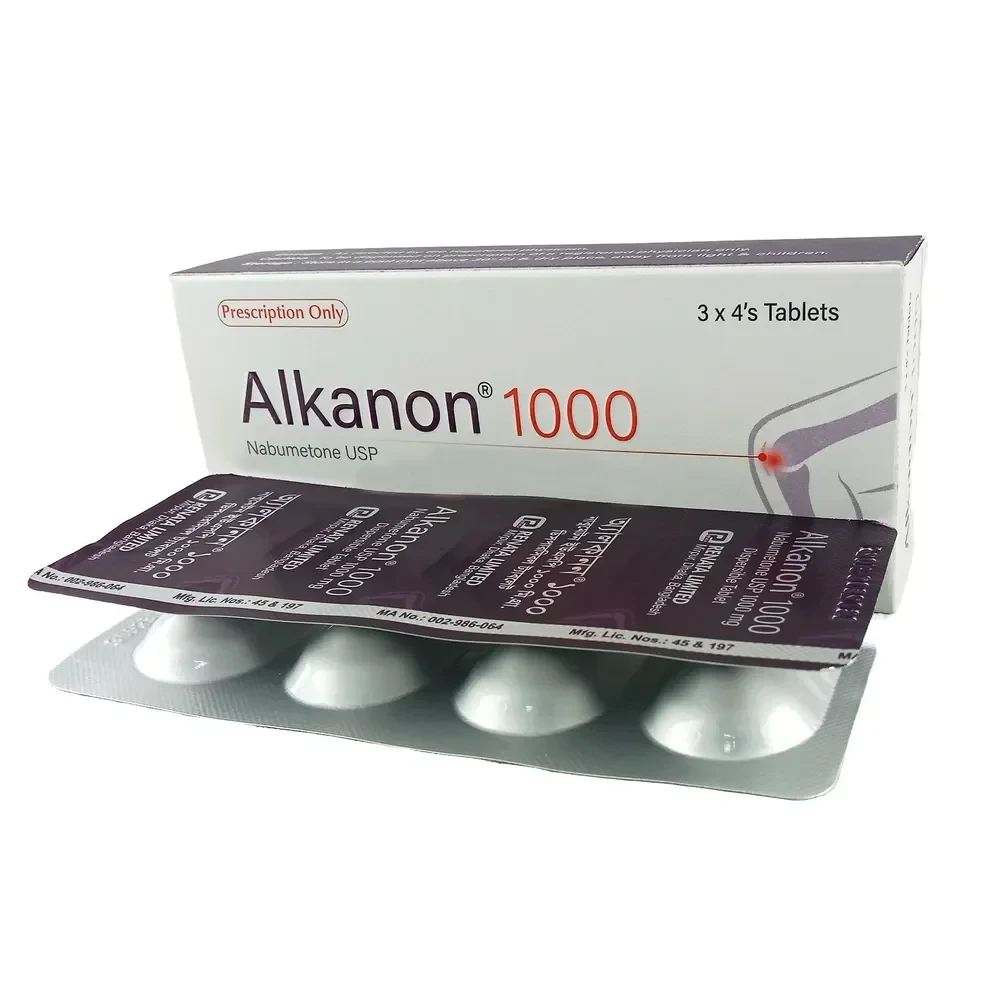
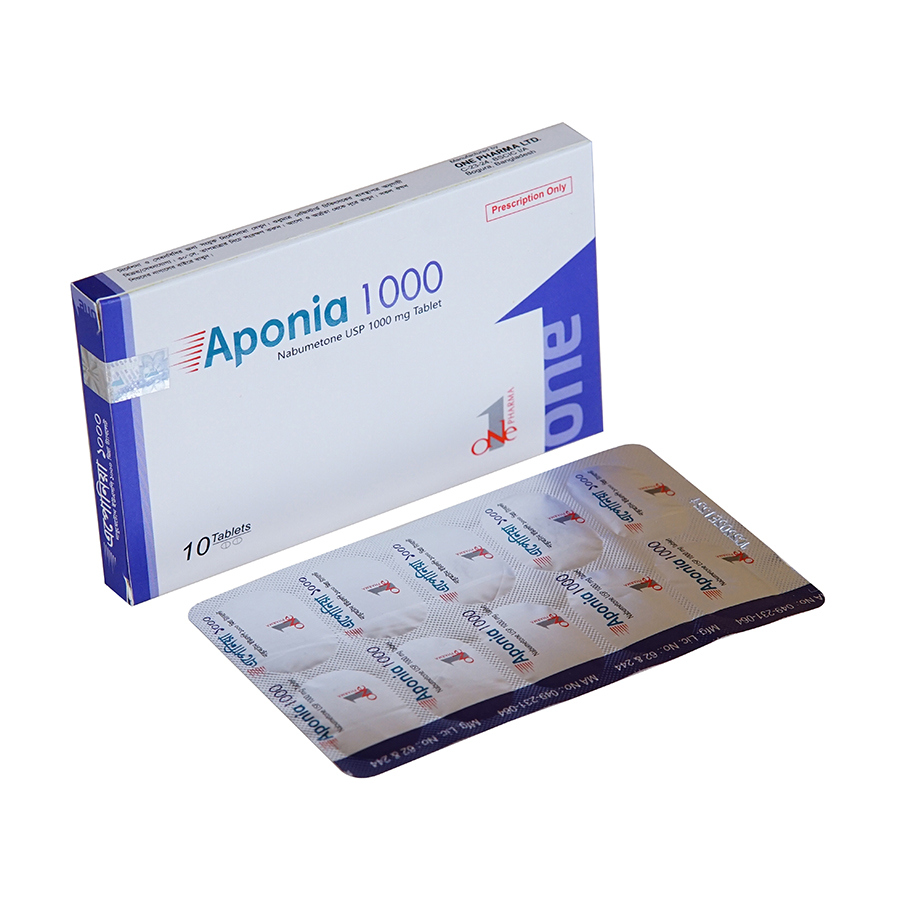
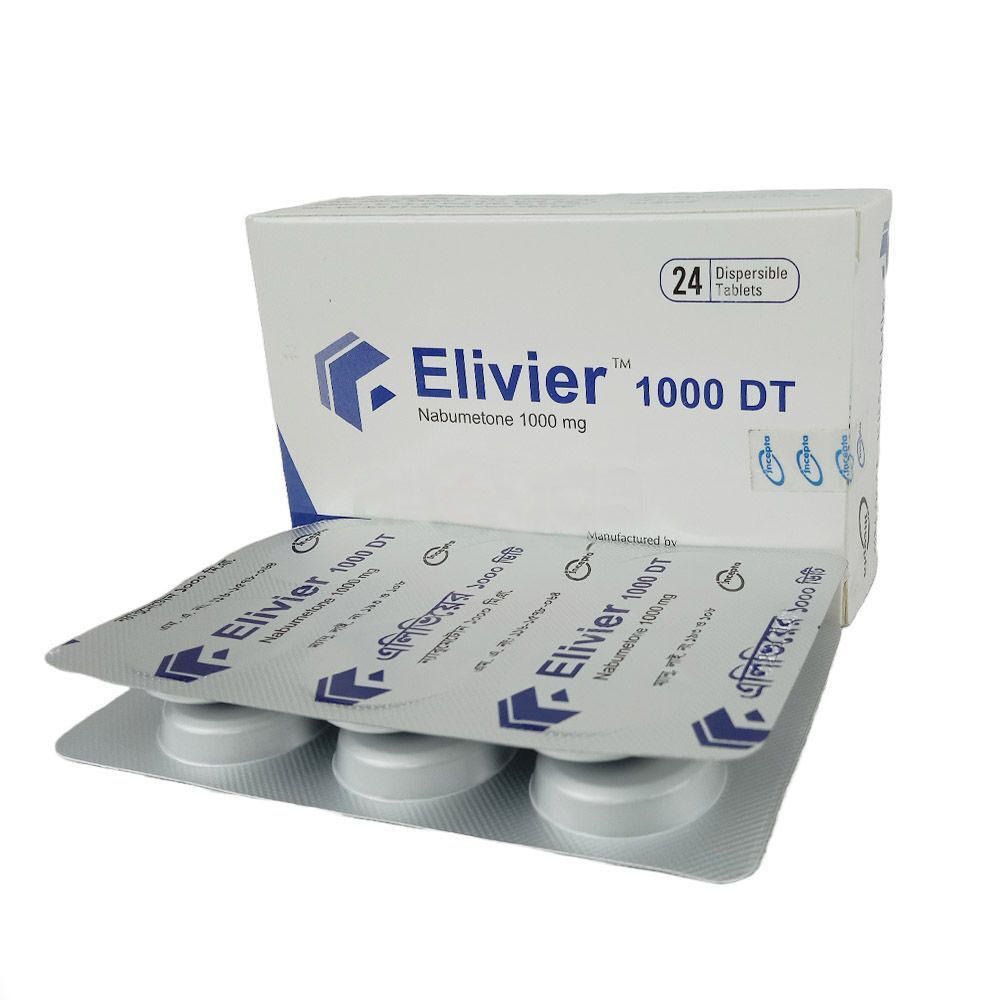
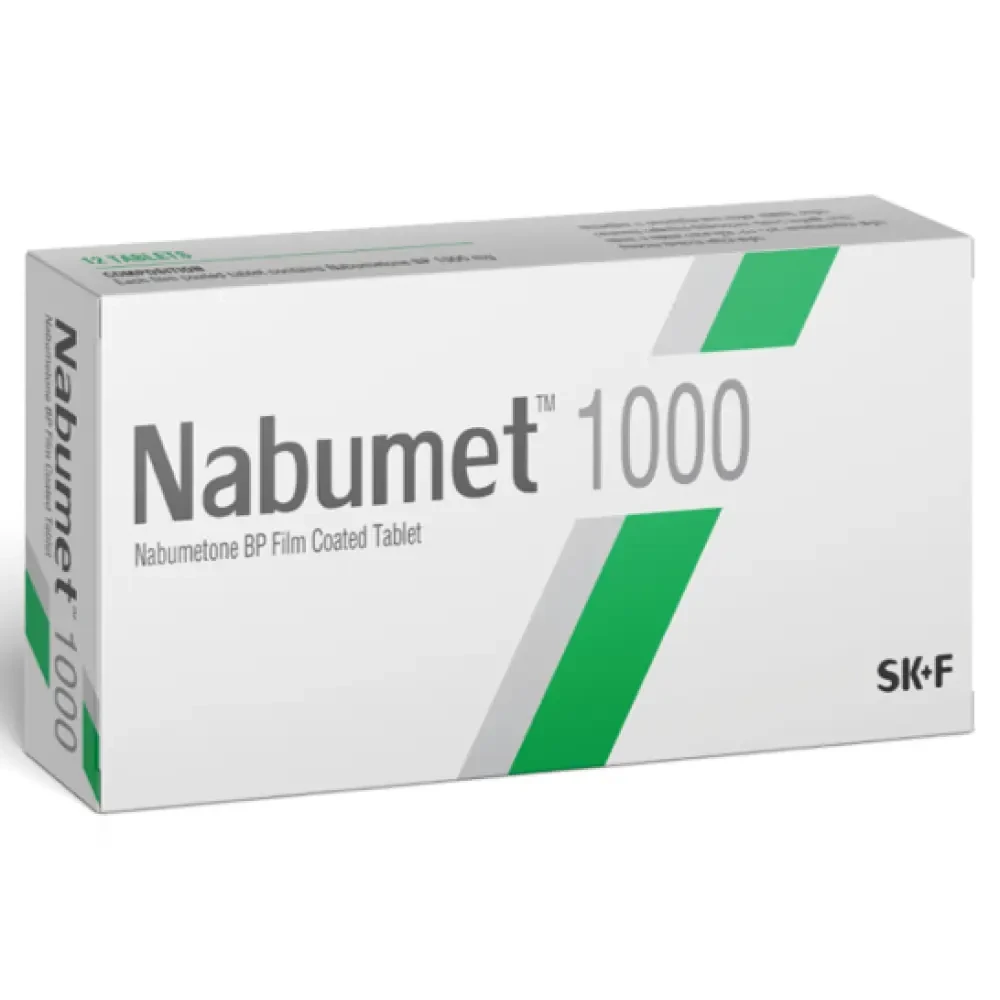
Nabumetone 1000 mg Tablet: Mix 1 tablet thoroughly in a glass (250 ml) of pure water and drink it completely.
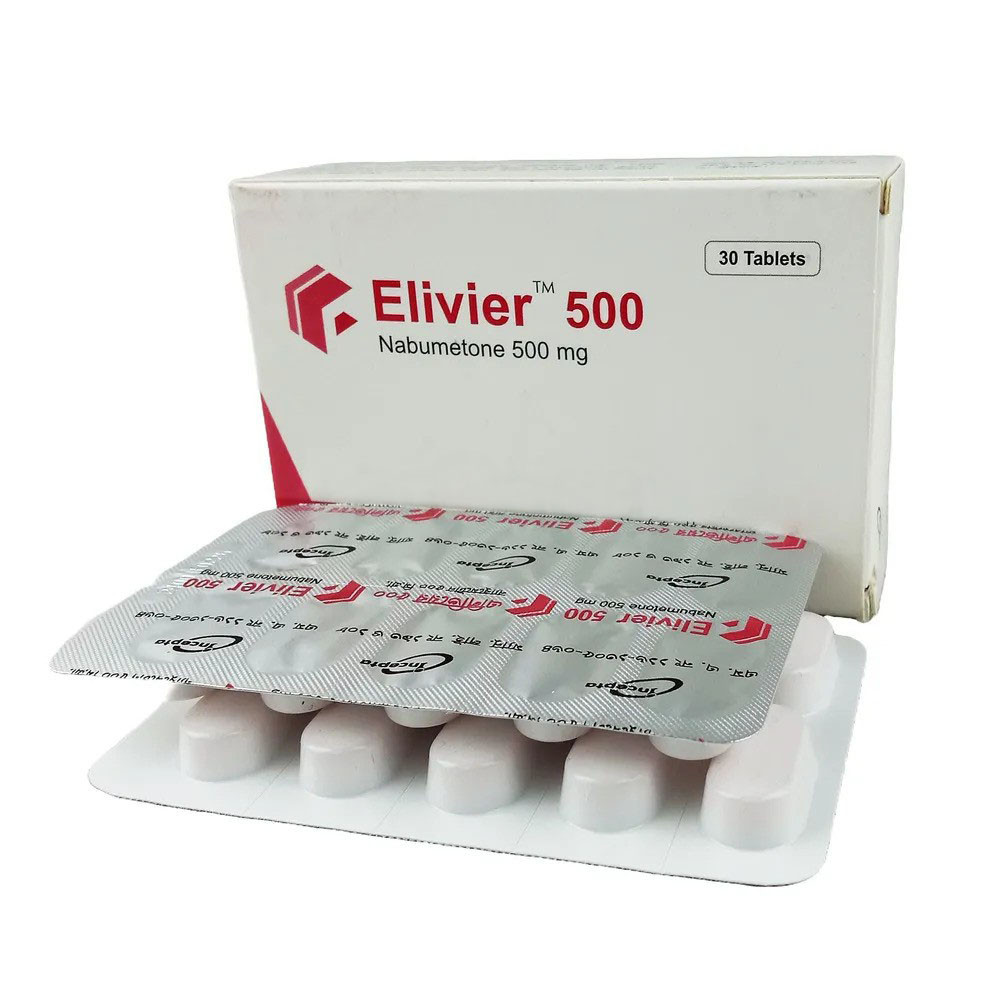
Osteoarthritis and Rheumatoid Arthritis: The recommended starting dose is 1000 mg taken as a single dose with or without food, Some patients may obtain more symptomatic relief from 1500 mg to 2000 mg per day. Nabumetone can be given in either a single or twice-daily dose. Dosages greater than 2000 mg per day have not been studied The lowest effective dose should be used for chronic treatment.
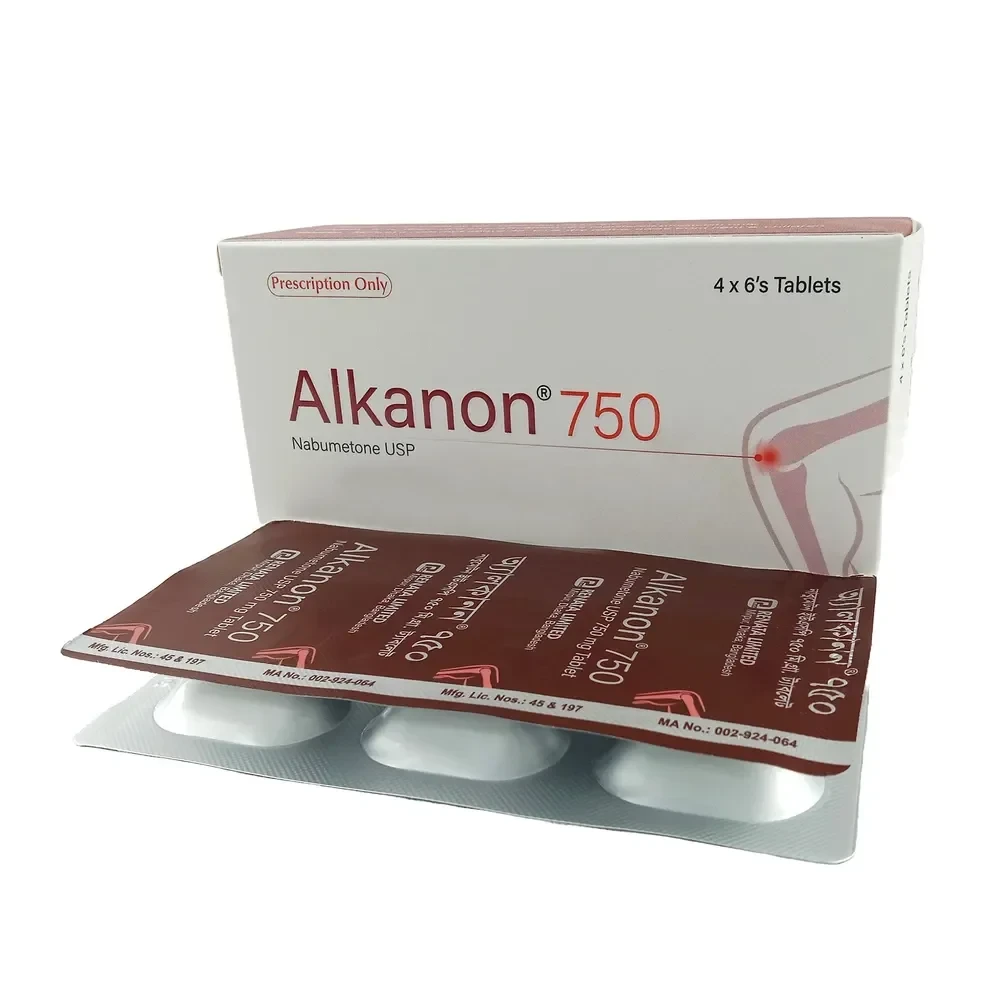
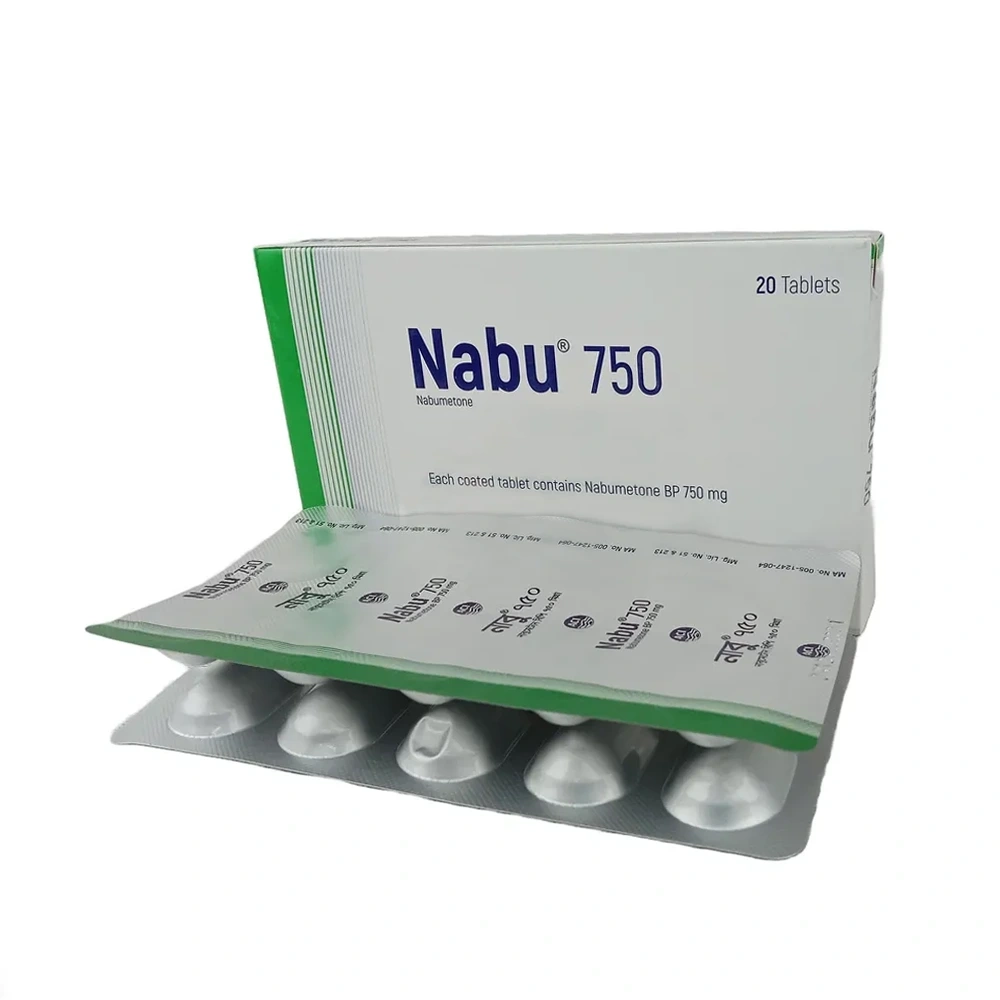
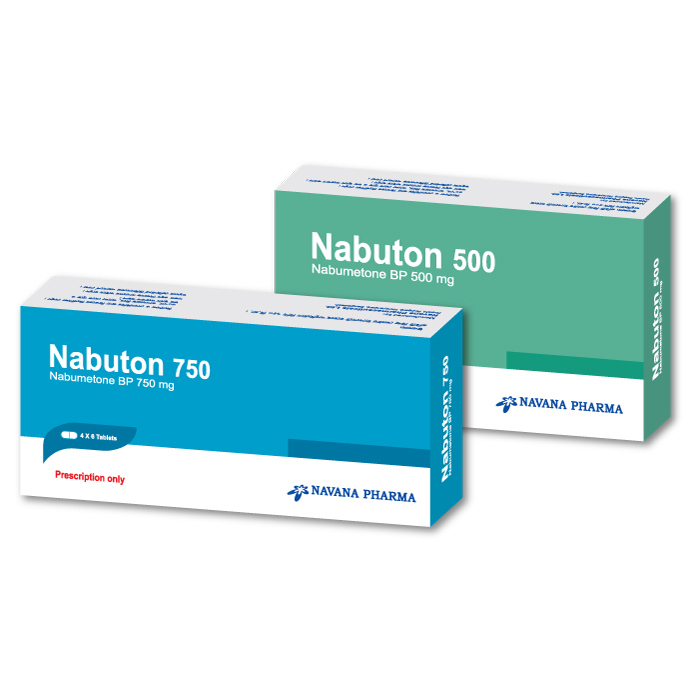
Moderate or severe renal insufficiency: Caution should be taken in prescribing Nabumetone to patients with moderate or severe renal insufficiency The maximum starting doses of Nabumetone in patients with moderate or severe renal insufficiency should not exceed 750 mg or 500 mg, respectively once daily. Following careful monitoring of renal function in patients with moderate or severe renal insufficiency daily doses may be increased to a maximum of 1500 mg and 1000 mg, respectively.
Use in pediatric patients: Safety and effectiveness in pediatric patients have not been established.