Introduction
Metronidazole is a commonly used antibiotic, belonging to the nitroimidazole class of antibiotics. It is frequently used to treat gastrointestinal infections as well as trichomoniasis and giardiasis, and amebiasis which are parasitic infections. Metronidazole has been used as an antibiotic for several decades, with added antiparasitic properties that set it apart from many other antibacterial drugs, allowing it to treat a wide variety of infections. It is available in capsule form, tablet form, and topical form, and suppository preparations for the treatment of various infections.
Uses
Metronidazole is a nitroimidazole used to treat trichomoniasis, amebiasis, inflammatory lesions of rosacea, and bacterial infections, as well as prevent postoperative infections.
Metronidazole is indicated for the treatment of confirmed trichomoniasis caused by Trichomonas vaginalis (except for in the first trimester of pregnancy) and the patient's sexual partners, bacterial vaginosis, certain types of amebiasis, and various anaerobic infections. The above anaerobic infections may occur on the skin and skin structures, the abdomen, the heart, reproductive organs, central nervous system, and the respiratory system. Some may also be present in the bloodstream in cases of septicemia. Common infections treated by metronidazole are Bacteroides species infections, Clostridium infections, and Fusobacterium infections, as well as Peptococcus and Peptostreptococcus infections.
It is also used off-label in the treatment of Crohn's disease and rosacea, as a prophylactic agent after surgery, and in the treatment of Helicobacter pylori infection. It has also been studied in the prevention of preterm births and to treat periodontal disease.
Associated Conditions
Pharmacodynamics
Metronidazole treats amebiasis, trichomoniasis, and giardiasis, exerting both antibacterial and antiprotozoal activities. Metronidazole is an effective treatment for some anaerobic bacterial infections. Metronidazole has shown antibacterial activity against the majority of obligate anaerobes, however, during in vitro studies, it does not demonstrate significant action against facultative anaerobes or obligate aerobes. The nitro group reduction of metronidazole by anaerobic organisms is likely responsible for the drug's antimicrobial cytotoxic effects, causing DNA strand damage to microbes.
A note on convulsions and neuropathy and carcinogenesis
It is important to be aware of the risk of peripheral neuropathy and convulsions associated with metronidazole, especially at higher doses. If convulsions or numbness of an extremity occur, discontinue the drug immediately. Metronidazole has been found to be carcinogenic in mice and rats. The relevance to this effect in humans is unknown. It is advisable to only administer metronidazole when clinically necessary and only for its approved indications.
Mechanism of Action
The exact mechanism of action of metronidazole has not been fully established, however, it is possible that an intermediate in the reduction of metronidazole which is only made by anaerobic bacteria and protozoa, binds deoxyribonucleic acid and electron-transport proteins of organisms, blocking nucleic acid synthesis. After administration, metronidazole enters cells by passive diffusion. Following this, ferredoxin or flavodoxin reduce its nitro group to nitro radicals. The redox potential of the electron transport portions of anaerobic or microaerophilic microorganisms renders metronidazole selective to these organisms, which cause nitro group reduction, leading to the production of toxic metabolites. These include N-(2-hydroxyethyl) oxamic acid and acetamide, which may damage DNA of replicating organisms.
Absorption
After the intravenous infusion of a 1.5g dose, peak concentration was reached within 1 hour and was peak level of 30-40 mg/L. When a multiple-dose regimen of 500mg three times a day administered intravenously, steady-state concentrations were achieved within about 3 days and peak concentration was measured at 26 mg/L. When administered orally in the tablet form, metronidazole is absorbed entirely absorbed, showing a bioavailability of greater than 90%. One resource indicates that Cmax after a single oral dose of 500mg metronidazole ranges from 8 to 13 mg/L, with a Tmax of 25 minutes to 4 hours. The AUC following a single 500mg oral dose of metronidazole was 122 ± 10.3 mg/L • h.
A note on the absorption of topical preparations
Insignificant percutaneous absorption of metronidazole occurs after the application of 1% metronidazole cream topically. Healthy volunteers applied one 100 mg dose of 14C-labelled metronidazole 2% cream to unbroken skin. After 12 hours, metronidazole was not detected in the plasma. Approximately 0.1% to 1% of the administered metronidazole was measured in the urine and feces.
Volume of Distribution
Metronidazole is widely distributed throughout the body and various body fluids. They include the bile, saliva, breastmilk, cerebrospinal fluid, and the placenta. Steady-state volume distribution of metronidazole in adults ranges from 0.51 to 1.1 L/kg. It attains 60 to 100% of plasma concentrations in various tissues, such as the central nervous system, however, is not measured in high concentrations in the placental tissue.
Protein Binding
Metronidazole is less than 20% bound to plasma proteins.
Route of Elimination
Metronidazole and metabolites are 60 to 80% eliminated in the urine, and 6-15% excreted in the feces.
Half Life
The elimination half-life of metronidazole is 7.3 ± 1.0 after a single 500mg IV dose in healthy subjects. Another resource indicates that the elimination half-life for metronidazole ranges from 6 to 10 hours.
Clearance
Dose adjustments may be required in patients with hepatic impairment, as clearance is impaired in these patients. The clearance of metronidazole in the kidneys is estimated at 10 mL/min/1.73 m2. The total clearance from serum is about 2.1 to 6.4 L/h/kg.
Toxicity
LD50 information
The oral LD50 of metronidazole in rats is 5000 mg/kg
Overdose information
Adverse effects that may be exaggerated with an overdose include peripheral neuropathy, central nervous system toxicity, seizures, disulfiram-like effect (if combined with alcohol) dark urine, a metallic taste in the mouth, nausea, epigastric discomfort, and vertigo, in addition to neutropenia. There is no specific antidote for metronidazole overdose. Symptomatic and supportive treatment should be employed in addition to the administration of activated charcoal to remove the unabsorbed drug from the gastrointestinal tract. In addition to the above measures, contact the local poison control center for updated information on the management of a metronidazole overdose.
Food Interactions
- Avoid alcohol. Unpleasant symptoms such as nausea, vomiting, and abdominal distress may occur with alcohol.
- Take with or without food. The extended release formulation should, however, be taken without food.
Dosage
Tablet and Suspension:
Trichomoniasis (Adults & Children over 10 yrs)-- 200 mg tid or 400 mg bid for 7 days
- 800 mg in the morning and 1-2 gm at night for 2 days
- 2 gm as a single dose for 1 days
- Children 7-10 yrs: 100 mg tid
- Children 3-7 yrs: 100 mg bid
- Children 1-3 yrs: 50 mg tid
- 800 mg tid for 5 days
- Children 7-10 yrs: 400 mg tid
- Children 3-7 yrs: 200 mg qid
- Children 1-3 yrs: 200 mg tid
- 400-800 mg tid for 5-10 days
- Children 7-10 yrs: 200-400 mg tid
- Children 3-7 yrs: 100-200 mg qid
- Children 1-3 yrs: 100-200 mg tid
- 2 gm once daily for 3 days
- Children 7-10 yrs: 1 gm once daily
- Children 3-7 yrs: 600-800 mg once daily
- Children 1-3 yrs: 500 mg once daily
- 200 mg tid for 3 days
- Children 7-10 yrs: 100 mg tid
- Children 3-7 yrs: 100 mg bid
- Children 1-3 yrs: 50 mg tid
- 200 mg tid for 3-7 days
- 400 mg bid for 7 days
- 2 gm as a single dose for 1 days
- 400 mg tid for 7 days
- 800 mg initially and then 400 mg tid for 7 days
- Children 1-10 yrs: 7.5 mg/kg tid
- 400 mg tid started 24 hours before surgery for 1 days
- Children 1-10 yrs: 7.5 mg/kg tid
Vaginal Gel:
The recommended dose is one applicator full of Metronidazole gel (approximately 5 grams containing approximately 37.5 mg of Metronidazole) intravaginally once or twice a day for 5 days. For once a day dosing, Metronidazole gel should be administered at bedtime.
Suppository:
Anaerobic Infections-- Adults: 1 g every 8 hours for 3 days, then 1 g every 12 hours.
- Children: 5-10 years: 500 mg every 8 hours for 3 days, then every 12 hours, Over 10 years adult dose.
- Adults: 1 g 2 hours before surgery; up to 3 further doses of 1 g may be given every 8 hours for high risk procedures.
- Children: 5-10 years: 500 mg 2 hours before surgery; up to 3 further doses of 500 mg may be given every 8 hours for high risk procedures.
IV Infusion:
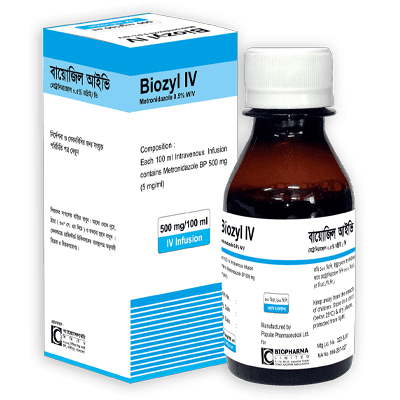
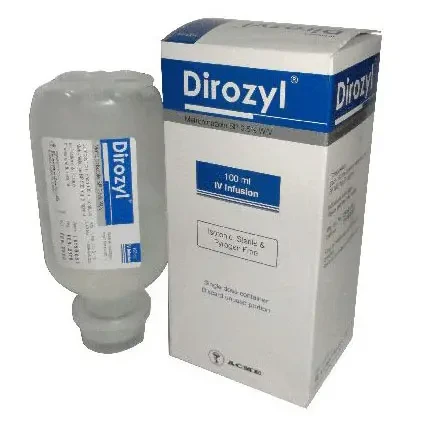
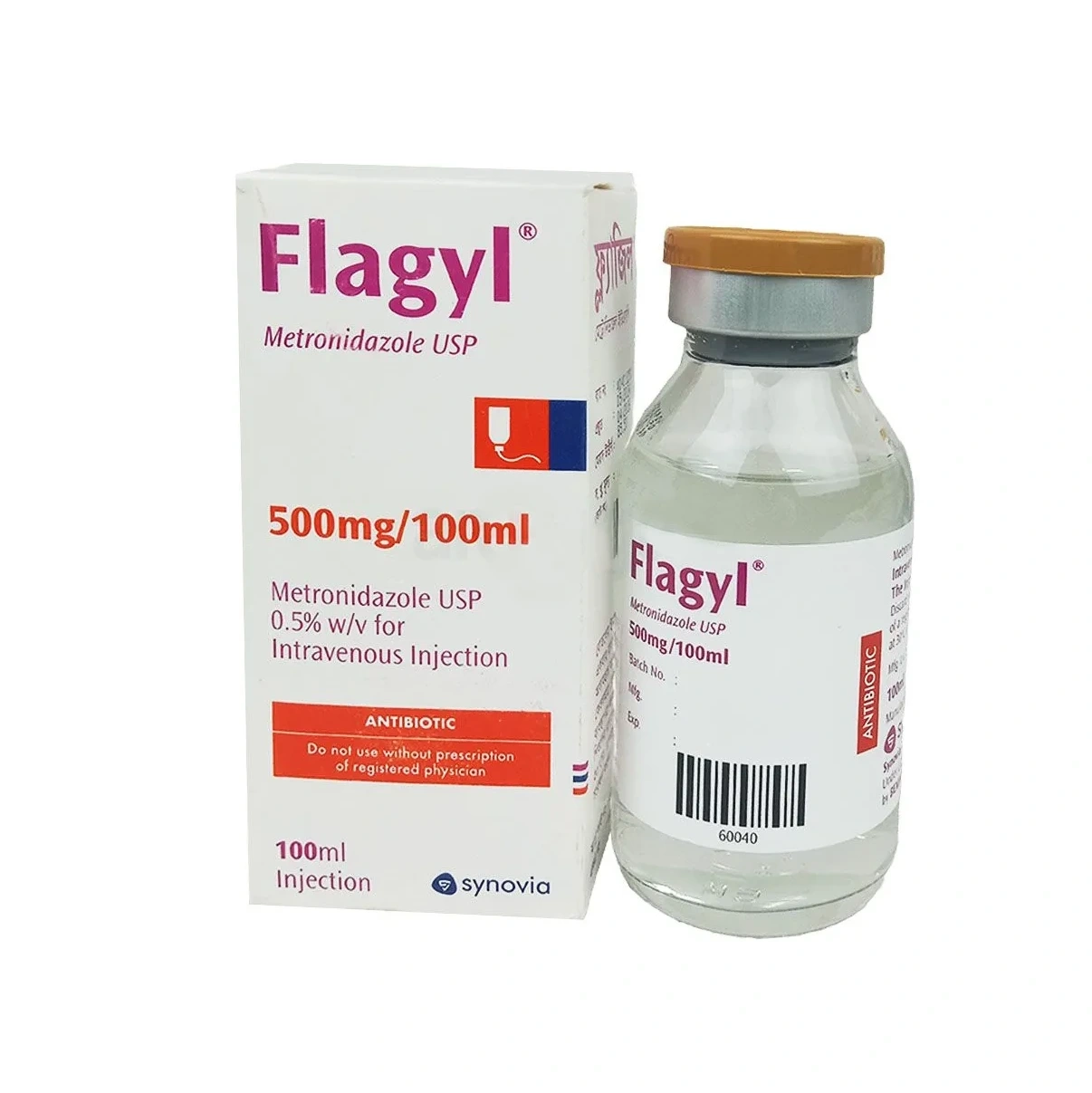
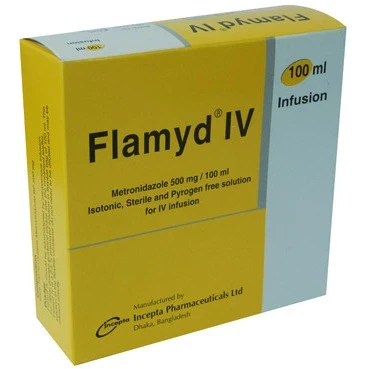
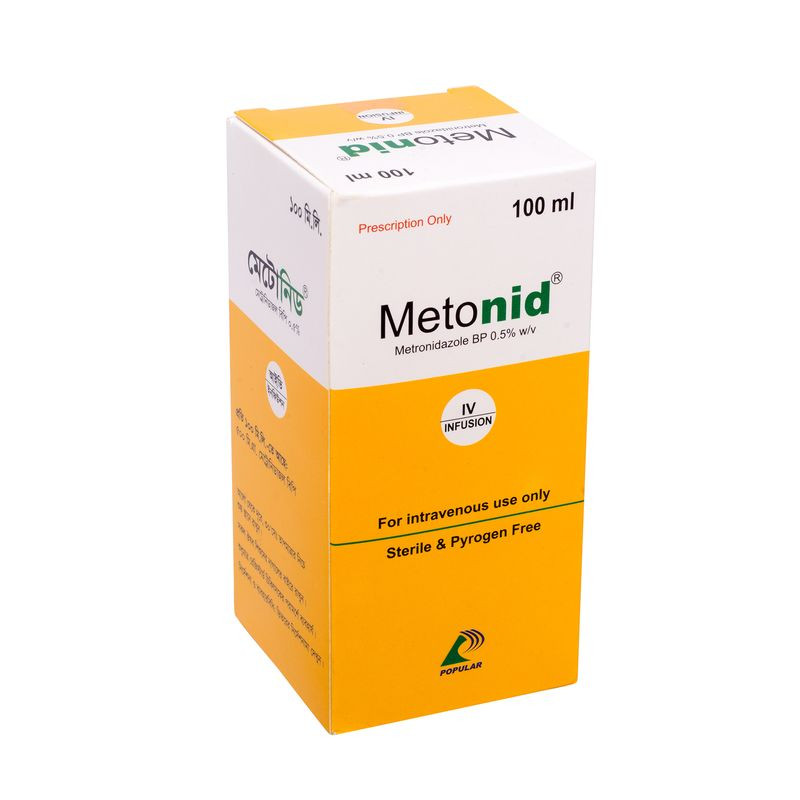
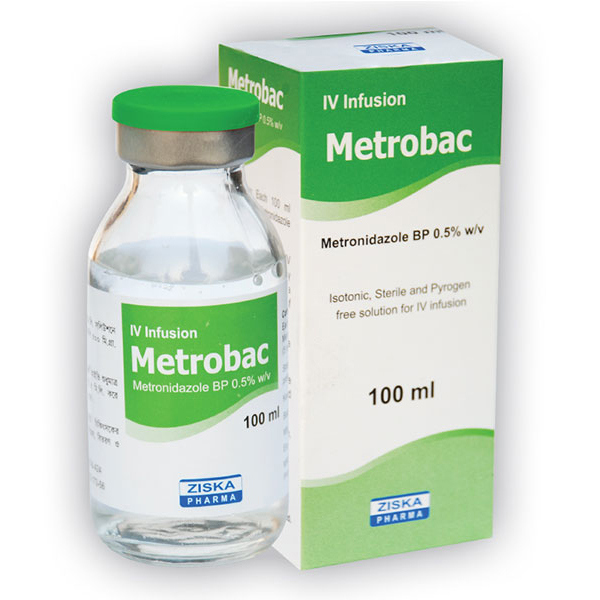
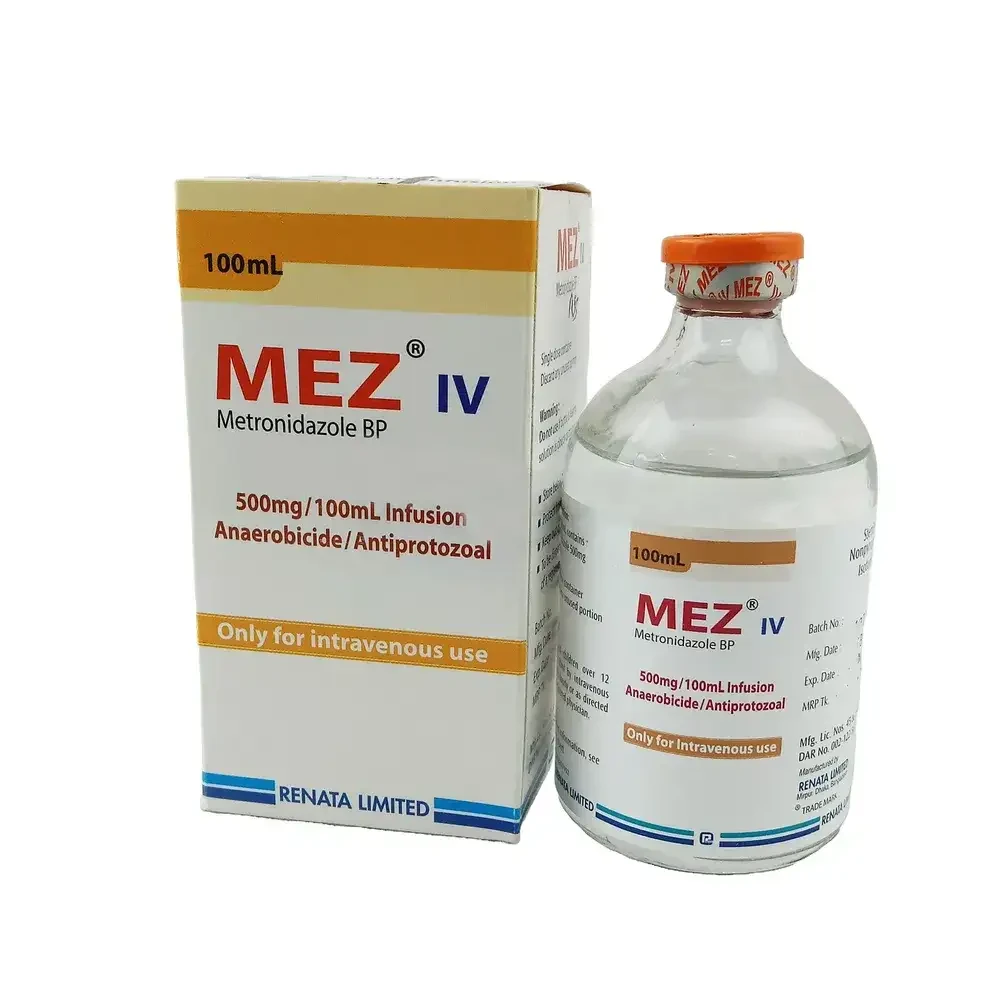
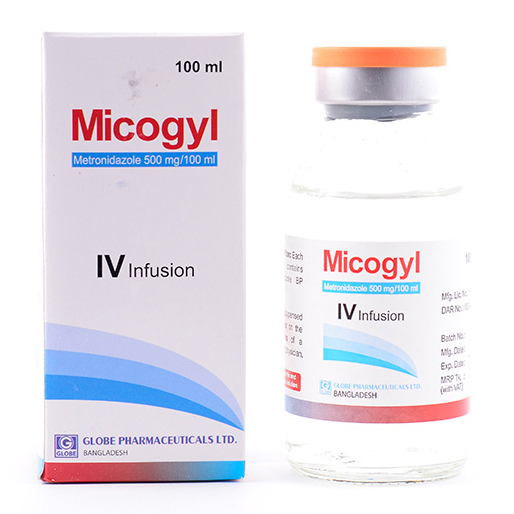
Metronidazole intravenous infusion requires no dilution and should not be mixed with any other drugs prior to administration.- Adults and children over 12 years: Infuse 500 mg 8 hourly at a rate of 5 ml/minute and a maximum of 4 g should not be exceeded during a 24-hour period. Treatment for 7 days is sufficient for most patients, but treatment can be extended, especially for cases where reinfection is likely. For surgical prophylaxis, administration shortly before surgery should be followed by 8-hourly doses for the next 24 hours.
- Children under 12 years: 7.5 mg/kg body weight/day every 8 hours at a rate of 5 ml/minute.