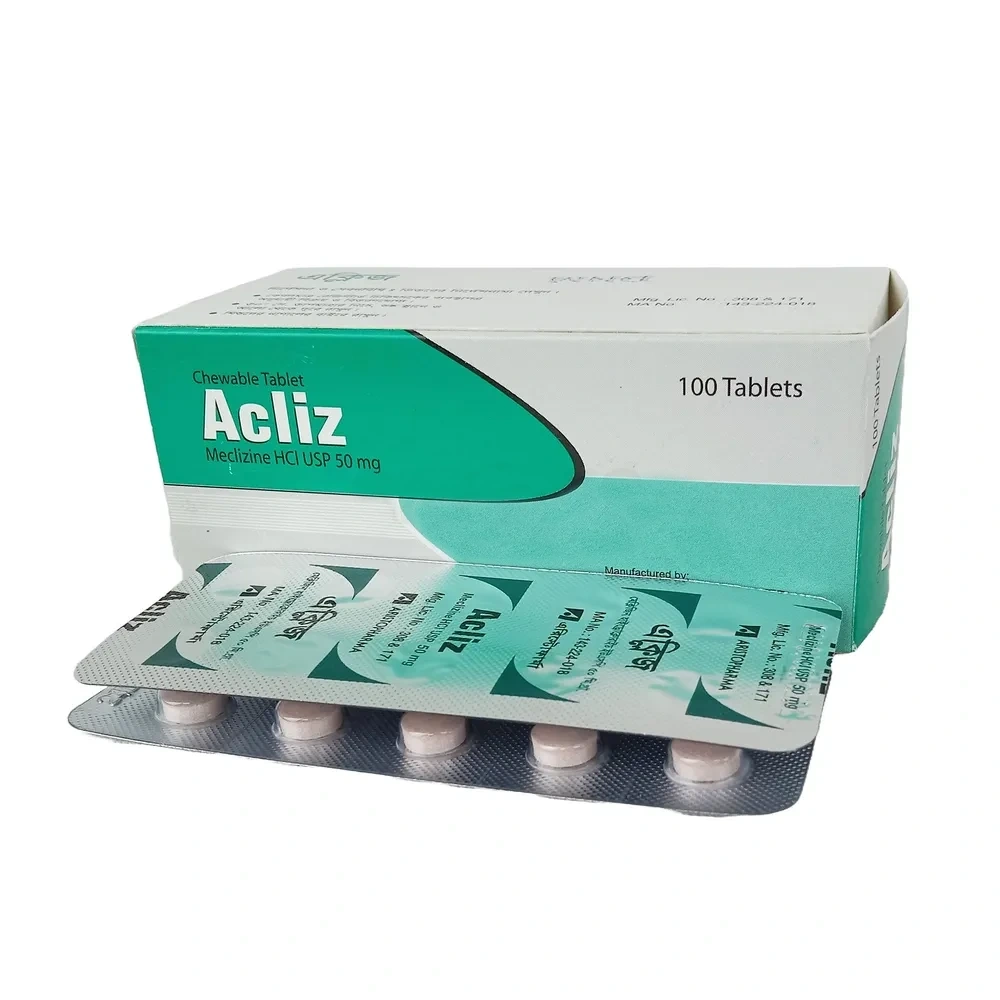
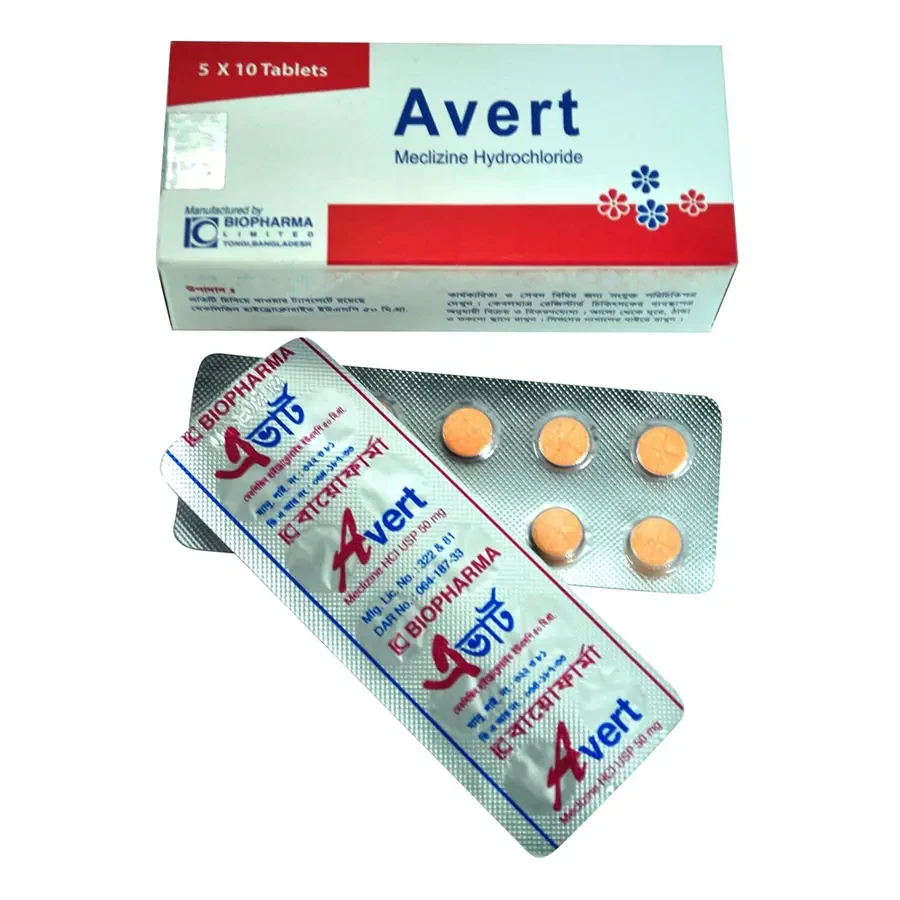
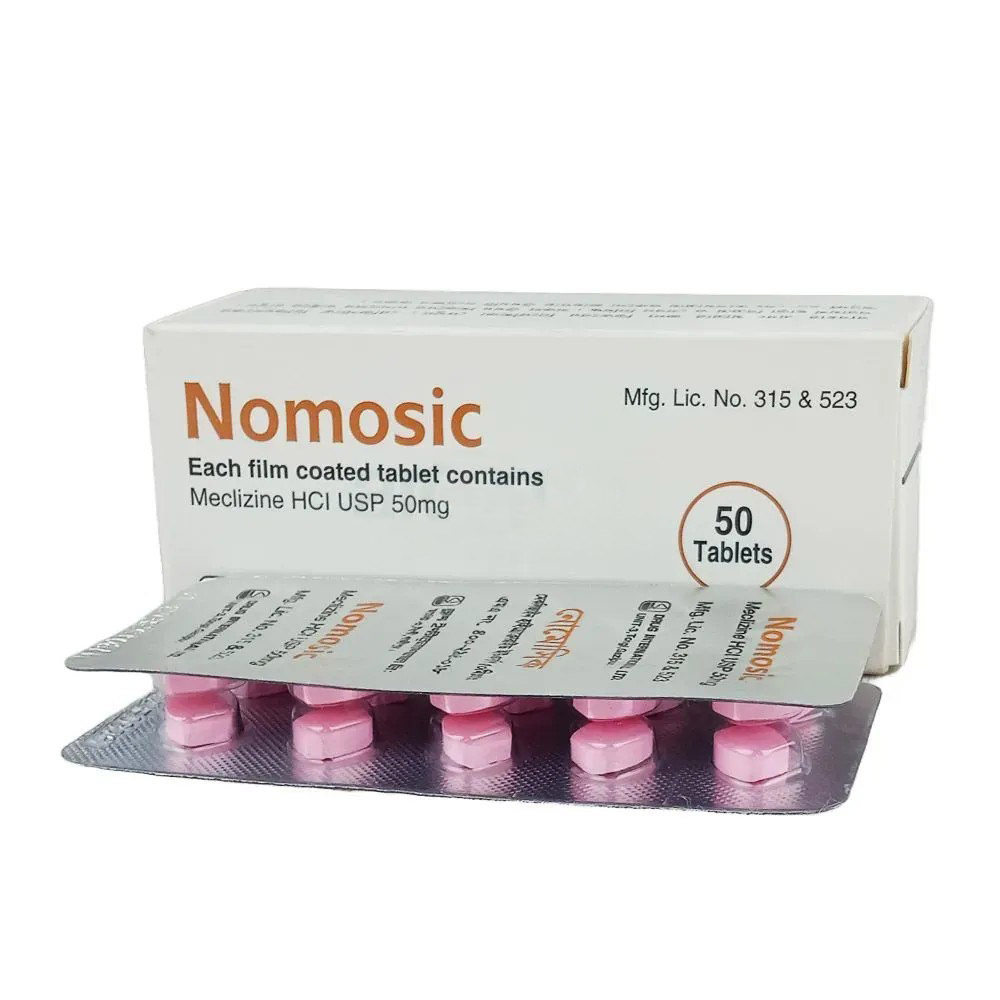
1. What is Meclizine Hydrochloride?
Meclizine Hydrochloride is an antihistamine used to prevent and treat nausea, vomiting, and dizziness caused by motion sickness and vertigo. It is also used for treating allergic reactions such as hay fever and sneezing.
2. How does Meclizine Hydrochloride work?
Meclizine Hydrochloride works by blocking histamine receptors in the brain, reducing the effects of histamine that contribute to symptoms of motion sickness and vertigo. It also acts on the vestibular system to reduce dizziness and nausea.
3. What is Meclizine Hydrochloride used for?
Meclizine Hydrochloride is primarily used for:
- Preventing and treating motion sickness
- Managing dizziness and vertigo caused by inner ear problems such as benign paroxysmal positional vertigo (BPPV)
- Treating allergic conditions such as rhinitis and hay fever
4. How should I take Meclizine Hydrochloride?
Meclizine Hydrochloride is typically taken orally, with or without food. The recommended dosage is usually 25 to 50 mg taken once a day, but it can vary depending on the condition being treated. Always follow your doctor’s instructions for the correct dosage.
5. Can I take Meclizine Hydrochloride with other medications?
Meclizine Hydrochloride can interact with other medications, particularly those that cause drowsiness or have central nervous system (CNS) depressant effects, such as alcohol, benzodiazepines, and sedatives. Always inform your healthcare provider of all medications you're taking.
6. What are the common side effects of Meclizine Hydrochloride?
Common side effects include:
- Drowsiness or sleepiness
- Dry mouth
- Headache
- Blurred vision
- Constipation
If you experience any severe side effects such as difficulty breathing or swelling, seek medical attention immediately.
7. Can I drive after taking Meclizine Hydrochloride?
Meclizine Hydrochloride can cause drowsiness, so it is recommended to avoid driving or operating heavy machinery until you know how the medication affects you. Always assess your level of alertness before engaging in activities that require full concentration.
8. Can Meclizine Hydrochloride cause an allergic reaction?
While rare, an allergic reaction to Meclizine Hydrochloride is possible. Symptoms of an allergic reaction may include hives, swelling of the face or throat, difficulty breathing, and a rash. Seek emergency medical help if you experience any of these symptoms.
9. Can I take Meclizine Hydrochloride if I am pregnant?
Meclizine Hydrochloride is categorized as a pregnancy category B medication, which means it is generally considered safe during pregnancy. However, it is always best to consult with your healthcare provider before taking any medication during pregnancy.
10. Can I take Meclizine Hydrochloride while breastfeeding?
Meclizine Hydrochloride passes into breast milk in small amounts. While it is generally considered safe for breastfeeding, you should consult your doctor before taking this medication while nursing to ensure it is appropriate for you and your baby.
11. How should Meclizine Hydrochloride be stored?
Store Meclizine Hydrochloride at room temperature, away from moisture and heat. Keep it in its original packaging and out of reach of children.
12. What should I do if I miss a dose of Meclizine Hydrochloride?
If you miss a dose, take it as soon as you remember, unless it’s almost time for your next dose. In that case, skip the missed dose and take your next dose at the regular time. Do not take extra medication to make up for a missed dose.
13. Can Meclizine Hydrochloride be taken for long periods?
Meclizine Hydrochloride is generally intended for short-term use, especially for conditions like motion sickness and vertigo. Long-term use should be done under the guidance of a healthcare provider to assess any potential side effects or risks.
14. Can Meclizine Hydrochloride cause drowsiness?
Yes, drowsiness is a common side effect of Meclizine Hydrochloride. If you experience drowsiness, it is advised to avoid activities that require full concentration, such as driving or operating machinery.
15. Is Meclizine Hydrochloride safe for children?
Meclizine Hydrochloride is generally not recommended for children under the age of 12, as the safety and effectiveness have not been established for younger populations. Consult your healthcare provider for the appropriate treatment for children.
16. Can Meclizine Hydrochloride be used for nausea and vomiting caused by chemotherapy?
Meclizine Hydrochloride may help reduce nausea and vomiting in some patients, but it is not typically used for nausea caused by chemotherapy. Other antiemetic medications are often prescribed for this purpose.
17. Can Meclizine Hydrochloride be used to treat motion sickness in pets?
Meclizine Hydrochloride is sometimes prescribed by veterinarians for dogs with motion sickness. However, you should not give this medication to your pet without consulting a veterinarian first.
18. What is the difference between Meclizine Hydrochloride and Dramamine?
Meclizine Hydrochloride is the active ingredient in Dramamine, which is an over-the-counter medication used to treat motion sickness and nausea. Meclizine Hydrochloride is the generic form, while Dramamine is the branded version.
19. What should I do if I accidentally overdose on Meclizine Hydrochloride?
If you believe you have overdosed on Meclizine Hydrochloride, contact a healthcare professional or poison control center immediately. Symptoms of an overdose may include severe drowsiness, dry mouth, blurry vision, and difficulty urinating.
20. Does Meclizine Hydrochloride interact with alcohol?
Alcohol can increase the sedative effects of Meclizine Hydrochloride, leading to increased drowsiness and other side effects. It is recommended to avoid drinking alcohol while taking this medication.
21. How does Meclizine Hydrochloride help with vertigo?
Meclizine Hydrochloride works by blocking histamine receptors in the brain, which helps reduce the symptoms of dizziness and vertigo caused by inner ear problems. It can also help prevent nausea associated with these conditions.
22. Can Meclizine Hydrochloride be taken before flying to prevent motion sickness?
Yes, Meclizine Hydrochloride can be taken before travel to prevent motion sickness. It’s recommended to take the medication about an hour before travel to allow it to take effect.
23. Is there a non-prescription version of Meclizine Hydrochloride?
Yes, Meclizine Hydrochloride is available over-the-counter in some countries, especially in motion sickness products like Dramamine. However, higher doses may require a prescription.
24. Can Meclizine Hydrochloride be used for inner ear infections?
Meclizine Hydrochloride is not specifically used to treat inner ear infections, but it can help manage dizziness and nausea that may occur due to the infection. You should consult your doctor for appropriate treatment of ear infections.
25. Can I use Meclizine Hydrochloride for dizziness caused by low blood pressure?
Meclizine Hydrochloride is not recommended for dizziness caused by low blood pressure. It’s important to address the underlying cause of the dizziness. Consult your doctor for advice on treatment options for low blood pressure-related dizziness.
26. Can Meclizine Hydrochloride be used for nausea during pregnancy?
Meclizine Hydrochloride is considered safe during pregnancy for short-term use, especially for nausea related to motion sickness. However, it’s best to consult your healthcare provider before using any medication during pregnancy.
27. How does Meclizine Hydrochloride compare to other antihistamines for dizziness?
Meclizine Hydrochloride is a first-generation antihistamine that has a sedative effect, which makes it effective for treating dizziness associated with vertigo and motion sickness. However, other antihistamines may be less sedating but may not be as effective for treating motion sickness.
28. Does Meclizine Hydrochloride help with nausea caused by anxiety?
Meclizine Hydrochloride is not typically used for nausea related to anxiety. While it can help with nausea from motion sickness or vertigo, medications specifically targeting anxiety may be more appropriate for anxiety-related symptoms.
29. What should I do if I have difficulty swallowing Meclizine Hydrochloride tablets?
If you have trouble swallowing tablets, you can ask your doctor or pharmacist if the medication is available in a liquid form or if crushing the tablets is an option. Never crush medication without consulting a healthcare professional first.
30. Can Meclizine Hydrochloride be used to treat nausea caused by migraines?
Meclizine Hydrochloride may help manage the nausea associated with migraines, but it is not a first-line treatment. Other medications specifically designed for migraine relief, such as triptans, are often used.
31. Does Meclizine Hydrochloride help with nausea from chemotherapy?
Meclizine Hydrochloride may be used for nausea related to chemotherapy, but other medications such as ondansetron or metoclopramide are more commonly prescribed for this purpose.
32. Can I stop taking Meclizine Hydrochloride if I no longer feel dizzy?
It’s important to follow your doctor’s guidance on how to discontinue Meclizine Hydrochloride. Even if symptoms improve, your doctor may recommend tapering the dosage to avoid a recurrence of dizziness or vertigo.
33. Is Meclizine Hydrochloride effective for nausea during pregnancy?
Meclizine Hydrochloride may be prescribed to manage nausea and vomiting during pregnancy, especially for morning sickness. However, always consult with your healthcare provider before using any medication during pregnancy.
34. Can Meclizine Hydrochloride be taken if I have a history of seizures?
If you have a history of seizures, consult your doctor before taking Meclizine Hydrochloride. While it’s not known to directly cause seizures, it may have interactions with other medications or conditions.
35. Can I use Meclizine Hydrochloride for motion sickness if I have asthma?
Meclizine Hydrochloride is generally safe for individuals with asthma, but you should consult your doctor to ensure it doesn’t interact with your asthma medications or trigger symptoms.
36. Does Meclizine Hydrochloride cause weight gain?
Weight gain is not a common side effect of Meclizine Hydrochloride. However, if you notice unexplained weight changes, consult your healthcare provider.
37. How long does it take for Meclizine Hydrochloride to work?
Meclizine Hydrochloride typically starts working within one hour of ingestion, with effects lasting up to 24 hours. The exact timing may vary depending on individual response.
38. Can I take Meclizine Hydrochloride for morning sickness?
Meclizine Hydrochloride can be used to treat morning sickness, but you should only take it under the guidance of your healthcare provider, as other treatments may be more effective or safer during pregnancy.
39. Can Meclizine Hydrochloride be used for anxiety-induced dizziness?
Meclizine Hydrochloride is not typically used for dizziness caused by anxiety. It’s designed to treat dizziness from conditions like vertigo or motion sickness. Consult your doctor for appropriate treatment of anxiety-related symptoms.
40. Can Meclizine Hydrochloride be used in elderly patients?
Meclizine Hydrochloride is generally safe for elderly patients, but they may be more sensitive to the medication’s sedative effects. Dose adjustments may be necessary, so always consult with your doctor.
41. Can Meclizine Hydrochloride cause dry mouth?
Dry mouth is a common side effect of Meclizine Hydrochloride. To help alleviate dry mouth, drink plenty of water, suck on sugar-free lozenges, or chew sugar-free gum.
42. Is Meclizine Hydrochloride addictive?
Meclizine Hydrochloride is not addictive. However, it should be taken only as prescribed to avoid potential misuse or side effects.
43. Can Meclizine Hydrochloride interact with antidepressants?
Meclizine Hydrochloride may interact with certain antidepressants, particularly those that have sedative effects. Always inform your healthcare provider of all medications you are taking.
44. Can I use Meclizine Hydrochloride to treat seasickness?
Yes, Meclizine Hydrochloride is effective in preventing and treating seasickness, as it helps control dizziness and nausea caused by motion.
45. What should I do if I experience side effects while taking Meclizine Hydrochloride?
If you experience severe side effects, such as difficulty breathing, swelling, or irregular heartbeat, seek emergency medical help. For milder side effects like drowsiness or dry mouth, consult your doctor for advice.
46. Can Meclizine Hydrochloride cause blurry vision?
Blurry vision is a potential side effect of Meclizine Hydrochloride due to its anticholinergic properties. If you experience blurry vision, contact your healthcare provider.
47. How long can I safely take Meclizine Hydrochloride for motion sickness?
Meclizine Hydrochloride can be taken for short-term relief of motion sickness. If you need to use it frequently, consult your doctor to determine if there are underlying issues or if an alternative treatment is needed.
48. Does Meclizine Hydrochloride cause constipation?
Constipation is a possible side effect of Meclizine Hydrochloride. If you experience constipation, increase your fiber intake, drink plenty of water, and consult your doctor for additional guidance.
49. Can Meclizine Hydrochloride be used for nausea caused by migraines?
Meclizine Hydrochloride may help alleviate nausea associated with migraines, but it is not typically used as a primary treatment for migraines. Other medications are more effective in managing migraines.
50. Can Meclizine Hydrochloride be used for anxiety-induced dizziness?
Meclizine Hydrochloride is not used to treat dizziness caused by anxiety. It is specifically designed for vertigo and motion sickness. Consult a healthcare provider for treatment options for anxiety-induced dizziness.