Introduction
Ketoconazole is an imidazole antifungal agent used in the prevention and treatment of a variety of fungal infections. It functions by preventing the synthesis of ergosterol, the fungal equivalent of cholesterol, thereby increasing membrane fluidity and preventing growth of the fungus. At this time it was considered a significant improvement over previous antifungals, miconazole and clotrimazole, due to its broad spectrum and good absorption. However, it was discovered that ketoconazole produces frequent gastrointestinal side effects and dose-related hepatitis. These effects combined with waning efficacy led to its eventual replacement by triazole agents, fluconazole, itraconazole, voriconazole, and posaconazole. Ketoconazole and its predecessor clotrimazole continue to be used in topical formulations.
Uses
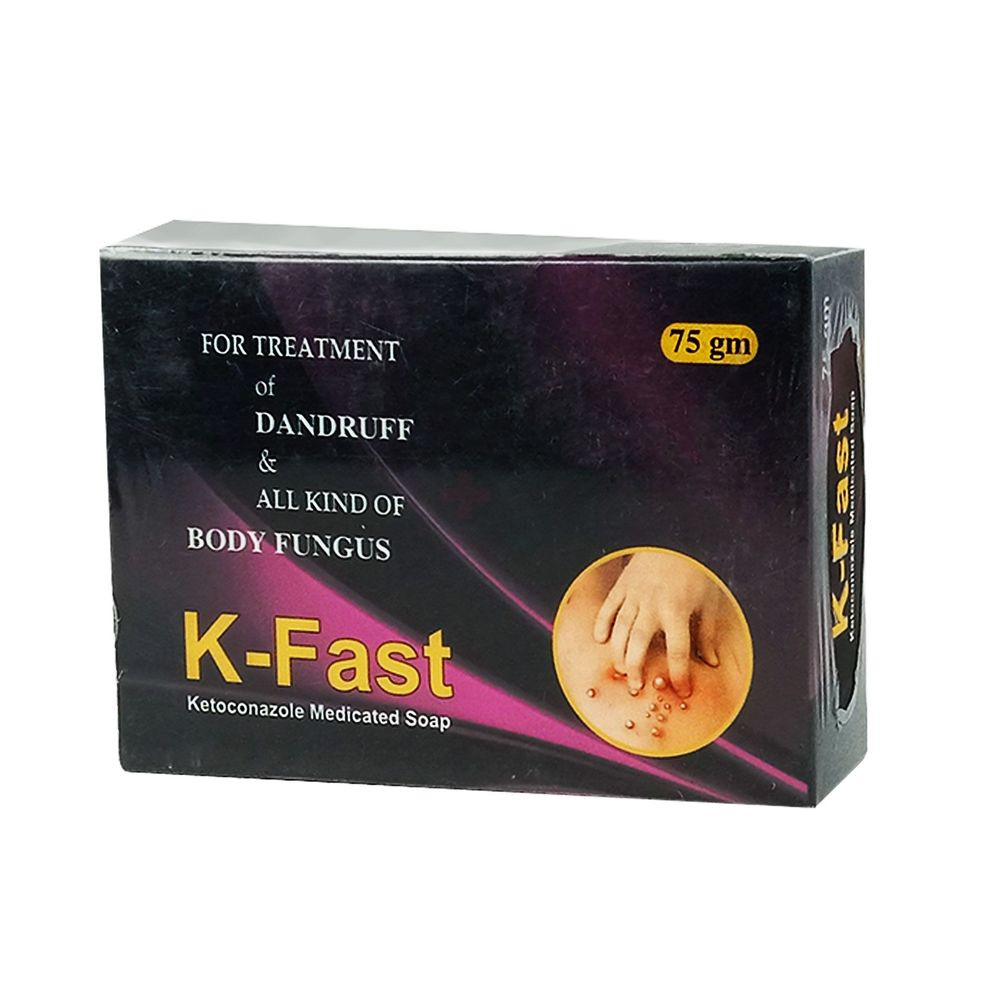
Ketoconazole is a broad spectrum antifungal used to treat seborrheic dermatitis and fungal skin infections.
Ketoconazole is used in the treatment or prevention of fungal infections including blastomycosis, candidiasis, coccidioidomycosis, histoplasmosis, chromomycosis, and paracoccidioidomycosis. In Europe, it is also used in the treatment of endogenous Cushing's syndrome.
Associated Conditions
Pharmacodynamics
Ketoconazole, similarly to other azole antifungals, is a fungistatic agent which causes growth arrest in fungal cells thereby preventing growth and spread of the fungus throughout the body.
Mechanism of Action
Ketoconazole interacts with 14-α-sterol demethylase, a cytochrome P-450 enzyme necessary for the conversion of lanosterol to ergosterol. This results in inhibition of ergosterol synthesis and increased fungal cellular permeability due to reduced amounts of ergosterol present in the fungal cell membrane. This metabolic inhibition also results in accumulation of 14α-methyl-3,6-diol, a toxic metabolite. The increase in membrane fluidity is also thought to produce impairment of membrane-bound enzyme systems as components become less closely packed.
Absorption
Ketoconazole requires an acidic environment to become soluble in water. At pH values above 3 it becomes increasingly insoluble with about 10% entering solution in 1 h. At pH less than 3 dissolution is 85% complete in 5 min and entirely complete within 30 min. A single 200 mg oral dose produces a Cmax of 2.5-3 mcg/mL with a Tmax of 1-4 h. Administering ketoconazole with food consistently increases Cmax and delays Tmax but literature is contradictory regarding the effect on AUC, which may experience a small decrease. A bioavailablity of 76% has been reported for ketoconazole.
Volume of Distribution
Ketoconazole has an estimated volume of distribution of 25.41 L or 0.36 L/kg. It distributes widely among the tissues, reaching effective concentrations in the skin, tendons, tears, and saliva. Distribution to vaginal tissue produces concentrations 2.4 times lower than plasma. Penetration into the CNS, bone, and seminal fluid are minimal. Ketoconazole has been found to enter the breast milk and cross the placenta in animal studies.
Protein Binding
Ketoconazole is approximately 84% bound to plasma albumin with another 15% associated with blood cells for a total of 99% binding within the plasma.
Route of Elimination
Only 2-4% of the ketoconazole dose is eliminated unchanged in the urine. Over 95% is eliminated through hepatic metabolism.
Half Life
Ketoconazole experiences biphasic elimination with the first phase having a half-life of 2 hours and a terminal half life of 8 hours.
Clearance
Ketoconazole has an estimated clearance of 8.66 L/h.
Toxicity
Symptoms of overdose include acute liver injury, which may include both hepatocellular and cholestatic injury, accompanied by anorexia, fatigue, nausea, and jaundice. In case of overdose, gastric lavage with activated charcoal may be used if within one hour of ketoconazole ingestion otherwise provide supportive care. If the patient shows signs of adrenal insufficiency, administer 100 mg hydrocortisone once together with saline and glucose infusion and monitor the patient closely. Blood pressure and fluid and electrolyte balance should be monitored over the next few days.
Food Interactions
- Avoid alcohol. Drinking alcohol while on ketoconazole treatment may cause liver injury.
- Avoid multivalent ions. They may decrease ketoconazole concentrations.
- Take with food. Food decreases gastrointestinal irritation caused by ketoconazole.
Dosage
Treatment:
- Pityriasis versicolor: Once daily for 5 days.
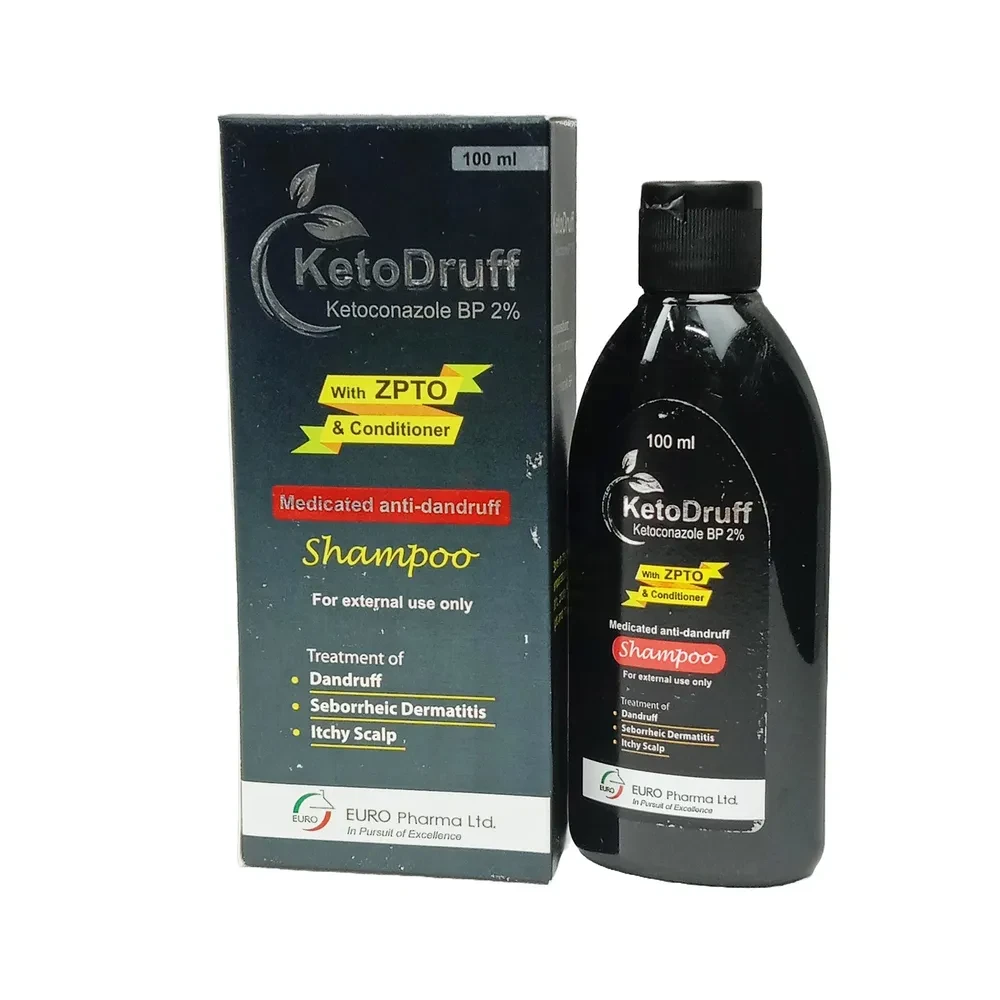
- Seborrhoeic dermatitis and pityriasis capitis: Twice weekly for 2 to 4 weeks.
- Pityriasis versicolor: Once daily for 3 days during a single treatment course before the summer.
- Seborrhoeic dermatitis and pityriasis capitis: Once every 1 or 2 weeks.
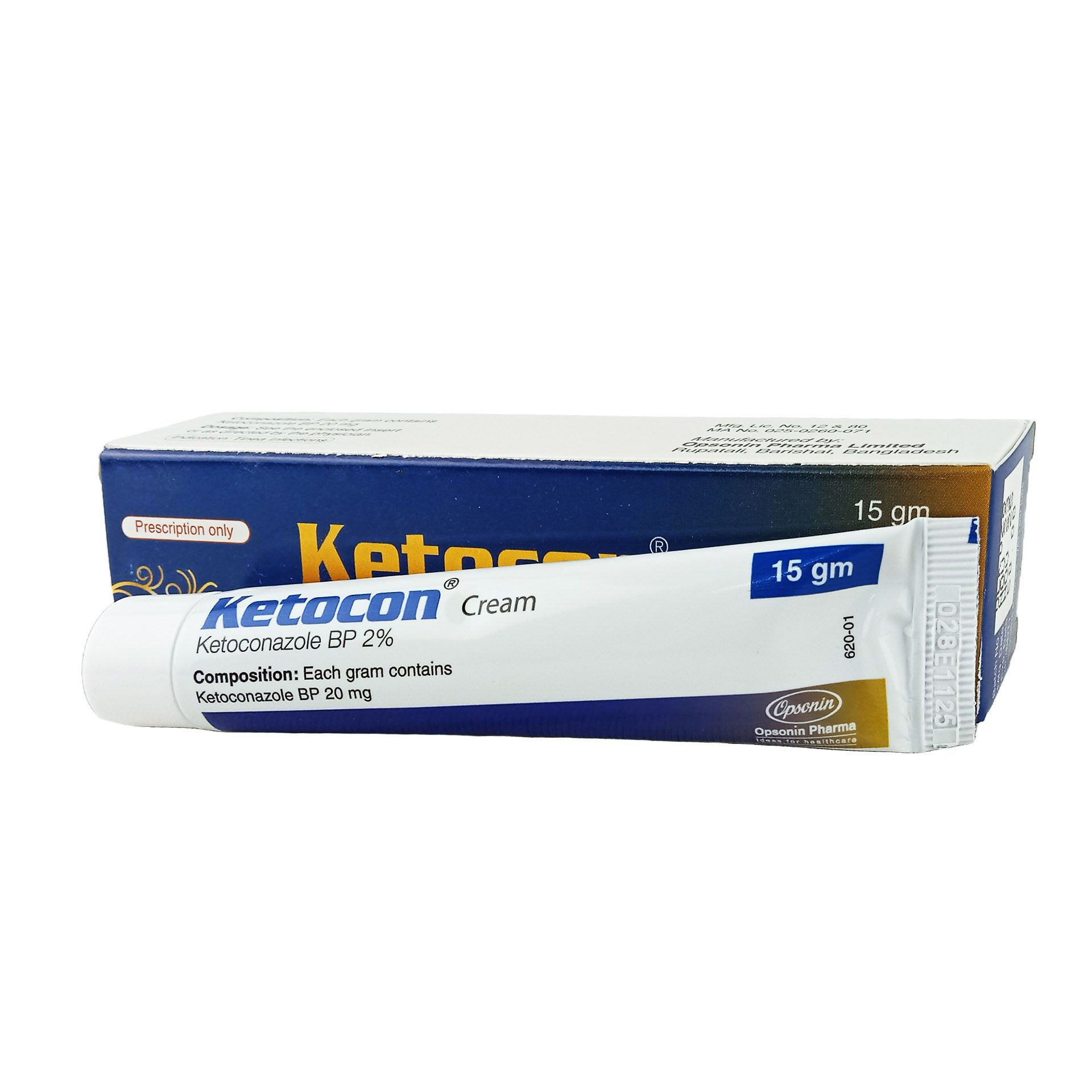
- Tinea pedis: Ketoconazole cream should be applied to the affected areas twice daily. The usual duration of treatment for mild infections is 1 week. For more severe or extensive infections (e.g. involving the sole or sides of the feet) treatment should be continued until a few days after all signs and symptoms have disappeared in order to prevent relapse.
- For other infections: Ketoconazole cream should be applied to the affected areas once or twice daily, depending on the severity of the infection. The treatment should be continued until a few days after the disappearance of all signs and symptoms. The usual duration of treatment is: tinea versicolor 2-3 weeks, tinea corporis 3-4 weeks. The diagnosis should be reconsidered if no clinical improvement is noted after 4 weeks. General measures in regard to hygiene should be observed to control sources of infection or reinfection. Seborrhoeic dermatitis is a chronic condition and relapse is highly likely.
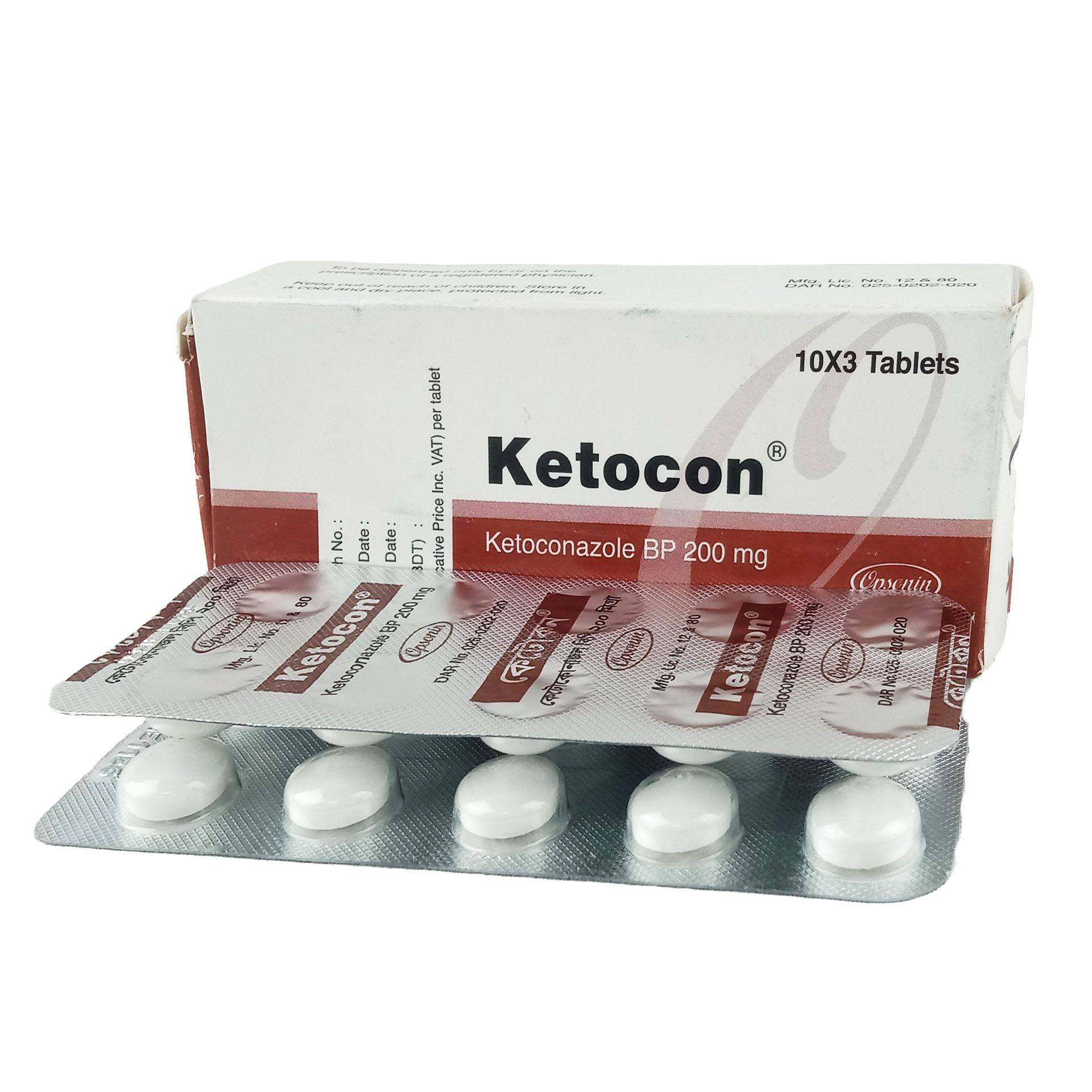
- Vaginal candidiasis: 1 tablet (200 mg) tablet twice daily for 5 days.
- All other indications: 1 tablet (200 mg) once daily until at least one week after the symptoms have disappeared and the cultures have become negative.
- Pityriasis versicolor: 1 to 6 weeks
- Dermatomycoses: 2 to 8 weeks
- Onychomycoses: 1 to 12 months
- Mycoses of hair and scalp: 1 to 2 months
- Chronic mucocutaneous candidiasis : 1 to 12 months
- Oral mycoses: 5 to 10 days
- Systemic candidiasis: 1 to 2 months
- Paracoccidioidomycosis,histoplasmosis
- and other systemic mycosis: 1 month to 2 years