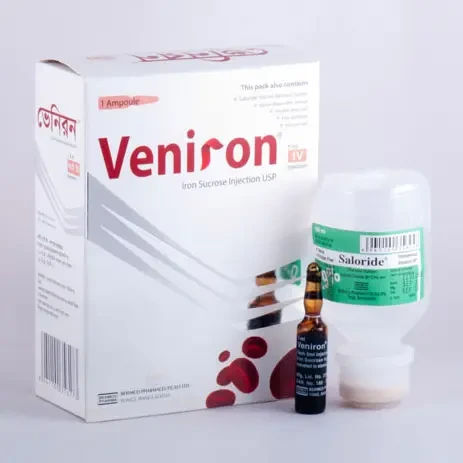
Introduction
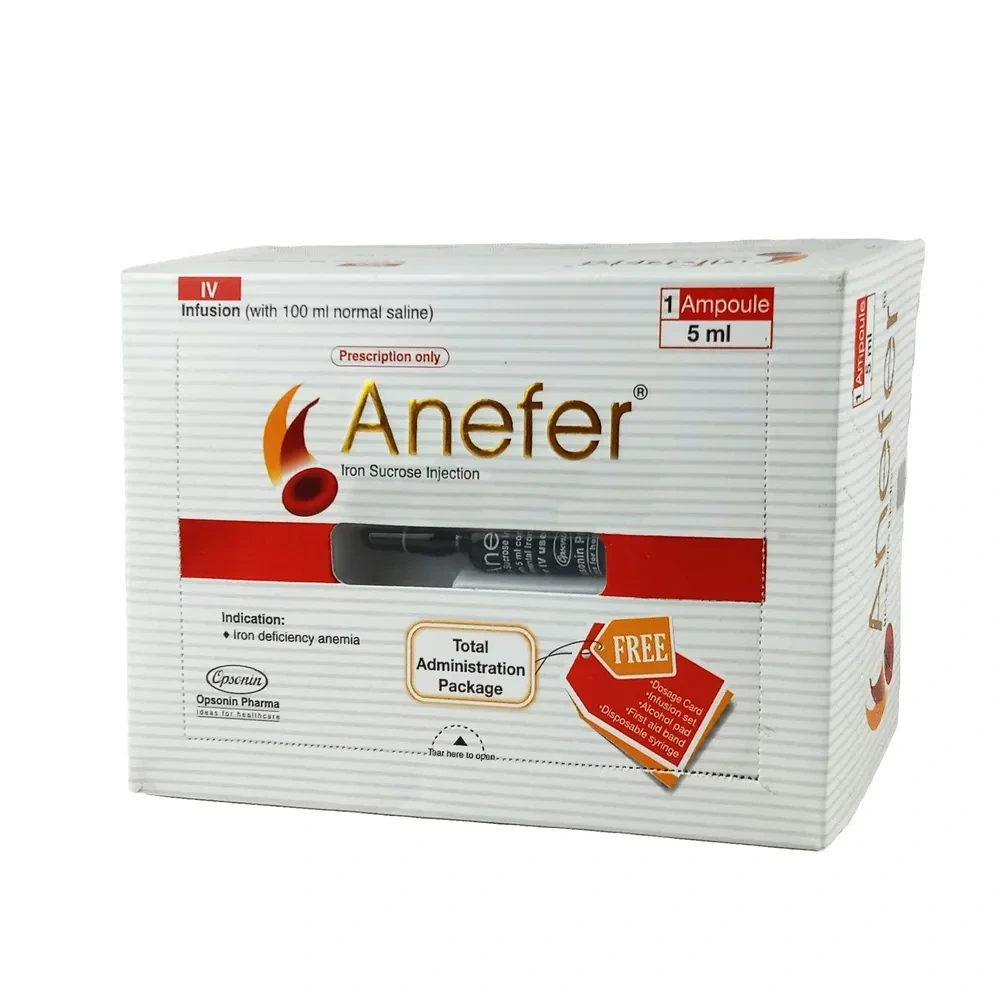
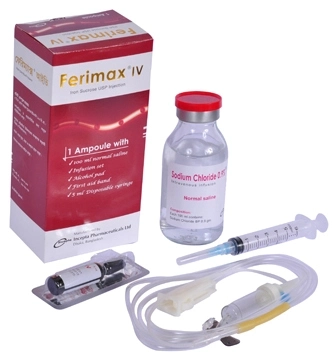
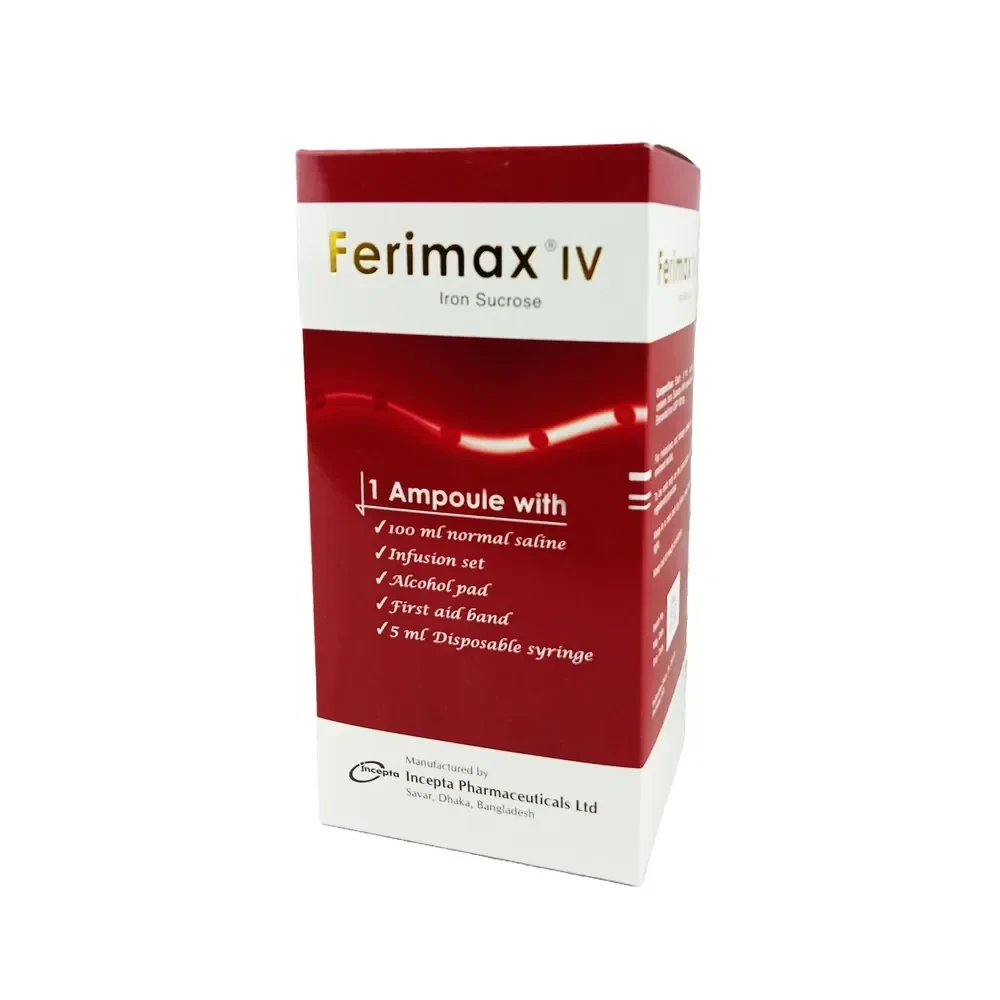
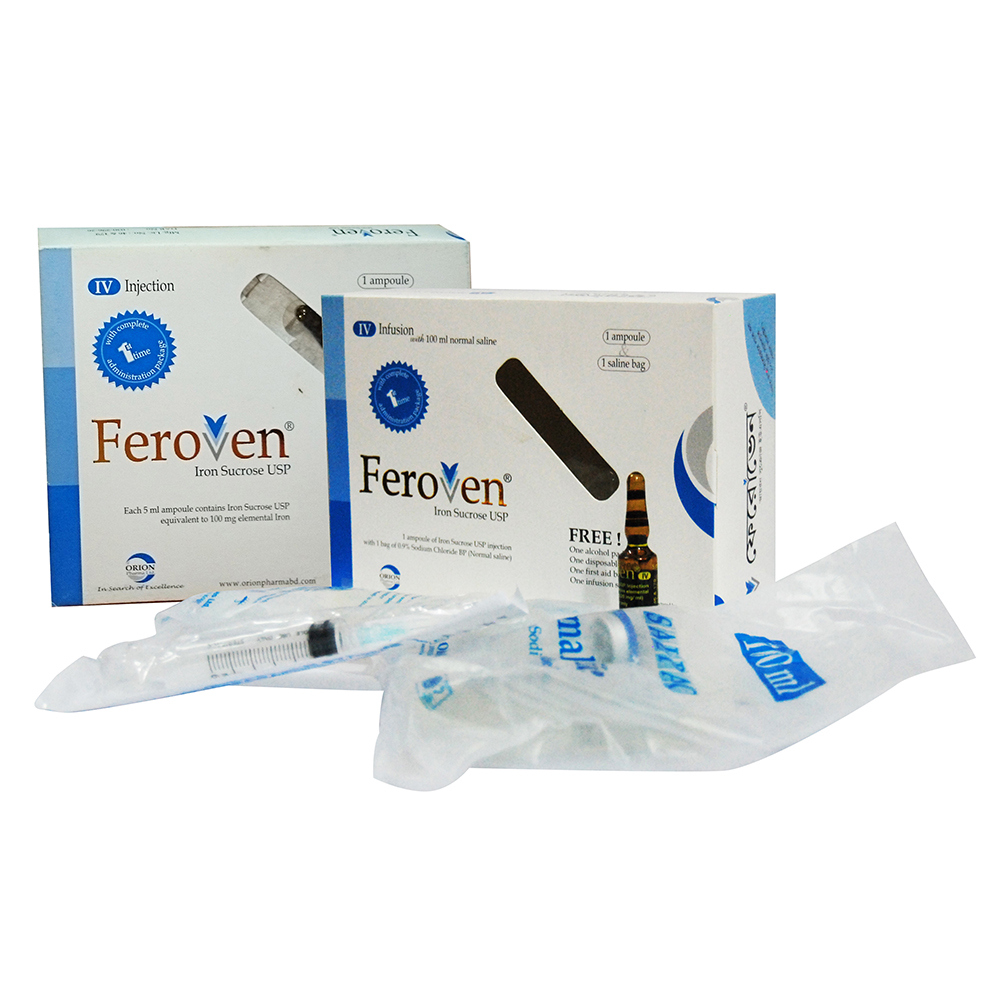
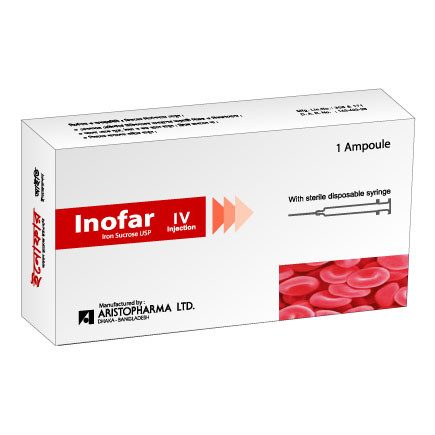
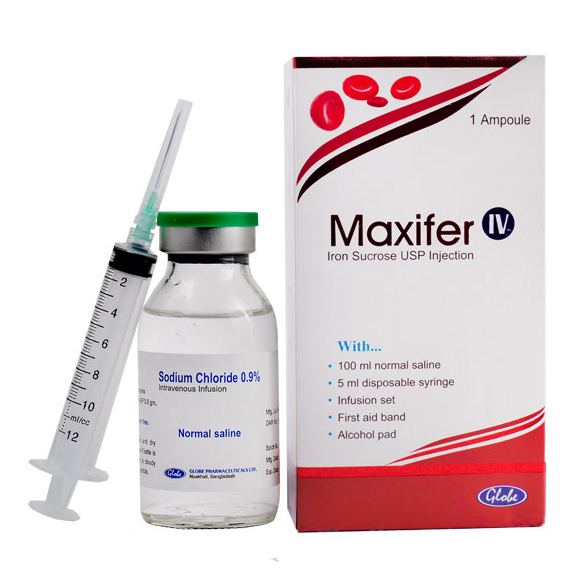
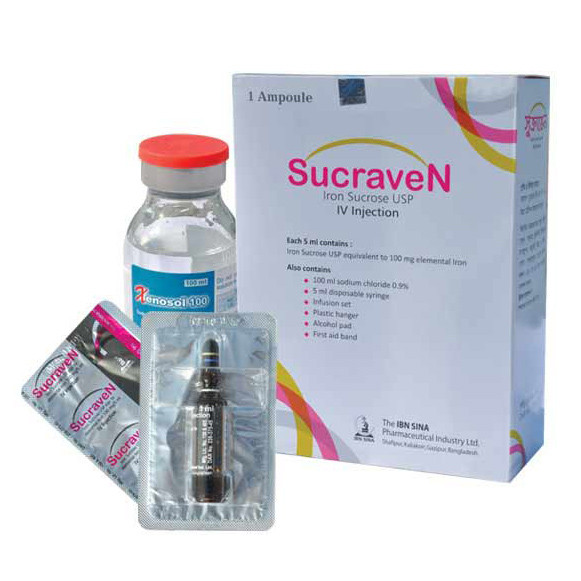
Iron sucrose (sucroferric oxyhydroxide or iron saccharate) is used as a source of iron in patients with iron deficiency anemia with chronic kidney disease (CKD), including those who are undergoing dialysis (hemodialysis or peritoneal) and those who do not require dialysis. Due to less side effects than iron dextran, iron sucrose is more preferred in chronic kidney disease patients.
Uses
Iron sucrose is an compound used as a source of iron in patients with iron deficiency anemia associated with chronic kidney disease (CKD).
Iron sucrose is elemental iron as an injection. It replenishes body iron stores in patients with iron deficiency.
Associated Conditions
Pharmacodynamics
Significant increases in serum iron and serum ferritin and significant decreases in total iron binding capacity occurred four weeks from the initiation of iron sucrose treatment.
Mechanism of Action
Following intravenous administration, iron sucrose is dissociated into iron and sucrose and the iron is transported as a complex with transferrin to target cells including erythroid precursor cells. The iron is then incorporated into hemoglobin as the cells mature into red blood cells.
Absorption
The intravensously administered iron sucrose injection would result rapidly in high serum iron levels. Maximum measured levels occured after 10 min of injection with an average of 30.00 mg/l.
Volume of Distribution
Vd is 7.3 L
Protein Binding
It binds with transferrin.
Route of Elimination
Renal elimination of iron contributed very little to the total elimination (in average less than 5%). While, renal elimination of sucrose accounts for 68-75% of the administered dose after 4 and 24 hours respectively.
Half Life
6 hours.
Clearance
Total body clearance is 20.5 ml/min.
Toxicity
Hypersensitivity reactions, including anaphylactic shock, loss of consciousness, collapse, hypotension, dyspnea, and seizure. Monitor iron toxicity through the periodic evaluation of lab works which monitor the body concentration of iron. Lab monitoring of the following parameters: transferrin saturation, serum ferritin concentrations, hemoglobin, and hematocrit could be helpful to avoid iron overload. Severe allergic symptoms include: rash; hives; itching; difficulty breathing; tightness in the chest; swelling of the mouth, face, lips, or tongue; unusual hoarseness); burning or pain at the injection site; burning, numbness, or tingling; chest pain; fainting; loss of consciousness; severe or persistent dizziness, headache, or light-headedness; seizures; shortness of breath; swelling of the hands, ankles, or feet.
Food Interactions
- Take with food. Take with meals to maximize phosphate binding capacity and reduce phosphate absorption.