Introduction

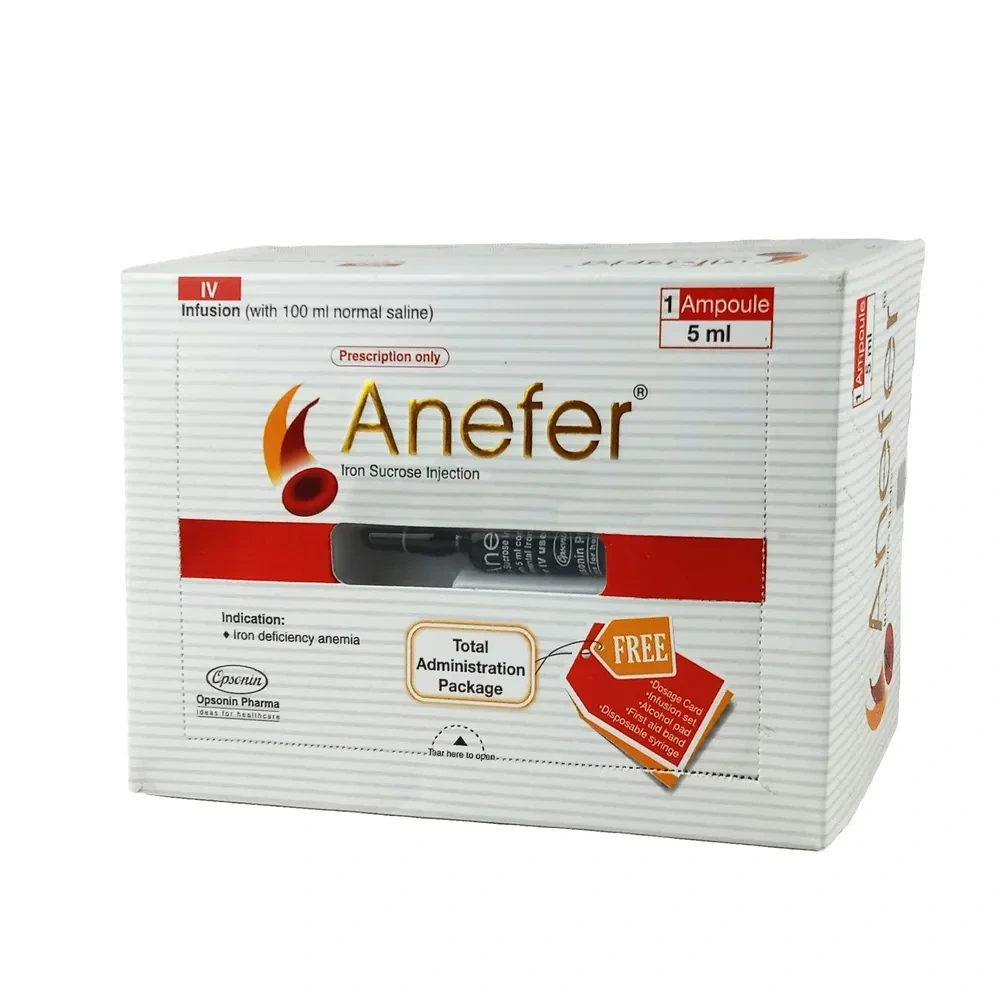
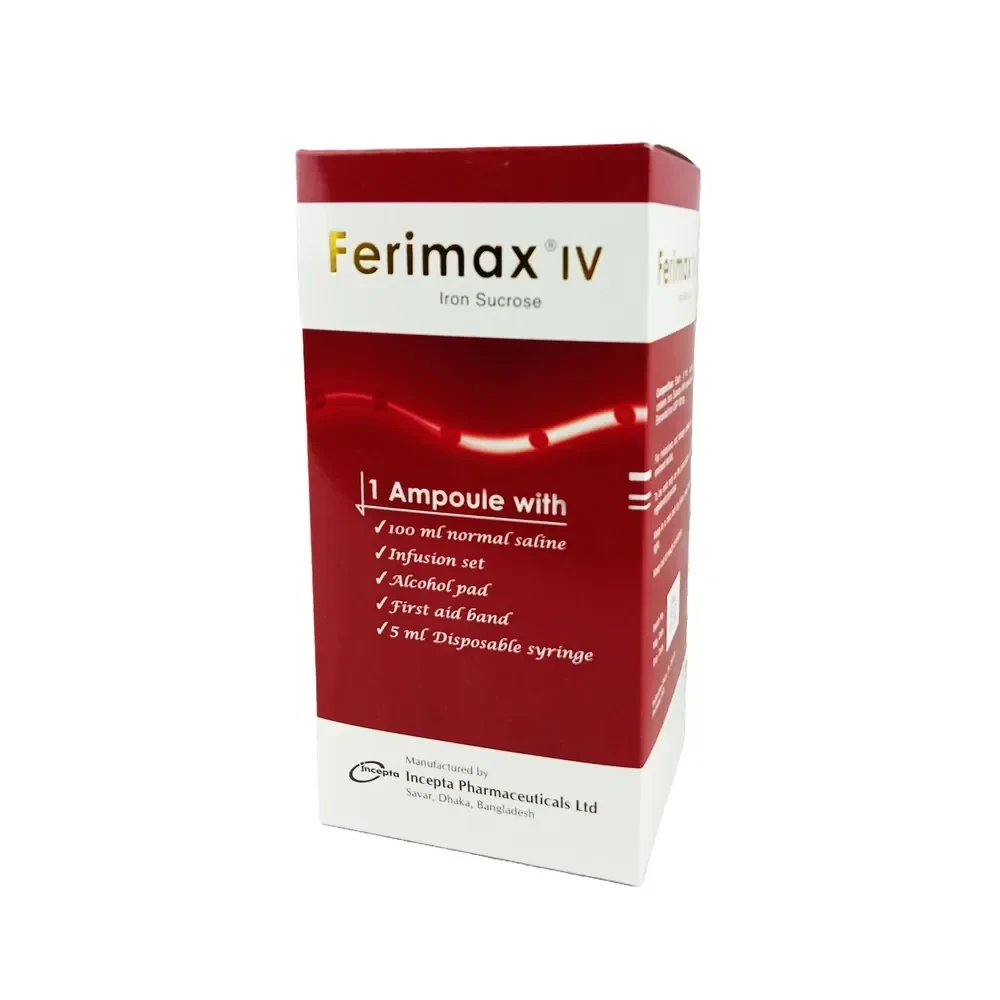
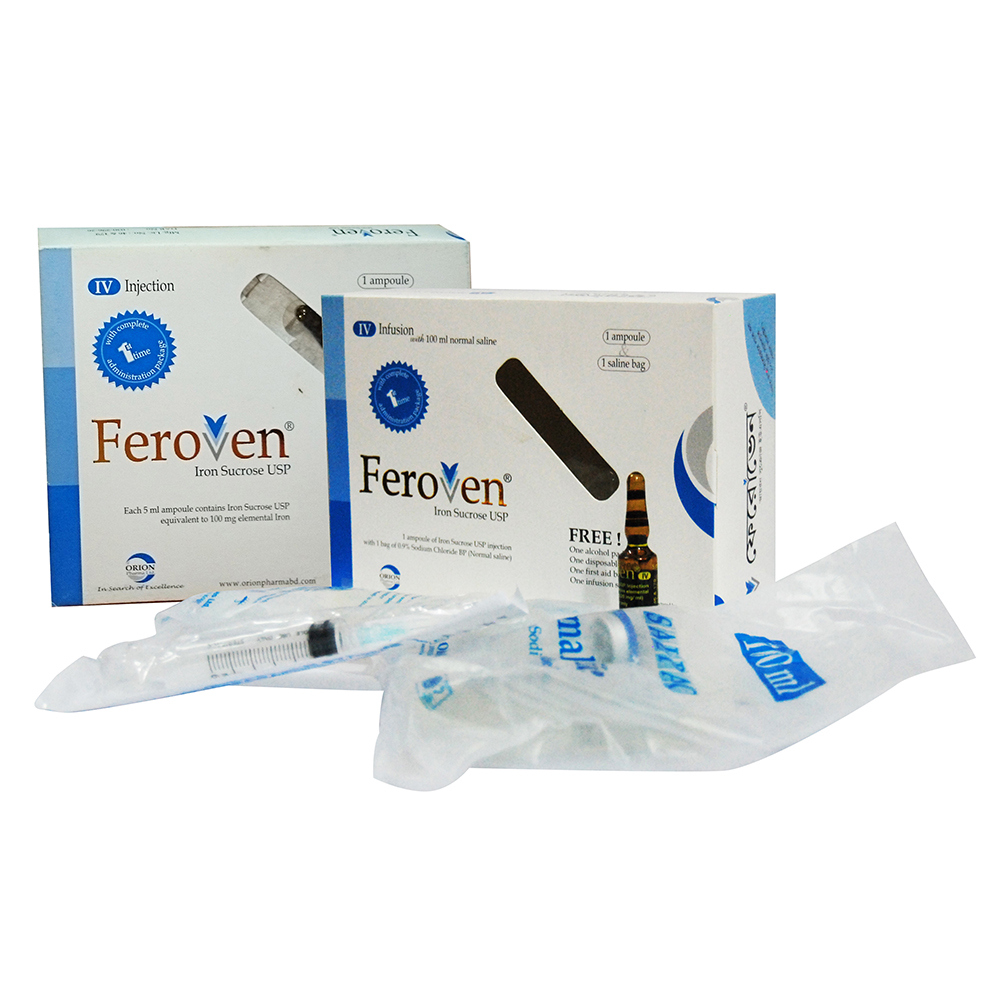
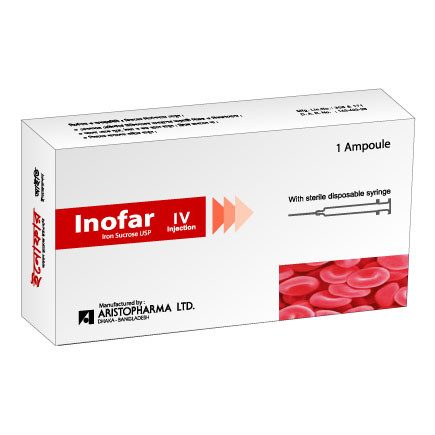
Iron sucrose injection is a form of elemental iron used to treat iron deficiency anemia. It is particularly beneficial for individuals who cannot tolerate oral iron supplements or who require a more rapid increase in iron levels due to chronic conditions or ongoing blood loss.

Uses

Iron sucrose injection is used for:

  • Treating iron deficiency anemia in patients with chronic kidney disease (CKD) or undergoing dialysis.
  • Supplementing iron levels in individuals with gastrointestinal conditions that impair oral iron absorption.
  • Providing iron replacement in cases of severe anemia that necessitates faster correction of iron deficiency.
Brand Name Exiron
Type IV Injection or Infusion
Weight 100 mg/5 ml
Generic Iron Sucrose Injection [Elemental Iron]
Manufacturer Sharif Pharmaceuticals Ltd.
Available in English বাংলা

Mechanism of Action

Iron sucrose works by delivering elemental iron directly into the bloodstream, bypassing gastrointestinal absorption. Once administered, iron is utilized to replenish iron stores in the body, enabling the production of hemoglobin and red blood cells. The iron is then incorporated into hemoglobin in red blood cells to restore normal oxygen transport and alleviate symptoms of anemia.

How Long Does It Take to Work?

Iron sucrose typically starts to improve symptoms of anemia within a few days to weeks of administration. The full therapeutic effects, including improvements in hemoglobin levels and iron stores, are usually observed after several doses, which may take several weeks to months, depending on the severity of the deficiency.

Absorption

Since iron sucrose is administered intravenously, it bypasses the gastrointestinal tract and enters the bloodstream directly. The elemental iron is then distributed to various tissues and organs where it is utilized or stored as needed.

Route of Elimination

Iron sucrose is eliminated from the body primarily through the reticuloendothelial system, including the liver, spleen, and bone marrow. The iron that is not utilized or stored is excreted slowly over time through feces, urine, and sweat.

Dosage

The dosage of iron sucrose injection depends on the severity of iron deficiency and the patient’s overall health. The typical dosing regimen is:

  • For adults with chronic kidney disease: 100 mg to 200 mg of iron sucrose administered intravenously, typically in 1 to 2 sessions per week, until iron stores are repleted.
  • For other conditions: Dosing may vary based on individual needs and treatment goals. It is important to follow the specific dosing instructions provided by a healthcare provider.

Administration

Iron sucrose is administered intravenously by a healthcare professional. It is usually given as an injection or infusion into a vein, typically in a clinical setting. The injection should be administered slowly to reduce the risk of adverse reactions.

Side Effects

Common side effects of iron sucrose include:

  • Injection site reactions, such as pain, swelling, or redness.
  • Headache or dizziness.
  • Nausea or vomiting.

Less common but serious side effects may include:

  • Allergic reactions, such as rash, itching, or difficulty breathing.
  • Fever or chills.
  • Severe hypotension or cardiovascular reactions.

Toxicity

Iron sucrose toxicity is rare when used appropriately. However, excessive doses or rapid administration can lead to iron overload, which may result in serious complications such as organ damage. Monitoring iron levels and adhering to recommended dosing guidelines can help minimize the risk of toxicity.

Precautions

Precautions include:

  • Assessing for any history of allergies to iron preparations or other injectable medications.
  • Monitoring iron levels and other laboratory values to avoid iron overload.
  • Using with caution in patients with active infections or a history of severe reactions to intravenous iron products.

Interaction

Iron sucrose may interact with other medications and treatments, including:

  • Medications that affect iron metabolism or utilization.
  • Other intravenous iron preparations or supplements.

Consult a healthcare provider to review potential interactions and ensure safe and effective use.

Disease Interaction

Iron sucrose should be used with caution in patients with:

  • Chronic infections or inflammation that could affect iron metabolism.
  • Liver or kidney conditions that may alter drug metabolism and excretion.

Drug Interaction

Interactions with other drugs are generally minimal, but care should be taken when using iron sucrose in combination with:

  • Medications that affect gastrointestinal absorption or metabolism of iron.
  • Other drugs that may interact with iron or influence iron levels.

Food Interactions

There are no specific food interactions with iron sucrose injection since it is administered intravenously and does not enter the gastrointestinal tract. However, maintaining a balanced diet rich in nutrients that support overall health is beneficial.

Pregnancy Use

Iron sucrose may be used during pregnancy if the benefits outweigh the risks. It is important to consult with a healthcare provider to evaluate the need for iron supplementation and to ensure safety for both the mother and the developing fetus.

Lactation Use

The use of iron sucrose during lactation is generally considered safe. Iron is an essential nutrient, and adequate iron levels in the mother can support the iron needs of the breastfeeding infant. Consult a healthcare provider for personalized advice and monitoring.

Acute Overdose

Acute overdose of iron sucrose is rare due to its controlled administration. In case of suspected overdose, seek immediate medical attention. Treatment may involve supportive care and management of any symptoms or complications arising from excessive iron levels.

Contraindication

Iron sucrose should not be used in individuals with:

  • Known hypersensitivity to iron sucrose or other iron products.
  • Uncontrolled iron overload conditions, such as hemochromatosis or hemosiderosis.

Use Direction

Follow the healthcare provider’s instructions for iron sucrose injection. The medication should be administered intravenously by a healthcare professional. Avoid self-administration and ensure proper monitoring during and after the injection to detect any adverse reactions promptly.

Storage Conditions

Store iron sucrose injection at room temperature, away from light and moisture. Keep out of reach of children and follow specific storage instructions provided by the manufacturer.

Volume of Distribution

The volume of distribution for iron sucrose is not specifically documented due to its localized effect when administered intravenously. It primarily remains in the bloodstream and distributes to tissues where iron is needed.

Half Life

The half-life of iron sucrose in the bloodstream is relatively short. The total duration of action is influenced by iron metabolism and replenishment of iron stores, which may vary based on individual patient needs and response.

Clearance

Iron sucrose is cleared from the bloodstream through the reticuloendothelial system. The rate of clearance depends on iron utilization and metabolism, with excess iron gradually excreted through feces, urine, and sweat.

See in details version Exiron IV Injection or Infusion 100 mg/5 ml also Exiron IV Injection or Infusion 100 mg/5 ml in bangla

Social card

Uses

Some Frequently Asked Questions About Exiron IV Injection or Infusion 100 mg/5 ml

*** Taking medicines without doctor's advice can cause long-term problems.
Dr. Nilufar Fatema

Dr. Nilufar Fatema

Cardiology (Heart Diseases, Hypertension, Rheumatic Fever) & Echocardiography Specialist

Call Doctor
Dr. Md. Monowar Hossain

Dr. Md. Monowar Hossain

Medicine & Diabetes Specialist

Call Doctor
Dr. Saleh Muhammad Ali

Dr. Saleh Muhammad Ali

Medicine, Diabetes & Chest Diseases Specialist

Call Doctor
Related Medicines