Introduction
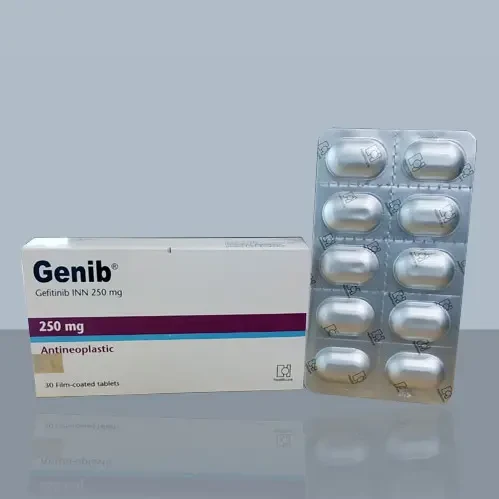
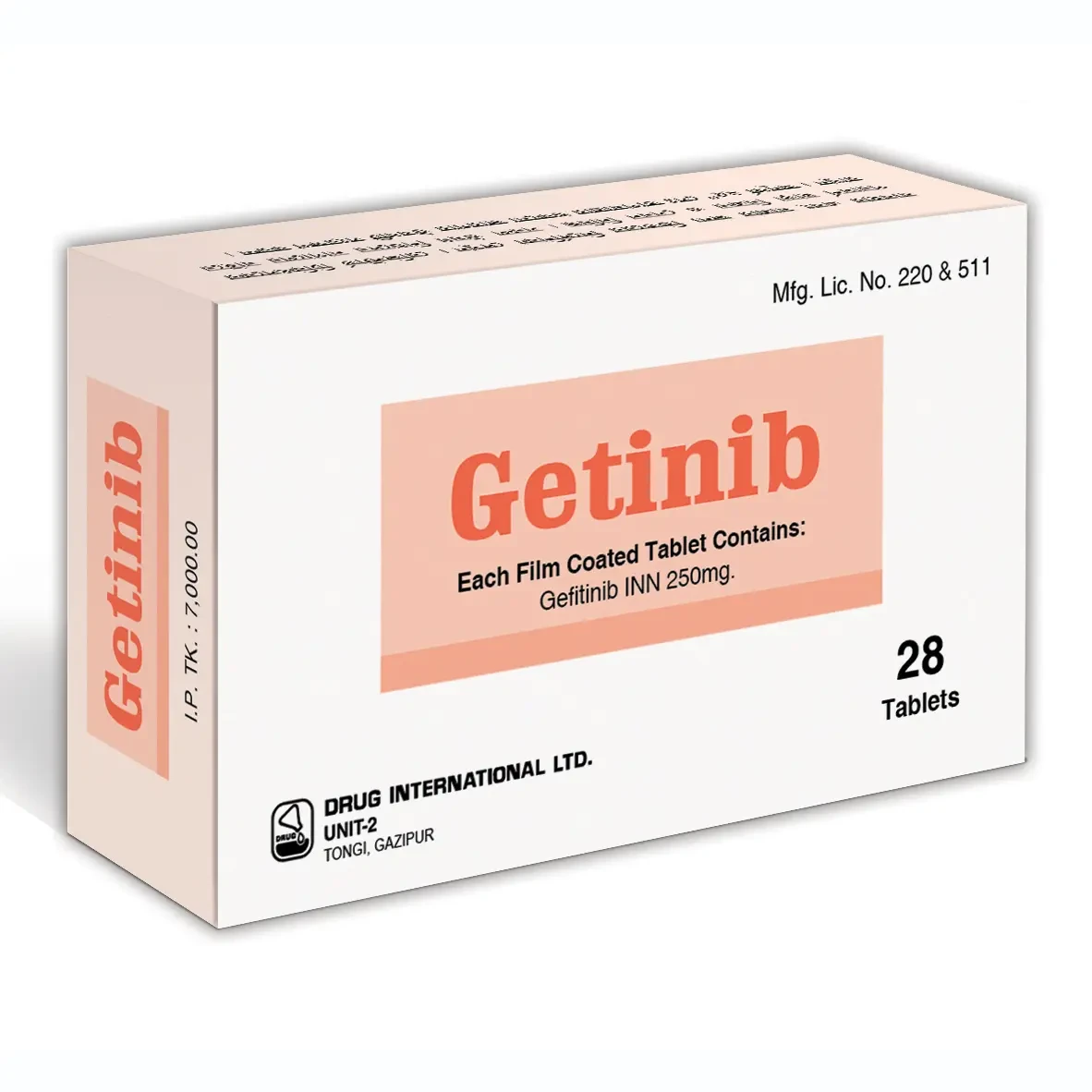
Gefitinib is a drug used in the treatment of certain types of cancer. Acting in a similar manner to erlotinib, gefitinib selectively targets the mutant proteins in malignant cells.
Uses
Gefitinib is a tyrosine kinase inhibitor used as first-line therapy to treat non-small cell lung carcinoma (NSCLC) that meets certain genetic mutation criteria.
For the continued treatment of patients with locally advanced or metastatic non-small cell lung cancer after failure of either platinum-based or docetaxel chemotherapies.
Associated Conditions
Pharmacodynamics
Gefitinib inhibits the intracellular phosphorylation of numerous tyrosine kinases associated with transmembrane cell surface receptors, including the tyrosine kinases associated with the epidermal growth factor receptor (EGFR-TK). EGFR is expressed on the cell surface of many normal cells and cancer cells.
Mechanism of Action
Gefitinib is an inhibitor of the epidermal growth factor receptor (EGFR) tyrosine kinase that binds to the adenosine triphosphate (ATP)-binding site of the enzyme. EGFR is often shown to be overexpressed in certain human carcinoma cells, such as lung and breast cancer cells. Overexpression leads to enhanced activation of the anti-apoptotic Ras signal transduction cascades, subsequently resulting in increased survival of cancer cells and uncontrolled cell proliferation. Gefitinib is the first selective inhibitor of the EGFR tyrosine kinase which is also referred to as Her1 or ErbB-1. By inhibiting EGFR tyrosine kinase, the downstream signaling cascades are also inhibited, resulting in inhibited malignant cell proliferation.
Absorption
Absorbed slowly after oral administration with a mean bioavailability of 60%. Peak plasma levels occurs 3-7 hours post-administration. Food does not affect the bioavailability of gefitinib.
Volume of Distribution
- 1400 L [IV administration]
Protein Binding
90% primarily to serum albumin and alpha 1-acid glycoproteins (independent of drug concentrations).
Route of Elimination
Elimination is by metabolism (primarily CYP3A4) and excretion in feces. Excretion is predominantly via the feces (86%), with renal elimination of drug and metabolites accounting for less than 4% of the administered dose.
Half Life
48 hours [IV administration]
Clearance
- 595 mL/min [IV administration]
Toxicity
The acute toxicity of gefitinib up to 500 mg in clinical studies has been low. In non-clinical studies, a single dose of 12,000 mg/m2 (about 80 times the recommended clinical dose on a mg/m2 basis) was lethal to rats. Half this dose caused no mortality in mice. Symptoms of overdose include diarrhea and skin rash.
Food Interactions
- Avoid grapefruit products.
- Take with or without food. The absorption is unaffected by food.
Dosage
Administration to Patients who have Difficulty Swallowing Solids: Gefitinib tablets should be immersed in 4 to 8 ounces of water by dropping the tablet in water, and stirred for approximately 15 minutes. The liquid should be immediately drunk or administered through a naso-gastric tube. The container should be rinsed with 4 to 8 ounces of water and immediately drunk or administered through the naso- gastric tube.