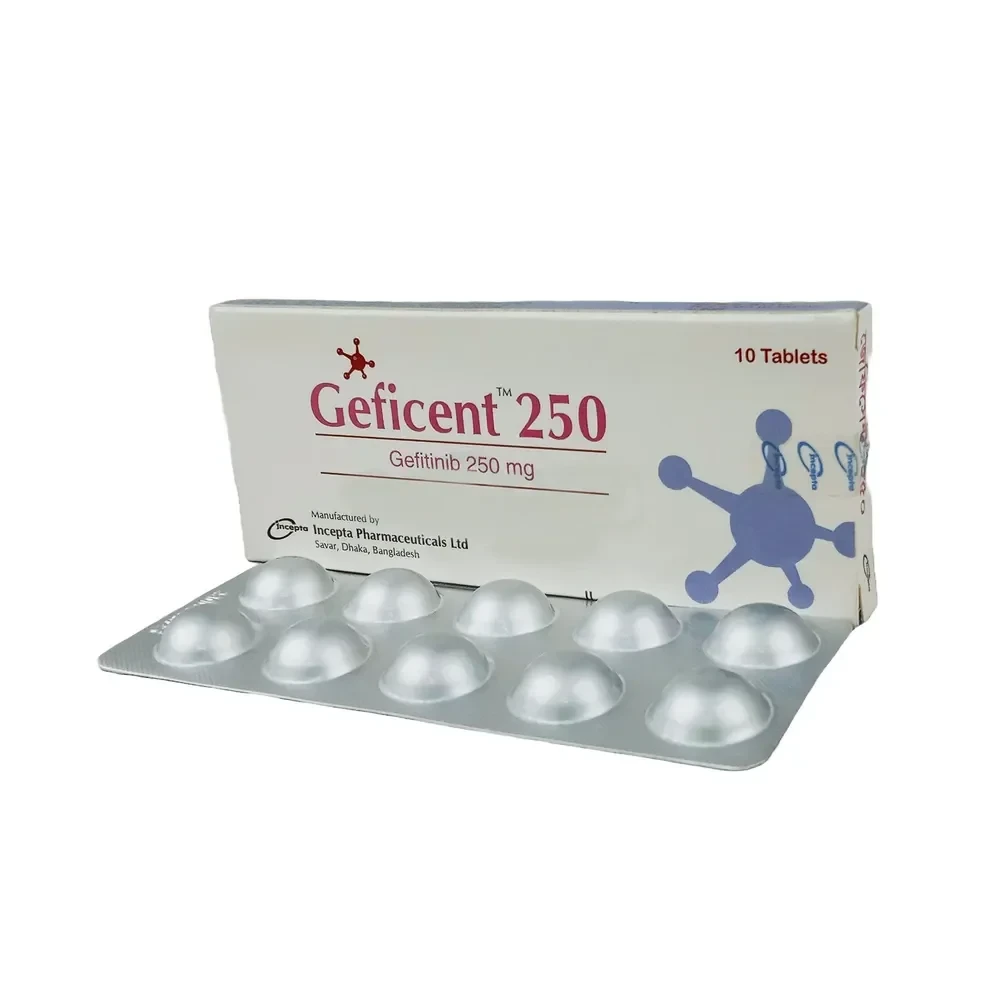
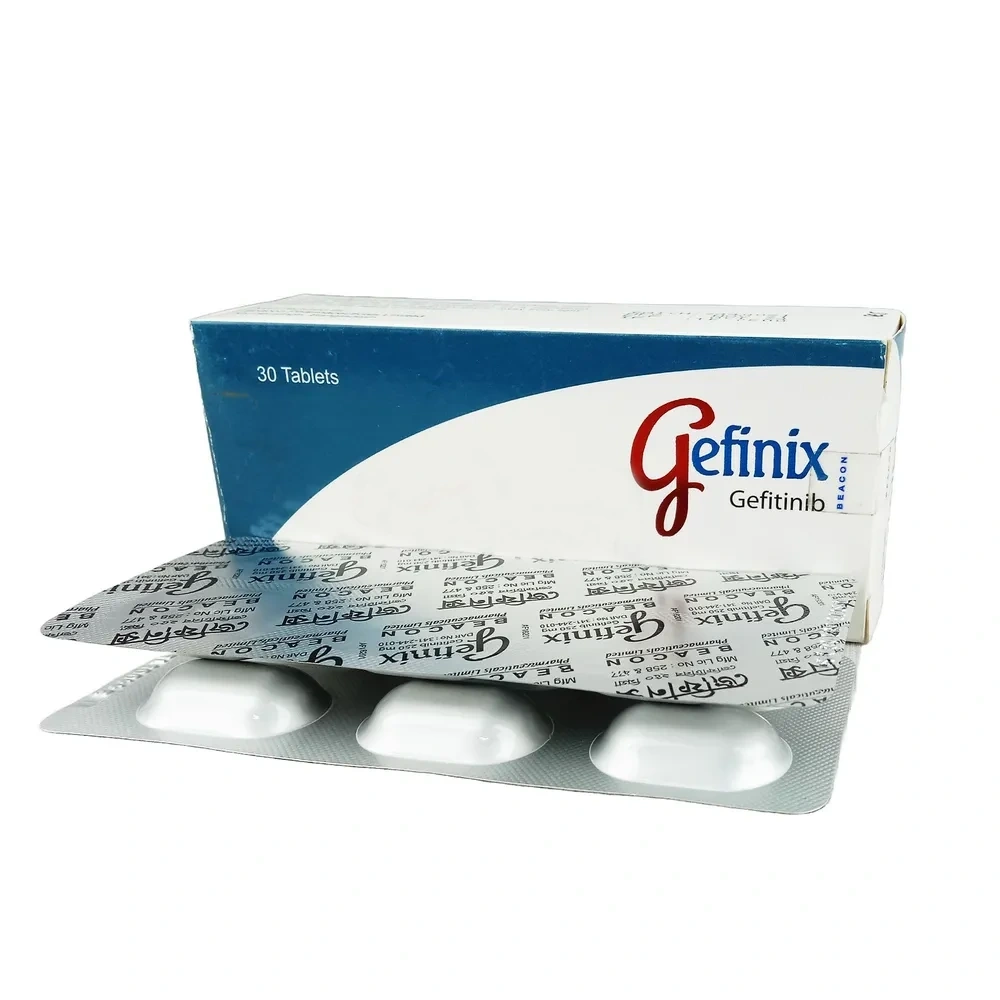
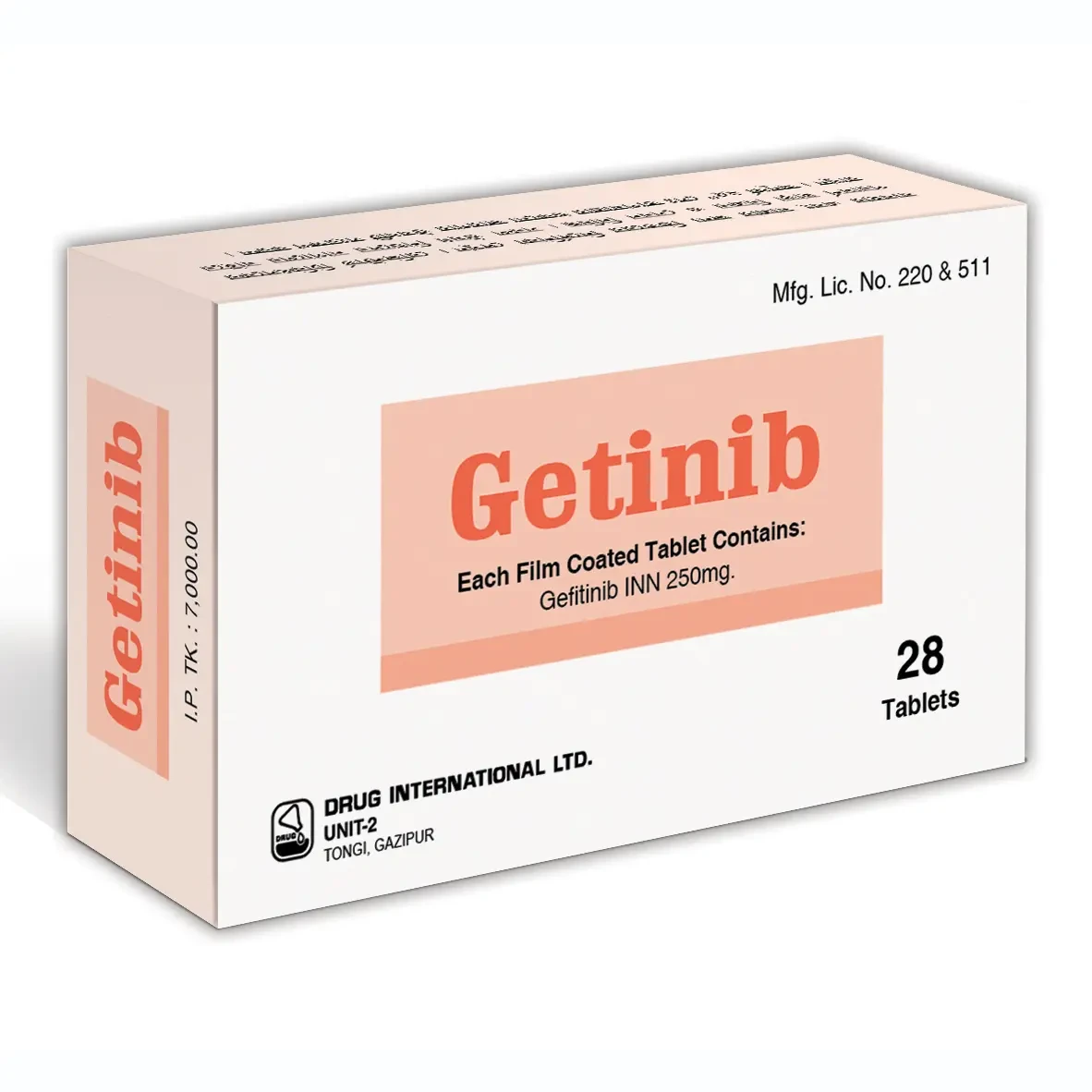
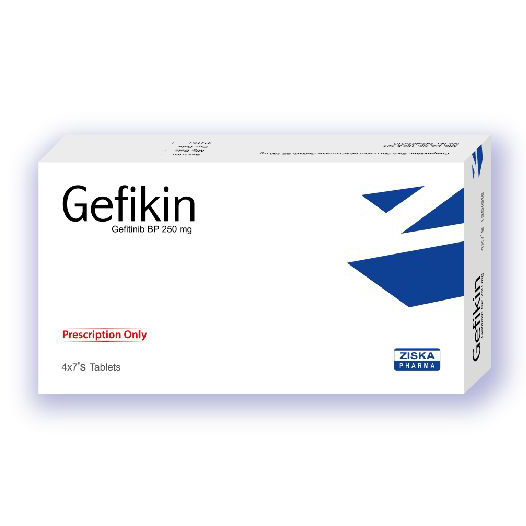
Introduction

Seberb Tablet 250 mg is an oral medication used primarily in the treatment of non-small cell lung cancer (NSCLC). It is a tyrosine kinase inhibitor that targets and blocks the epidermal growth factor receptor (EGFR), which plays a critical role in the growth and spread of cancer cells.

Uses

Seberb Tablet 250 mg is used for:

  • Treating advanced or metastatic non-small cell lung cancer (NSCLC) in patients with specific mutations in the EGFR gene.
  • Managing NSCLC after prior chemotherapy or other treatments have failed.
  • Used as first-line therapy for patients with EGFR-mutant NSCLC.
Brand Name Seberb
Type Tablet
Weight 250 mg
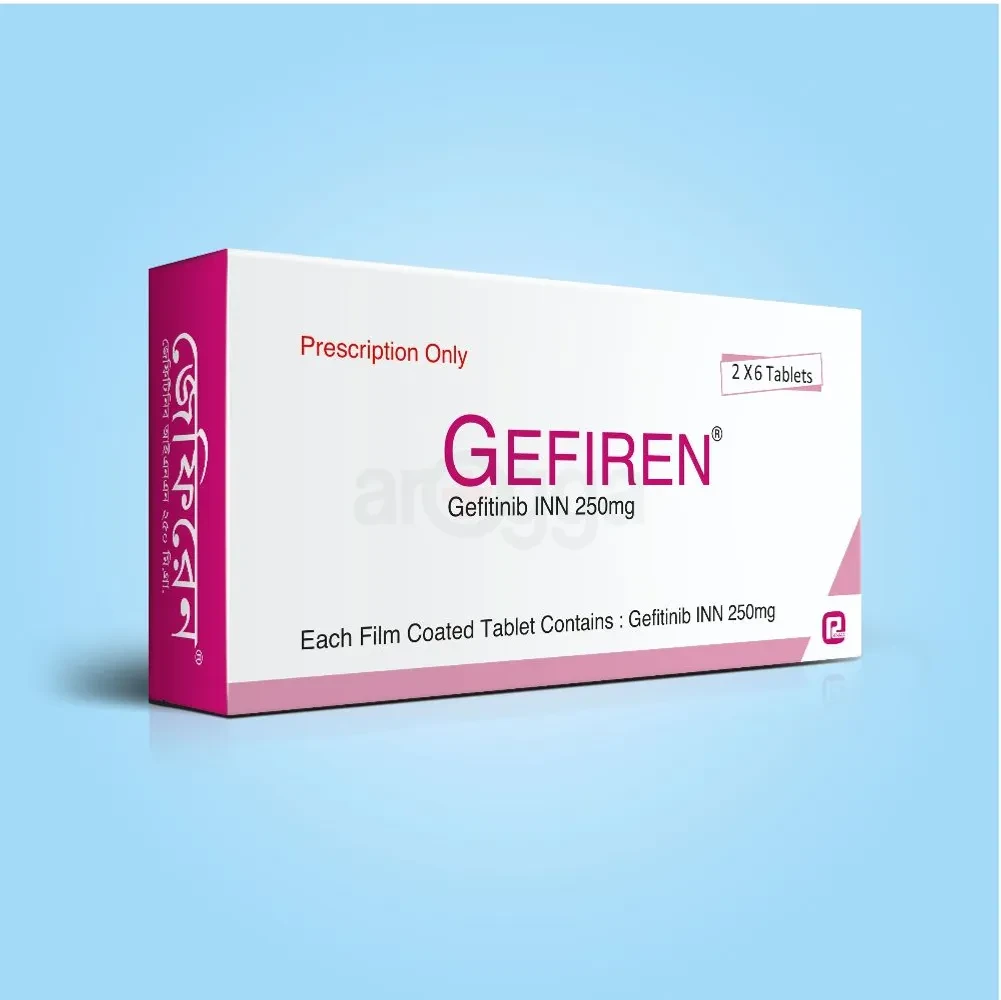
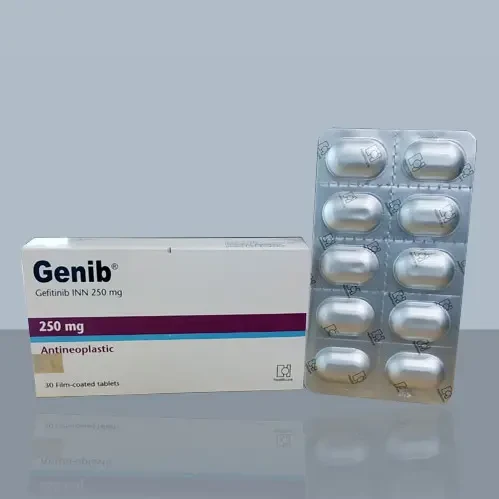
Generic Gefitinib
Manufacturer Genvio Pharma Ltd.
Available in English বাংলা

Mechanism of Action

Seberb Tablet 250 mg works by selectively inhibiting the tyrosine kinase activity of the EGFR. EGFR is a receptor on the surface of cells that, when activated, promotes cell proliferation and survival. By blocking this receptor, Seberb Tablet 250 mg impedes the signaling pathways involved in cancer cell growth and division.

How Long Does It Take to Work?

Patients may start to see clinical benefits from Seberb Tablet 250 mg within a few weeks of initiating treatment. However, the full therapeutic effect might take several months to become evident. Regular monitoring by a healthcare provider is necessary to assess response and adjust treatment as needed.

Absorption

Seberb Tablet 250 mg is well-absorbed from the gastrointestinal tract. It has an oral bioavailability of about 60%, meaning that a substantial portion of the drug is absorbed into the bloodstream when taken orally. Food can affect the absorption rate, but it is generally recommended to take the medication on an empty stomach to maximize absorption.

Route of Elimination

Seberb Tablet 250 mg is primarily eliminated through the liver. It is metabolized extensively by the liver and excreted in the bile. Only a small fraction of the drug is excreted unchanged in the urine.

Dosage

Recommended dose: 250 mg Gefitinib orally once daily with or without food until disease progression or unacceptable toxicity. One should not take a missed dose within 12 hours of the next dose.

Administration to Patients who have Difficulty Swallowing Solids: Gefitinib tablets should be immersed in 4 to 8 ounces of water by dropping the tablet in water, and stirred for approximately 15 minutes. The liquid should be immediately drunk or administered through a naso-gastric tube. The container should be rinsed with 4 to 8 ounces of water and immediately drunk or administered through the naso- gastric tube.


The typical dosage of Seberb Tablet 250 mg is 250 mg orally once daily. The exact dosage may be adjusted based on the patient’s response and tolerance to the medication. Dosage adjustments may also be necessary in cases of liver impairment or in combination with other medications.

Administration

Seberb Tablet 250 mg is administered orally in the form of tablets. It should be taken with a full glass of water. It is usually taken once daily, and it is important to follow the prescribed dosage schedule to maintain effective drug levels and reduce the risk of side effects.

Side Effects

Common side effects of Seberb Tablet 250 mg include:

  • Diarrhea
  • Skin rash
  • Acne
  • Nausea
  • Fatigue

Serious side effects can include interstitial lung disease (ILD), liver enzyme abnormalities, and severe skin reactions. Patients should report any unusual symptoms to their healthcare provider promptly.

Toxicity

Toxicity related to Seberb Tablet 250 mg can manifest as severe skin reactions, liver damage, or ILD. Monitoring liver function tests and respiratory symptoms is crucial during treatment. In cases of severe toxicity, dose adjustment or discontinuation of the drug may be necessary.

Precautions

Precautions when using Seberb Tablet 250 mg include:

  • Regular monitoring of liver function and respiratory status.
  • Close observation for signs of skin reactions or rash.
  • Not recommended for use in patients with severe liver impairment without careful consideration and monitoring.

Interaction

Seberb Tablet 250 mg can interact with other medications, including:

  • CYP3A4 inhibitors (e.g., ketoconazole) which can increase Seberb Tablet 250 mg levels in the blood.
  • CYP3A4 inducers (e.g., rifampin) which can decrease Seberb Tablet 250 mg levels and reduce its effectiveness.

Patients should inform their healthcare provider of all medications they are taking to manage potential interactions.

Disease Interaction

Seberb Tablet 250 mg should be used with caution in patients with a history of interstitial lung disease or severe hepatic impairment. It may also need to be adjusted for patients with other conditions that affect liver function or those undergoing concurrent treatments that impact liver metabolism.

Drug Interaction

Seberb Tablet 250 mg's interactions with other drugs can influence its efficacy and safety. For example, drugs that affect CYP3A4 enzyme activity can alter Seberb Tablet 250 mg's plasma concentration. It is important to manage these interactions carefully to maintain the effectiveness and minimize side effects.

Food Interactions

Food can affect the absorption of Seberb Tablet 250 mg. It is generally advised to take Seberb Tablet 250 mg on an empty stomach to enhance absorption. Consuming food, especially high-fat meals, may decrease the absorption of the medication and affect its efficacy.

Pregnancy Use

Seberb Tablet 250 mg is not recommended for use during pregnancy due to potential risks to the fetus. It is classified as a Category D drug, meaning there is evidence of potential harm to the fetus based on human studies. Women of childbearing age should use effective contraception while on Seberb Tablet 250 mg.

Lactation Use

Seberb Tablet 250 mg is not recommended for use during breastfeeding. It is not known whether Seberb Tablet 250 mg is excreted in human breast milk, but due to potential risks to the infant, breastfeeding is generally advised against while on this medication.

Acute Overdose

In the case of an acute overdose of Seberb Tablet 250 mg, symptoms might include severe gastrointestinal effects or liver toxicity. Immediate medical attention is necessary. Treatment may involve supportive care and symptomatic management.

Contraindication

Seberb Tablet 250 mg is contraindicated in patients with known hypersensitivity to the drug or any of its components. It should be used with caution in patients with severe hepatic impairment or a history of severe lung disease.

Use Direction

Follow the healthcare provider's instructions for dosing and administration. Take Seberb Tablet 250 mg exactly as prescribed, usually 250 mg orally once daily, and do not alter the dosage without consulting a healthcare provider.

Storage Conditions

Store Seberb Tablet 250 mg at room temperature, away from moisture and direct light. Keep it in its original container to protect from moisture. Ensure it is kept out of reach of children and disposed of properly if expired or no longer needed.

Volume of Distribution

The volume of distribution for Seberb Tablet 250 mg is approximately 1.5 L/kg, reflecting its distribution within the body tissues. This value helps in understanding how the drug disperses throughout the body after administration.

Half Life

The half-life of Seberb Tablet 250 mg is approximately 48 hours, indicating the time it takes for the plasma concentration of the drug to reduce by half. This allows for once-daily dosing in most cases.

Clearance

Seberb Tablet 250 mg is primarily cleared through the liver. The clearance rate can be influenced by liver function and other factors, including interactions with medications that affect liver enzyme activity.

See in details version Seberb Tablet 250 mg also Seberb Tablet 250 mg in bangla

Some Frequently Asked Questions About Seberb Tablet 250 mg

*** Taking medicines without doctor's advice can cause long-term problems.
Dr Abu Nesar Taib

Dr Abu Nesar Taib

Diabetes & Endocrine Disorder Specialist

Call Doctor
Dr. Marjana Siddique Moury

Dr. Marjana Siddique Moury

Oral, Dental & Maxillofacial Surgery Specialist

Call Doctor
Prof. Dr. Md. Shamsul Alam

Prof. Dr. Md. Shamsul Alam

Dental, Oral & Maxillofacial Surgery Specialist

Call Doctor
Related Medicines