Introduction
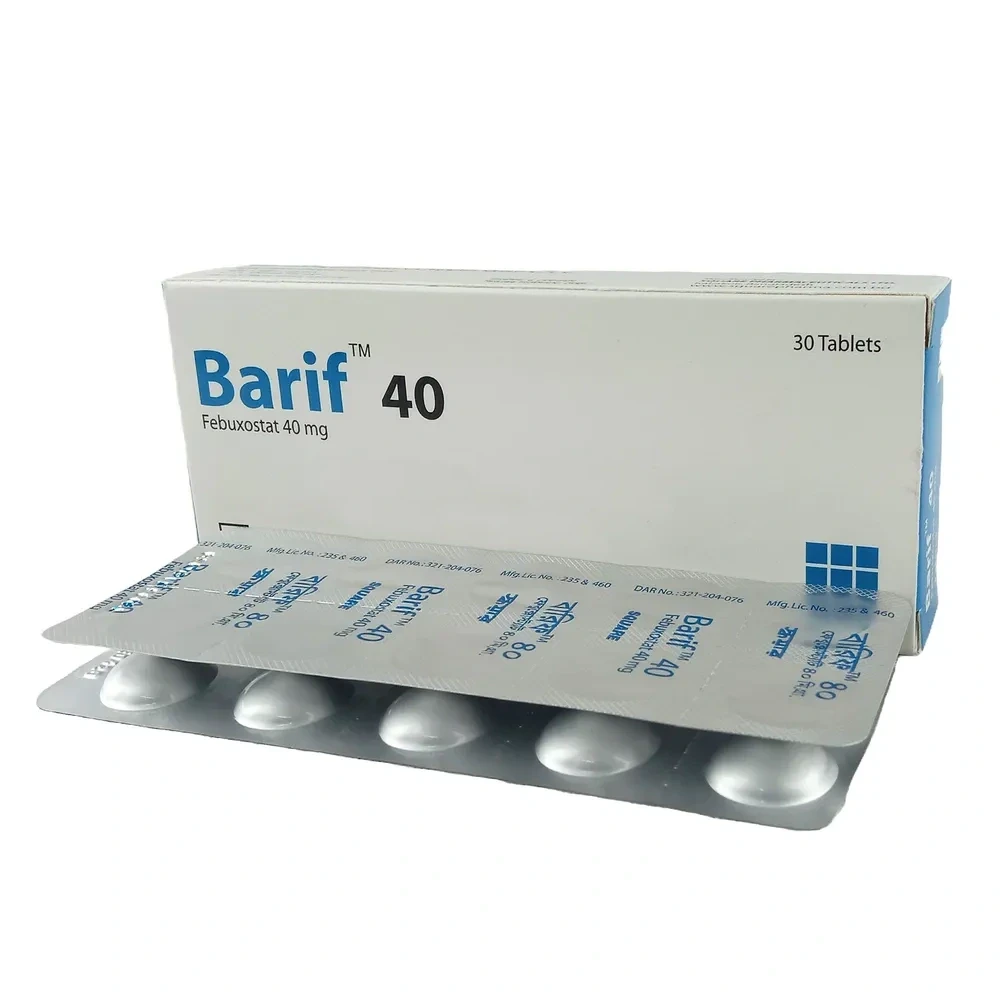
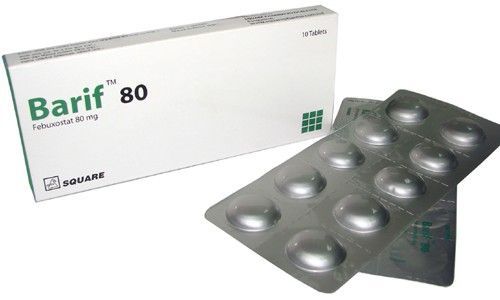
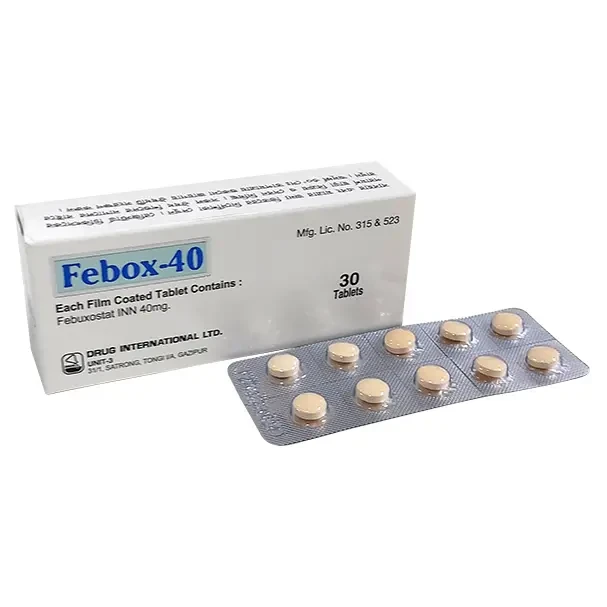
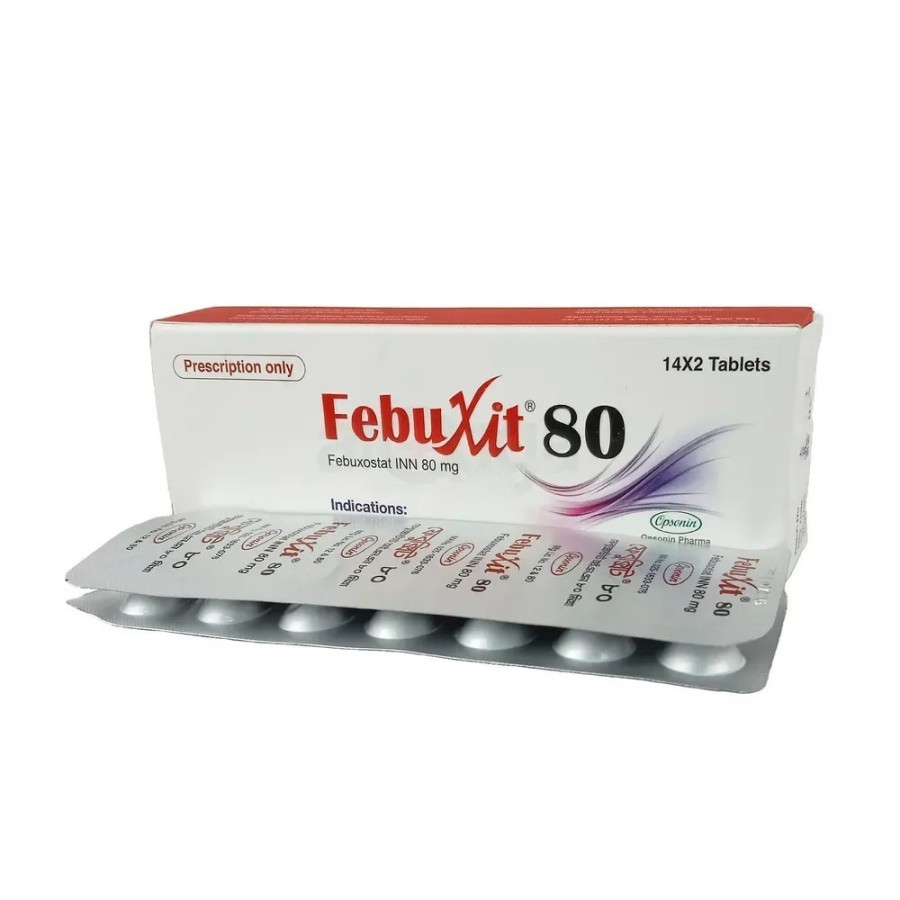
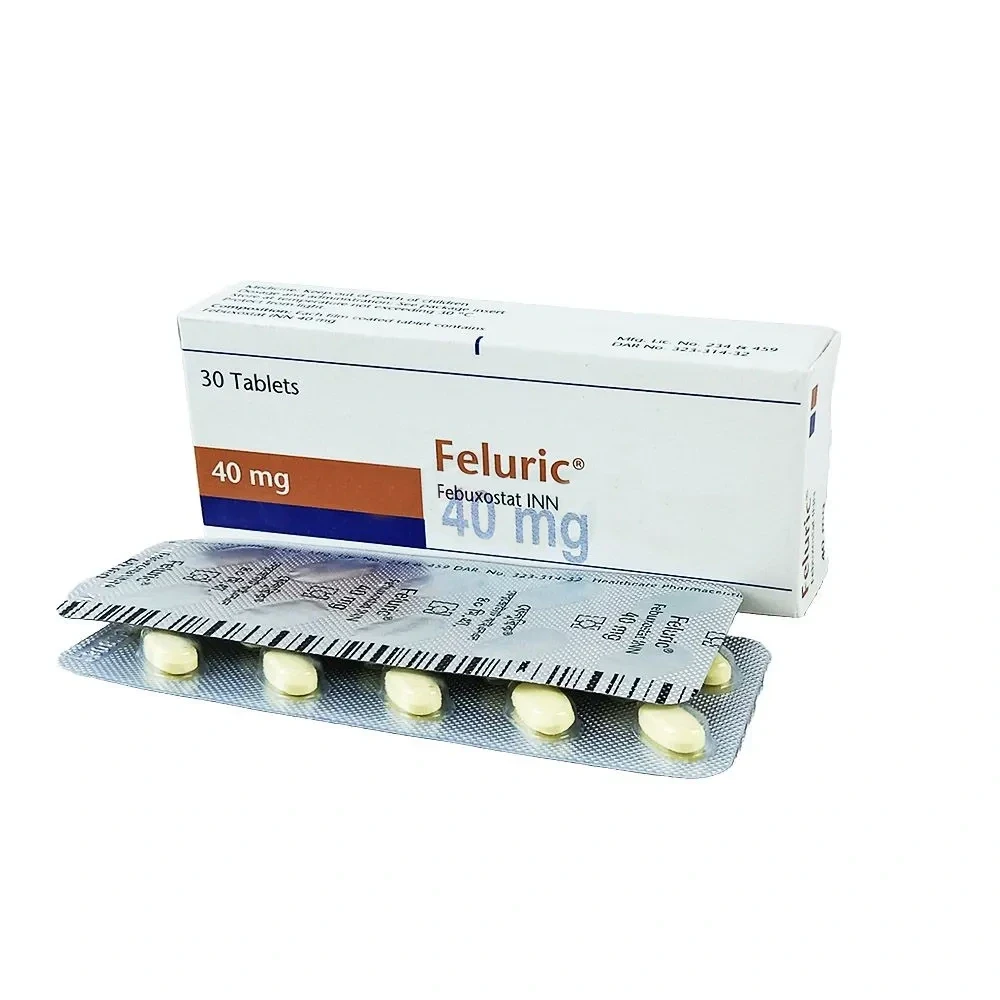
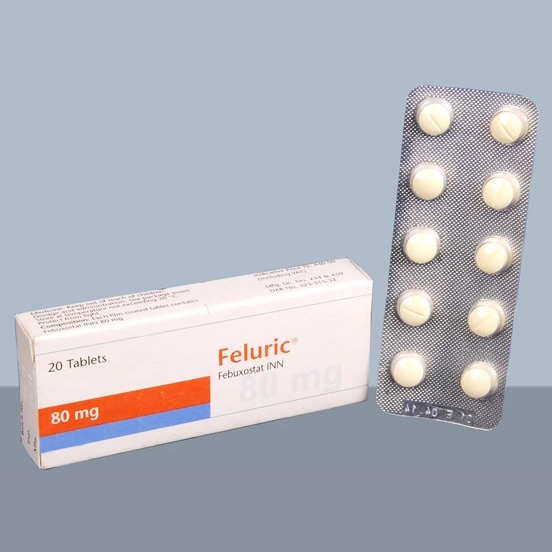
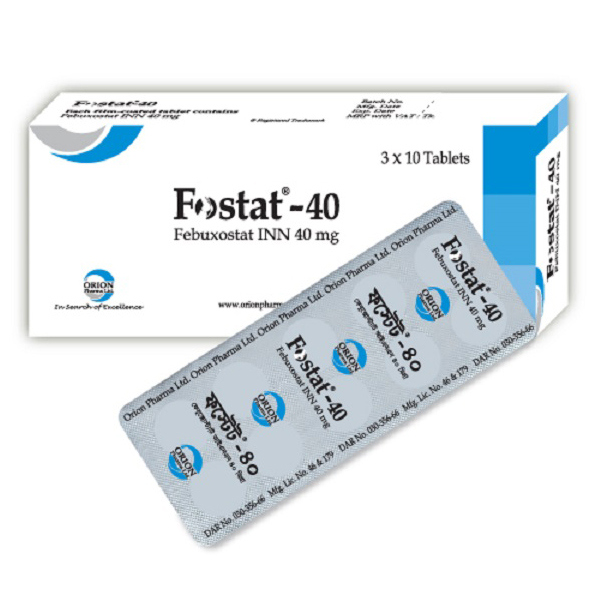
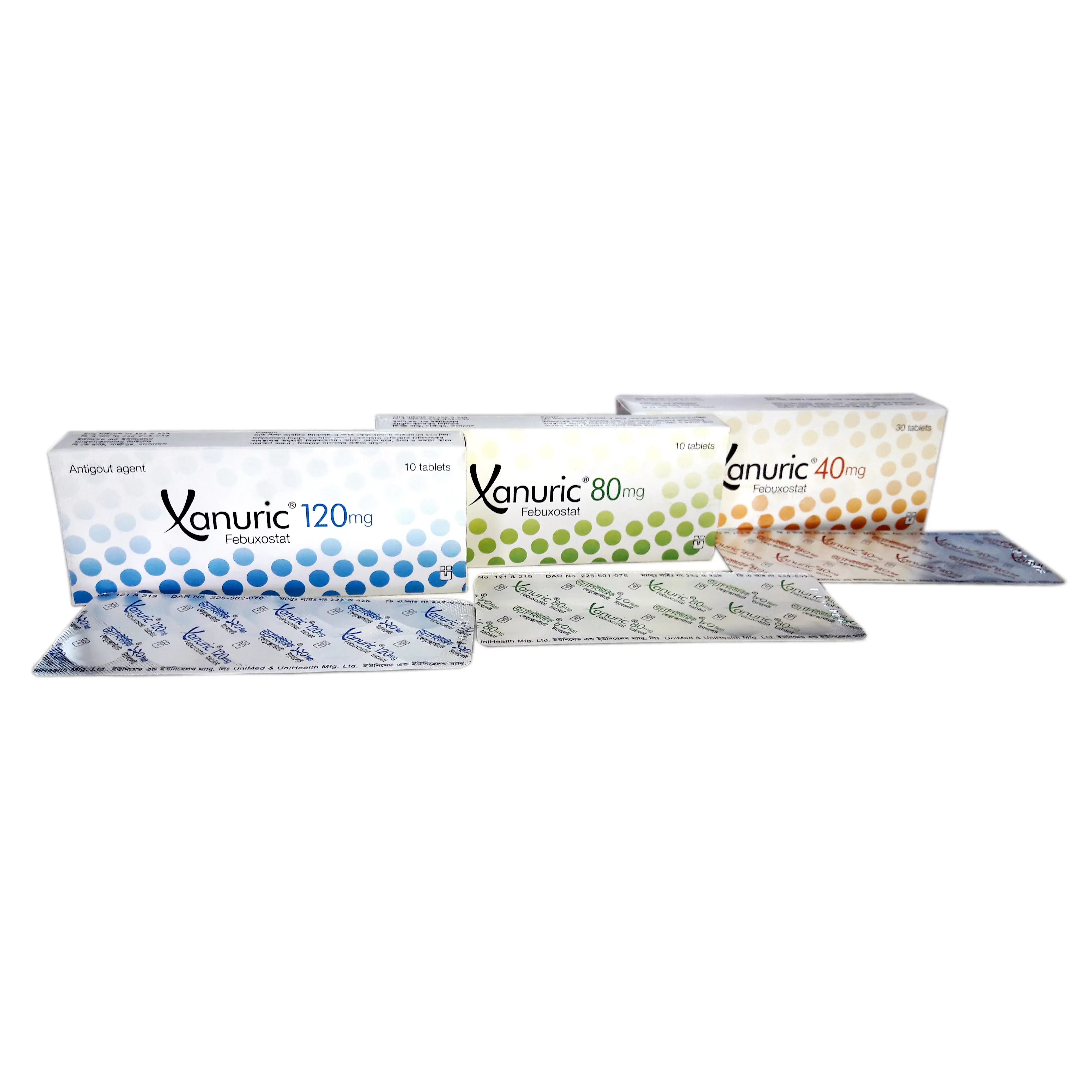
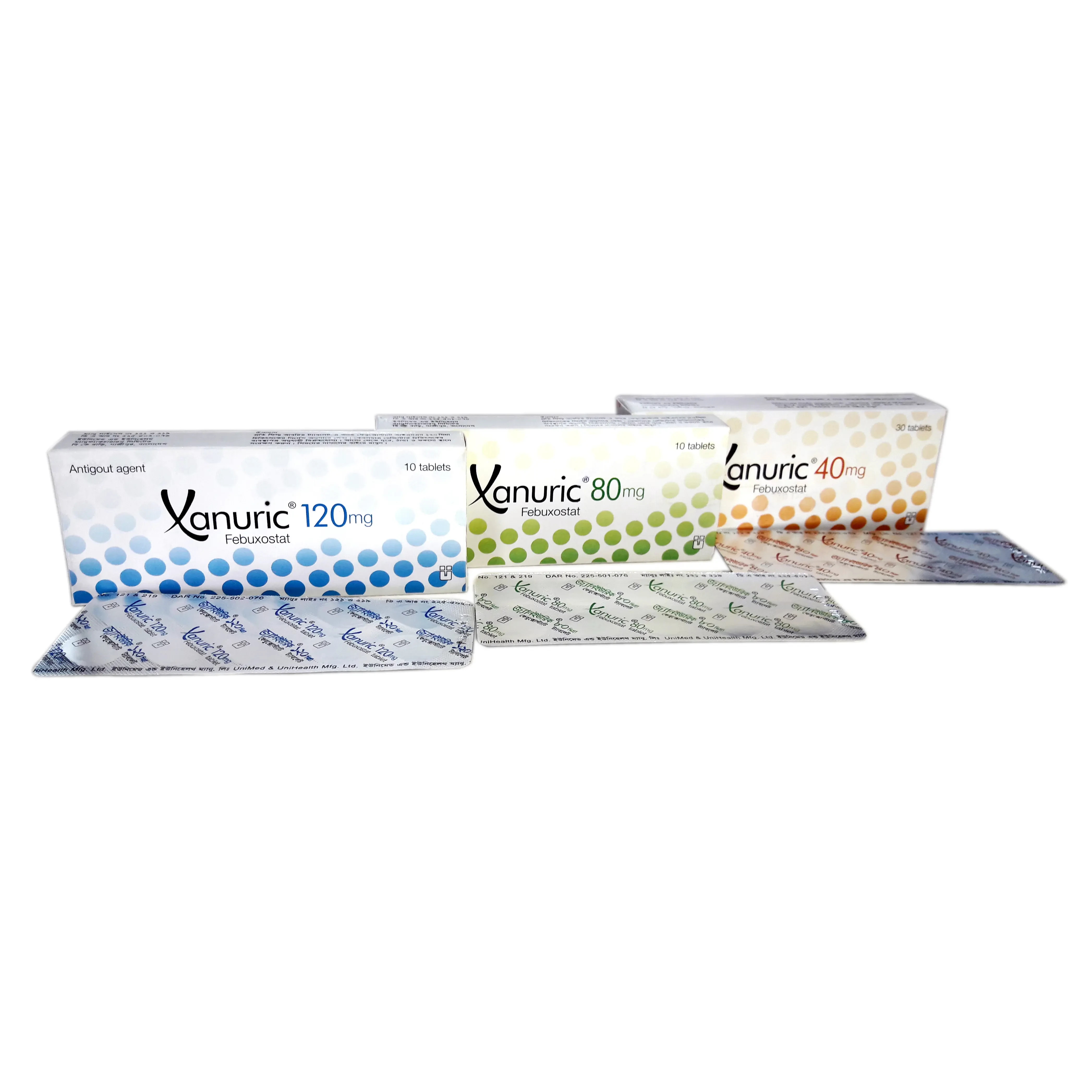
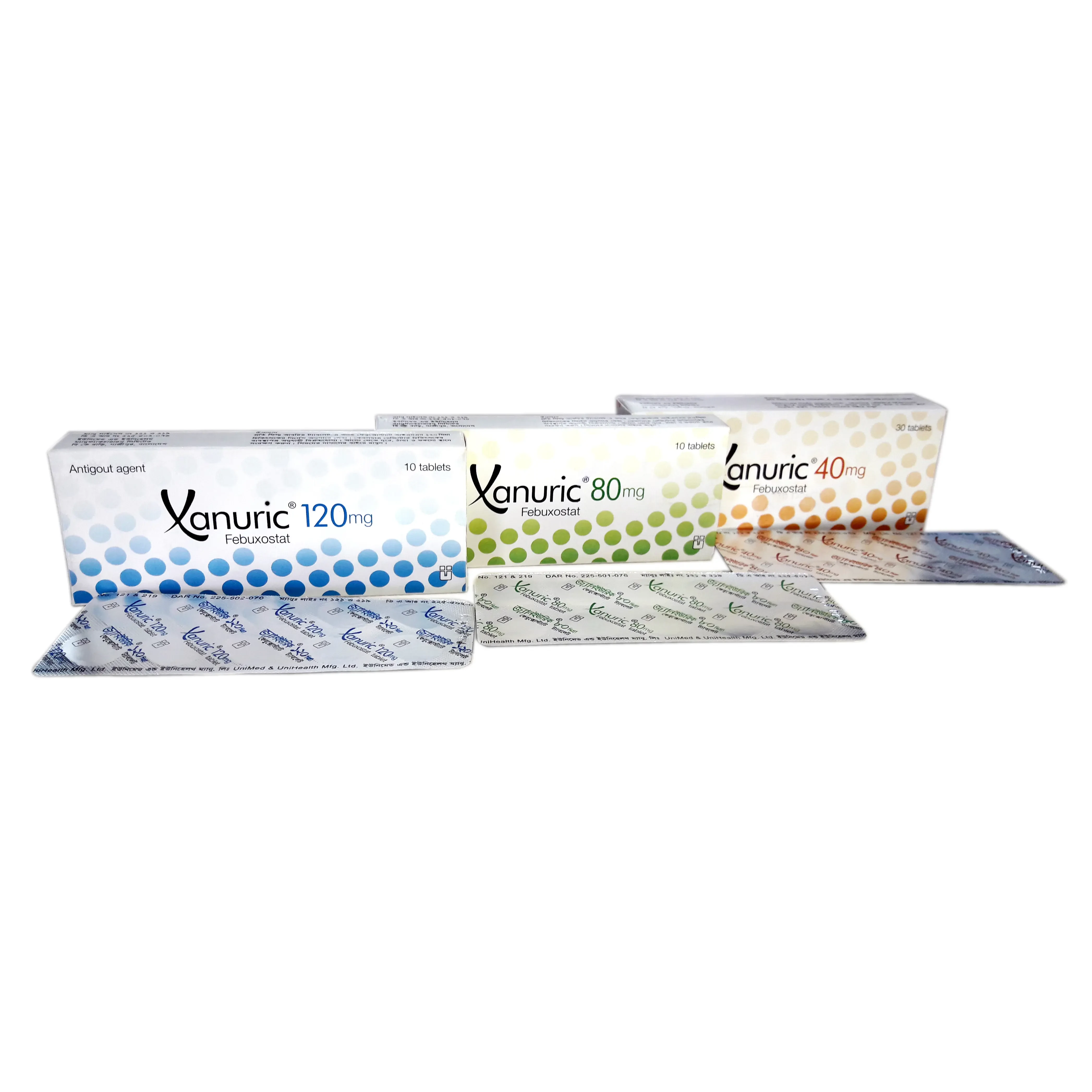
Febuxostat is a non-purine xanthine oxidase inhibitor used for the chronic management of hyperuricemia in patients with gout, particularly in those who have an inadequate response or intolerance to allopurinol. It lowers serum uric acid levels by inhibiting xanthine oxidase, the enzyme responsible for uric acid production, thereby helping to prevent gout attacks and urate crystal deposition.
Febuxostat should be used with caution in patients with cardiovascular disease, as it has been associated with an increased risk of cardiovascular death compared with allopurinol. It is generally recommended as a second-line treatment when allopurinol is not suitable.
Uses
Febuxostat is a xanthine oxidase inhibitor used for the management of chronic hyperuricemia in adults with gout who have an inadequate response or intolerance to allopurinol.
Febuxostat is indicated for the chronic management of hyperuricemia in adult patients with gout who have an inadequate response to a maximally titrated dose of allopurinol, who are intolerant to allopurinol, or for whom treatment with allopurinol is not advisable. It is not recommended for the treatment of asymptomatic hyperuricemia or secondary hyperuricemia.
Associated Conditions
Pharmacodynamics
Febuxostat is a novel, selective xanthine oxidase/dehydrogenase inhibitor that works by decreasing serum uric acid in a dose-dependent manner. In healthy subjects, febuxostat decreased the mean serum uric acid and serum xanthine concentrations, as well as the total urinary uric acid excretion. Febuxostat at daily doses of 40-80 mg reduced the 24-hour mean serum uric acid concentrations by 40 to 55%. Closely related to the drug-induced reduction of serum uric acid levels and mobilization of urate crystals in tissue deposits, febuxostat is associated with gout flares.
Unlike allopurinol and oxypurinol, febuxostat has no inhibitory actions against other enzymes involved in purine and pyrimidine synthesis and metabolism, because it does not structurally resemble purines or pyrimidines.
Mechanism of Action
Gout is a form of acute arthritis that is characterized by the accumulation of crystals of monosodium urate and urate crystals in or around a joint, leading to inflammation and persistent urate crystal deposition in bones, joints, tissues, and other organs that may exacerbate over time. Hyperuricemia is closely related to gout, whereby it may exist for many years before the first clinical attack of gout; thus, aberrated serum uric acid levels and hyperuricemia are believed to be the biochemical aberration involved in the pathogenesis of gout. Xanthine oxidoreductase (XOR) can act as a xanthine oxidase or xanthine dehydrogenase. In humans, it is a critical enzyme for uric acid production as it catalyzes the oxidation reaction steps from hypoxanthine to xanthine and from xanthine to uric acid in the pathway of purine metabolism. Febuxostat potently inhibits XOR, blocking both its oxidase and dehydrogenase activities. With high affinity, febuxostat binds to XOR in a molecular channel leading to the molybdenum-pterin active site, where allopurinol demonstrates relatively weak competitive inhibition.
XOR is mainly found in the dehydrogenase form under normal physiological conditions; however, in inflammatory conditions, XOR can be converted into the xanthine oxidase form, which catalyzes reactions that produce reactive oxygen species (ROS), such as peroxynitrite. ROS contribute to vascular inflammation and alterations in vascular function. As febuxostat can inhibit both forms of XOR, it can inhibit ROS formation, oxidative stress, and inflammation. In a rat model, febuxostat suppressed renal ischemia-reperfusion injury by attenuating oxidative stress.
Absorption
After oral administration, about 85% of febuxostat is absorbed rapidly. Tmax ranges from 1 to 1.5 hours. Following once-daily oral administration, Cmax was approximately 1.6 ± 0.6 mcg/mL at a dose of 40 mg febuxostat and 2.6 ± 1.7 mcg/mL at a dose of 80 mg febuxostat.
A high-fat meal decreased Cmax by 49% and AUC by 18%, but there were no clinically significant changes in the ability of febuxostat to decrease serum uric acid concentrations.
Volume of Distribution
The apparent steady-state volume of distribution (Vss/F) of febuxostat ranges from 29 to 75 L, indicating a low to medium volume of distribution.
Protein Binding
Febuxostat is approximately 99.2% bound to plasma proteins, primarily to albumin. Plasma protein binding is constant over the concentration range achieved with 40 mg and 80 mg doses.
Route of Elimination
Febuxostat is eliminated via both hepatic and renal pathways. Following oral administration of 80 mg radiolabeled febuxostat, approximately 49% of the dose was recovered in the urine. In urine, about 3% of the recovered dose accounted for unchanged febuxostat, 30% accounted for the acyl glucuronide metabolite, 13% accounted for oxidative metabolites and their conjugates, and 3% accounted for unidentified metabolites.
Approximately 45% of the total dose was recovered in the feces, where 12% of the dose accounted for the unchanged parent drug. About 1% accounted for the acyl glucuronide metabolite, 25% accounted for oxidative metabolites and their conjugates, and 7% accounted for unidentified metabolites.
Half Life
The apparent mean terminal elimination half-life of approximately 5 to 8 hours.
Clearance
Following oral administration of single doses of 10 to 240 mg, the mean apparent total clearance ranged from 10 to 12 L/h.
Toxicity
Oral lowest published toxic dose (TDLO) in humans is 1.82 mg/kg/14D (intermittent). Oral LD50 is 300 mg/kg in mice, 3200 mg/kg in rabbits, and 980 mg/kg in rats.
No dose-limiting toxicities were observed with febuxostat administered at doses up to 300 mg daily for seven days in healthy subjects. There are no reports of overdose of febuxostat in clinical studies and there is no known antidote. Overdose should be managed by symptomatic and supportive care.
Food Interactions
- Take with or without food. A high fat meal decreases Cmax and AUC in a clinically insignificant way.
Dosage
Tumor Lysis Syndrome: The recommended dose is one Febuxostat 120 mg tablet once daily. Febuxostat 120 mg tablet should be started two days before the beginning of cytotoxic therapy and continued for a minimum of 7 days. However treatment may be prolonged up to 9 days according to chemotherapy duration as per clinical judgment.
Gout Flares: Gout flares may occur after initiation of Feboxostat tablets due to changing serum uric acid levels resulting in mobilization of urate from tissue deposits. Flare prophylaxis with a non-steroidal anti-inflammatory drug (NSAID) or colchicine is recommended upon initiation of Febuxostat tablets. If a gout flare occurs during treatment, Feboxostat tablets need not be discontinued. The gout flare should be managed concurrently, as appropriate for the individual patient.
Renal impairment: No dose adjustment is necessary when administering Febuxostat in patients with mild to moderate renal impairment.
Hepatic impairment: No dose adjustment is necessary in patients with mild to moderate hepatic impairment.
Pediatric Use: Safety and effectiveness in pediatric patients under 18 years of age have not been established