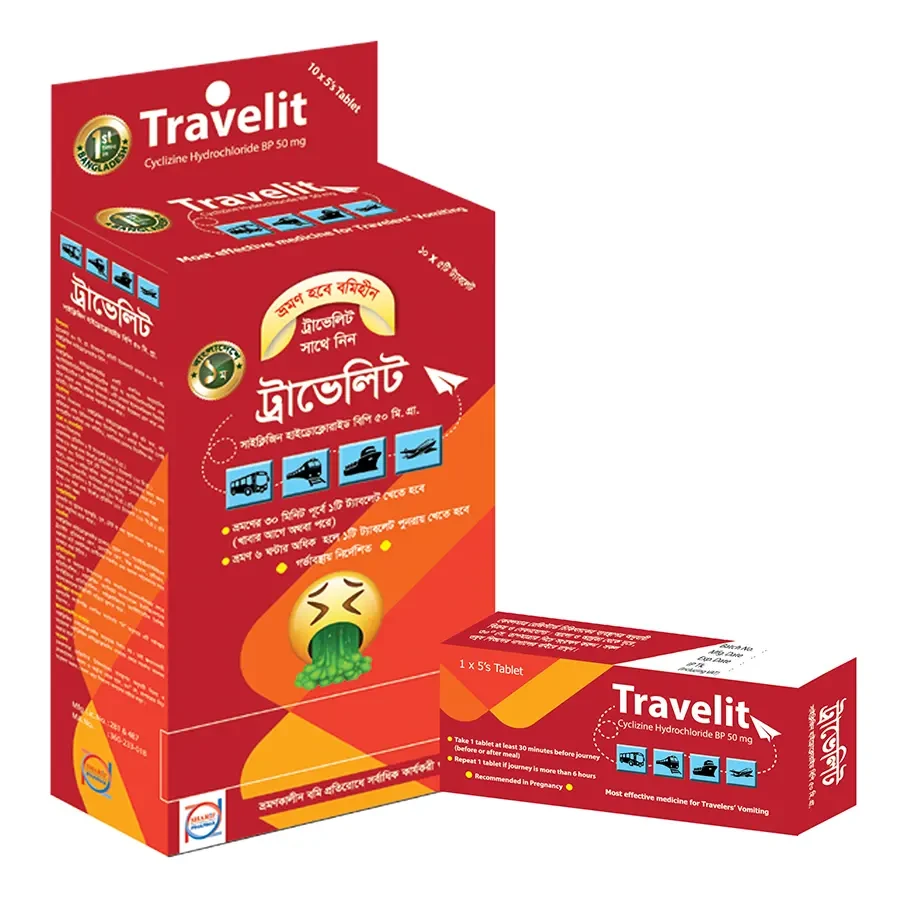
Introduction
A histamine H1 antagonist given by mouth or parenterally for the control of postoperative and drug-induced vomiting and in motion sickness. (From Martindale, The Extra Pharmacopoeia, 30th ed, p935)
Uses
Cyclizine is an antihistamine and antiemetic drug used for the prevention and treatment of nausea, vomiting, and dizziness associated with motion sickness, and vertigo.
For prevention and treatment of nausea, vomiting, and dizziness associated with motion sickness, and vertigo (dizziness caused by other medical problems).
Associated Conditions
Pharmacodynamics
Cyclizine is a piperazine-derivative antihistamine used as an antivertigo/antiemetic agent. Cyclizine is used in the prevention and treatment of nausea, vomiting, and dizziness associated with motion sickness. Additionally, it has been used in the management of vertigo in diseases affecting the vestibular apparatus. Although the mechanism by which cyclizine exerts its antiemetic and antivertigo effects has not been fully elucidated, its central anticholinergic properties are partially responsible. The drug depresses labyrinth excitability and vestibular stimulation, and it may affect the medullary chemoreceptor trigger zone. It also possesses anticholinergic, antihistaminic, central nervous system depressant, and local anesthetic effects.
Mechanism of Action
Vomiting (emesis) is essentially a protective mechanism for removing irritant or otherwise harmful substances from the upper GI tract. Emesis or vomiting is controlled by the vomiting centre in the medulla region of the brain, an important part of which is the chemotrigger zone (CTZ). The vomiting centre possesses neurons which are rich in muscarinic cholinergic and histamine containing synapses. These types of neurons are especially involved in transmission from the vestibular apparatus to the vomiting centre. Motion sickness principally involves overstimulation of these pathways due to various sensory stimuli. Hence the action of cyclizine which acts to block the histamine receptors in the vomiting centre and thus reduce activity along these pathways. Furthermore since cyclizine possesses anti-cholinergic properties as well, the muscarinic receptors are similarly blocked.
Half Life
20 hours
Food Interactions
- Avoid alcohol.
- Take with or without food. The absorption is unaffected by food.
Dosage
- Adults: 1 Tablet (50 mg)
- Children: (6 years & above): 1/2 Tablet (25 mg). 1 tablet should be taken at least 30 minutes before journey (before or after meal), repeat 1 tablet if journey is more than 6 hours
- Adults: 1 Tablet (50 mg) every 6-8 hours daily
- Children: (6 years & above): 1/2 Tablet (25 mg) every 6-8 hours daily