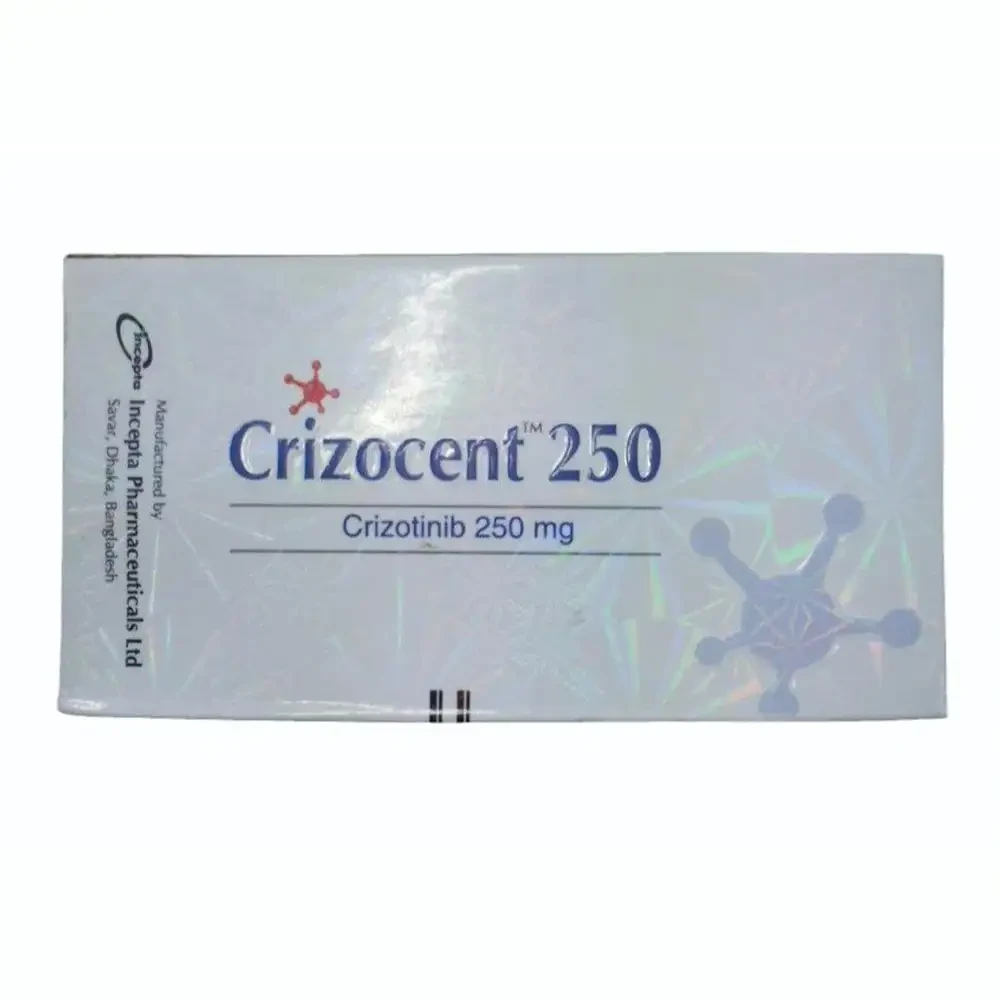
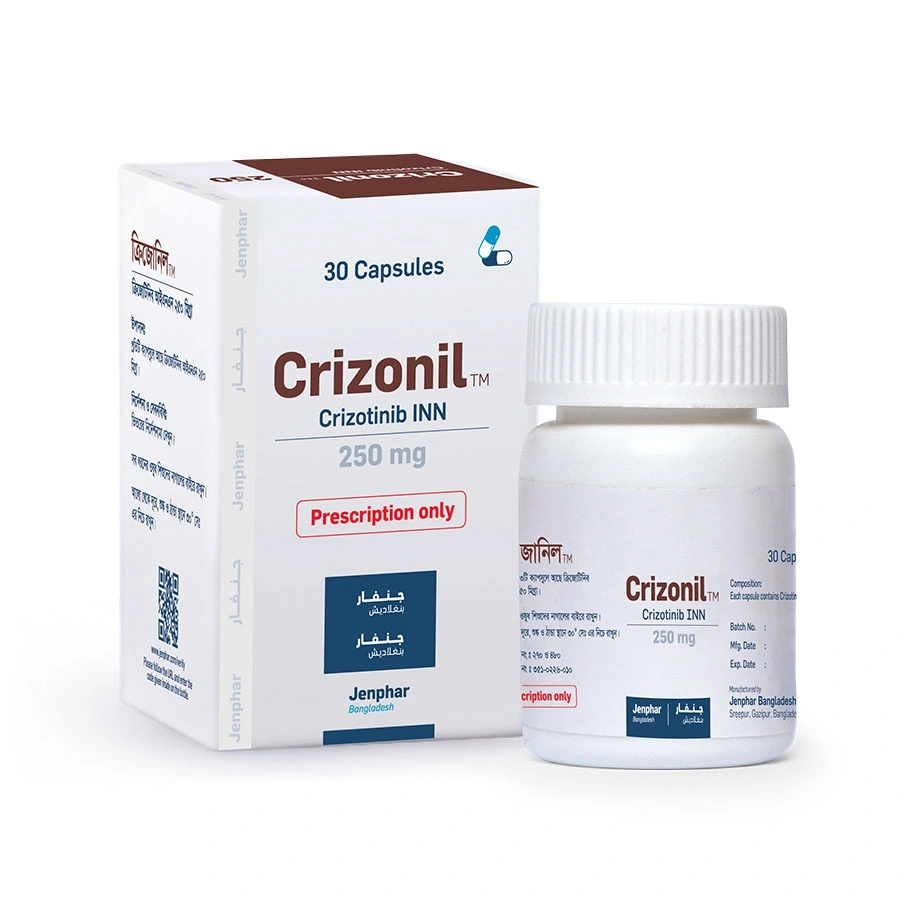
Introduction
Crizotinib an inhibitor of receptor tyrosine kinase for the treatment of non-small cell lung cancer (NSCLC). Verification of the presence of ALK fusion gene is done by Abbott Molecular's Vysis ALK Break Apart FISH Probe Kit. This verification is used to select for patients suitable for treatment.
Uses
Crizotinib is a receptor tyrosine kinase inhibitor used to treat metastatic non-small cell lung cancer (NSCLC) where the tumors have been confirmed to be anaplastic lymphoma kinase (ALK), or ROS1-positive.
Crizotinib is used for the treatment of locally advanced or metastatic non-small cell lung cancer (NSCLC) that is anaplastic-lymphoma kinase (ALK)-positive as detected by a FDA-approved test.
Associated Conditions
Mechanism of Action
Crizotinib is a tyrosine kinase receptor inhibitor. More specifically, it inhibits anaplastic lymphoma kinase (ALK), hepatocyte growth factor receptor (HGFR, c-MET), and Recepteur d'Origine Nantais (RON). Abnormalities in the ALK gene caused by mutations or translocations may lead to expression of oncogenic fusion proteins. In patients with NSCLC, they have the EML4-ALK gene. Crizotinib inhibits ALK tyrosine kinase which ultimately results in decreased proliferation of cells that carry the genetic mutation and tumour survivability.
Absorption
The peak serum concentration was reached in 4 to 6 hours following an oral single-dose administration. Steady state was reached within 15 days when a dose of 250 mg twice daily was administered. The mean absolute bioavailability was 43% (range of 32% to 66%) following a single 250 mg oral dose. When taken with high-fat meal, AUC and Cmax were reduced.
Volume of Distribution
Mean volume of distribution (Vss) is 1772 L following intravenous administration of a 50 mg dose. This high volume of distribution suggest extensive distribution into tissue from plasma.
Protein Binding
Crizotinib is 91% bound to plasma protein. This is not affected by drug concentration.
Route of Elimination
Following the administration of a single 250 mg radiolabeled crizotinib dose to healthy subjects, 63% and 22% of the administered dose was recovered in feces and urine, respectively. Unchanged crizotinib represented approximately 53% and 2.3% of the administered dose in feces and urine, respectively.
Half Life
Plasma terminal half-life, patients = 42 hours
Clearance
The mean apparent clearance (CL/F) of crizotinib was lower at steady state (60 L/hr) after 250 mg twice daily than that after a single 250 mg oral dose (100 L/hr), which was likely due to autoinhibition of CYP3A by crizotinib after multiple dosing.
Food Interactions
- Avoid grapefruit products. Grapefruit inhibits CYP3A4 metabolism, which may increase the serum levels of crizotinib.
- Avoid St. John's Wort. This herb induces CYP3A4 metabolism, which may reduce serum levels of crizotinib.
- Take with or without food. High-fat food decreases drug absorption, but not to a clinically significant extent.
Dosage
Geriatric Use: No differences in safety or efficacy were observed between older and younger patients. Clinical studies of Crizotinib in patients with ROS1-positive metastatic NSCLC did not include sufficient numbers of patients age 65 years and older to determine whether they respond differently from younger patients
Pediatric Dose: The safety and effectiveness of Crizotinib in pediatric patients have not been established.
Renal impairment: 250 mg orally, once daily in patients with severe renal impairment (creatinine clearance <30 mL/min) not requiring dialysis. No starting dose adjustment is needed for patients with mild (ClCr 60-89 mL/min) or moderate (ClCr 30-59 mL/min) renal impairment based on a population pharmacokinetic analysis.
Hepatic Impairment: Caution should be used in patients with hepatic impairment