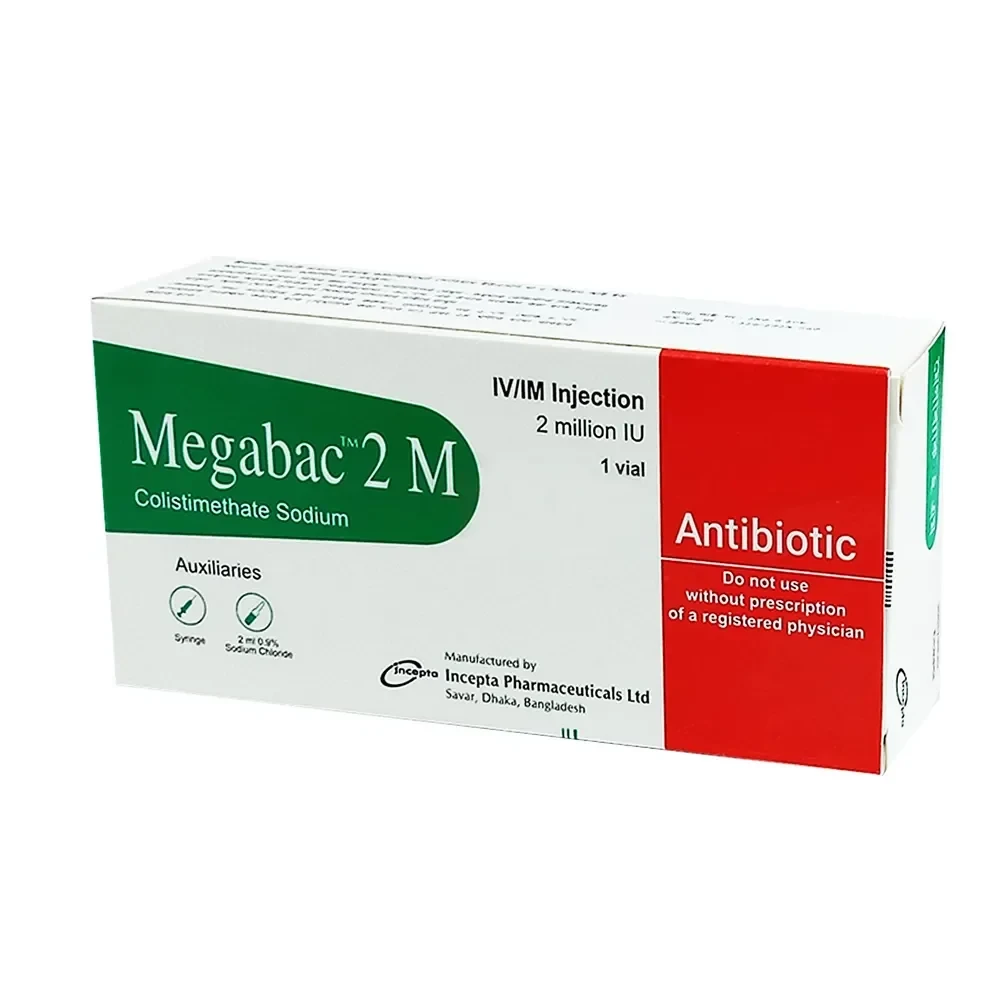
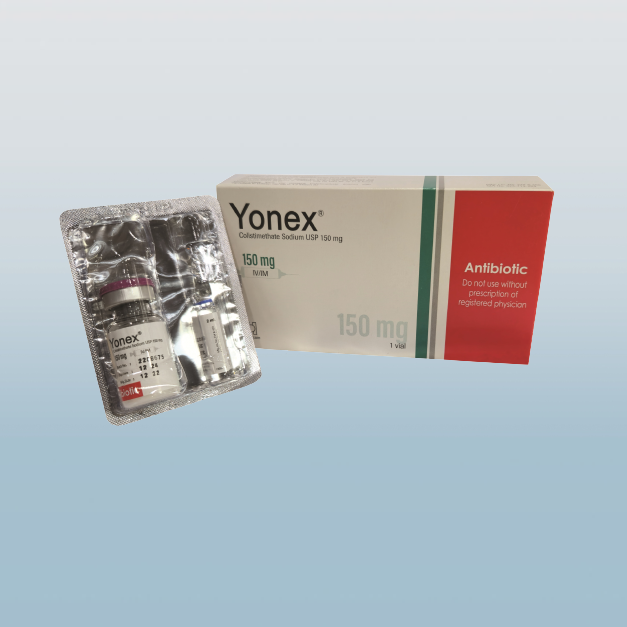
Introduction
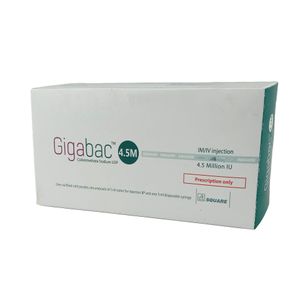
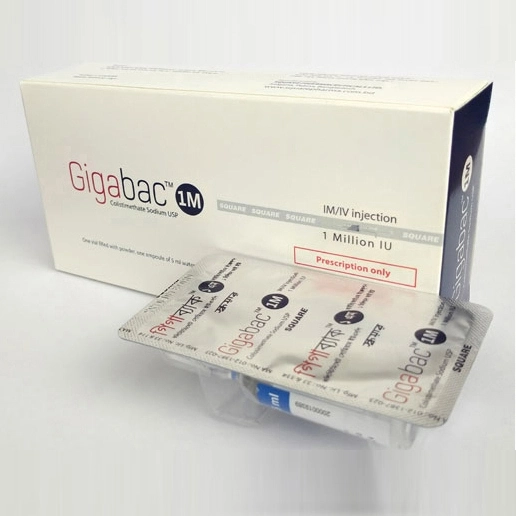
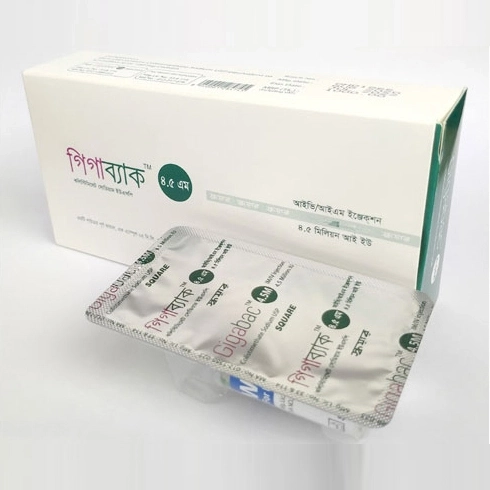
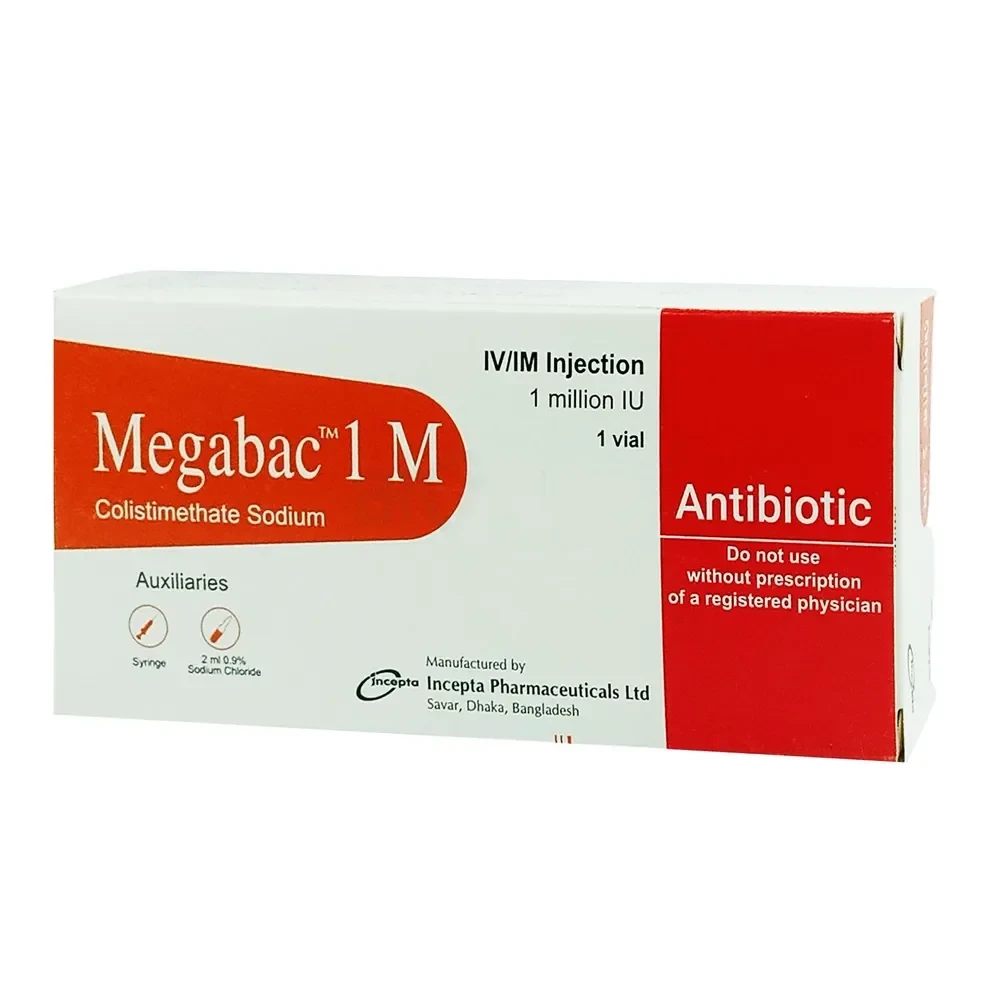
Colistimethate is an antibiotic that has been shown to have bactericidal activity against aerobic gram-negative microorganisms. Colistimethate is particularly indicated when the infection is caused by sensitive strains of Pseudomonas aeruginosa.
Uses
Colistimethate is an antibiotic indicated for treatment of infections caused by susceptible strains of certain gram-negative bacilli. It is particularly useful for targeting sensitive strains of Pseudomonas aeruginosa.
For the treatment of acute or chronic infections due to sensitive strains of certain gram-negative bacilli, particularly Pseudomonas aeruginosa.
Associated Conditions
Pharmacodynamics
Colistimethate is a polymyxin antibiotic agent. Originally, colistimethate sodium was thought to be less toxic than polymyxin B; however, if the drugs are administered at comparable doses, their toxicities may be similar. Polymyxins are cationic polypeptides that disrupt the bacterial cell membrane through a detergentlike mechanism. With the development of less toxic agents, such as extended-spectrum penicillins and cephalosporins, parenteral polymyxin use was largely abandoned, except for the treatment of multidrug-resistant pulmonary infections in patients with cystic fibrosis. More recently, however, the emergence of multidrug-resistant gram-negative bacteria, such as Pseudomonas aeruginosa and Acinetobacter baumannii, and the lack of new antimicrobial agents have led to the revived use of the polymyxins.
Mechanism of Action
Colistimethate is a surface active agent which penetrates into and disrupts the bacterial cell membrane. Colistimethate is polycationic and has both hydrophobic and lipophilic moieties. It interacts with the bacterial cytoplasmic membrane, changing its permeability. This effect is bactericidal. There is also evidence that polymyxins enter the cell and precipitate cytoplasmic components, primarily ribosomes.
Absorption
Very poor absorption from gastrointestinal tract.
Half Life
2-3 hours following either intravenous or intramuscular administration in adults and in the pediatric population, including premature infants.
Toxicity
Oral LD50 in rats is 5450 mg/kg. Overdosage with colistimethate can cause neuromuscular blockade characterized by paresthesia, lethargy, confusion, dizziness, ataxia, nystagmus, disorders of speech and apnea. Respiratory muscle paralysis may lead to apnea, respiratory arrest and death.
Food Interactions
No interactions found.
Dosage
Renal impairment patients: Dose adjustments in renal impairment patients are necessary. Dose reductions are recommended for patients with creatinine clearance < 50 ml/min. Twice daily dosing is recommended.
- Creatinine clearance <50-30 ml/min: daily dose 5.5-7.5 MIU
- Creatinine clearance <30-10 ml/min: daily dose 4.5-5.5 MIU
- Creatinine clearance <10 ml/min: daily dose 3.5 MIU
- No-HD days: 2.25 MIU/day (2.2-2.3 MIU/day).
- HD days: 3 MIU/day (Should be given after the HD session) Twice daily dosing is recommended.
- Children ≤40 kg: 75,000-150,000 IU/kg/day divided into 3 doses.
- Children >40 kg: >150,000 IU/kg/day has been reported in children with cystic fibrosis.