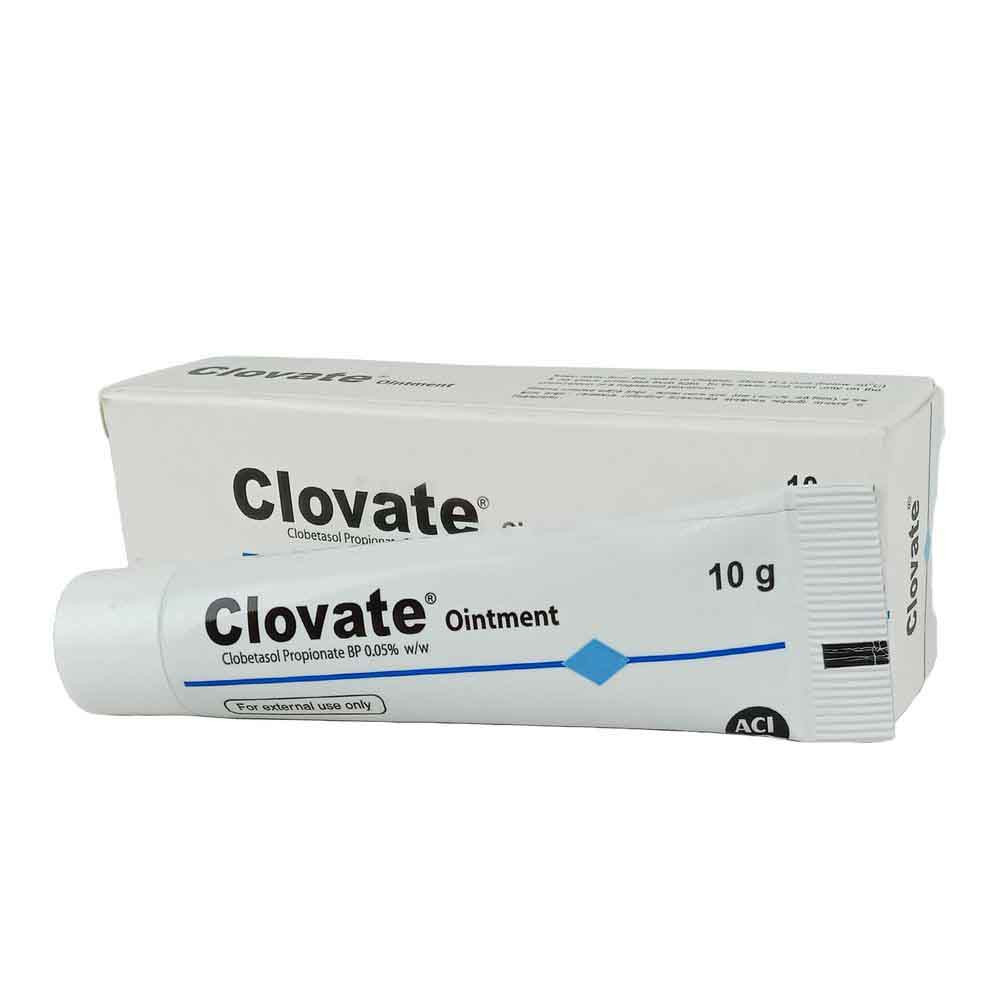
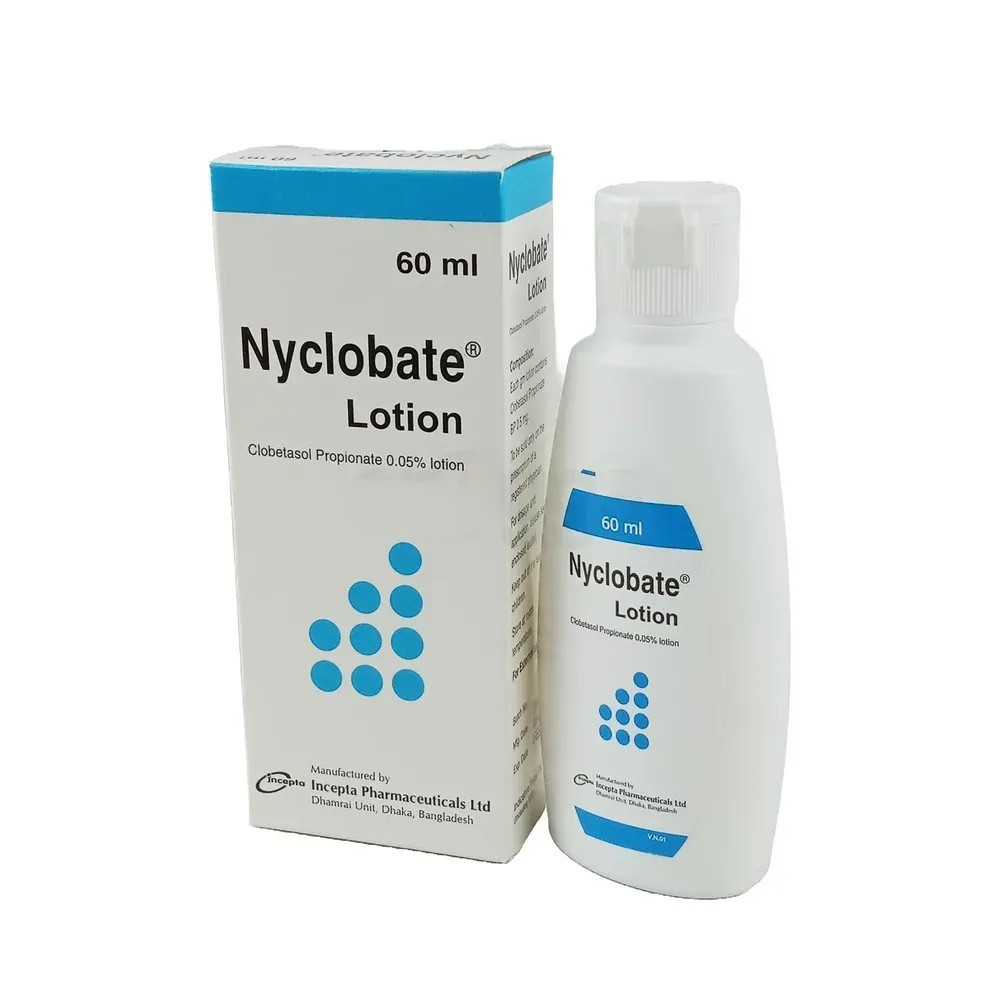
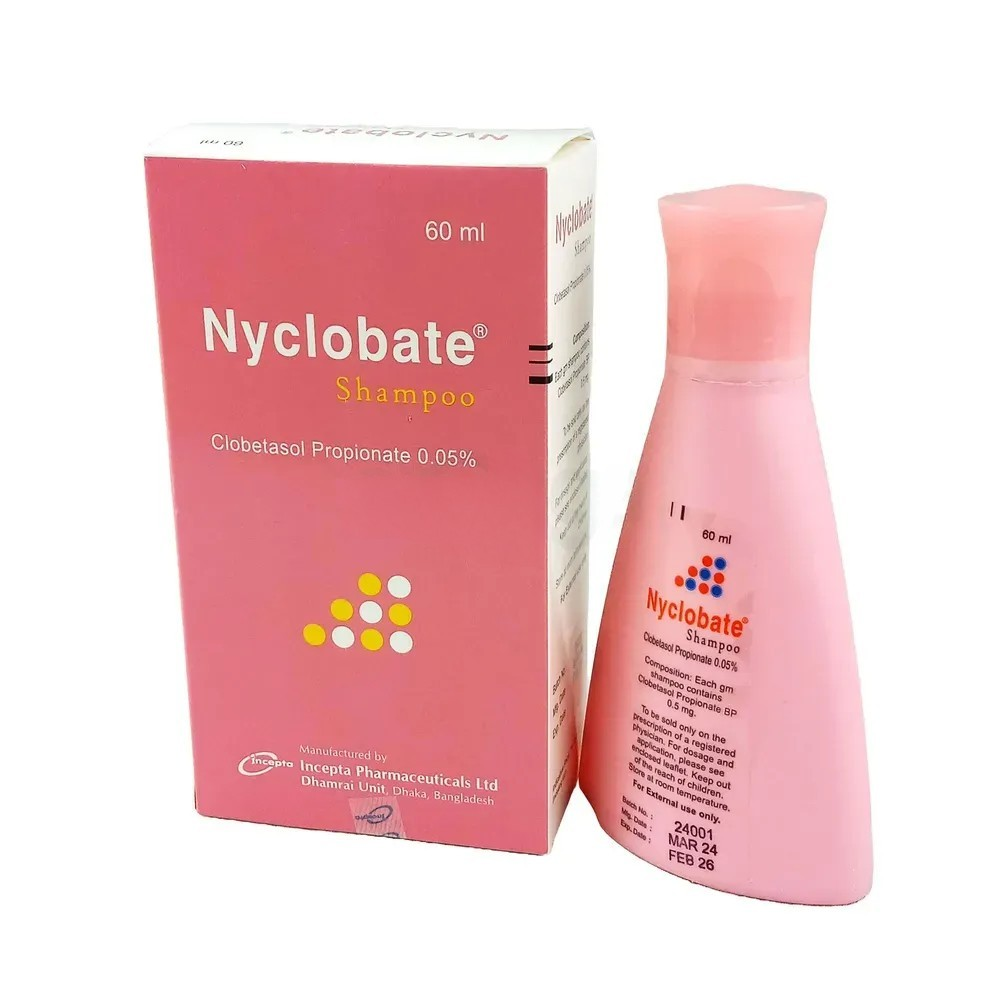
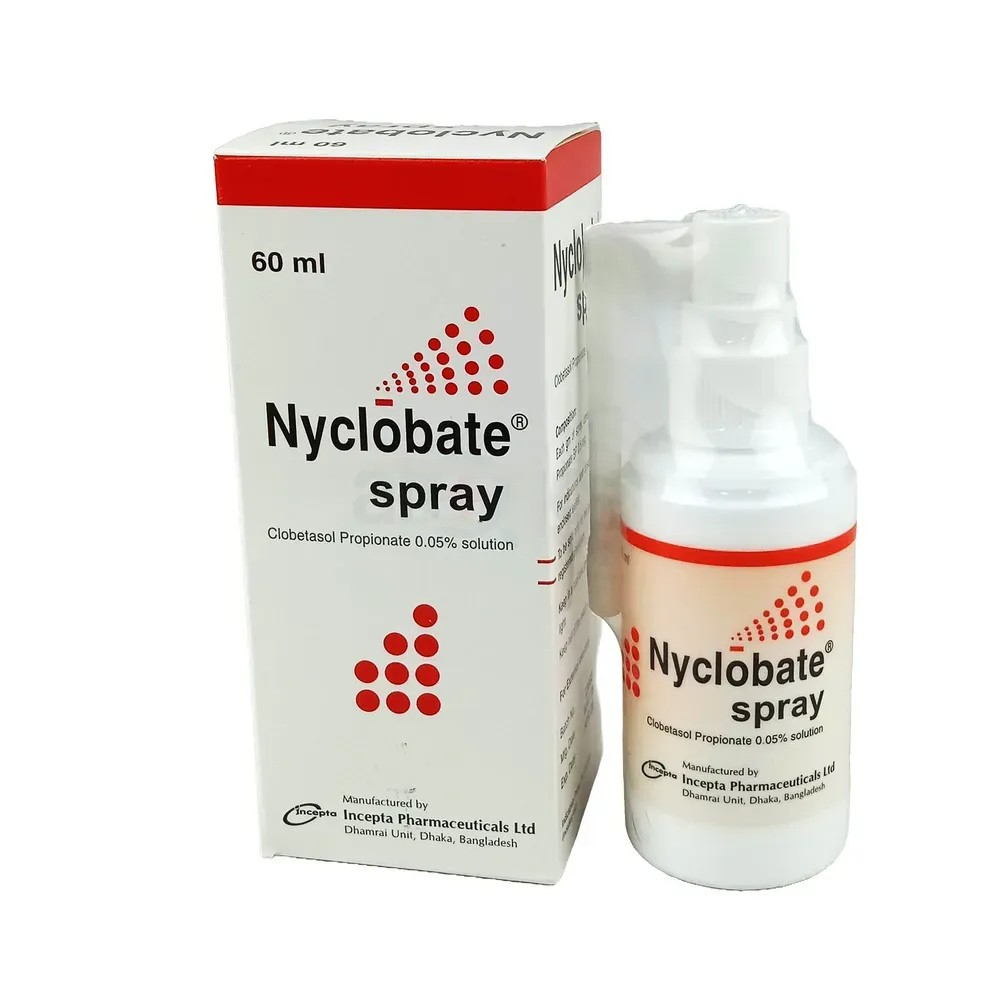
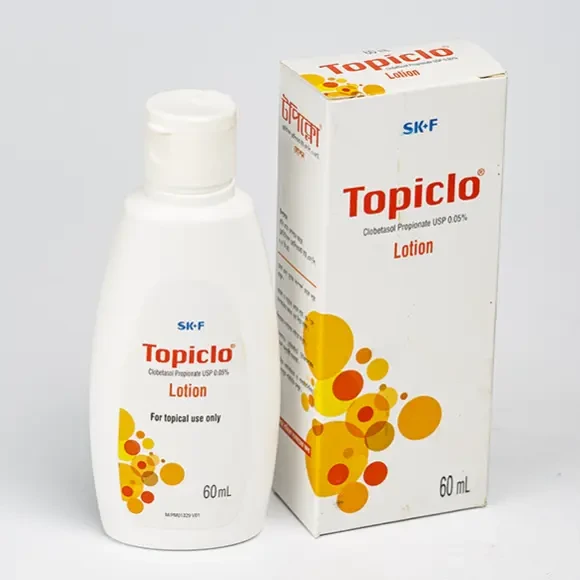
1. What is Clobetasol Propionate?
Clobetasol Propionate is a potent topical corticosteroid used to treat various skin conditions, such as eczema, psoriasis, and dermatitis. It helps reduce inflammation, redness, and swelling by suppressing immune responses in the skin.
2. How does Clobetasol Propionate work?
Clobetasol Propionate works by reducing inflammation and immune responses in the skin. It does this by suppressing the activity of certain chemicals in the body that cause inflammation and swelling.
3. What is Clobetasol Propionate used for?
Clobetasol Propionate is primarily used to treat inflammatory skin conditions such as:
- Psoriasis
- Atopic dermatitis (eczema)
- Contact dermatitis
- Seborrheic dermatitis
- Other inflammatory skin conditions
4. How should I apply Clobetasol Propionate?
Clobetasol Propionate should be applied to the affected area as a thin layer once or twice daily, as directed by your healthcare provider. Avoid applying it to the face, groin, or underarms unless specifically instructed to do so. Do not apply it to broken skin or open wounds.
5. What are the common side effects of Clobetasol Propionate?
Common side effects of Clobetasol Propionate include:
- Burning or stinging at the application site
- Itching or irritation
- Skin thinning
- Stretch marks
- Acne or folliculitis
If any of these side effects are severe or persistent, contact your healthcare provider.
6. What should I do if I accidentally swallow Clobetasol Propionate?
If you accidentally swallow Clobetasol Propionate, contact your healthcare provider or poison control immediately. Swallowing large amounts of corticosteroids can lead to serious side effects, such as adrenal suppression or stomach issues.
7. Can Clobetasol Propionate be used on the face?
Clobetasol Propionate is a potent corticosteroid and should generally not be used on the face unless prescribed by a doctor. Prolonged use on the face can cause skin thinning, irritation, and other side effects.
8. Can Clobetasol Propionate be used during pregnancy?
Clobetasol Propionate should only be used during pregnancy if clearly needed and prescribed by your doctor. It is classified as a Category C drug, meaning it could harm the fetus, so its use during pregnancy should be carefully considered.
9. Can Clobetasol Propionate be used while breastfeeding?
Clobetasol Propionate can be passed into breast milk in small amounts. It should only be used while breastfeeding if the benefits outweigh the potential risks. Always consult your healthcare provider before using it during breastfeeding.
10. Can I use Clobetasol Propionate with other topical medications?
Clobetasol Propionate may interact with other topical medications. It is important to inform your healthcare provider of all the medications you are using, including other topical treatments, to avoid adverse interactions.
11. How long can I use Clobetasol Propionate?
Clobetasol Propionate should not be used for prolonged periods. Typically, it is recommended for short-term use (up to two weeks) due to the risk of skin thinning and other side effects. Long-term use should be monitored by a healthcare provider.
12. What should I do if I miss a dose of Clobetasol Propionate?
If you miss a dose of Clobetasol Propionate, apply it as soon as you remember. If it's almost time for your next dose, skip the missed dose and continue with your regular dosing schedule. Do not apply extra to make up for a missed dose.
13. Can Clobetasol Propionate cause skin thinning?
Yes, one of the known side effects of Clobetasol Propionate is skin thinning, especially with prolonged use. This can increase the risk of skin bruising and other skin issues. To minimize this risk, use the medication only as prescribed and for the shortest duration possible.
14. Can I use Clobetasol Propionate on my scalp?
Yes, Clobetasol Propionate can be used on the scalp for conditions like psoriasis or seborrheic dermatitis, but it should be applied carefully to avoid excessive use. It is important to follow your doctor's instructions regarding its application to your scalp.
15. Can Clobetasol Propionate cause stretch marks?
Yes, Clobetasol Propionate can cause stretch marks (striae), particularly with long-term use or use in areas of skin that are stretched, such as the abdomen or thighs. If you notice stretch marks, inform your healthcare provider.
16. What should I do if Clobetasol Propionate causes irritation or allergic reaction?
If Clobetasol Propionate causes irritation, redness, or signs of an allergic reaction (such as rash, swelling, or difficulty breathing), stop using the medication and seek medical attention immediately.
17. Can Clobetasol Propionate be used on children?
Clobetasol Propionate should be used cautiously in children, as they may be more susceptible to side effects, such as skin thinning or growth suppression. It should only be used under the supervision of a healthcare provider.
18. What are the potential long-term effects of using Clobetasol Propionate?
Long-term use of Clobetasol Propionate can lead to several side effects, including skin thinning, stretch marks, delayed wound healing, and increased risk of infections. Prolonged use may also affect the body's production of natural steroids.
19. Can I use Clobetasol Propionate if I have diabetes?
Clobetasol Propionate may raise blood sugar levels, which can be problematic for people with diabetes. If you have diabetes, consult your healthcare provider before using this medication.
20. Can Clobetasol Propionate interact with oral steroids?
Clobetasol Propionate, when used with oral steroids, may increase the risk of systemic corticosteroid side effects, such as adrenal suppression. Your doctor should monitor your use of both medications.
21. How can I reduce the risk of side effects from Clobetasol Propionate?
To minimize side effects, use Clobetasol Propionate only as prescribed, apply it to a small area of skin, and avoid prolonged use. Consult your healthcare provider if you experience any side effects or if you need to use the medication for an extended period.
22. Can I use Clobetasol Propionate after a sunburn?
It is not recommended to use Clobetasol Propionate on sunburned or damaged skin, as it may worsen irritation or sensitivity. Wait until your skin has healed before applying the medication.
23. How does Clobetasol Propionate compare to other corticosteroids?
Clobetasol Propionate is one of the most potent topical corticosteroids available. It is typically used for severe inflammatory skin conditions when milder corticosteroids have not been effective. Other corticosteroids vary in strength, with Clobetasol being among the strongest.
24. Can I use Clobetasol Propionate for acne?
Clobetasol Propionate is not recommended for acne treatment. In fact, topical corticosteroids can sometimes worsen acne by promoting the growth of pimples and pustules.
25. Can Clobetasol Propionate be used for allergic reactions?
Clobetasol Propionate can help treat the inflammation associated with allergic skin reactions, but it is not a first-line treatment for allergies. Antihistamines or other medications may be preferred for allergic reactions.
26. What should I do if Clobetasol Propionate makes my skin worse?
If Clobetasol Propionate worsens your skin condition, stop using it and contact your healthcare provider. You may require a different treatment or additional instructions for proper use.
27. Can Clobetasol Propionate help with sunburns?
Clobetasol Propionate is not recommended for sunburn treatment. For sunburns, soothing agents like aloe vera or hydrocortisone may be more appropriate.
28. How soon will I see results from Clobetasol Propionate?
Many people begin to see improvements in their skin condition within a few days to a week of using Clobetasol Propionate. However, the exact time will depend on the severity of the condition and how your skin responds to the treatment.
29. Can Clobetasol Propionate be used on the genitals?
Clobetasol Propionate should be used with caution on the genital area, as this area is more sensitive. It may be prescribed in certain cases, but it should be used under strict medical supervision.
30. Can I use Clobetasol Propionate for rashes caused by insect bites?
Clobetasol Propionate may help reduce the inflammation caused by insect bites, but it is not typically the first choice for treating bug bites. Over-the-counter antihistamines or hydrocortisone creams are often recommended.
31. How should I store Clobetasol Propionate?
Store Clobetasol Propionate at room temperature, away from heat and moisture. Keep it in its original container and out of the reach of children.
32. Is Clobetasol Propionate addictive?
No, Clobetasol Propionate is not addictive. However, prolonged use may cause side effects such as skin thinning and adrenal suppression.
33. Can I use Clobetasol Propionate for scalp psoriasis?
Yes, Clobetasol Propionate is commonly used to treat scalp psoriasis. However, it should be applied carefully and not in excess to avoid potential side effects.
34. Does Clobetasol Propionate help with skin discoloration?
Clobetasol Propionate is not typically used to treat skin discoloration or hyperpigmentation. It is more focused on treating inflammation and skin irritation.
35. Can Clobetasol Propionate be used for bug bites or hives?
Clobetasol Propionate may help reduce inflammation from insect bites or hives, but milder treatments like antihistamines or hydrocortisone are often recommended first.
36. Can Clobetasol Propionate help with fungal infections?
Clobetasol Propionate is not effective against fungal infections. For fungal infections, antifungal treatments are more appropriate.
37. Can I use Clobetasol Propionate for a rash from poison ivy?
Clobetasol Propionate may help reduce the inflammation and itching associated with poison ivy, but it should be used with caution and as prescribed by a doctor.
38. How often should I apply Clobetasol Propionate for psoriasis?
For psoriasis, Clobetasol Propionate is typically applied once or twice daily. Follow your doctor’s recommendations for frequency and duration of use to avoid potential side effects.
39. Can Clobetasol Propionate cause acne?
Yes, Clobetasol Propionate can cause acne-like breakouts in some individuals, especially when used for extended periods or on sensitive areas of the skin.
40. Can I use Clobetasol Propionate for a rash on my hands?
Clobetasol Propionate can be used for rashes on the hands, but it should be applied cautiously and for a limited duration to avoid potential skin thinning.
41. Can I use Clobetasol Propionate for itchy skin?
Clobetasol Propionate can help relieve itching caused by inflammatory skin conditions, but it is not intended for general itching or mild irritations. Your doctor may recommend a different treatment for these symptoms.
42. Can Clobetasol Propionate cause hair loss?
In rare cases, Clobetasol Propionate can cause hair loss, especially if it is used in large amounts or for extended periods.
43. Can Clobetasol Propionate be used for rashes caused by allergies?
Clobetasol Propionate can help with rashes caused by allergic reactions, but it is not the first-line treatment. Antihistamines or other medications may be more appropriate for allergic rashes.
44. Can Clobetasol Propionate be used for rosacea?
Clobetasol Propionate is generally not recommended for rosacea due to its potency and potential to worsen the condition.
45. Is Clobetasol Propionate safe for long-term use?
Clobetasol Propionate is not recommended for long-term use due to the potential for serious side effects, including skin thinning, stretch marks, and other systemic effects. It should be used only for short-term treatment under medical supervision.
46. How soon should I see improvements after using Clobetasol Propionate?
Many people see improvements within a few days to a week. However, the timeline can vary depending on the condition being treated and individual skin response.
47. Can Clobetasol Propionate be used for acne scars?
Clobetasol Propionate is not typically used for treating acne scars. It is primarily used for inflammatory skin conditions.
48. What are the alternatives to Clobetasol Propionate?
Alternatives to Clobetasol Propionate include other corticosteroids, such as hydrocortisone, betamethasone, and triamcinolone. These may be less potent and suitable for less severe conditions.
49. Can I use Clobetasol Propionate for a rash caused by medication?
If you develop a rash from a medication, you should consult your doctor before using Clobetasol Propionate. Your doctor may recommend an alternative treatment or adjust your medication regimen.
50. How should I dispose of Clobetasol Propionate?
Dispose of unused or expired Clobetasol Propionate according to local regulations or return it to a pharmacy for proper disposal. Do not flush it down the toilet or throw it in the trash.