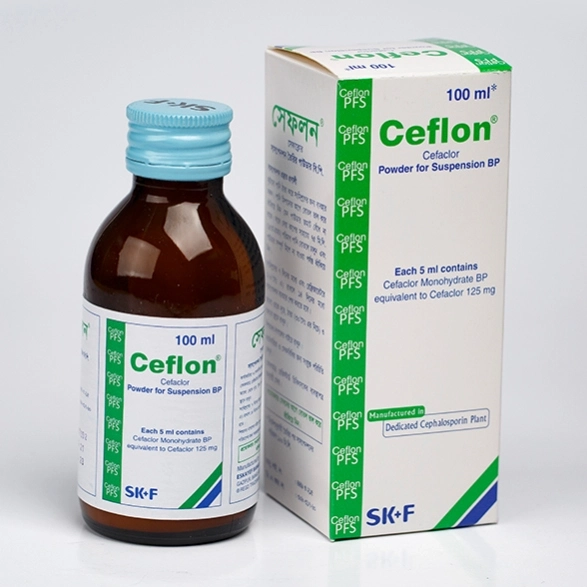
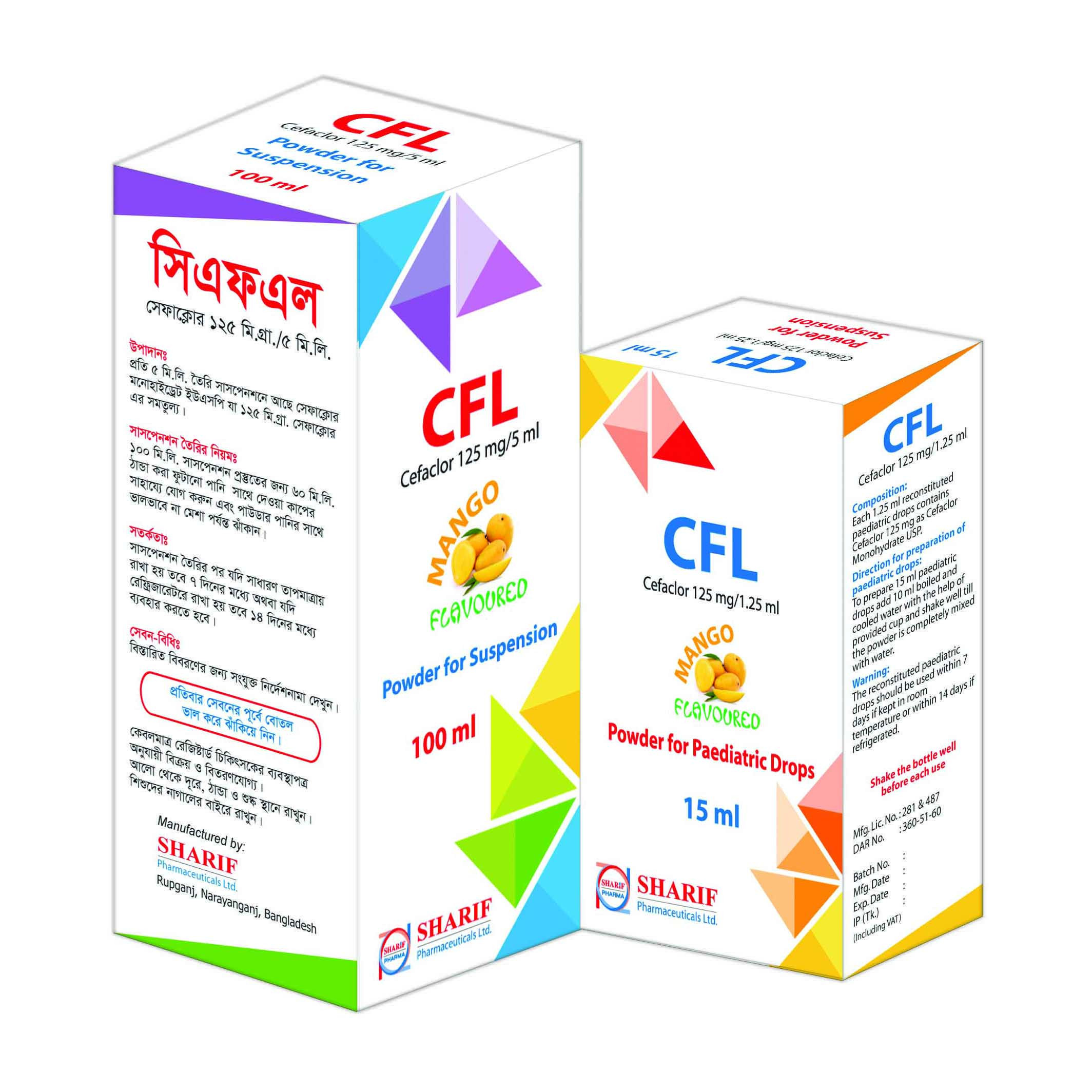
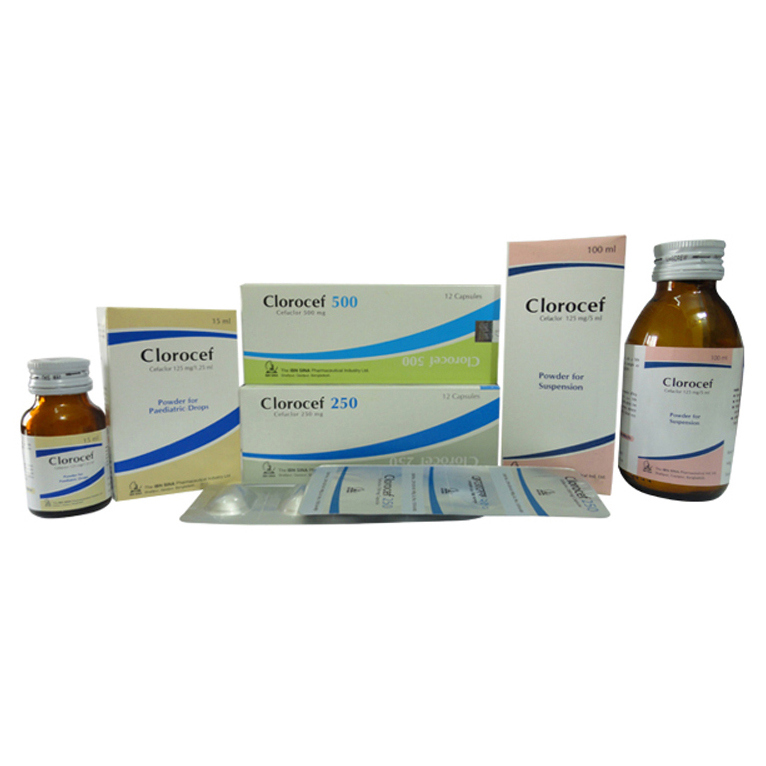
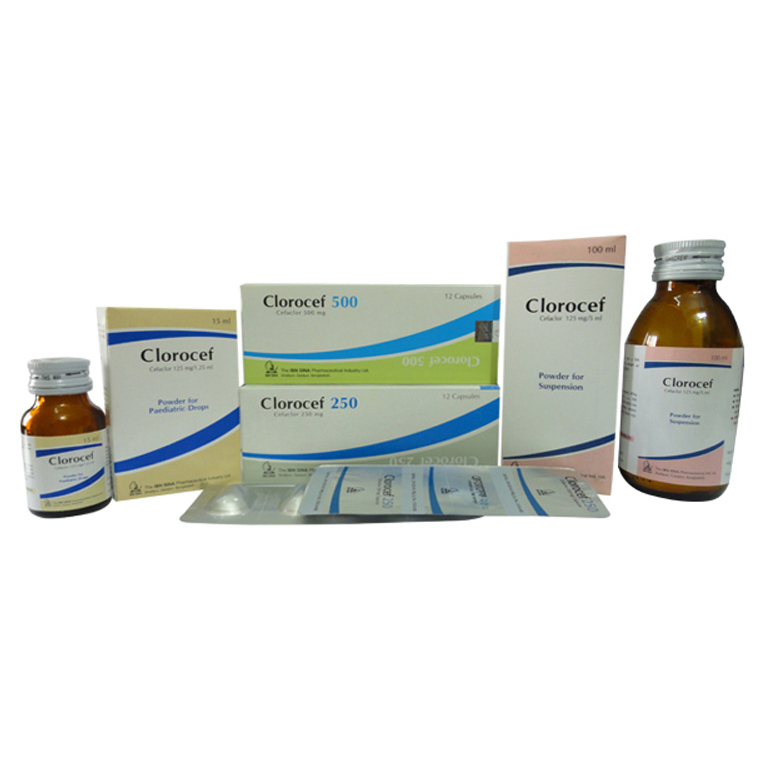
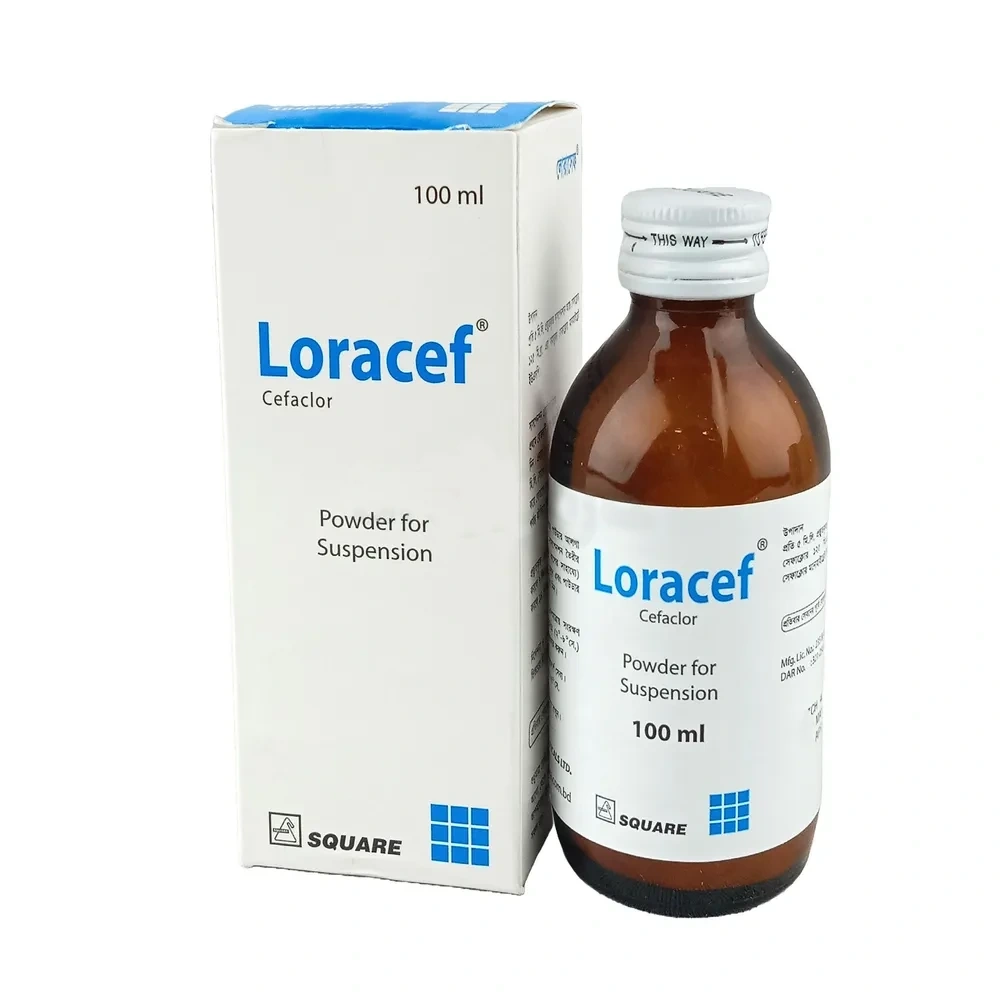
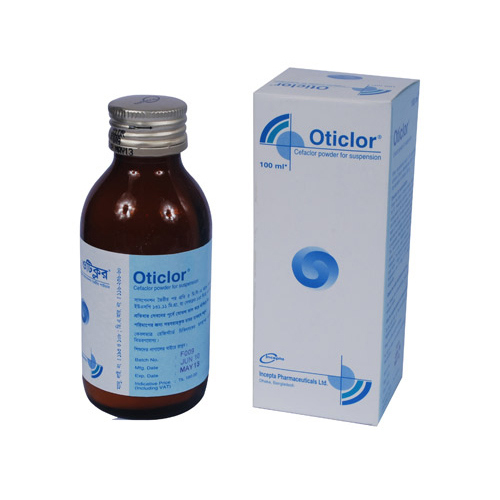
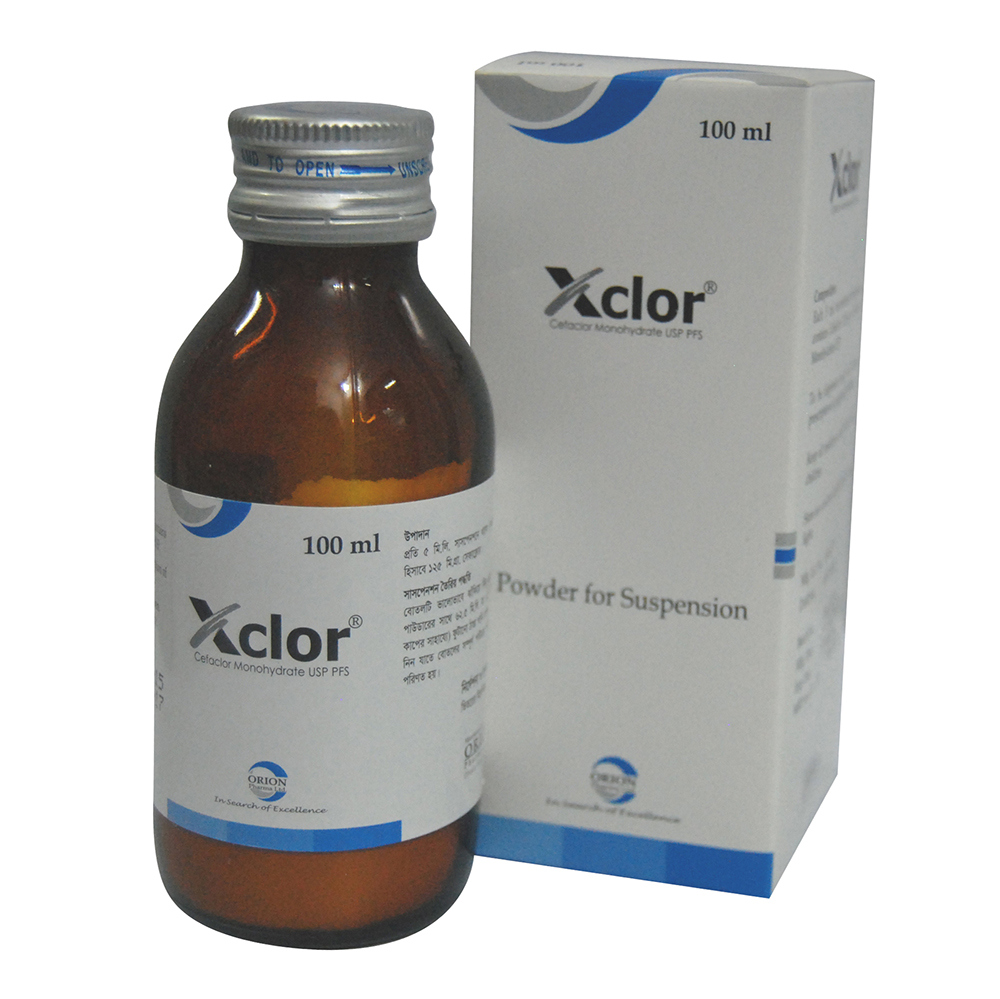
Generic Name Cefaclor Monohydrate
Bangla Name সেফাক্লর মনোহাইড্রেট
Available brands 45
Language

Introduction

Semisynthetic, broad-spectrum antibiotic derivative of cephalexin.

Uses

Cefaclor is a second generation cephalosporin used to treat a wide variety of infections in the body.

For the treatment of certain infections caused by bacteria such as pneumonia and ear, lung, skin, throat, and urinary tract infections.

Associated Conditions

  • Acute Exacerbation of Chronic Bronchitis caused by Streptococcus Pneumoniae
  • Acute Exacerbations of Chronic Bronchitis caused by Haemophilus Influenza
  • Acute Exacerbations of Chronic Bronchitis caused by Moraxella catarrhalis
  • Bacterial Infections
  • Bacterial Urinary Tract Infections
  • Lower respiratory tract infection bacterial
  • Staphylococcal Skin Infections
  • Streptococcal Pharyngitis
  • Streptococcal tonsillitis
  • Bacterial otitis media
  • Streptococcus pyogenes skin infection
  • Susceptible Bacterial Infections

Pharmacodynamics

Cefaclor is a second generation cephalosporin antibiotic with a spectrum resembling first-generation cephalosporins. In vitro tests demonstrate that the bactericidal action of the cephalosporins results from inhibition of cell-wall synthesis. As indicated by in vitro and in vivo clinical studies, cefaclor was shown to be effective against most strains of Gram positive aerobes - Staphylococci (including coagulase-positive, coagulase-negative, and penicillinase-producing strains), Streptococcus pneumoniae, Streptococcus pyogenes (group A ß-hemolytic streptococci), as well as Gram-negative aerobes - Escherichia coli, Haemophilus influenzae (including ß-lactamase-producing ampicillin-resistant strains), Klebsiella sp, and Proteus mirabilis.

Mechanism of Action

Cefaclor, like the penicillins, is a beta-lactam antibiotic. By binding to specific penicillin-binding proteins (PBPs) located inside the bacterial cell wall, it inhibits the third and last stage of bacterial cell wall synthesis. Cell lysis is then mediated by bacterial cell wall autolytic enzymes such as autolysins. It is possible that cefaclor interferes with an autolysin inhibitor.

Absorption

Well absorbed after oral administration, independent of food intake.

Protein Binding

23.5%

Route of Elimination

Approximately 60% to 85% of the drug is excreted unchanged in the urine within 8 hours, the greater portion being excreted within the first 2 hours.

Half Life

0.6-0.9 hour

Toxicity

Symptoms of overdose include diarrhea, nausea, stomach upset, and vomiting.

Food Interactions

  • Take with or without food.

Dosage

Capsule: Adult dose: The usual dose is 250 mg every 8 hourly. For severe infections or those caused by less susceptible organisms, doses may be doubled with a maximum dosage of 4 g/day. In case of β-hemolytic Streptococcal infections, therapy should be administered for at least 10 days.

Powder for suspension & Pediatric drops: Children: The usual daily dosage for paediatric patients over 1 month is 20 mg/kg/day in divided doses every 8 hours. In serious infections such as otitis media and infections caused by less susceptible organisms, 40 mg/kg/day are recommended, with a maximum dosage of 1 g/day. Safety and effectiveness of Cefaclor for use in infants less than 1 month of age have not been established.

<1 year (9 kg):
  • Powder for suspension: ½ tsp three times daily
  • Pediatric drops: 0.625 ml three times daily
1-5 years (9 kg-18 kg):
  • Powder for suspension: 1 tsp three times daily
  • Pediatric drops: 1.25 ml three times daily
Over 5 years:
  • Powder for suspension: 2 tsp three times daily
In renal impairment: Cefaclor may be administered in the presence of impaired renal function. Dose adjustments for patients with moderate or sever renal impairment are not usually required.

In patients undergoing haemodialysis: Haemodialysis shortens serum half-life by 25-30%. In patients undergoing haemodialysis, a predialysis loading dose of 250 mg-1 g is recommended. A maintaining dose of 250-500 mg every 6 hourly during interdialytic period may be used.

Geriatric use: Clinical experience has not identified differences in responses between the elderly and younger patients, but greater sensitivity of some older individuals cannot be ruled out.
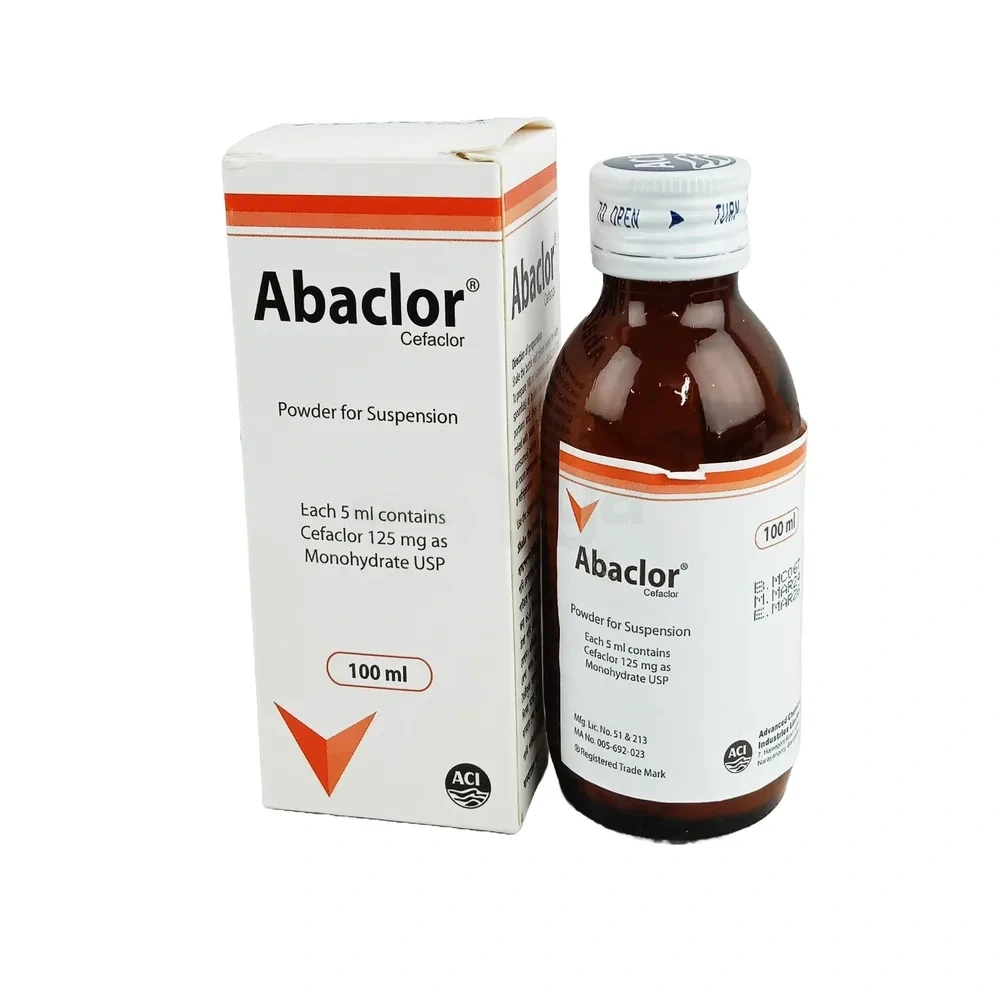
Frequently Asked Questions About Cefaclor Monohydrate

1. What is Cefaclor Monohydrate?

Cefaclor Monohydrate is a second-generation cephalosporin antibiotic used to treat bacterial infections.

2. What infections does Cefaclor Monohydrate treat?

It is used to treat respiratory tract infections, skin infections, urinary tract infections (UTIs), otitis media (ear infections), and sinus infections.

3. How does Cefaclor Monohydrate work?

It works by inhibiting bacterial cell wall synthesis, leading to bacterial death.

4. Is Cefaclor Monohydrate available over the counter?

No, it is a prescription-only antibiotic.

5. How should I take Cefaclor Monohydrate?

Take it exactly as prescribed by your doctor, usually with or without food.

6. What is the typical dosage of Cefaclor Monohydrate?

  • Adults: 250-500 mg every 8 hours.
  • Children: Dosage is based on weight and infection severity.

7. Can Cefaclor Monohydrate be taken on an empty stomach?

Yes, but taking it with food may help reduce stomach upset.

8. What are the common side effects of Cefaclor Monohydrate?

Common side effects include nausea, diarrhea, vomiting, stomach pain, headache, and skin rash.

9. Can pregnant women take Cefaclor Monohydrate?

It is generally considered safe in pregnancy, but should only be used if necessary and prescribed by a doctor.

10. Can breastfeeding mothers take Cefaclor Monohydrate?

Small amounts may pass into breast milk. Consult your doctor before use.

11. How long does it take for Cefaclor Monohydrate to work?

Symptoms usually improve within 48 hours, but the full course should be completed.

12. What should I do if I miss a dose?

Take it as soon as you remember, but skip it if it's almost time for your next dose. Do not double dose.

13. Can Cefaclor Monohydrate be used for children?

Yes, but the dosage depends on the child’s weight and severity of the infection.

14. What should I avoid while taking Cefaclor Monohydrate?

Avoid alcohol and do not skip doses.

15. Can Cefaclor Monohydrate treat viral infections like colds or flu?

No, it is only effective against bacterial infections.

16. Is Cefaclor Monohydrate safe for people with kidney disease?

Patients with kidney disease may require a lower dose. Consult your doctor.

17. Can I drink alcohol while taking Cefaclor Monohydrate?

It is best to avoid alcohol, as it may increase the risk of side effects.

18. What happens if I take too much Cefaclor Monohydrate?

Overdose symptoms may include nausea, vomiting, seizures, or severe diarrhea. Seek medical help immediately.

19. Does Cefaclor Monohydrate interact with other medications?

Yes, it may interact with blood thinners, diuretics, and certain antibiotics.

20. Can Cefaclor Monohydrate be used for tooth infections?

Yes, it may be prescribed for bacterial tooth infections.

21. Can I take Cefaclor Monohydrate for urinary tract infections (UTIs)?

Yes, it is commonly prescribed for UTIs.

22. Can Cefaclor Monohydrate treat pneumonia?

Yes, it can be used to treat mild to moderate pneumonia.

23. Does Cefaclor Monohydrate kill all bacteria?

No, it is effective against certain gram-positive and gram-negative bacteria.

24. Can Cefaclor Monohydrate be used for ear infections?

Yes, it is commonly used to treat otitis media.

25. Does Cefaclor Monohydrate cause diarrhea?

Yes, diarrhea is a possible side effect.

26. Is Cefaclor Monohydrate a penicillin?

No, but it is related to penicillin antibiotics.

27. Can I take Cefaclor Monohydrate with paracetamol?

Yes, they can be taken together.

28. Can Cefaclor Monohydrate cause allergic reactions?

Yes, seek medical help if you experience rash, swelling, or difficulty breathing.

29. Does Cefaclor Monohydrate make you sleepy?

Drowsiness is not a common side effect.

30. Can I stop taking Cefaclor Monohydrate if I feel better?

No, complete the full course to prevent antibiotic resistance.

31. Can Cefaclor Monohydrate treat skin infections?

Yes, it is used for bacterial skin infections.

32. Can Cefaclor Monohydrate cause stomach pain?

Yes, mild stomach discomfort is common.

33. How should Cefaclor Monohydrate be stored?

Store at room temperature, away from moisture and heat.

34. Does Cefaclor Monohydrate cause yeast infections?

Yes, prolonged use may lead to yeast infections.

35. Can Cefaclor Monohydrate cause headaches?

Yes, headaches are a possible side effect.

36. Can Cefaclor Monohydrate treat bronchitis?

Yes, it is sometimes used for bacterial bronchitis.

37. Can Cefaclor Monohydrate cause liver damage?

Rarely, but liver function should be monitored in long-term use.

38. Can Cefaclor Monohydrate be used for gonorrhea?

No, other antibiotics like ceftriaxone are preferred.

39. Does Cefaclor Monohydrate affect birth control pills?

It may reduce their effectiveness. Use additional contraception.

40. Can Cefaclor Monohydrate cause dizziness?

Dizziness is an uncommon but possible side effect.

41. Can Cefaclor Monohydrate treat sinus infections?

Yes, it is used for bacterial sinus infections.

42. Can I take Cefaclor Monohydrate if I have diabetes?

Yes, but monitor blood sugar levels.

43. How long should I take Cefaclor Monohydrate?

Follow your doctor’s prescription, usually 7-14 days.

Medical review

Last reviewed: 24 Jul 2026

Medically reviewed by:

This is general information, not personal medical advice. Consult a doctor before taking any medicine.

Taking medicines without doctor's advice can cause long-term problems.
Brand medicines containing Cefaclor Monohydrate