Introduction
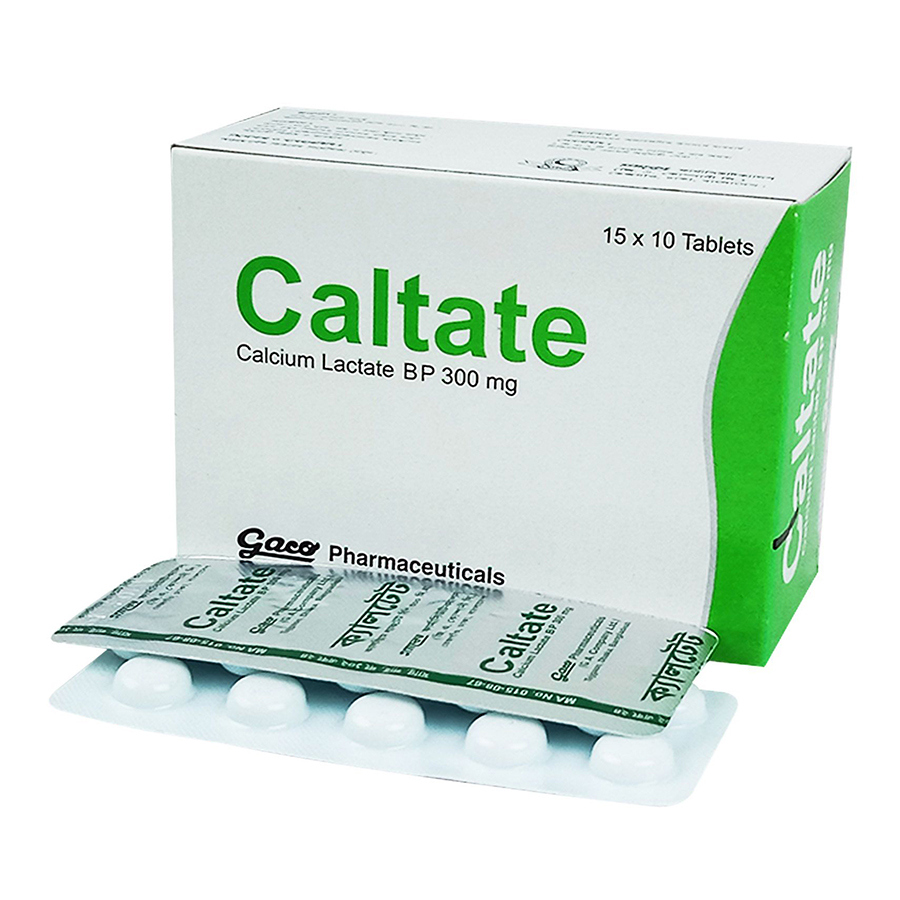
Calcium lactate is a calcium salt used as a dietary calcium supplement and food additive. It helps prevent and treat calcium deficiency and supports normal bone, muscle, nerve, and heart function. It is also commonly used in food products as a firming agent, stabilizer, thickener, leavening agent, and flavoring agent.
Calcium lactate is well absorbed and is available in various hydrate forms, with calcium lactate pentahydrate being the most common. It is widely used in nutritional supplements and fortified foods as a reliable source of calcium.
Uses
Calcium lactate is an ingredient found in a variety of nutritional products.
Indicated for use as the nutritional supplement.
Associated Conditions
Pharmacodynamics
Both components of calcium lactate, calcium ion and lactic acid, play essential roles in the human body as a skeletal element an energy source, respectively .
Mechanism of Action
In aqueous environments such as the gastrointestinal (GI) tract, calcium lactate will dissociate into calcium cation and lactic acid anions, the conjugate base of lactic acid. Lactic acid is a naturally-occurring compound that serves as fuel or energy in mammals by acting as an ubiquitous intermediate in the metabolic pathways . Lactic acid diffuses through the muscles and is transported to the liver by the bloodstream to participate in gluconeogenesis .
Absorption
In order to be absorbed, calcium must be in its freely soluble form (Ca2+) or bound to a soluble organic molecule. Calcium absorption mainly occurs at the duodenum and proximal jejunum due to more acidic pH and the abundance of the calcium binding proteins . The mean calcium absorption is about 25% of calcium intake (range is 10 – 40%) in the small intestine, and is mediated by both passive diffusion and active transport .
Volume of Distribution
The majority of calcium absorbed (99%) is stored in the skeleton and teeth for structural integrity .
Protein Binding
No pharmacokinetic data available.
Route of Elimination
Following oral administration to a human volunteer, 20 to 30% of a dose of lactic acid of up to 3000 mg was excreted via the urine during a period of 14 hours .
Half Life
No pharmacokinetic data available.
Clearance
No pharmacokinetic data available.
Toxicity
The LDLo of calcium lactate pentahydrate following intravenous administration in mouse is 140 mg/kg .
Food Interactions
No interactions found.