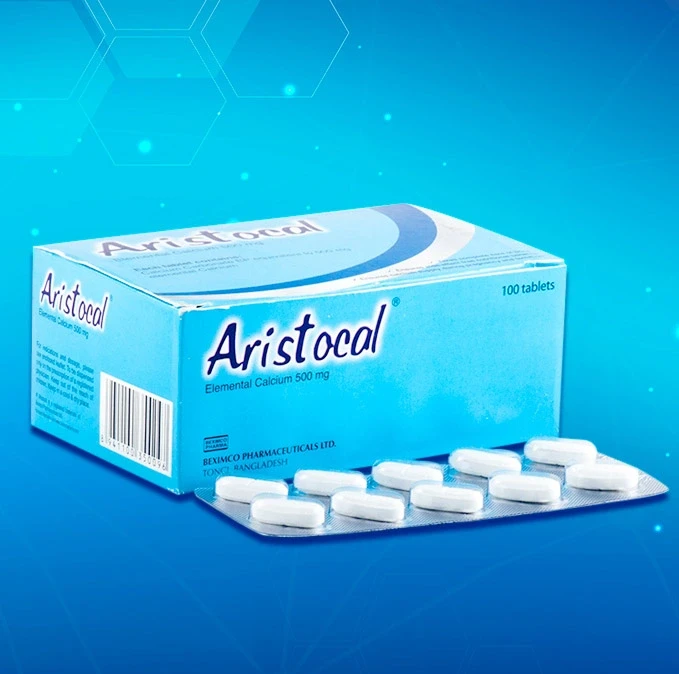
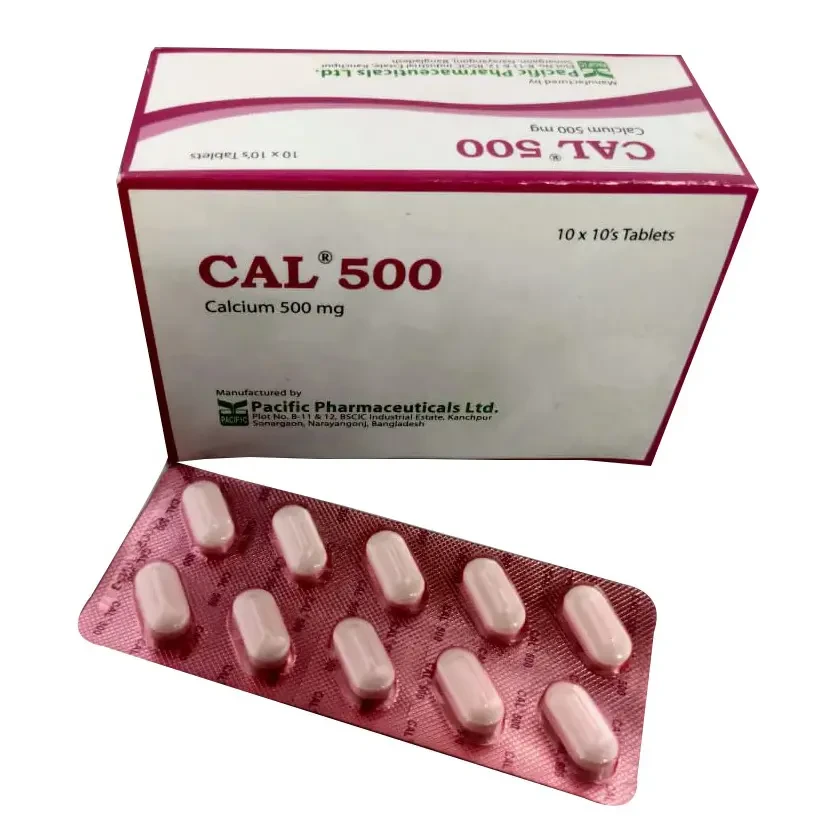
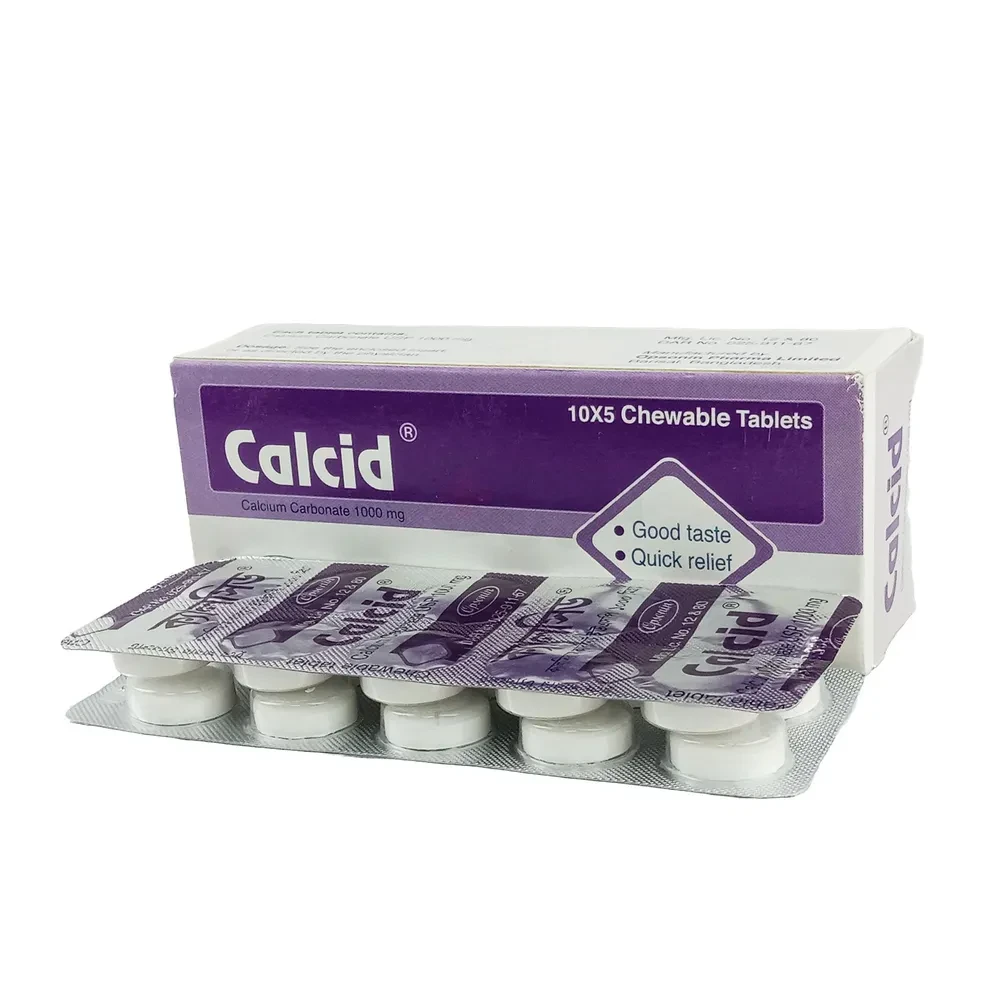
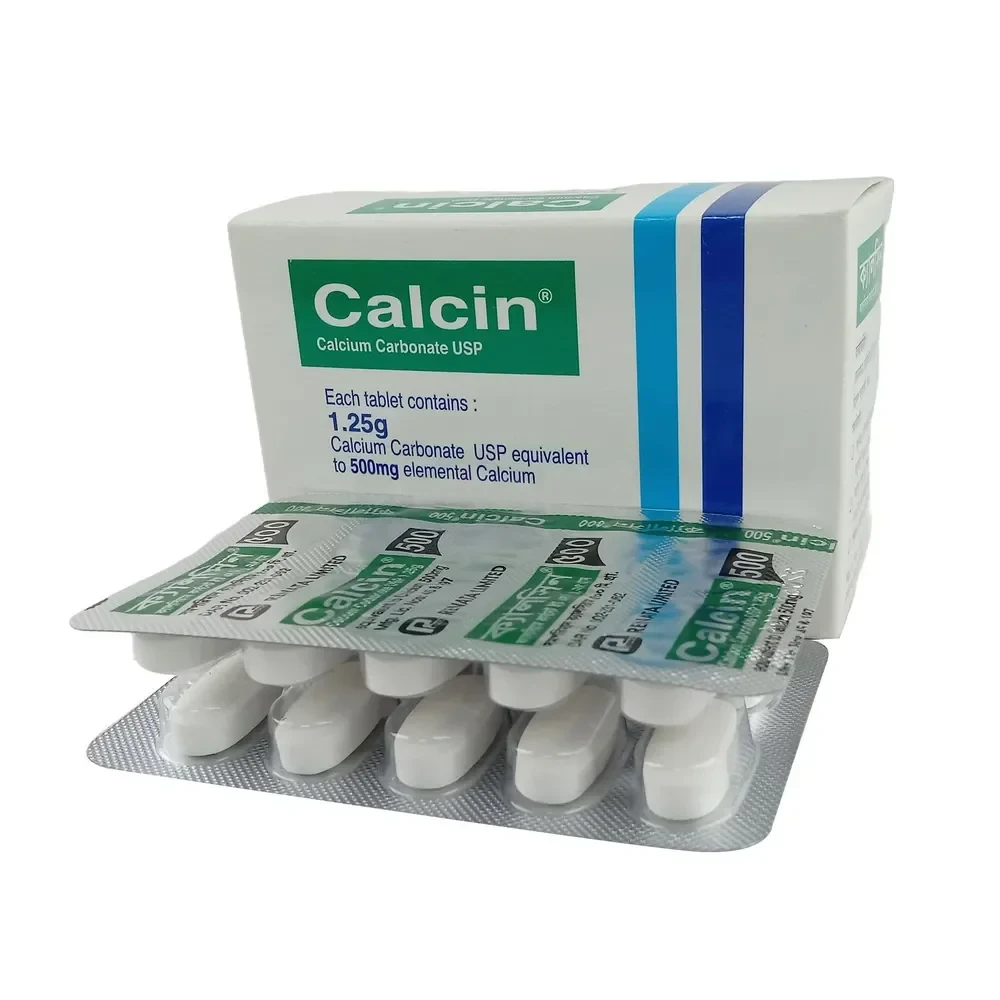
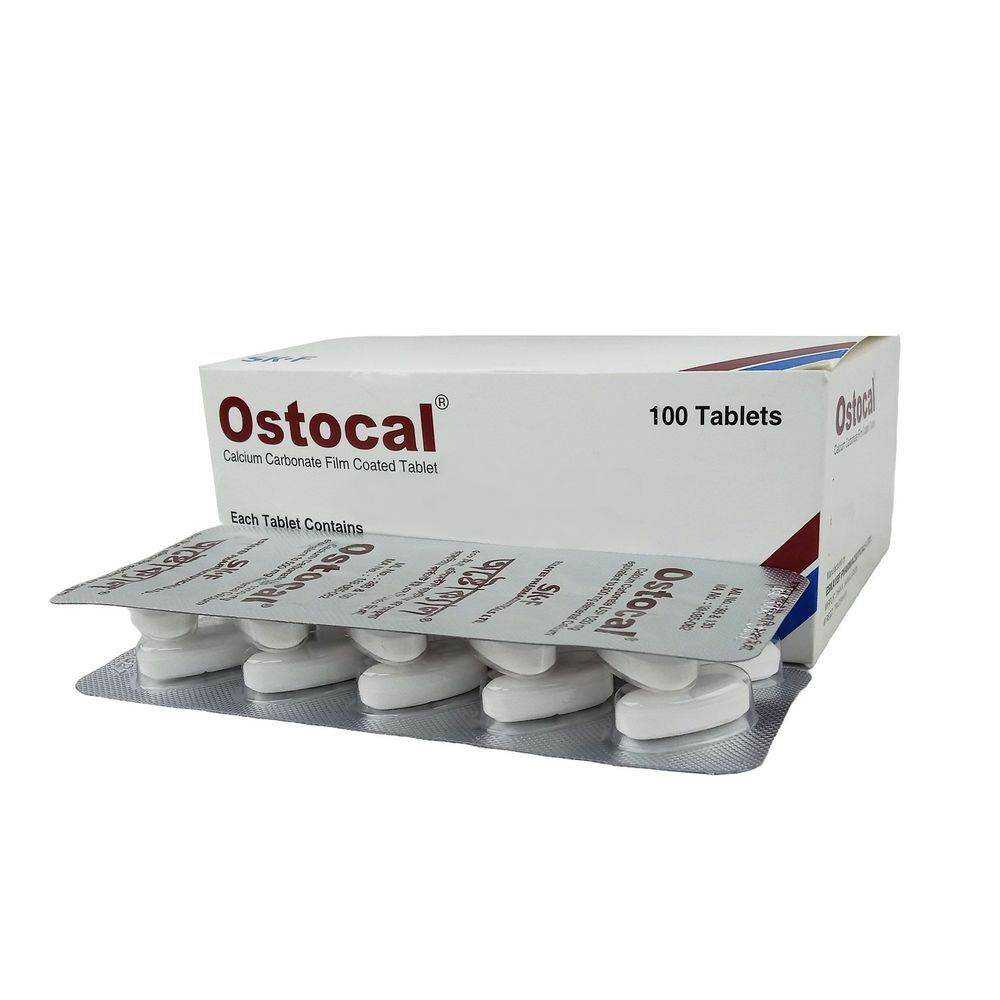
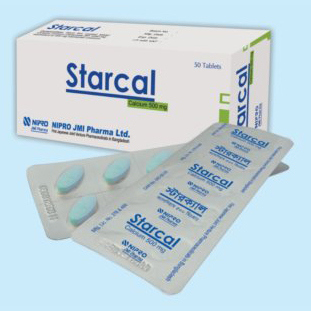
1. What is Calcium Carbonate?
Calcium Carbonate is a dietary supplement and antacid used to treat calcium deficiency and acid-related conditions.
2. What are the uses of Calcium Carbonate?
It is used for:
- Calcium supplementation
- Preventing and treating osteoporosis
- Relieving acid indigestion and heartburn
- Managing hypocalcemia (low calcium levels)
3. How does Calcium Carbonate work?
It provides calcium for bone health and neutralizes stomach acid when used as an antacid.
4. What is the recommended dosage for Calcium Carbonate?
The dosage depends on the condition, but typically:
- For calcium supplementation: 500–1,500 mg per day
- For acid reflux: 750–2,000 mg per dose
5. Can I take Calcium Carbonate with food?
Yes, it is best absorbed when taken with food.
6. What are the common side effects of Calcium Carbonate?
Common side effects include:
- Constipation
- Bloating
- Gas
- Nausea
7. Can I take Calcium Carbonate if I have kidney disease?
Patients with kidney disease should consult a doctor before use, as excess calcium may cause kidney stones.
8. Does Calcium Carbonate interact with other medications?
Yes, it can interact with:
- Iron supplements
- Thyroid medications
- Certain antibiotics (e.g., tetracyclines, fluoroquinolones)
- Bisphosphonates (used for osteoporosis)
9. Can Calcium Carbonate be taken during pregnancy?
Yes, it is generally safe during pregnancy but should be taken as per a doctor's recommendation.
10. Is Calcium Carbonate safe for children?
Yes, but the dosage should be determined by a pediatrician.
11. Can I take Calcium Carbonate with milk?
Yes, but excessive calcium intake from supplements and dairy may lead to hypercalcemia.
12. Can Calcium Carbonate help with osteoporosis?
Yes, it helps maintain bone density and reduces the risk of osteoporosis.
13. How long does it take for Calcium Carbonate to work?
As an antacid, it works within minutes. For calcium supplementation, benefits develop over weeks to months.
14. Can I take Calcium Carbonate every day?
Yes, but do not exceed the recommended dose to avoid excess calcium buildup.
15. What happens if I take too much Calcium Carbonate?
Overdose symptoms include:
- Hypercalcemia (high calcium levels)
- Kidney stones
- Nausea and vomiting
- Confusion
16. Can Calcium Carbonate cause kidney stones?
Excessive intake may increase the risk of kidney stones.
17. Is Calcium Carbonate the same as calcium citrate?
No, calcium citrate is absorbed better without food, while calcium carbonate requires food for optimal absorption.
18. Can I take Calcium Carbonate if I have acid reflux?
Yes, it works as an antacid to relieve heartburn and acid reflux.
19. Does Calcium Carbonate help with muscle cramps?
Yes, calcium deficiency can cause muscle cramps, so supplementation may help.
20. Can I take Calcium Carbonate and Vitamin D together?
Yes, Vitamin D helps improve calcium absorption.
21. Can Calcium Carbonate cause diarrhea?
It usually causes constipation rather than diarrhea.
22. Is Calcium Carbonate vegan?
It depends on the source. Some formulations come from animal sources (e.g., oyster shells), while others are synthetic.
23. Can I crush Calcium Carbonate tablets?
Yes, unless they are extended-release tablets.
24. Does Calcium Carbonate expire?
Yes, always check the expiration date before use.
25. Can I take Calcium Carbonate before surgery?
Inform your doctor before taking any supplement before surgery.
26. Can Calcium Carbonate be taken at night?
Yes, but for better absorption, take it with a meal.
27. Does Calcium Carbonate affect blood pressure?
It may help regulate blood pressure but should be used under medical supervision.
28. Can Calcium Carbonate prevent osteoporosis?
Yes, it helps maintain strong bones and prevent osteoporosis.
29. Can Calcium Carbonate cause weight gain?
No, it does not cause weight gain.
30. Is Calcium Carbonate used in food?
Yes, it is used as a food additive and preservative.
31. Can Calcium Carbonate improve dental health?
Yes, it supports strong teeth and helps prevent enamel erosion.
32. Can Calcium Carbonate cause drowsiness?
No, it does not cause drowsiness.
33. Can I take Calcium Carbonate with caffeine?
Caffeine may reduce calcium absorption, so limit intake.
34. Does Calcium Carbonate improve nail health?
Yes, calcium deficiency can lead to brittle nails.
35. Can Calcium Carbonate be taken with aspirin?
Consult a doctor, as calcium may interfere with aspirin absorption.
36. Does Calcium Carbonate support heart health?
It may support heart function, but excessive intake can cause issues.
37. Can I take Calcium Carbonate if I have lactose intolerance?
Yes, it can provide calcium without consuming dairy.
38. Does Calcium Carbonate help with acid indigestion?
Yes, it neutralizes stomach acid and relieves indigestion.
39. Can Calcium Carbonate be used for leg cramps?
It may help if the cramps are due to calcium deficiency.
40. Is Calcium Carbonate good for hair growth?
It supports overall health, but there is limited evidence linking it directly to hair growth.
41. Can I take Calcium Carbonate if I have anemia?
Yes, but avoid taking it with iron supplements, as it may reduce iron absorption.
42. Does Calcium Carbonate help with nerve function?
Yes, calcium is essential for nerve signal transmission.
43. Can I take Calcium Carbonate with warfarin?
Consult your doctor, as calcium may interact with blood thinners.
44. Can I use Calcium Carbonate for bone fractures?
Yes, it helps in bone healing.
45. Can Calcium Carbonate be used for gastric ulcers?
It may provide temporary relief but is not a primary treatment.
46. Does Calcium Carbonate improve immune function?
It supports general health but is not directly linked to immunity.
47. Can I take Calcium Carbonate with magnesium?
Yes, they are often combined for better absorption.
48. Does Calcium Carbonate expire?
Yes, always check the expiration date before use.
49. Can Calcium Carbonate be taken with protein shakes?
Yes, but calcium absorption may be affected by high protein intake.
50. Can I take Calcium Carbonate with zinc?
Yes, but take them at different times for better absorption.