Introduction
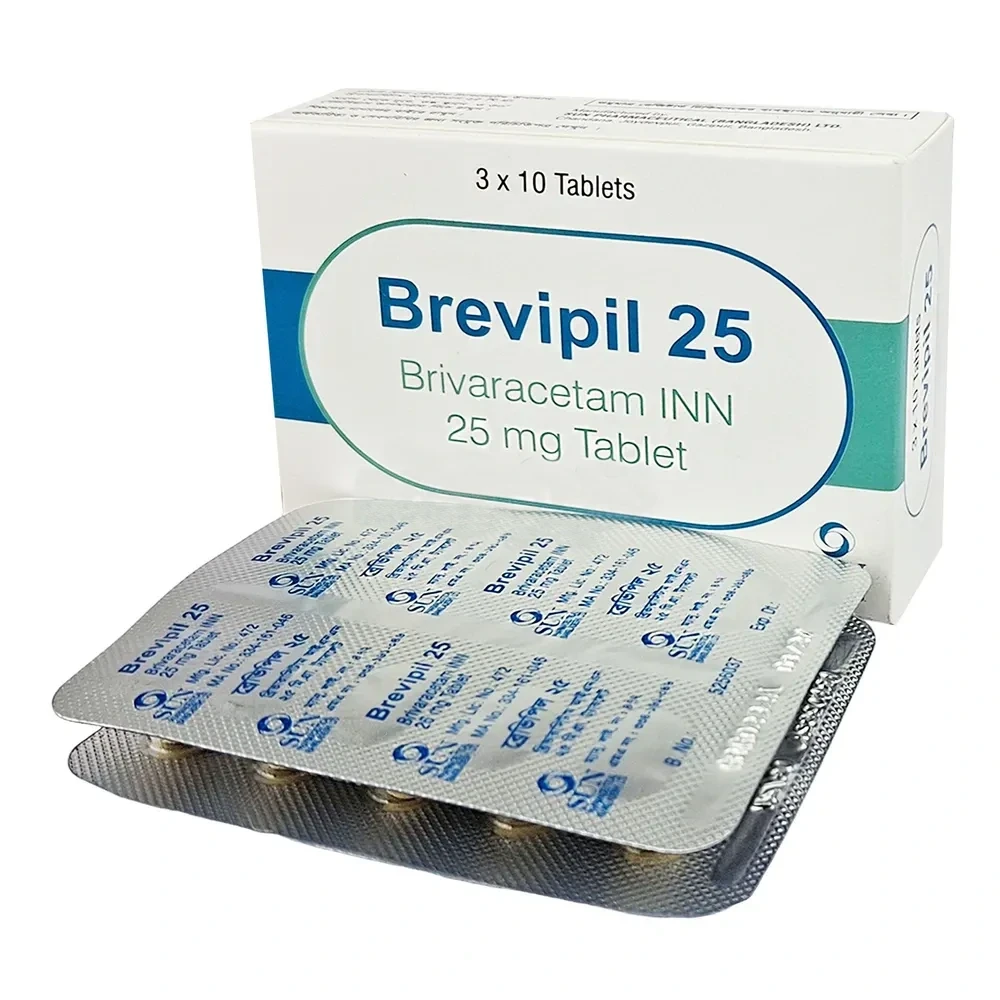
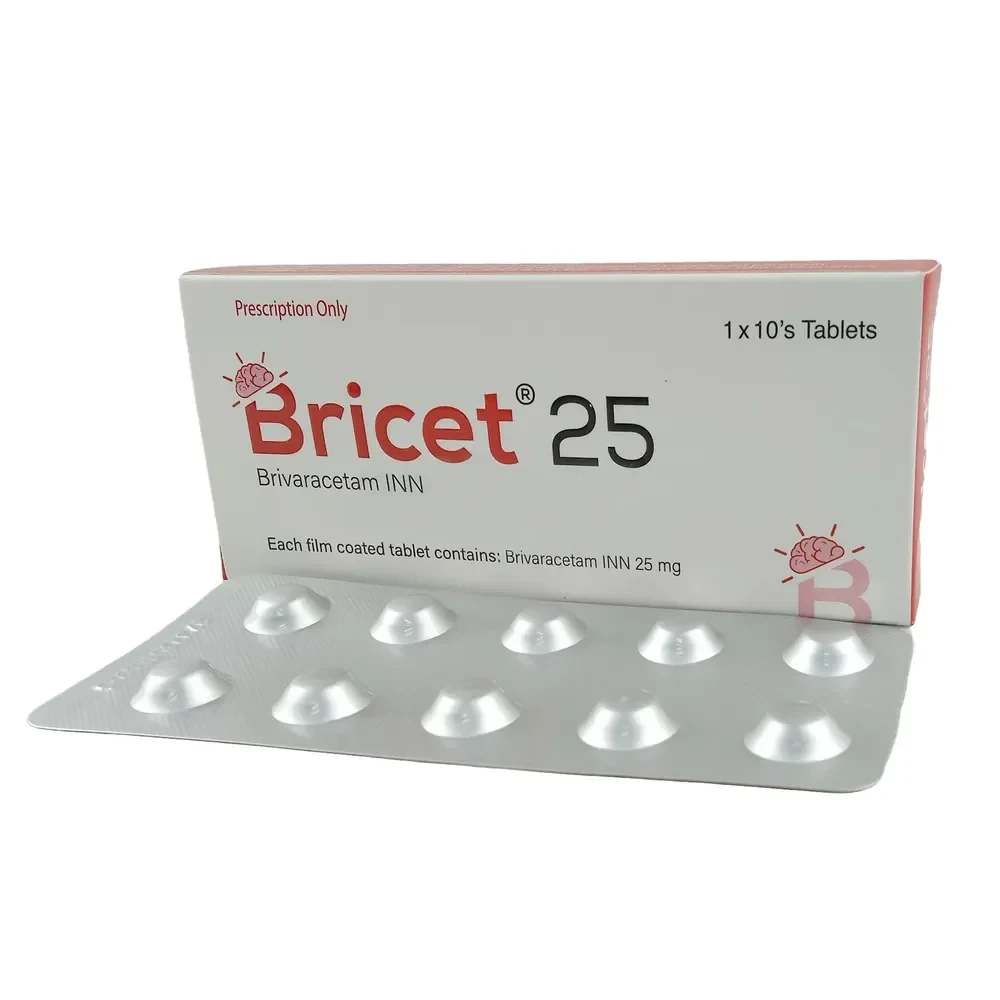
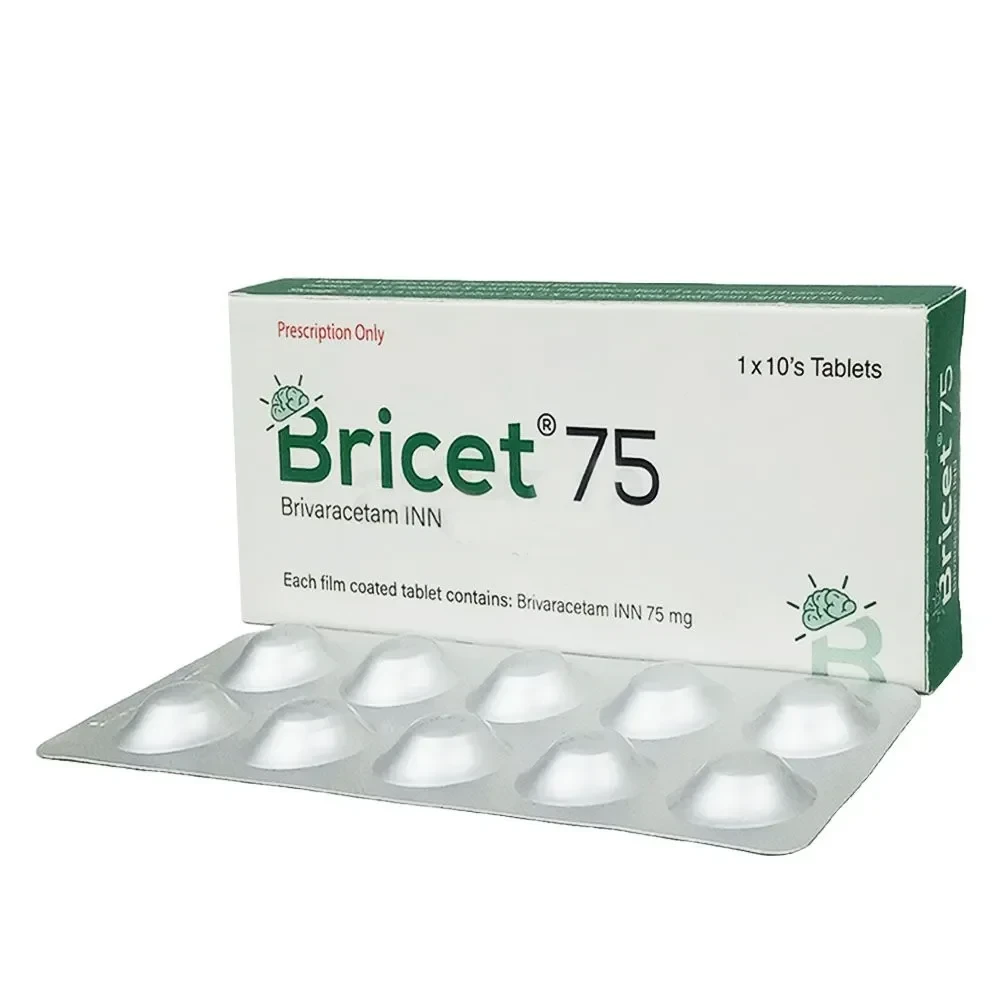
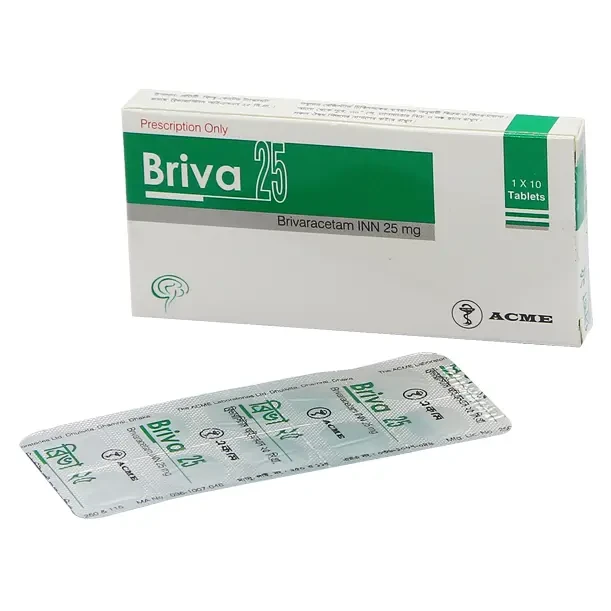
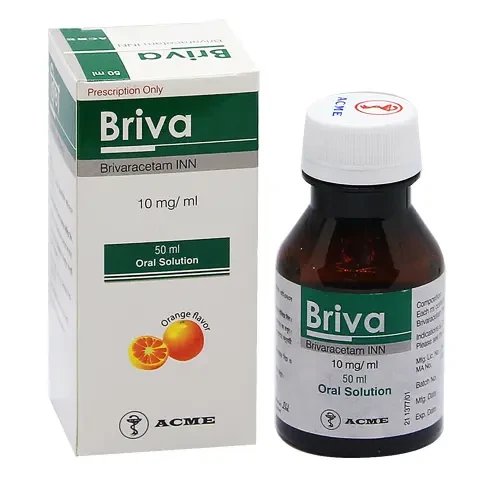
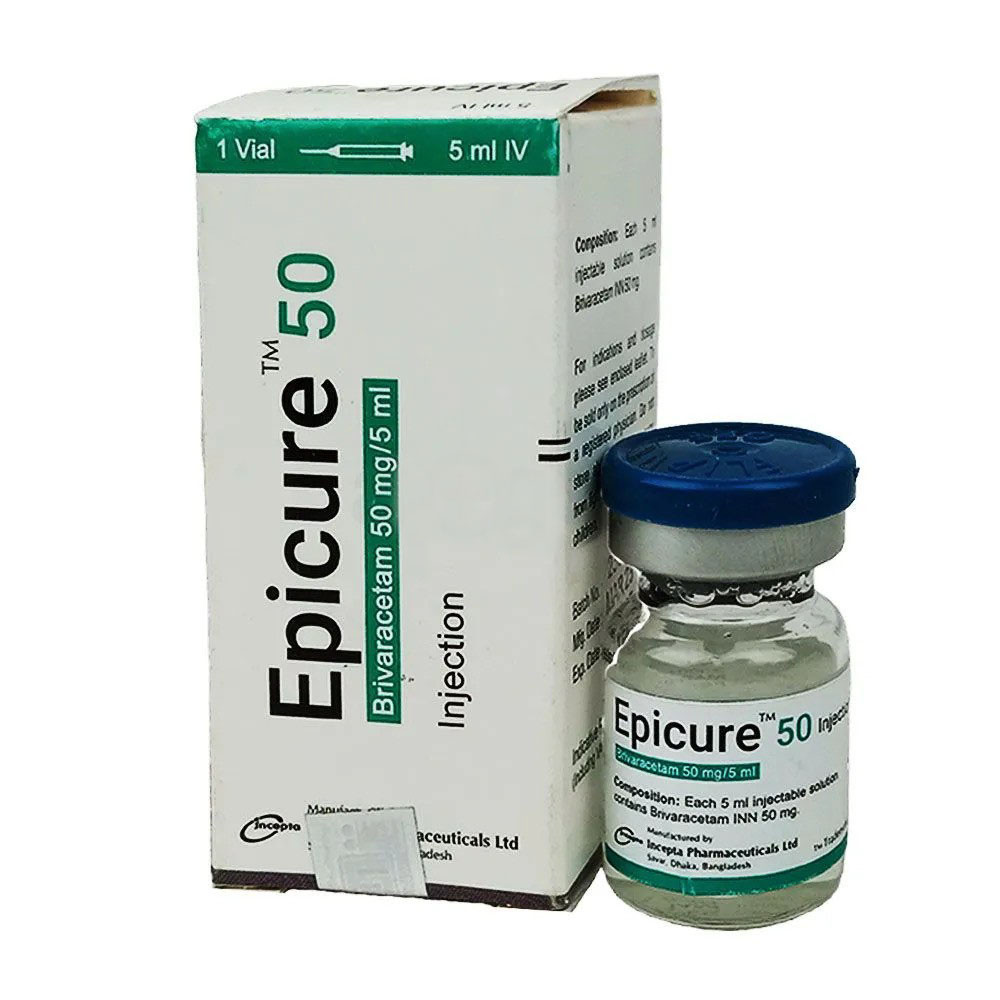
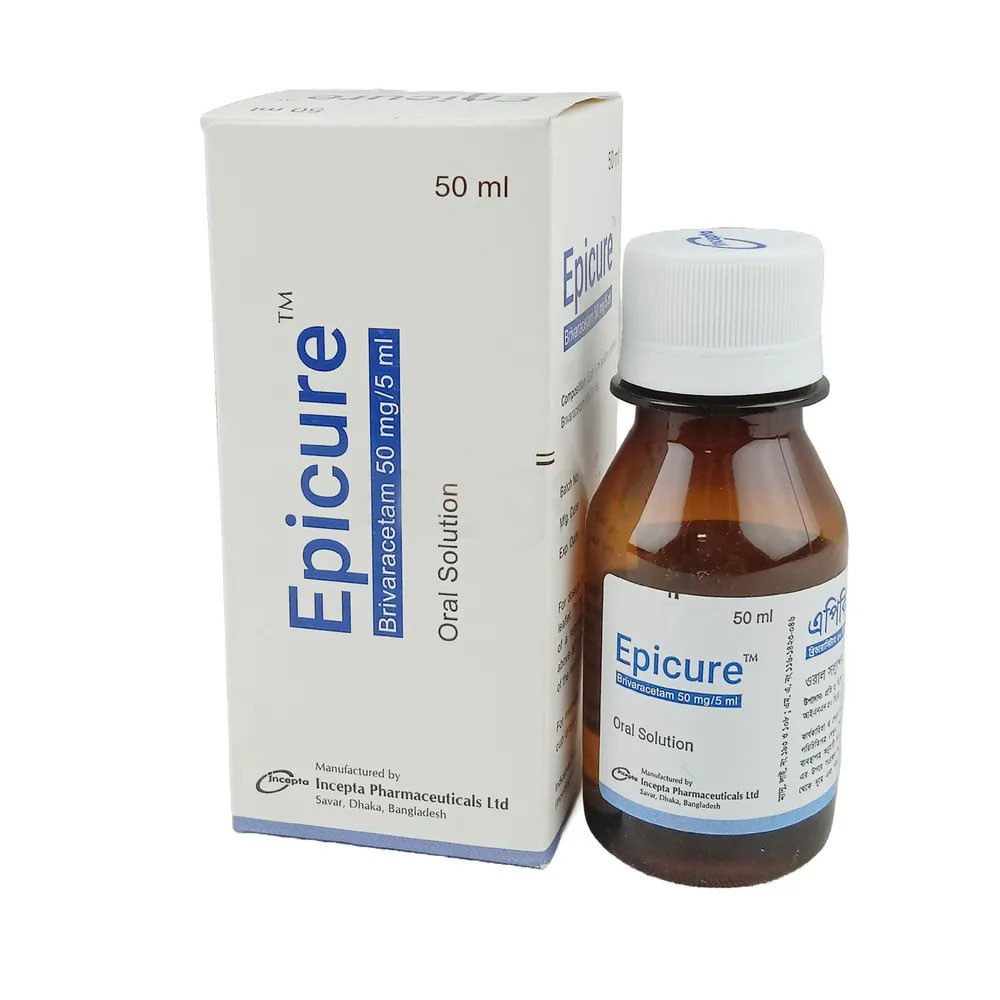
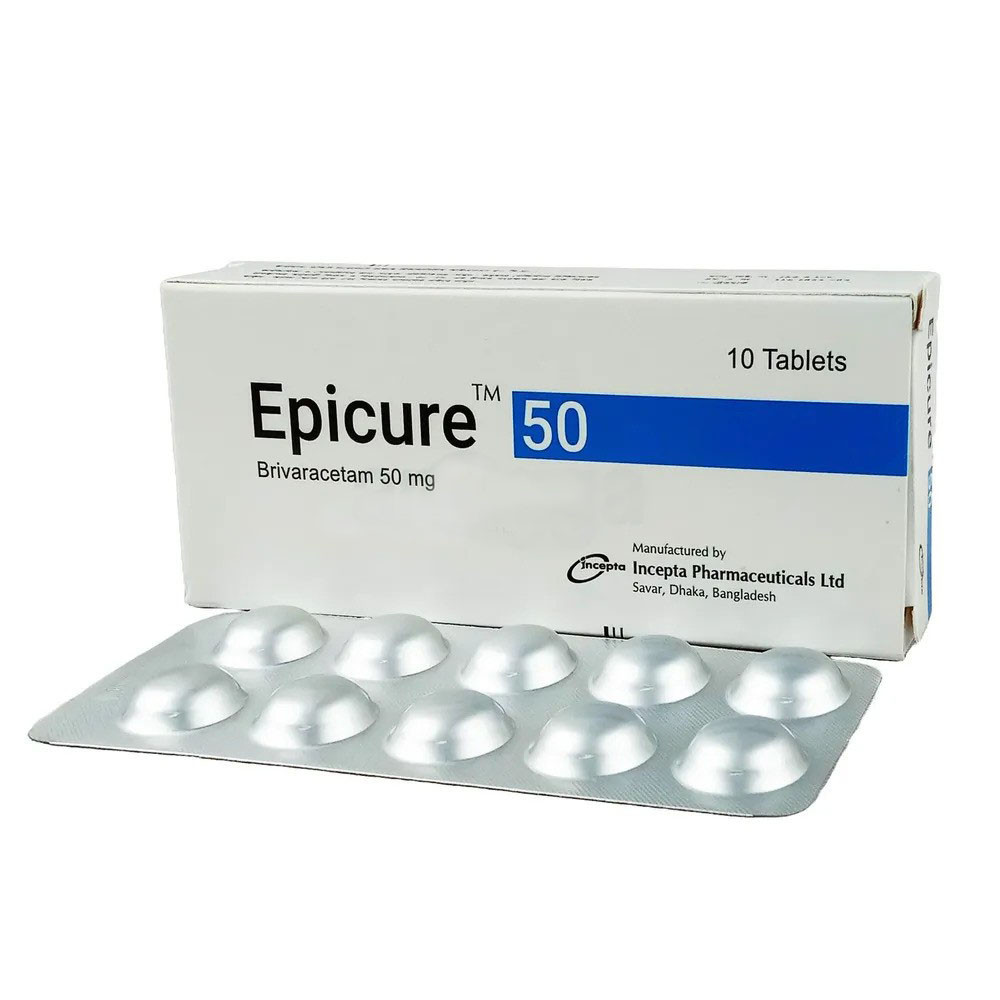
Brivaracetam is a racetam derivative of levetiracetam used in the treatment of partial-onset seizures. Brivaracetam binds SV2A with 20 times higher affinity than levetiracetam .
Uses
Brivaracetam is an anticonvulsant used for the treatment of partial-onset seizures that functions by binding to synaptic vesicle glycoprotein 2A (SV2A) in the brain.
Used as adjunctive therapy for partial-onset seizures in patients 16 years of age or older.
Associated Conditions
Pharmacodynamics
Brivaracetam binds SV2A with high affinity . SV2A is known to play a role in epileptogenesis through modulation of synaptic GABA release . It is thought that brivaracetam exerts its anti-epileptogenic effects through its binding to SV2A. Brivaracetam is also known to inhibit Na+ channels which may also contribute to its anti-epileptogenic action .
Mechanism of Action
The precise mechanism of brivaracetam's anti-epileptogenic activity is unknown.
Absorption
Nearly 100% oral bioavailability .
Volume of Distribution
0.5L/kg .
Protein Binding
Label.
Route of Elimination
>95% excreted in urine with Label.
Half Life
7-8h .
Clearance
CL/F of 0.7-1.07 mL/min kg . Clearance is primarily metabolic with less than 10% of the parent drug excreted unchanged.
Toxicity
No carcinogenesis or fertility impairment found. Overdose is associated with somnolence and dizziness .
Food Interactions
- Avoid alcohol. Taking Brivaracetam with alcohol may increase alcohol's effects on attention, memory, and psychomotor functioning.
- Take with or without food.
Dosage
Adults (16 years and older)-
- Initial dose: 50 mg twice daily (100 mg per day)
- Minimum and maximum maintenance dose: 25 mg to 100 mg twice daily (50 mg to 200 mg per day)
- Initial dose: 25 mg to 50 mg twice daily (50 mg to 100 mg per day)
- Minimum and maximum maintenance dose: 25 mg to 100 mg twice daily (50 mg to 200 mg per day)
- Initial dose: 0.5 mg/kg to 1 mg/kg twice daily (1 mg/kg to 2 mg/kg per day)
- Minimum and maximum maintenance dose: 0.5 mg/kg to 2 mg/kg twice daily (1 mg/kg to 4 mg/kg per day)
- Initial dose: 0.5 mg/kg to 1.25 mg/kg twice daily (1 mg/kg to 2.5 mg/kg per day)
- Minimum and maximum maintenance dose: 0.5 mg/kg to 2.5 mg/kg twice daily (1 mg/kg to 5 mg/kg per day)
- Initial dose: 0.75 mg/kg to 1.5 mg/kg twice daily (1.5 mg/kg to 3 mg/kg per day)
- Minimum and maximum maintenance dose: 0.75 mg/kg to 3 mg/kg twice daily (1.5 mg/kg to 6 mg/kg per day)
Renal impairment: Dose adjustments are not required for patients with impaired renal function. Use of brivaracetam is not recommended in patients with end stage renal disease undergoing dialysis.
Use in children and adolescents: Safety and effectiveness in pediatric patients below the age of 1 month have not been established.