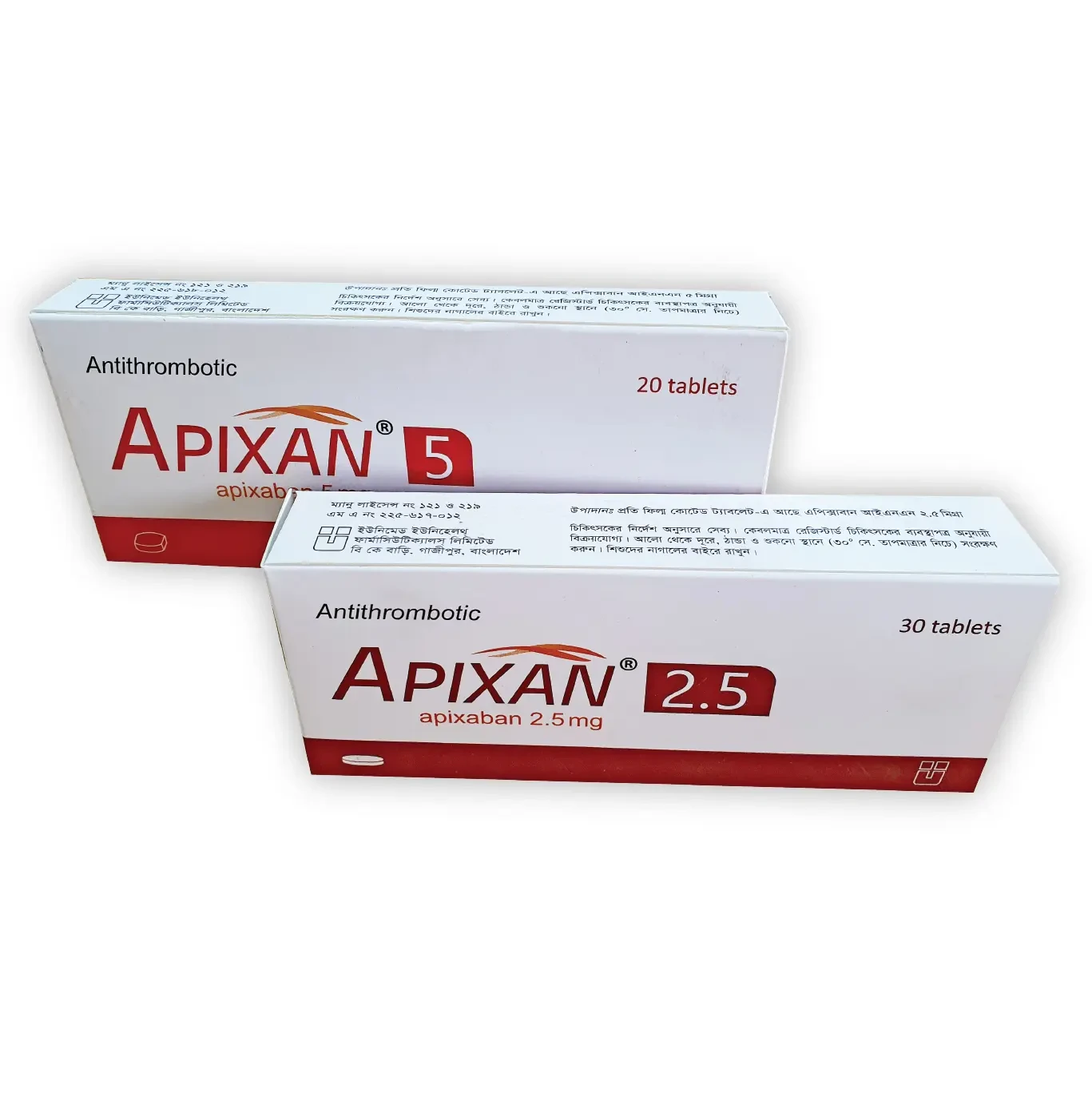
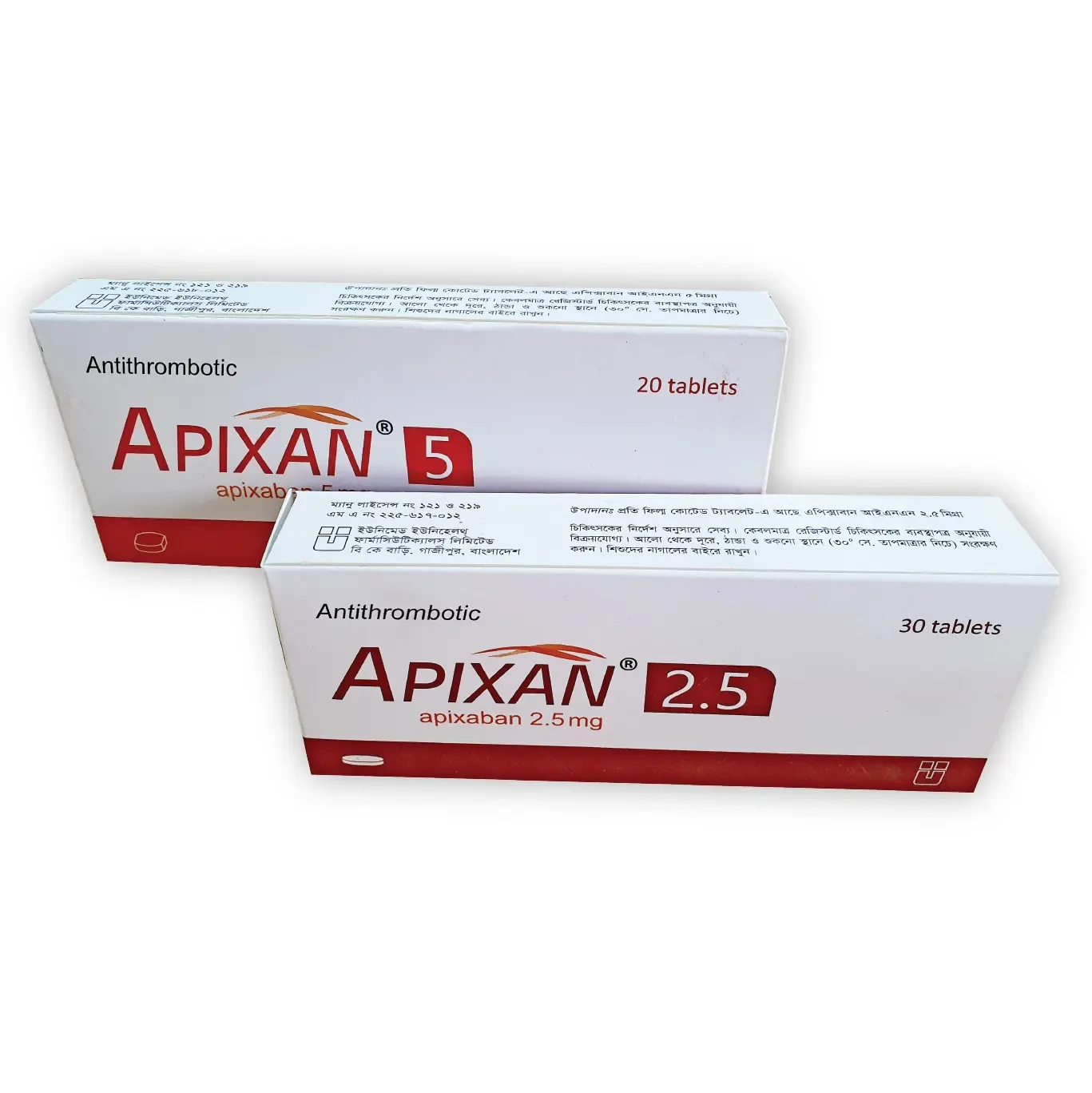
Generic Name Apixaban
Bangla Name অ্যাপিক্সাবান
Available brands 13
Language

Introduction

Apixaban is an oral, direct, and highly selective factor Xa (FXa) inhibitor of both free and bound FXa, as well as prothrombinase, independent of antithrombin III for the prevention and treatment of thromboembolic diseases.

Uses

Apixaban is an anticoagulant used for the prophylaxis of stroke and systemic embolism in nonvalvular atrial fibrillation, and deep vein thrombosis(DVT) leading to pulmonary embolism(PE), including in patients after a hip or knee replacement surgery.

Apixaban is indicated for reducing the risk of stroke and systemic embolism in patients who have nonvalvular atrial fibrillation, prophylaxis of deep vein thrombosis(DVT) leading to pulmonary embolism(PE) in patients after a hip or knee replacement surgery, and treatment of DVT and PE to reduce the risk of recurrence.

Associated Conditions

  • Deep Vein Thrombosis
  • Deep vein thrombosis recurrent
  • Pulmonary Embolism
  • Recurrent pulmonary embolism
  • Stroke
  • Systemic Embolism

Pharmacodynamics

Apixaban selectively inhibits factor Xa in its free and bound forms, independant of antithrombin III. Apixaban also inhibits prothrominase. These effects prevent the formation of a thrombus.

Mechanism of Action

Apixaban selectively inhibits factor Xa in its free and bound forms, independant of antithrombin III. Apixaban also inhibits prothrominase. These effects prevent the formation of a thrombus.

Absorption

Apixaban is approximately 50% bioavailable though other studies report 43-46% oral bioavailability.

Volume of Distribution

Approximately 21L.

Protein Binding

92-94%.

Route of Elimination

56% of an orally administered dose is recovered in the feces and 24.5-28.8% of the dose is recovered in the urine. 83-88% of the dose recovered in the urine was the unchanged parent compound.

Half Life

12.7±8.55h.

Clearance

3.3L/h though other studies report 4876mL/h.

Toxicity

Animal studies have shown an increased risk of maternal bleeding during pregnancy but no increase in fetal malformations or fetal or maternal deaths. It is unknown if this animal data also translates to humans so apixaban should only be used in pregnancy if the benefits outweigh the risks. It is not know whether apixaban is safe and effective in labor and during birth, though animal studies have shown an increased rate of maternal bleeding. Animal studies in rats show apixaban excreted in milk, though it is not know if this also applies to humans. Nursing mothers should either stop breastfeeding or stop taking apixaban depending on the risk and benefit of each option. Studies to determine safety and effectiveness in pediatric patients have yet to be performed. Studies that involved geriatric patients (at least 75 years old) saw no difference in safety or effectiveness compared to younger patients, though geriatric patients at an especially advanced age may be more susceptible to adverse effects. Dosage adjustments for patients with end stage renal disease(ESRD) are based on estimates of pharmacokinetic principles and not clinical study. Patients with ESRD may experience pharmacodynamics similar to those seen in well controlled studies but it may not lead to the same clinical effects. Dosage adjustments are not necessary in mild hepatic impairment. In moderate hepatic impairment patients may already experience abnormalities in coagulation and so no dose recommendations are possible. Apixaban is not recommended for patients with severe hepatic impairment.

Food Interactions

  • Avoid grapefruit products.
  • Avoid herbs and supplements with anticoagulant/antiplatelet activity. Examples include garlic, ginger, bilberry, danshen, piracetam, and ginkgo biloba.
  • Avoid St. John's Wort. St. John's Wort will decrease levels of this medication.
  • Take with or without food.

Dosage

Recommended Dose: The recommended dose of Apixaban for most patients is 5 mg taken orally twice daily.

Dosage Adjustments: The recommended dose of Apixaban is 2.5 mg twice daily in patients with any 2 of the following characteristics: age ≥80 years, body weight ≤60 kg, serum creatinine ≥1.5mg/dl.

CYP3A4 and P-gp inhibitors: When Apixaban is coadministered with drugs that are strong dual inhibitors of cytochrome P450 3A4 (CYP3A4) and P-glycoprotein (P-gp) (e.g. ketoconazole, itraconazole, ritonavir, clarithromycin) the recommended dose is 2.5 mg twice daily.

Missed Dose: If a dose of Apixaban is not taken at the scheduled time, the dose should be taken as soon as possible on the same day and twice-daily administration should be resumed. The dose should not be doubled to make up for a missed dose.

Discontinuation for Surgery and Other Interventions: Apixaban should be discontinued at least 48 hours prior to elective surgery or invasive procedures with a moderate or high risk of unacceptable or clinically significant bleeding. Apixaban should be discontinued at least 24 hours prior to elective surgery or invasive procedures with a low risk of bleeding or where the bleeding would be non-critical in location and easily controlled.

Switching from or to Apixaban: Switching from warfarin to Apixaban: Warfarin should be discontinued and Apixaban started when the international normalized ratio (INR) is below 2.0.

Switching from Apixaban to warfarin: Apixaban affects INR, so that INR measurements during co-administration with warfarin may not be useful for determining the appropriate dose of warfarin. If continuous anticoagulation is necessary, discontinue Apixaban and begin both a parenteral anticoagulant and warfarin at the time the next dose of Apixaban would have been taken, discontinuing the parenteral anticoagulant when INR reaches an acceptable range.

Switching between Apixaban and anticoagulants other than warfarin: Discontinue one being taken and begin the other at the next scheduled dose.
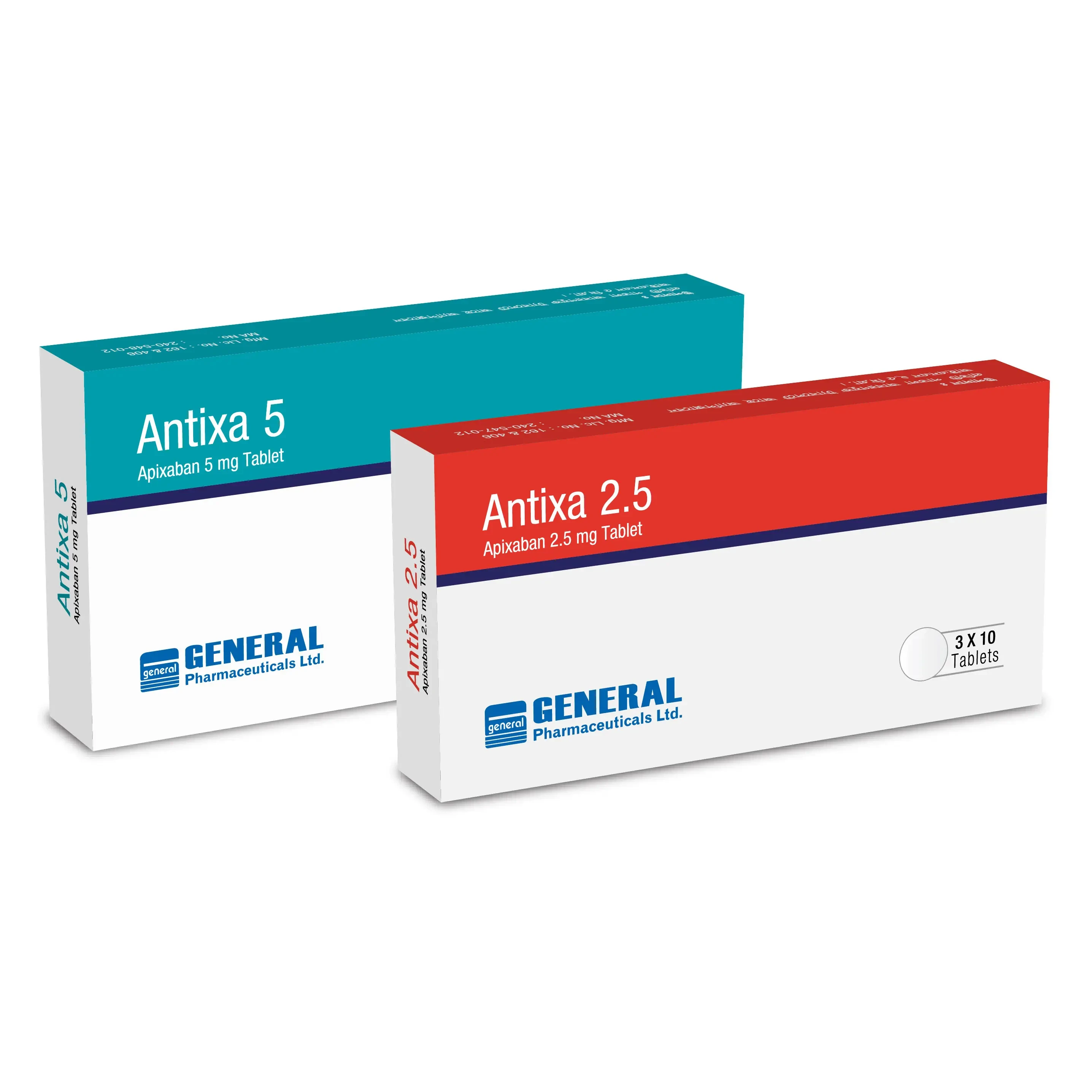
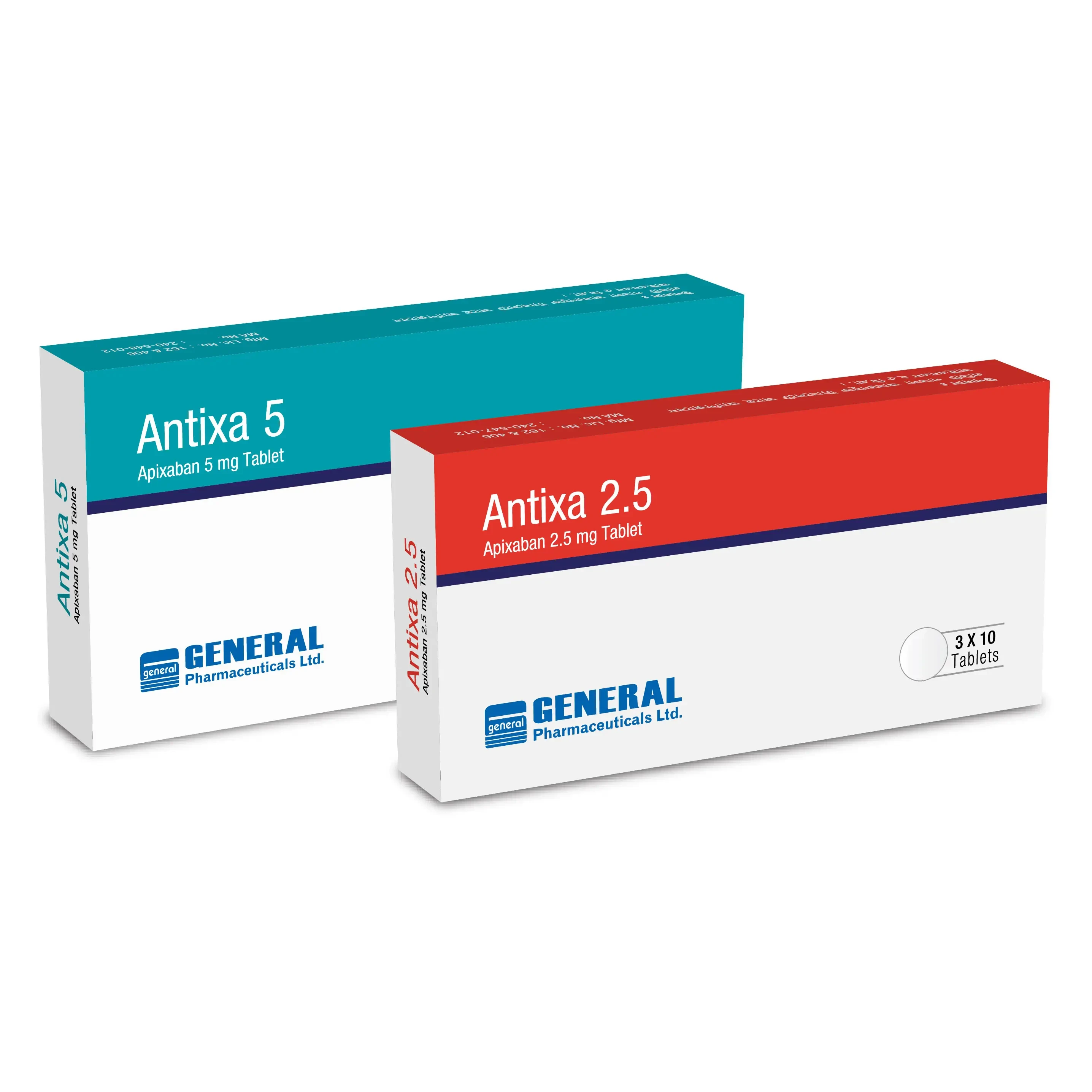
Frequently Asked Questions About Apixaban

1. What is apixaban?

Apixaban is an oral anticoagulant (blood thinner) that helps prevent and treat blood clots by inhibiting Factor Xa, a key component in the blood clotting process.

2. What is apixaban used for?

It is used to:

  • Prevent strokes and blood clots in people with atrial fibrillation (not caused by heart valve issues)
  • Treat deep vein thrombosis (DVT) and pulmonary embolism (PE)
  • Prevent DVT and PE after hip or knee replacement surgery
  • 3. How does apixaban work?

    It blocks Factor Xa, an enzyme in the clotting cascade, reducing the ability of blood to form clots.

    4. Is apixaban a prescription drug?

    Yes, apixaban is available only with a doctor’s prescription.

    5. Who can take apixaban?

    It is prescribed for adults at risk of blood clots, but not for those with active bleeding, certain liver conditions, or artificial heart valves.

    6. How is apixaban taken?

    It is taken orally as a tablet, with or without food, usually twice daily.

    7. What is the typical dosage of apixaban?

  • For atrial fibrillation: 5 mg twice daily (or 2.5 mg twice daily if criteria like age, weight, or kidney function apply)
  • For DVT/PE treatment: 10 mg twice daily for 7 days, then 5 mg twice daily
  • For prevention after surgery: 2.5 mg twice daily
  • 8. How long does apixaban take to work?

    It starts working within 3-4 hours, reaching peak effect in about 3-4 hours after a dose.

    9. Can apixaban be taken long-term?

    Yes, it may be prescribed long-term for conditions like atrial fibrillation or recurrent DVT, as directed by a doctor.

    10. Does apixaban require blood monitoring?

    No, unlike warfarin, apixaban does not require routine blood tests to monitor clotting levels.

    11. What are the common side effects of apixaban?

    Common side effects include:

  • Bleeding (e.g., nosebleeds, bruising)
  • Nausea
  • Anemia
  • 12. Can apixaban cause serious bleeding?

    Yes, it increases bleeding risk, including potentially life-threatening internal bleeding. Seek immediate help if you notice unusual bleeding.

    13. Is there an antidote for apixaban?

    Yes, andexanet alfa is an antidote used in emergencies to reverse apixaban’s effects if severe bleeding occurs.

    14. Can apixaban be taken with food?

    Yes, it can be taken with or without food, as food does not affect its absorption.

    15. What happens if I miss a dose of apixaban?

    Take it as soon as you remember if it’s within 6 hours of the scheduled time; otherwise, skip it and resume the next dose. Don’t double up.

    16. Can I overdose on apixaban?

    Yes, an overdose can increase bleeding risk. Seek emergency medical attention if too much is taken.

    17. Is apixaban safe during pregnancy?

    No, it is not recommended during pregnancy due to potential harm to the fetus. Consult a doctor for alternatives.

    18. Can breastfeeding mothers take apixaban?

    It’s not advised, as it may pass into breast milk. Discuss with your doctor.

    19. Does apixaban interact with other medications?

    Yes, it can interact with:

  • Other blood thinners (e.g., aspirin, warfarin)
  • NSAIDs (e.g., ibuprofen)
  • Certain antifungals or antibiotics
  • 20. Can I drink alcohol while taking apixaban?

    Moderate alcohol is usually fine, but excessive drinking increases bleeding risk. Consult your doctor.

    21. Is apixaban safe for people with kidney disease?

    It can be used with caution, but the dose may be adjusted based on kidney function. It’s not recommended in severe kidney failure.

    22. Can apixaban be used in liver disease?

    It should be avoided in severe liver disease due to increased bleeding risk.

    23. How should apixaban be stored?

    Store at room temperature, away from moisture and heat, in its original container.

    24. Does apixaban expire?

    Yes, check the expiration date on the package. Expired apixaban may lose effectiveness.

    25. Can apixaban cause hair loss?

    Hair loss is not a common side effect, but consult your doctor if it occurs.

    26. Is apixaban the same as warfarin?

    No, apixaban is a direct oral anticoagulant (DOAC) with a different mechanism and fewer dietary restrictions than warfarin.

    27. Can I take apixaban before surgery?

    You may need to stop it 24-48 hours before surgery to reduce bleeding risk. Follow your doctor’s instructions.

    28. Does apixaban affect blood pressure?

    No, it does not directly affect blood pressure.

    29. Can apixaban cause stomach pain?

    It’s uncommon, but gastrointestinal upset or bleeding can occur. Report severe pain to your doctor.

    30. Is apixaban gluten-free?

    Yes, apixaban tablets are typically gluten-free, but check with the manufacturer for confirmation.

    31. Can apixaban be crushed?

    Yes, it can be crushed and mixed with water or applesauce for those who can’t swallow tablets, per doctor’s advice.

    32. What if I’m allergic to apixaban?

    Allergic reactions are rare, but stop use and seek help if you experience rash, swelling, or breathing issues.

    33. Can apixaban cause dizziness?

    Dizziness isn’t common but could occur due to bleeding or low blood pressure. Consult your doctor if persistent.

    34. Does apixaban affect the liver?

    It’s metabolized by the liver but rarely causes liver damage. Monitor for signs like yellowing skin.

    35. Can apixaban be used for heart attack prevention?

    It’s not typically used for heart attack prevention but may be part of treatment plans in specific cases.

    36. Is apixaban safe for elderly patients?

    Yes, but the dose may be lowered (e.g., 2.5 mg) based on age, weight, or kidney function.

    37. Can apixaban cause weight gain?

    No, weight gain is not a known side effect of apixaban.

    38. Does apixaban need refrigeration?

    No, store it at room temperature.

    39. Can apixaban treat existing blood clots?

    Yes, it’s used to treat DVT and PE by preventing clots from growing and reducing recurrence risk.

    40. What’s the difference between apixaban and aspirin?

    Apixaban is a stronger anticoagulant targeting Factor Xa, while aspirin is an antiplatelet drug with milder effects.

    41. Can apixaban cause fatigue?

    Fatigue isn’t a direct side effect but could result from anemia due to bleeding.

    42. Is apixaban available as a generic?

    Yes, generic versions are available in some regions as of 2025, though brand-name Eliquis is still common.

    43. Can apixaban be taken at night?

    Yes, it can be taken at any time, as long as doses are about 12 hours apart.

    44. Does apixaban affect cholesterol?

    No, it does not impact cholesterol levels.

    45. Can apixaban be used with stents?

    It may be used with stents in specific cases (e.g., atrial fibrillation), but this requires careful medical oversight.

    46. What should I do if I notice blood in my urine?

    Stop apixaban and contact your doctor immediately, as this could indicate bleeding.

    47. Can apixaban cause joint pain?

    Joint pain isn’t a typical side effect, but bleeding into joints (rare) could cause discomfort.

    48. Does apixaban interact with vitamins?

    It has minimal interaction with vitamins, but high doses of vitamin K (found in supplements) may slightly counteract its effects.

    49. Can apixaban be stopped abruptly?

    Do not stop without a doctor’s advice, as this increases clot risk.

    Medical review

    Last reviewed: 24 Jul 2026

    Medically reviewed by:

    This is general information, not personal medical advice. Consult a doctor before taking any medicine.

    Taking medicines without doctor's advice can cause long-term problems.
    Brand medicines containing Apixaban