Introduction
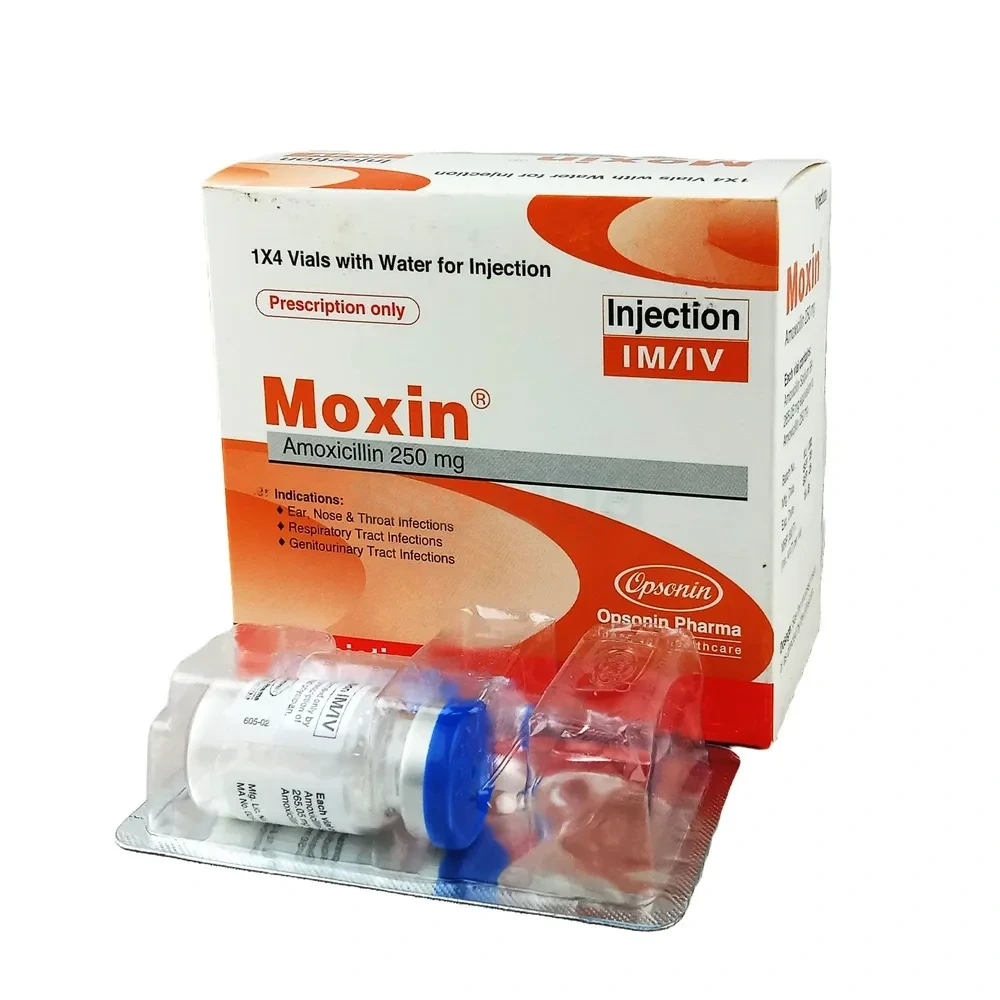
Amoxicillin is a penicillin similar activity to penicillin and ampicillin, but leads to higher serum concentrations than ampicillin.
Uses
Amoxicillin is a penicillin derivative used for the treatment of infections caused by gram-positive bacteria, in particular streptococcal bacteria causing upper respiratory tract infections.
Amoxicillin alone is indicated to treat susceptible bacterial infections of the ear, nose, throat, genitourinary tract, skin, skin structure, and lower respiratory tract. Amoxicillin is given with calvulanic acid to treat acute bacterial sinusitis, community acquired pneumonia, lower respiratory tract infections, acute bacterial otitis media, skin and skin structure infections, and urinary tract infections. Amoxicillin is given with omeprazole in the treatment of H. pylori.
Associated Conditions
Pharmacodynamics
Amoxicillin competitively inhibit penicillin binding proteins, leading to upregulation of autolytic enzymes and inhibition of cell wall synthesis. Amoxicillin has a long duration of action as it is usually given twice daily. Amoxicillin has a wide therapeutic range as mild overdoses are not associated with significant toxicity. Patients should be counselled regarding the risk of anaphylaxis, Clostridium difficile infections, and bacterial resistance.
Mechanism of Action
Amoxicillin competitively inhibits penicillin-binding protein 1 and other high molecular weight penicillin binding proteins. Penicillin bind proteins are responsible for glycosyltransferase and transpeptidase reactions that lead to cross-linking of D-alanine and D-aspartic acid in bacterial cell walls. Without the action of penicillin binding proteins, bacteria upregulate autolytic enzymes and are unable to build and repair the cell wall, leading to bacteriocidal action.
Absorption
Amoxicillin is approximately 60% bioavailable. A 250mg dose of oral amoxicillin reaches a Cmax 3.93±1.13mg/L with a Tmax 1.31±0.33h and an AUC of 27.29±4.72mg*h/L. A 875mg dose of oral amoxicillin reaches a Cmax 11.21±3.42mg/L with a Tmax 1.52±0.40h and an AUC of 55.04±12.68mg*h/L.
Volume of Distribution
The central volume of distribution of amoxicillin is 27.7L.
Protein Binding
Amoxicillin is 17% protein bound in serum.
Route of Elimination
125mg to 1g doses of amoxicillin are 70-78% eliminated in the urine after 6 hours.
Half Life
The half life of amoxicillin is 61.3 minutes.
Clearance
The mean clearance of amoxicillin is 21.3L/h.
Toxicity
Patients experiencing an overdose may present with hematuria, oliguria, abdominal pain, acute renal failure, vomiting, diarrhea, rash, hyperactivity, and drowsiness. Treat overdose with symptomatic and supportive treatment, which may include emesis or hemodialysis.
Food Interactions
- Take with food.
Dosage
Children (up to 10 years of age) : 125 mg three times daily, increasing up to 250 mg three times daily for severe infections.
- Severe or recurrent purulent respiratory infection: 3 gm every 12 hours.
- Otitis media: Recommended dose is 1 g three times daily for adult and 40 mg/kg body weight daily in 3 divided doses for children (max. 3 g daily).
- Pneumonia: Recommended dose is 500-1000 mg three times daily.
- Dental abscess: Recommended dose is 3 gm, repeated after 10-12 hours.
- Urinary tract infections: Recommended dose is 3 gm, repeated after 10-12 hours.
- Gonorrhoea: Single dose of 2-3 gm with Probenecid 1 gm is recommended (Probenecid is contraindicated in children under 2 years).
- In renal impairment: it may be necessary to reduce the total daily dosage.