Introduction
Alprazolam is a triazolobenzodiazepine indicated for the treatment of anxiety and panic disorders. It is mainly metabolized by CYP3As and so is contraindicated with CYP3A inhibitors like ketoconazole and itraconazole. Benzodiazepine treatment should be stopped gradually by tapering down a patient's dose to avoid withdrawal symptoms. Alprazolam's adverse effects are generally related to the sedation it can cause. Alprazolam has been mixed with alcohol as a drug of abuse to potentiate the sedative effects of the drug which may lead to coma and death.
Uses
Alprazolam is a long-acting benzodiazepine with intermediate onset commonly used to treat panic disorders and generalized anxiety in addition to anxiety associated with depression.
Alprazolam is indicated for the management of anxiety disorder, anxiety associated with depression, panic disorder, and panic disorder with agoraphobia. Alprazolam may also be prescribed off label for insomnia, premenstrual syndrome, and depression.
Associated Conditions
Pharmacodynamics
Alprazolam is indicated to treat anxiety and panic disorders. The mechanism by which its cell receptor interactions translate to a clinical effect is not known.
Alprazolam exerts its effects through interaction with BNZ-1, BNZ-2, and GABA-A receptors. Alprazolam binding to BNZ-1 is thought to influence sedation and anti-anxiety, BNZ-2 may influence memory, coordination, muscle relaxation, and anticonvulsive activity, and GABA-A may calm patients by increasing the affinity of GABA-A receptors for GABA.
The metabolism of alprazolam is mediated largely through the action of CYP3As and so alprazolam is contraindicated with CYP3A inhibitors such as ketoconazole and itraconazole.
Alprazolam, like other benzodiazepines, can cause dependancy and so when stopping treatment doses should be tapered down gradually. Alprazolam's adverse effects are generally related to the sedating effects of the drug. This effect has lead to abuse of alprazolam with alcohol to potentiate its sedating effect, which may lead to coma and death.
Mechanism of Action
Alprazolam is a triazolobenzodiazepine used to treat certain anxiety and panic disorders. Alprazolam acts on benzodiazepine receptors BNZ-1 and BNZ-2. The active metabolites 4-hydroxyalprazolam acts on these receptors with 0.20 times the potency of alprazolam and alpha-hydroxyalprazolam acts on these receptors with 0.66 times the potency.
The effect of alprazolam on BNZ-1 mediates the sedation and anti-anxiety effects of the drug while the action on BNZ-2 mediates effects on memory, coordination, muscle relaxation, and anticonvulsive activity.
Alprazolam also couple with GABA-A receptors to enhance GABA binding to its receptor. This interaction mediates inhibition of the nervous system and results in a calming effect.
The molecular mechanisms as well as the clinical effects of alprazolam have both been well demonstrated, however the means by which the molecular mechanism translates to a clinical effect is still not understood.
Absorption
Oral bioavailability of a standard release tablet of alprazolam is 84-91% with a time to maximum concentration of 1.8 hours. A 1mg oral dose of alprazolam leads to a maximum plasma concentration of 12-22mcg/L. Alprazolam is rapidly absorbed in the gastrointestinal tract.
Data for the area under the curve and the effect of taking alprazolam with food are not readily available.
Volume of Distribution
Volume of distribution following oral administration is 0.8-1.3L/kg. Alprazolam crosses the blood-brain barrier.
Protein Binding
Alprazolam is 80% protein bound in serum. The majority of this protein binding is to serum albumin. Alprazolam is also bound to alpha1-acid glycoprotein with low frequency.
Route of Elimination
Alprazolam is mainly eliminated in the urine. A large portion of the dose is eliminated as unmetabolized alprazolam. 2
Half Life
11.2 hours in healthy patients. The half life is 16.3h in the elderly, 5.8-65.3h in patients with alcoholic liver disease, 9.9-40.4h in obese patients. The half life is 25% higher in Asian patients compared to Caucasians. Other studies have shown the half life to be 9-16h.
Clearance
Oral clearance is 0.90±0.21mL/min/kg but this increases to 2.13±0.54mL/min/kg when given with CYP3A inducers. Other studies have demonstrated a clearance of 0.70-1.5mL/min/kg.
Toxicity
Alprazolam overdose can present as sleepiness, confusion, poor coordination, slow reflexes, coma, and death. Taking alprazolam with alcohol lowers the threshold for overdose. Patients should have their respiration, pulse, and blood pressure monitored. Patients can be treated by gastric lavage and intravenous fluids.. If hypotension occurs, patients may be treated with vasopressors. In known, or suspected overdoses, patients can be given the benzodiazepine receptor antagonist flumazenil in addition to other methods of management.
Oral LD50 in rats is 331-2171mg/kg.
Alprazolam is a pregnancy category D teratogen meaning there is evidence of risk to the fetus of a mother taking alprazolam but in some cases the benefit may outweigh the risk. Children born to these mothers are also at risk of withdrawal symptoms, flaccidity, and respiratory issues.
Benzodiazepines are expressed in human breast milk and so nursing is generally not recommended in mothers taking alprazolam.
Alprazolam is not associated with carcinogenicity, mutagenicity, or impairment of fertility.
Food Interactions
- Avoid alcohol. Alcohol may potentiate the CNS depressant effects of this drug.
- Avoid grapefruit products.
- Limit caffeine intake.
- Take with or without food. Food increases the Cmax of extended release alprazolam by 25%, but the AUC and half life are not affected.
Dosage
Dosage should be individualized for maximum beneficial effect with the lowest possible dose. If side-effects occur at starting dose, dose may be lowered. When discontinuing therapy, dosage should be reduced gradually by no more than 0.5 mg every three days.
In elderly patients or in patients with advanced liver disease, the usual starting dose is 0.25 mg, two or three times daily and may be gradually increased if needed and tolerated.
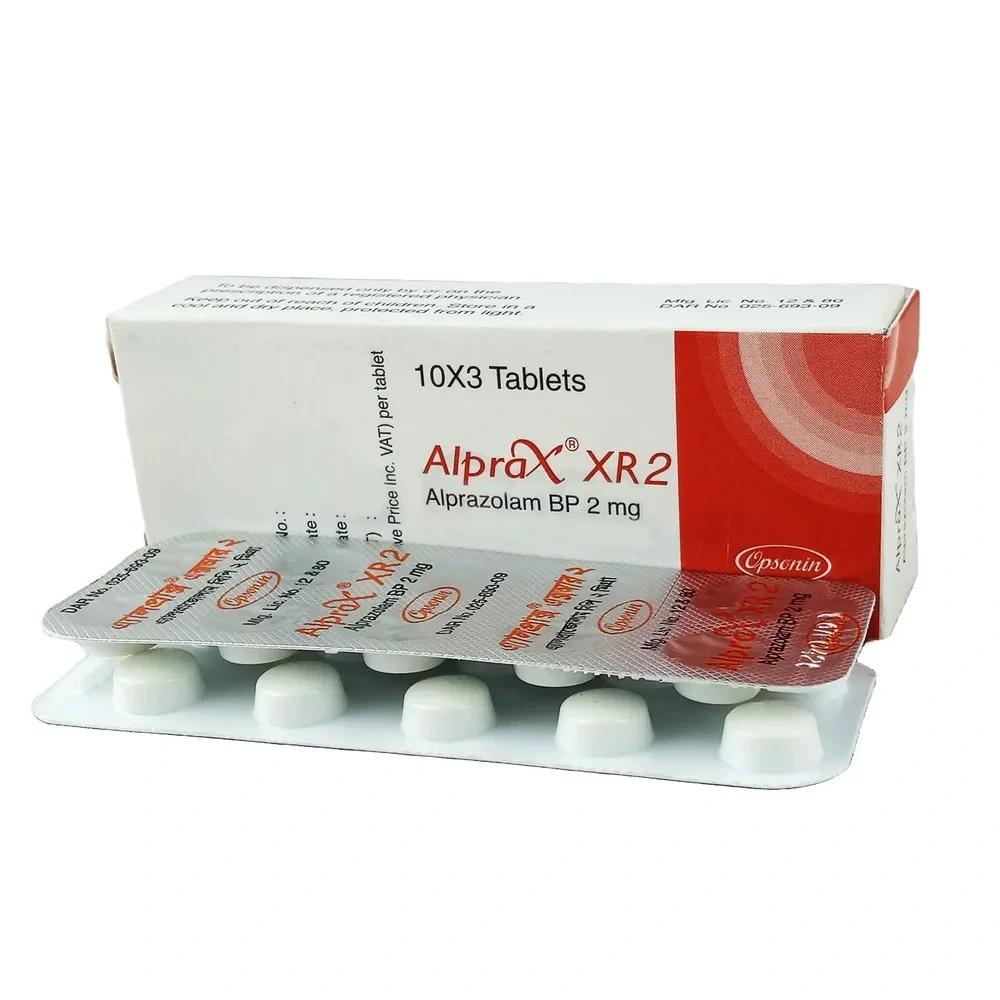
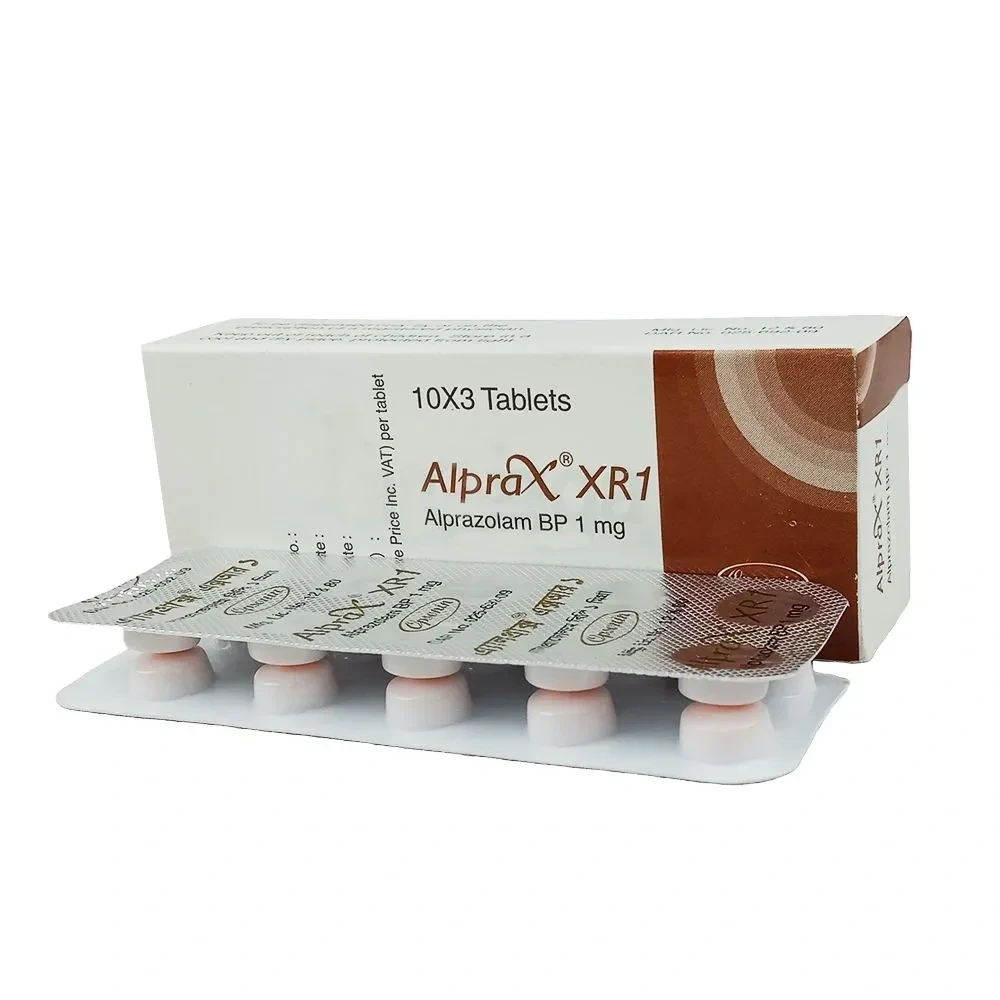
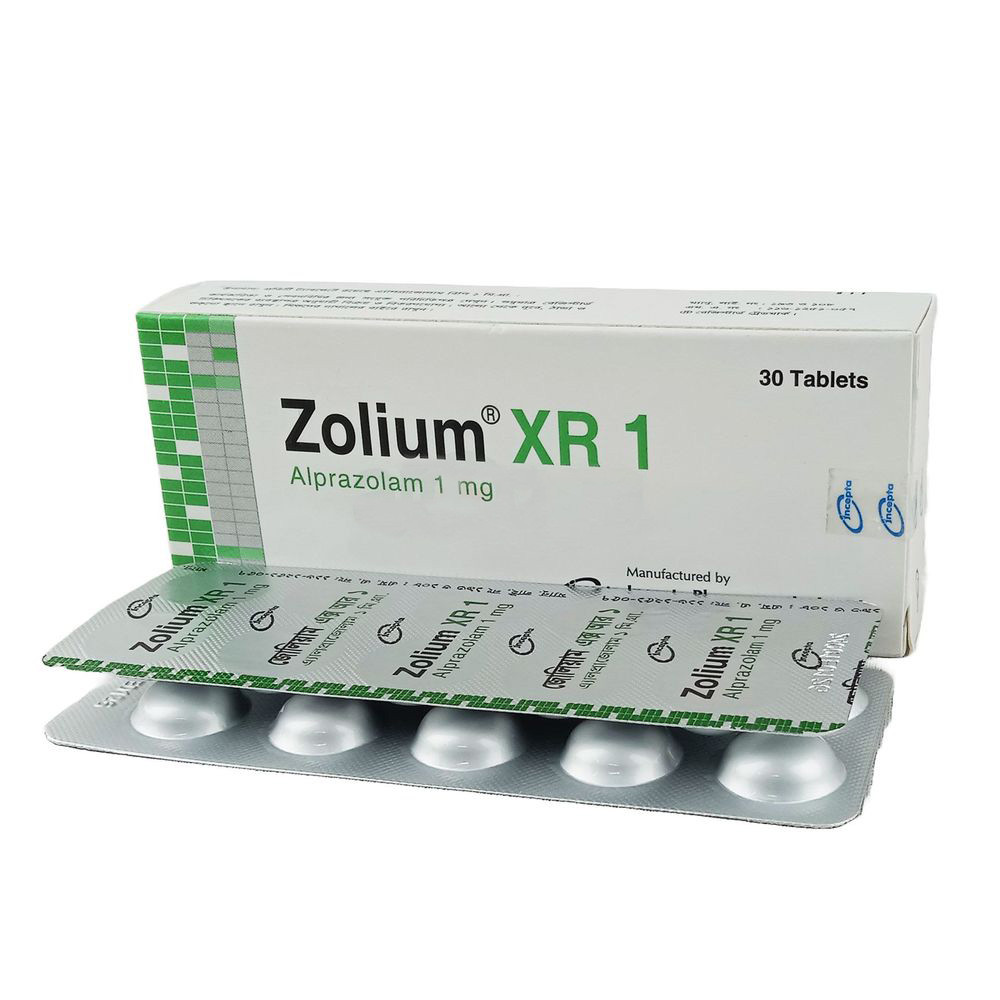
Alprazolam 1 mg should be administered once daily, preferably in the morning by patients who are on multiple dosage regimens of Alprazolam 0.25/0.5 mg. The tablets should be taken intact, they should not be chewed, crushed, or broken.