Introduction
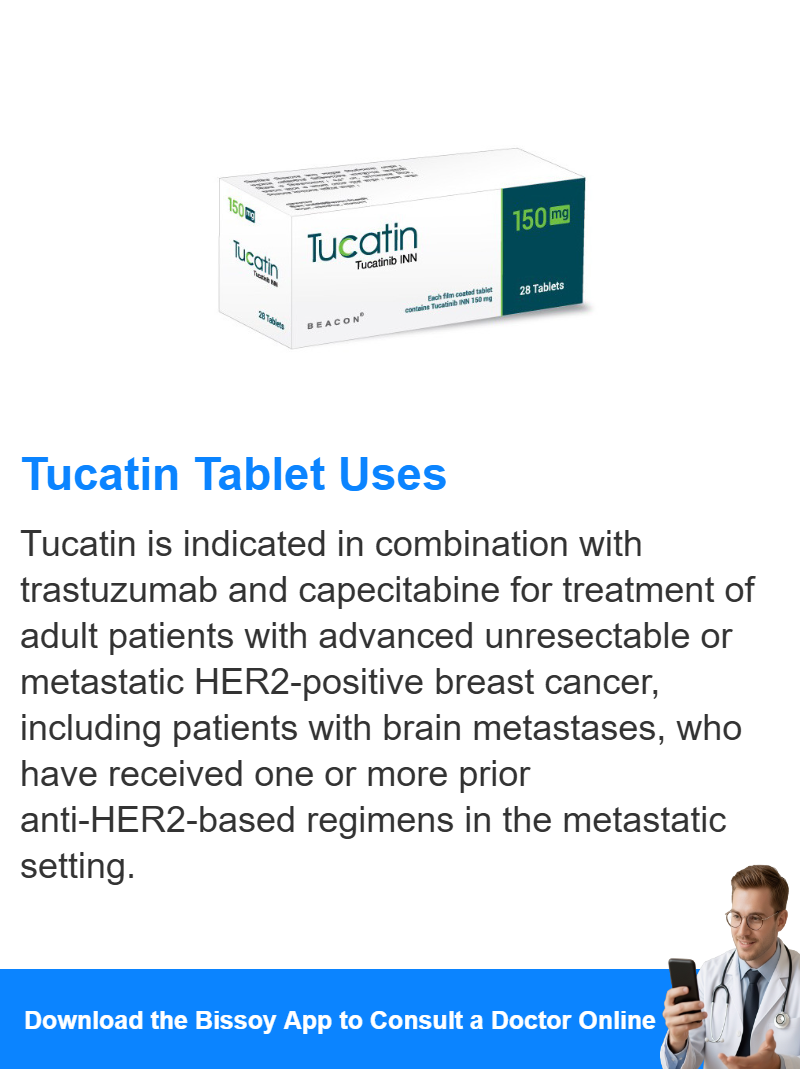
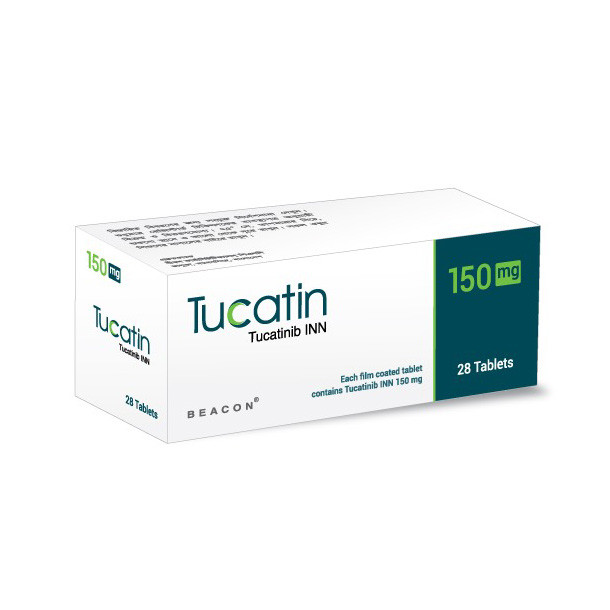
Tucatin Tablet 150 mg is an oral tyrosine kinase inhibitor specifically designed to target and inhibit HER2 (human epidermal growth factor receptor 2) tyrosine kinase. It is used in the treatment of HER2-positive breast cancer, particularly in cases where the cancer has spread to other parts of the body or is resistant to other treatments.
Uses
Tucatin Tablet 150 mg is used for:
- HER2-Positive Breast Cancer: It is used to treat adults with HER2-positive breast cancer, including those with metastatic disease or those who have not responded well to other therapies.
- Combination Therapy: Tucatin Tablet 150 mg is commonly administered in combination with other medications such as trastuzumab and capecitabine to enhance therapeutic efficacy and target the cancer more effectively.
| Brand Name | Tucatin |
|---|---|
| Type | Tablet |
| Weight | 150 mg |
| Generic | Tucatinib |
| Manufacturer | Beacon Pharmaceuticals PLC |
| Available in | English বাংলা |
Mechanism of Action
Tucatin Tablet 150 mg works by selectively inhibiting the HER2 tyrosine kinase. HER2 is a receptor that, when overexpressed, can drive the growth and spread of cancer cells. By blocking this receptor's activity, Tucatin Tablet 150 mg helps to slow down or stop the progression of HER2-positive cancer cells.
How Long Does It Take to Work?
The therapeutic effects of Tucatin Tablet 150 mg may start to be observed within a few weeks of initiating treatment. However, the full benefits might take several cycles of therapy to become evident, depending on individual response and the extent of disease.
Absorption
Tucatin Tablet 150 mg is well absorbed following oral administration, with peak plasma concentrations typically reached within 2 to 4 hours. The presence of food does not significantly affect its absorption.
Route of Elimination
Tucatin Tablet 150 mg is primarily metabolized by the liver. It is excreted mainly via the feces, with a small amount being eliminated in the urine.
Dosage
Recommended Dosage: The recommended dosage of Tucatinib is 300 mg taken orally twice daily in combination with trastuzumab and capecitabine until disease progression or unacceptable toxicity. Patients are advised to swallow Tucatinib tablets whole and not to chew, crush, or split prior to swallowing. Patients are advised not to ingest tablet if it is broken, cracked, or not otherwise intact. Patients are advised to take Tucatinib approximately 12 hours apart and at the same time each day with or without a meal. If the patient vomits or misses a dose of Tucatinib, Patients are advised to take the next dose at its usual scheduled time. When given in combination with Tucatinib, the recommended dosage of capecitabine is 1000 mg/m2 orally twice daily taken within 30 minutes after a meal . Tucatinib and capecitabine can be taken at the same time.Dosage Modifications for Severe Hepatic Impairment: For patients with severe hepatic impairment (Child-Pugh C), reduce the recommended dosage to 200 mg orally twice daily.
Dosage Modifications for Concomitant Use with Strong CYP2C8 Inhibitors: Avoid concomitant use of strong CYP2C8 inhibitors with Tucatinib. If concomitant use with a strong CYP2C8 inhibitor cannot be avoided, reduce the recommended dosage to 100 mg orally twice daily. After discontinuation of the strong CYP2C8 inhibitor for 3 elimination half-lives, resume the Tucatinib dose that was taken prior to initiating the inhibitor.
The recommended dosage of Tucatin Tablet 150 mg is typically:
- Standard Dose: 300 mg orally twice daily. This dosage is often used in combination with other medications such as trastuzumab and capecitabine.
- Adjustments: Dose adjustments may be necessary based on individual tolerability, presence of side effects, or interactions with other drugs.
Administration
Tucatin Tablet 150 mg is administered orally in the form of tablets. It should be taken with or without food, ideally at the same time each day to maintain consistent blood levels. Adherence to the prescribed dosage and schedule is crucial for optimal treatment outcomes.
Side Effects
Common side effects of Tucatin Tablet 150 mg include:
- Diarrhea
- Fatigue
- Nausea
- Rash
- Elevated liver enzymes
Toxicity
Toxicity from Tucatin Tablet 150 mg can include severe gastrointestinal symptoms such as diarrhea and liver toxicity. Monitoring liver function tests and managing symptoms promptly is essential to prevent serious complications.
Precautions
Precautions include:
- Monitoring liver function regularly, as Tucatin Tablet 150 mg can cause liver enzyme elevations.
- Managing diarrhea with appropriate medications and hydration to prevent dehydration and nutritional issues.
- Close monitoring for drug interactions, particularly with other drugs metabolized by the liver.
Interaction
Tucatin Tablet 150 mg may interact with other drugs that affect liver enzymes, such as CYP3A4 inhibitors or inducers. It is important to inform your healthcare provider of all medications and supplements being taken.
Disease Interaction
In patients with pre-existing liver conditions or compromised liver function, the use of Tucatin Tablet 150 mg requires careful monitoring due to its hepatic metabolism and potential for increased toxicity.
Drug Interaction
Potential drug interactions include:
- CYP3A4 Inhibitors: Drugs that inhibit CYP3A4 may increase Tucatin Tablet 150 mg levels, leading to enhanced side effects.
- CYP3A4 Inducers: Drugs that induce CYP3A4 may decrease Tucatin Tablet 150 mg levels, reducing its efficacy.
Food Interactions
There are no specific food interactions with Tucatin Tablet 150 mg, but maintaining a balanced diet is important for overall health during treatment. The drug can be taken with or without food.
Pregnancy Use
Tucatin Tablet 150 mg is classified as a Category D drug by the FDA, indicating potential risks to the fetus. It should be used during pregnancy only if the benefits outweigh the risks, and effective contraception should be used during treatment.
Lactation Use
It is not known if Tucatin Tablet 150 mg is excreted in breast milk. Given the potential for serious adverse effects, breastfeeding is not recommended during treatment with Tucatin Tablet 150 mg.
Acute Overdose
In the event of an acute overdose, symptoms may include exacerbated side effects such as severe diarrhea or liver toxicity. Immediate medical attention is required to manage overdose effects and provide supportive care.
Contraindication
Tucatin Tablet 150 mg is contraindicated in patients with hypersensitivity to the drug or any of its components. It should be avoided in patients with severe liver impairment unless the benefits outweigh the risks.
Use Direction
Follow the prescribed dosage and administration instructions carefully. Regular monitoring of liver function and management of side effects are essential for successful treatment.
Storage Conditions
Store Tucatin Tablet 150 mg at room temperature, away from light and moisture. Keep it out of reach of children and dispose of any unused medication properly according to local regulations.
Volume of Distribution
The volume of distribution of Tucatin Tablet 150 mg indicates its extensive distribution throughout body tissues, particularly after oral administration.
Half Life
The elimination half-life of Tucatin Tablet 150 mg is approximately 6 to 8 hours, which supports its twice-daily dosing schedule.
Clearance
Tucatin Tablet 150 mg is primarily cleared through hepatic metabolism, with a small amount excreted in the urine. The clearance rate may vary based on individual liver function and other factors.
See in details version Tucatin Tablet 150 mg also Tucatin Tablet 150 mg in bangla
Social card