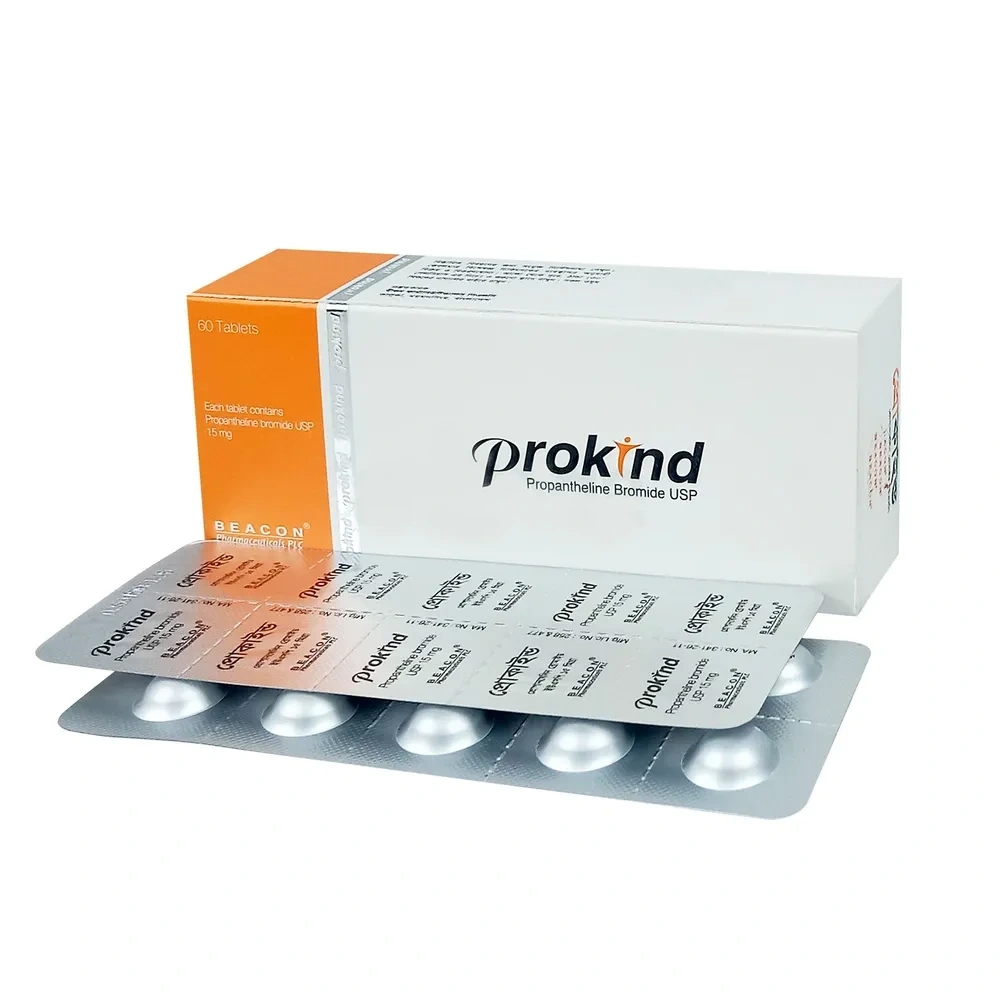
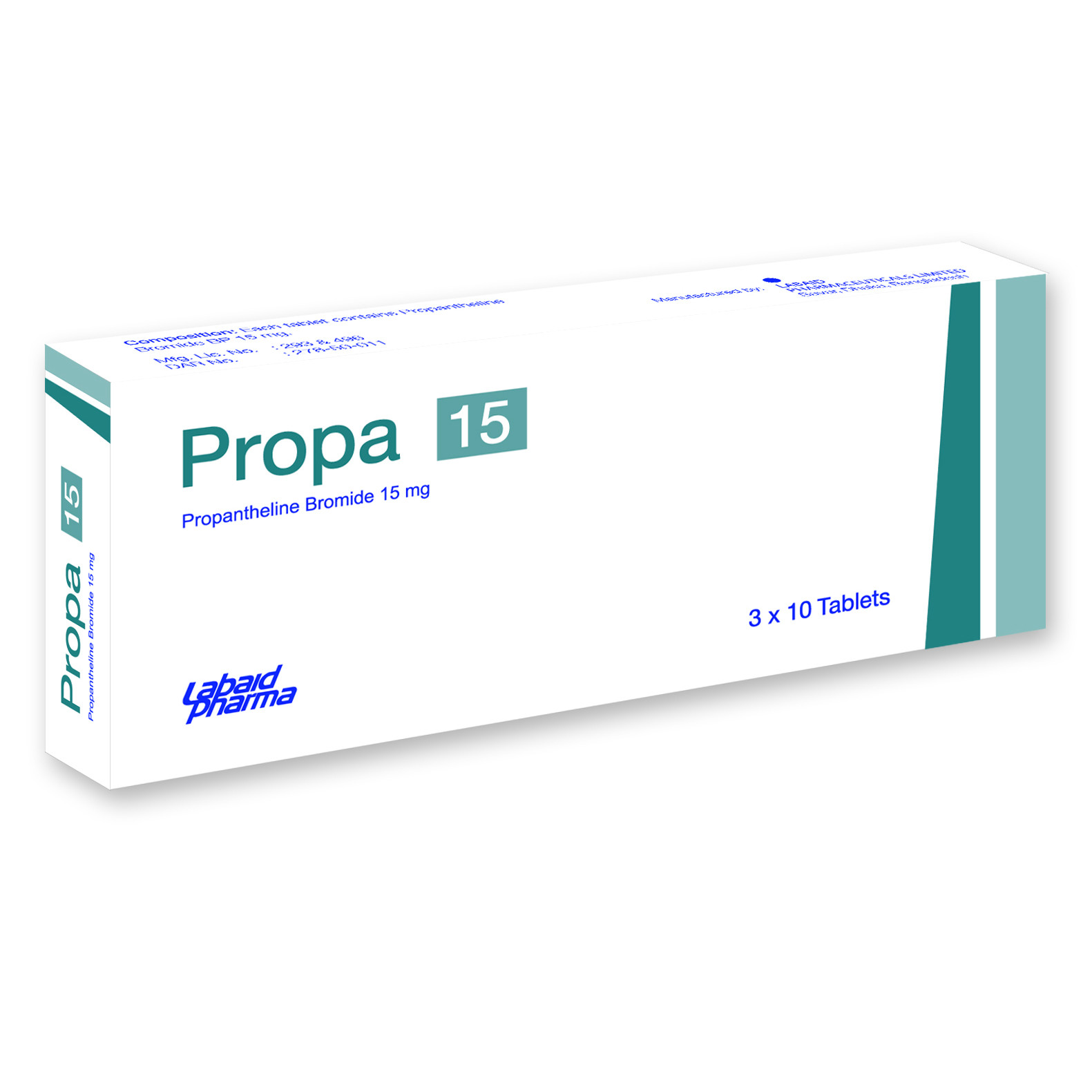
Introduction
Propantheline bromide is an anticholinergic medication used primarily to reduce gastrointestinal motility and treat various gastrointestinal disorders. It works by inhibiting the effects of acetylcholine, a neurotransmitter involved in muscle contraction and secretion in the gastrointestinal tract.
Uses
Propantheline bromide is used for:
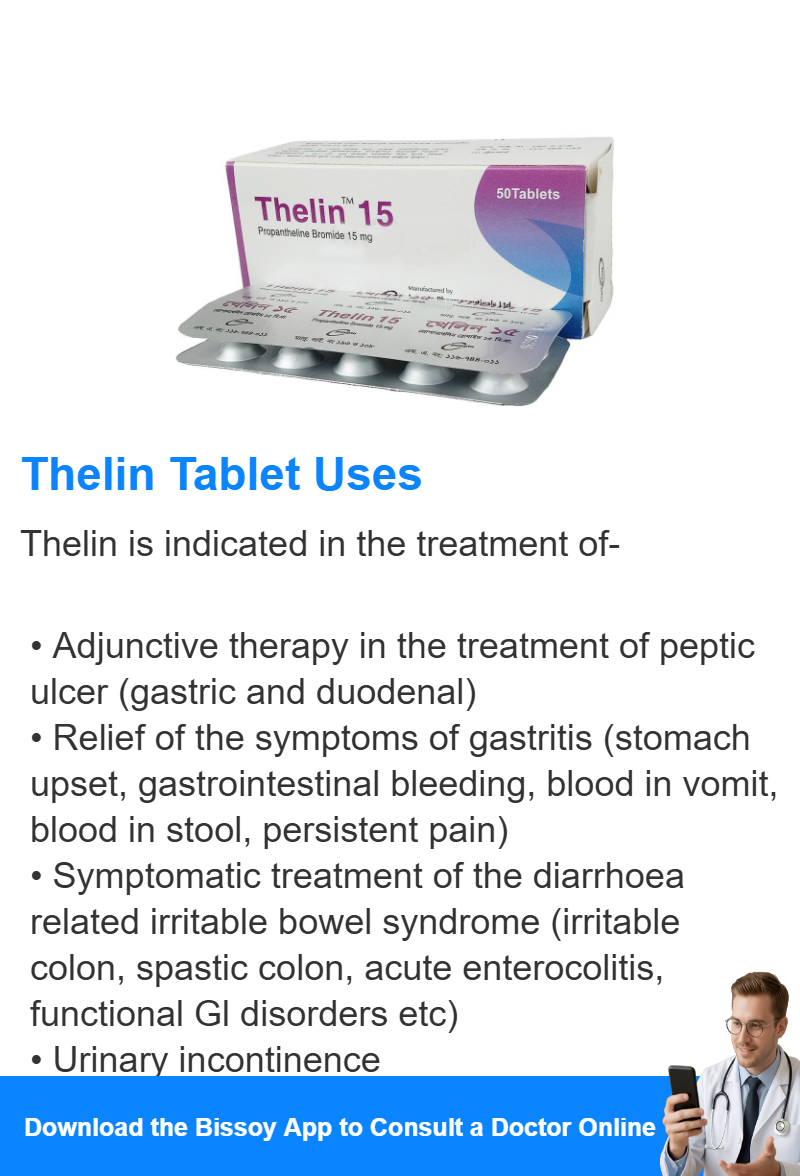
- Treating peptic ulcers by reducing stomach acid production and gastrointestinal motility.
- Managing irritable bowel syndrome (IBS) and other conditions characterized by excessive gastrointestinal motility.
- Reducing symptoms associated with overactive bladder.
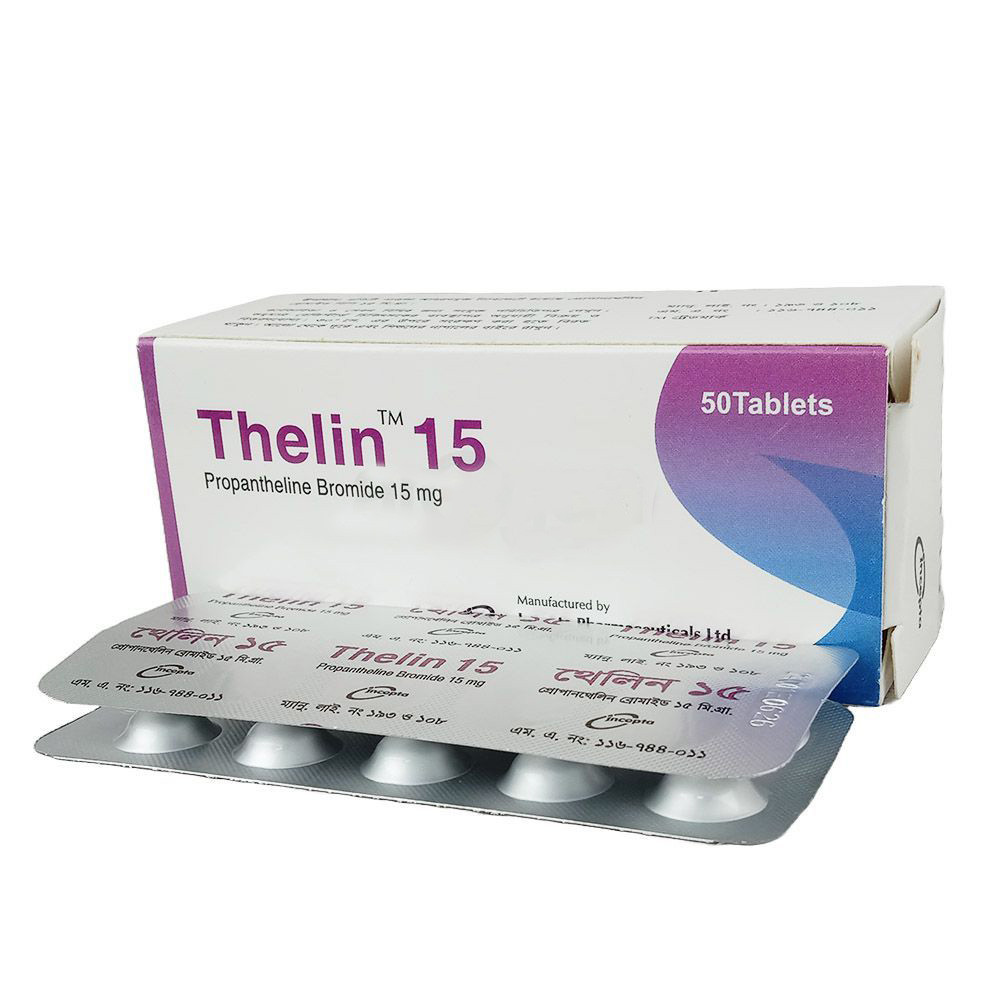
| Brand Name | Thelin |
|---|---|
| Type | Tablet |
| Weight | 15 mg |
| Generic | Propantheline Bromide |
| Manufacturer | Incepta Pharmaceuticals Ltd. |
| Available in | English বাংলা |
Mechanism of Action
Propantheline bromide acts as a competitive antagonist of acetylcholine at muscarinic receptors. By blocking these receptors, it decreases the effects of acetylcholine, which leads to reduced gastrointestinal motility, decreased gastric acid secretion, and reduced smooth muscle contractions.
How Long Does It Take to Work?
The onset of action for Propantheline bromide can vary. Generally, effects on gastrointestinal motility may be observed within 30 to 60 minutes of oral administration. For therapeutic effects in conditions like peptic ulcers or IBS, it may take several days of consistent use to notice significant improvements.
Absorption
Propantheline bromide is well absorbed from the gastrointestinal tract after oral administration. It reaches peak plasma concentrations within 1-2 hours of intake.
Route of Elimination
Propantheline bromide is primarily metabolized in the liver and excreted in the urine. A small fraction may be excreted unchanged in the urine.
Dosage
The usual initial adult dose of Propantheline Bromide is 75 mg daily. One tablet 30 min before each meal (15 mg three times daily). Two tablets at bedtime Dosage adjustment should be made according to the patient's individual response and tolerance. But the maximum daily dosage should not exceed 120 mg.Pediatric use: Safety and effectiveness in pediatric patients have not been established.
The dosage of Propantheline bromide varies based on the condition being treated:
- For peptic ulcers: Typically, 15-30 mg taken 3-4 times daily, 30 minutes before meals.
- For irritable bowel syndrome: 15 mg taken 2-3 times daily, before meals.
- For overactive bladder: Dosage may vary based on individual response and tolerability.
Administration
Propantheline bromide is administered orally, usually in tablet form. It should be taken before meals to optimize its effects on gastrointestinal motility and acid secretion.
Side Effects
Common side effects include:
- Dry mouth
- Constipation
- Blurred vision
- Dizziness
- Difficulty urinating
Toxicity
Signs of toxicity may include severe anticholinergic effects such as dry mouth, blurred vision, confusion, and urinary retention. In cases of overdose, symptoms may escalate to delirium, hallucinations, and severe tachycardia. Immediate medical attention is required in such cases.
Precautions
Precautions include:
- Use with caution in patients with glaucoma, prostatic hypertrophy, or impaired renal or hepatic function.
- Avoid use in elderly patients who may be more sensitive to anticholinergic effects.
Interaction
Propantheline bromide may interact with other anticholinergic drugs, potentially leading to enhanced side effects. It may also interact with drugs that affect gastrointestinal motility or alter gastric pH levels.
Disease Interaction
Caution is advised in patients with:
- Glaucoma
- Prostatic hypertrophy
- Renal or hepatic impairment
- Cardiac arrhythmias
Drug Interaction
Potential drug interactions include:
- Other anticholinergics: Increased risk of anticholinergic side effects.
- Antacids: May affect the absorption of Propantheline bromide.
- Drugs that affect the liver enzyme systems: May alter the metabolism of Propantheline bromide.
Food Interactions
Food interactions are minimal, but taking Propantheline bromide with food can help reduce gastrointestinal side effects. It should be taken as directed, typically before meals.
Pregnancy Use
The safety of Propantheline bromide during pregnancy has not been well-established. It should only be used if the potential benefits outweigh the risks. Consult with a healthcare provider before use in pregnant women.
Lactation Use
It is not known if Propantheline bromide is excreted in breast milk. Use with caution in breastfeeding mothers, and monitor the infant for potential side effects.
Acute Overdose
Acute overdose can result in severe anticholinergic effects such as confusion, hallucinations, and rapid heartbeat. Treatment involves symptomatic management and supportive care, including the use of antidotes such as physostigmine if necessary.
Contraindication
Contraindications include:
- Hypersensitivity to Propantheline bromide or any of its components.
- Severe gastrointestinal obstruction or paralytic ileus.
- Acute angle-closure glaucoma.
Use Direction
Administer Propantheline bromide as directed by a healthcare provider. Typically, it should be taken orally 30 minutes before meals. Follow the prescribed dosage and frequency to manage symptoms effectively.
Storage Conditions
Store Propantheline bromide at room temperature, away from direct light and moisture. Keep it out of reach of children and follow the manufacturer's storage instructions.
Volume of Distribution
The volume of distribution for Propantheline bromide is not well-documented in the available literature. It is generally confined to the gastrointestinal tract and peripheral tissues due to its anticholinergic properties.
Half Life
The elimination half-life of Propantheline bromide is approximately 1.5 to 3 hours. This may vary based on individual patient factors such as age and renal function.
Clearance
Propantheline bromide is primarily cleared through renal excretion. The clearance rate may be affected by liver or renal impairment, necessitating dose adjustments in these conditions.
See in details version Thelin Tablet 15 mg also Thelin Tablet 15 mg in bangla
Social card
Some Frequently Asked Questions About Thelin Tablet 15 mg

Dr. Muhammad Asaduzzaman
Urology (Kidneys, Bladder, Ureters, Prostate) Specialist & Surgeon


Dr. Md. Mainul Islam Choudhury (Nanna)
Skin, Sex, Allergy, Leprosy Specialist & Dermato Surgeon