Introduction
A muscarinic antagonist used as an antispasmodic, in rhinitis, in urinary incontinence, and in the treatment of ulcers. At high doses it has nicotinic effects resulting in neuromuscular blocking.
Uses
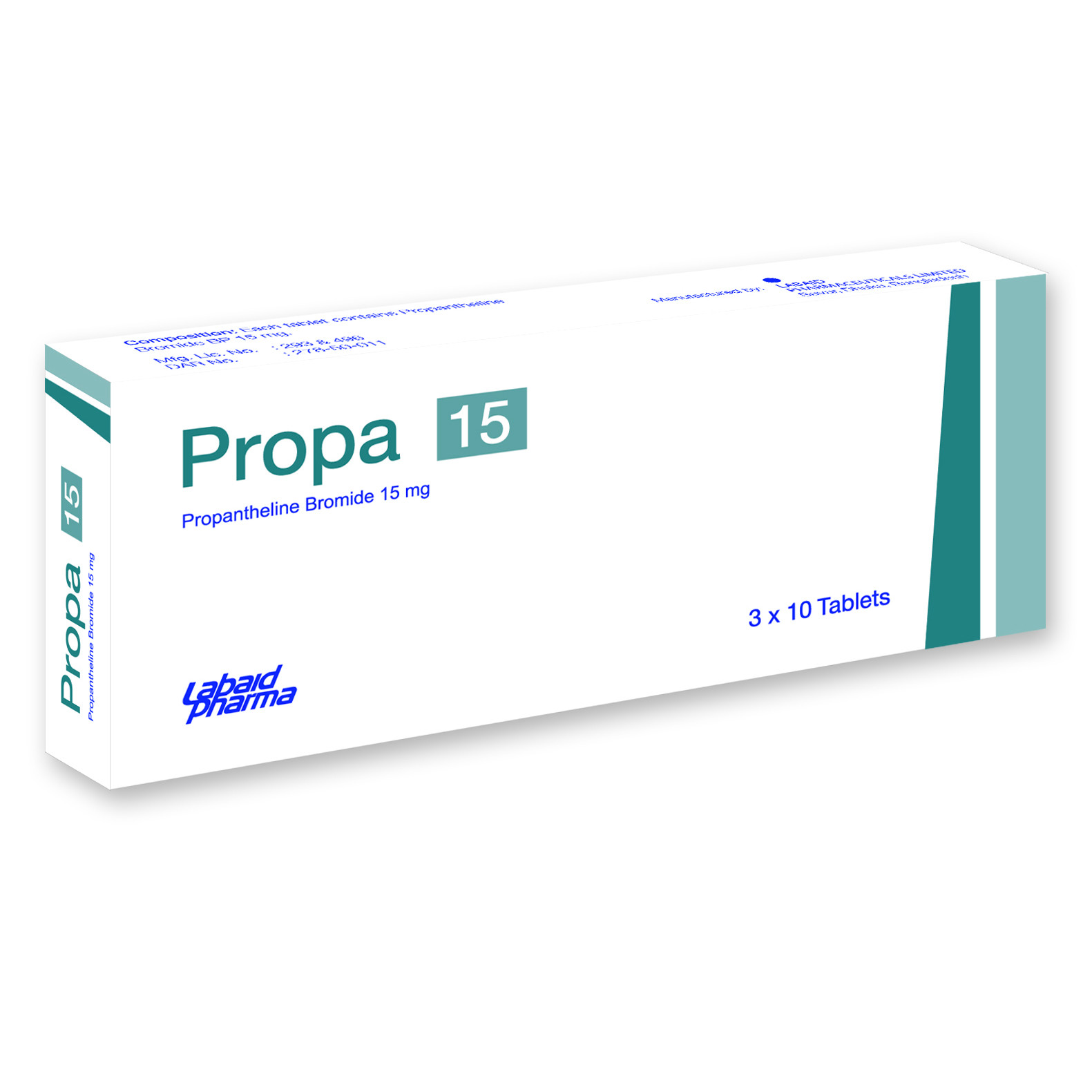
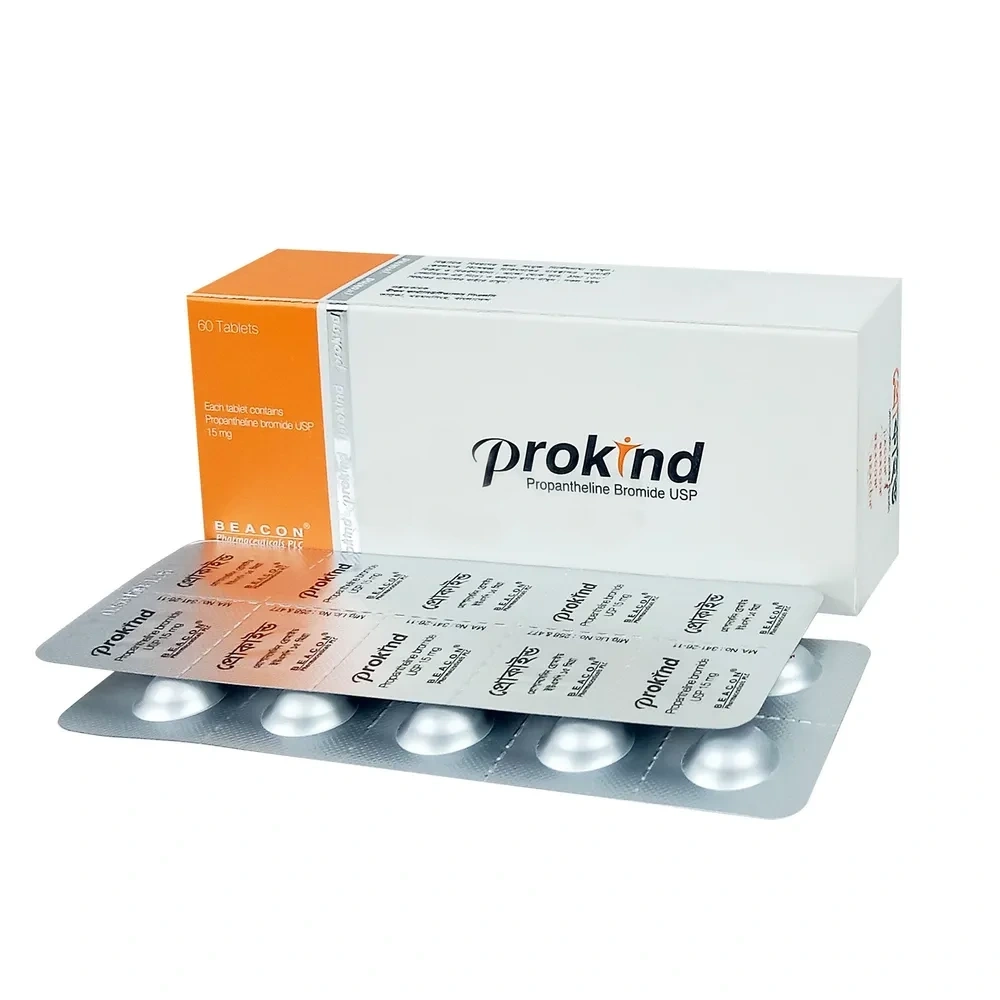
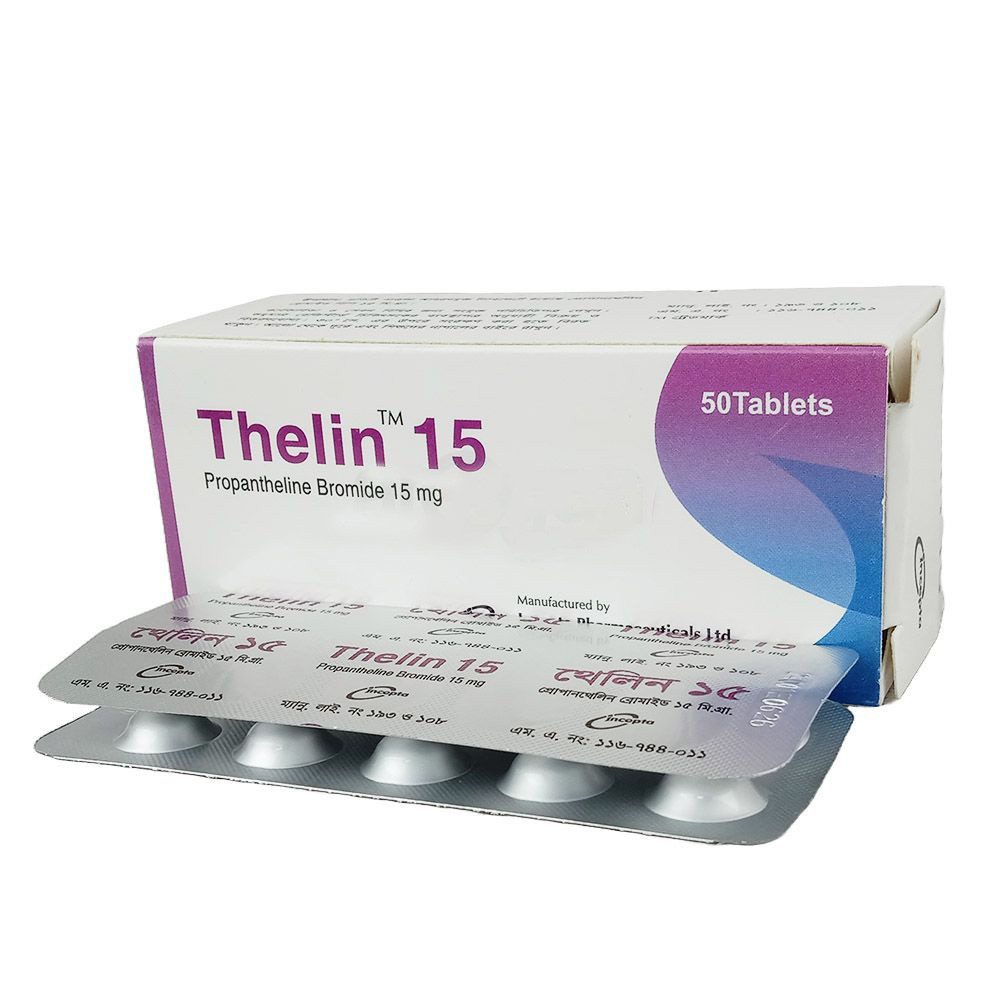
Propantheline is an antimuscarinic agent used to treat urinary incontinence, hyperhidrosis, as well as cramps and spasms of the stomach, intestines, and bladder.
For the treatment of enuresis. It has also been used for hyperhidrosis, and cramps or spasms of the stomach, intestines or bladder.
Associated Conditions
Pharmacodynamics
Propantheline is an anticholinergic drug, a medication that reduces the effect of acetylcholine, a chemical released from nerves that stimulates muscles, by blocking the receptors for acetylcholine on smooth muscle (a type of muscle). It also has a direct relaxing effect on smooth muscle. Propantheline is used to treat or prevent spasm in the muscles of the gastrointestinal tract in the irritable bowel syndrome. In addition, Propantheline inhibits gastrointestinal propulsive motility and decreases gastric acid secretion and controls excessive pharyngeal, tracheal and bronchial secretions.
Mechanism of Action
Action is achieved via a dual mechanism: (1) a specific anticholinergic effect (antimuscarinic) at the acetylcholine-receptor sites and (2) a direct effect upon smooth muscle (musculotropic).
Route of Elimination
Approximately 70% of the dose is excreted in the urine, mostly as metabolites.
Food Interactions
- Take before a meal. Take before a meal. Propantheline bromide should be taken 15 to 30 minutes before meals.
Dosage
Pediatric use: Safety and effectiveness in pediatric patients have not been established.