Introduction

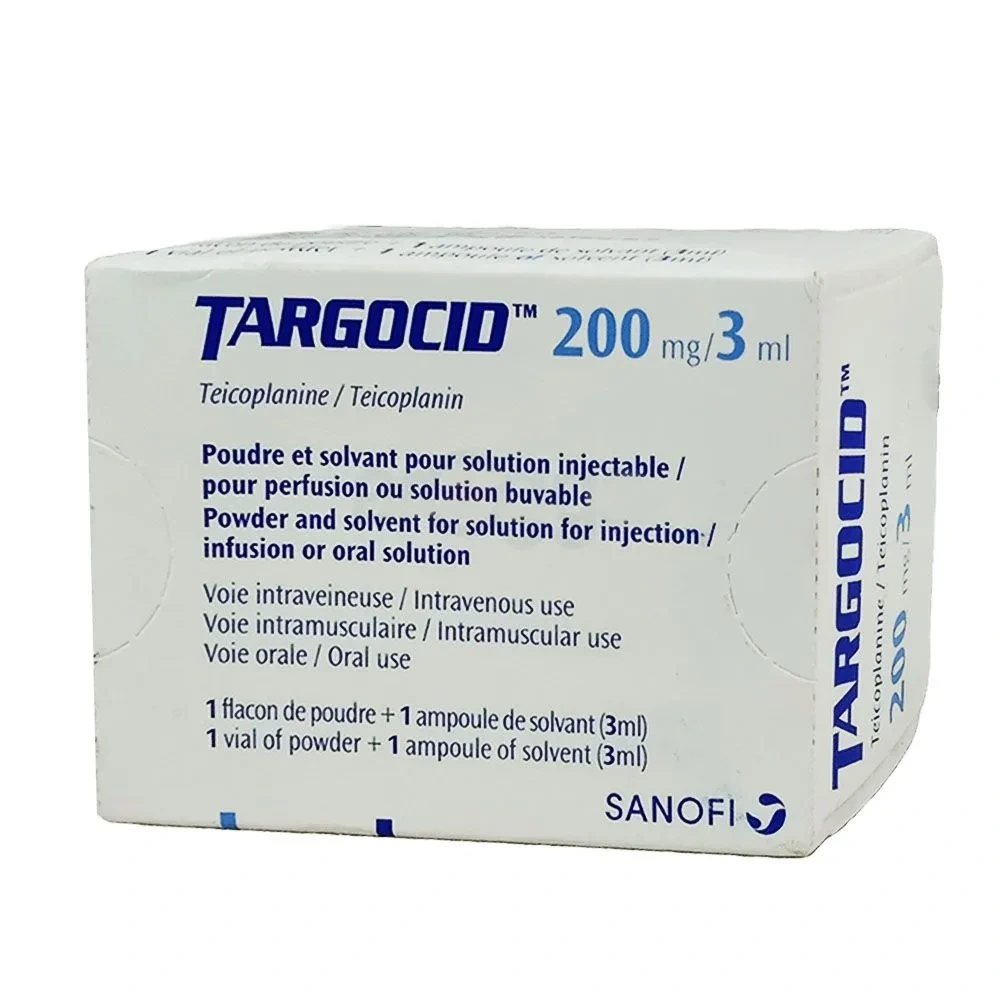
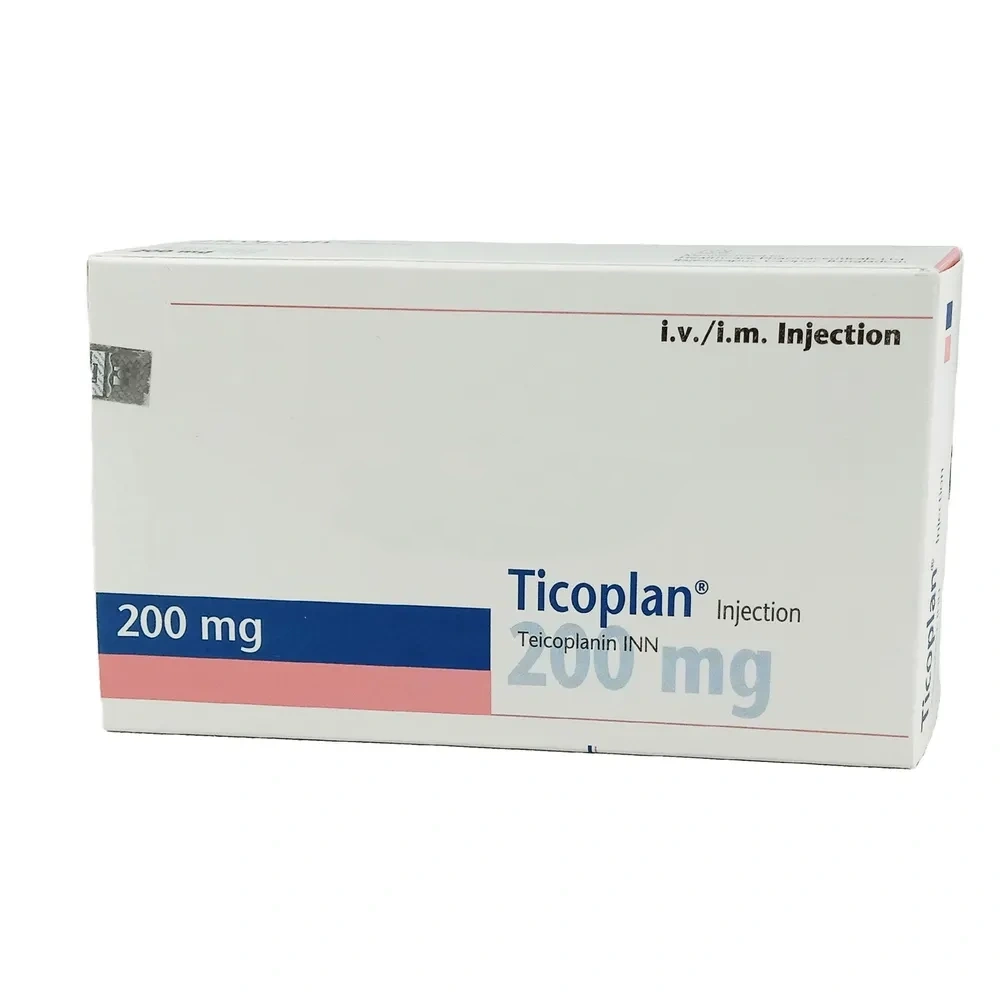
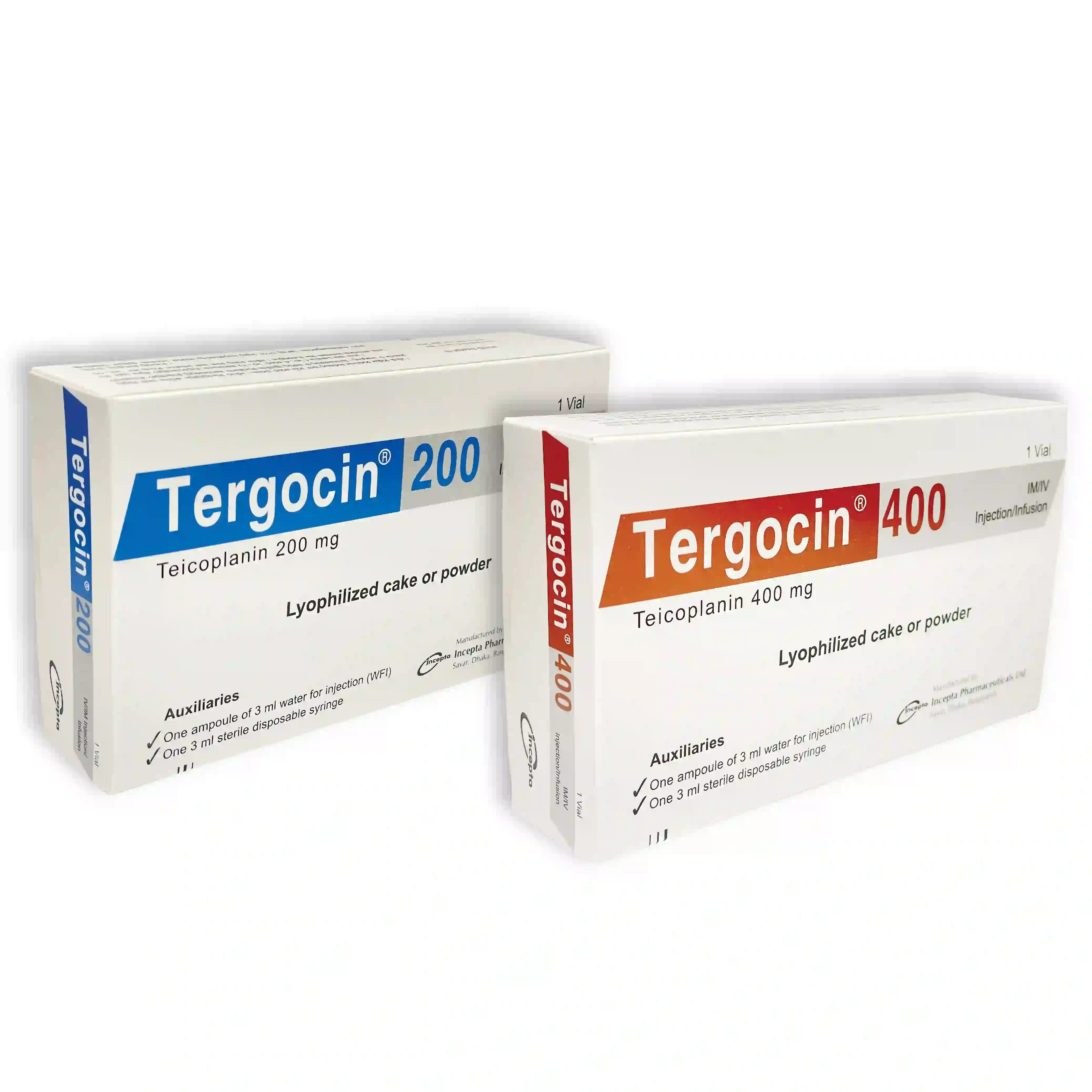
Tergocin IM/IV Injection 200 mg/vial is an antibiotic used to treat a variety of serious bacterial infections, particularly those caused by Gram-positive bacteria. It is a glycopeptide antibiotic and is often used as an alternative to vancomycin for treating infections resistant to other antibiotics. Tergocin IM/IV Injection 200 mg/vial is available under various brand names and is administered intravenously or intramuscularly.

Uses

Tergocin IM/IV Injection 200 mg/vial is used for:

  • Treatment of severe infections caused by Gram-positive bacteria, including methicillin-resistant Staphylococcus aureus (MRSA) and other resistant strains.
  • Treatment of infections such as endocarditis, osteomyelitis, and skin and soft tissue infections.
  • Prophylaxis of infections in patients undergoing major surgeries or those at high risk of developing infections.

Brand Name Tergocin
Type IM/IV Injection
Weight 200 mg/vial
Generic Teicoplanin
Manufacturer Incepta Pharmaceuticals Ltd.
Available in English বাংলা

Mechanism of Action

Tergocin IM/IV Injection 200 mg/vial works by inhibiting bacterial cell wall synthesis. It binds to the D-Ala-D-Ala terminus of the peptidoglycan precursors, preventing the cross-linking of the bacterial cell wall. This disruption leads to bacterial cell death, particularly against Gram-positive organisms.

How Long Does It Take to Work?

Tergocin IM/IV Injection 200 mg/vial begins to exhibit its effects within hours of administration. However, significant clinical improvement may take several days, depending on the severity and type of infection being treated. The full therapeutic effect can be observed over a period of 1 to 2 weeks.

Absorption

Tergocin IM/IV Injection 200 mg/vial is administered parenterally, either intravenously or intramuscularly, as it is not well-absorbed from the gastrointestinal tract. Systemic absorption is achieved through these routes, ensuring effective concentrations in the bloodstream and target tissues.

Route of Elimination

Tergocin IM/IV Injection 200 mg/vial is primarily eliminated via the kidneys. The drug is excreted in the urine, with approximately 80% of the administered dose being recovered in the urine. A small amount is also excreted in the feces.

Dosage

Teicoplanin can be given intravenously (as a bolus injection or infusion) or intramuscularly. The intravenous injection may be administered either as a bolus over 3 to 5 minutes or as a 30-minute infusion. Only the infusion method should be used in neonates. It should be given once daily after one or more loading doses. The dosage of Teicoplanin should be adapted on the severity of the infection and patient’s response to treatment.

In adults (Normal kidney function):
  • On the first day, a dose of 6 mg/kg (generally 400 mg) intravenously is recommended. On the following days, the dose may be 6 mg/kg/day (generally 400 mg) intravenously or 3 mg/kg/day (generally 200 mg) intravenously or intramuscularly as a single daily dose. The highest dose and the intravenous route are recommended for serious infections.
  • In potentially fatal infections, treatment should be started with 6 mg/kg (usually 400 mg) twice daily for 1 to 4 days (loading dose) and continued with 6 mg/kg/day intravenously on the following days (maintenance dose).
In adults and elderly (Kidney failure): In patients with kidney failure, the dosage should be adjusted from the 4th day of treatment as follows:
  • In moderate kidney failure (creatinine clearance between 40 and 60 ml/min), the daily dose of Teicoplanin should be halved or given on alternate days.
  • In severe kidney failure (creatinine clearance less than 40 ml/min) and in hemodialysis patients, the daily dose of Teicoplanin should be reduced to a third, or given every 3 days.
  • If creatinine clearance is equal to or less than 20 ml/min, treatment with Teicoplanin may be given only if monitoring of drug levels in the blood can be guaranteed.
In children (Normal kidney function):
  • In Children (2 months to 12 years): Treatment should be started at a dose of 10 mg/kg every 12 hours for a total of 3 doses and then continued at a dose of 6-10 mg/kg/day, the highest dose being used for the most serious infections or for children with neutropenia.
  • In neonates (up to 2 months): Treatment should be started at a dose of 16 mg/kg on the first day, followed by maintenance doses of 8 mg/kg/day by slow intravenous infusion (lasting approximately 30 minutes).
In children (Kidney failure): As like adults, dosage adjustment is recommended. Measuring Teicoplanin levels in the blood may be useful to make treatment as effective as possible.

Clostridium difficile infection associated diarrhea: The recommended dose is 100-200 mg administered twice a day for 7 to 14 days. Giving Teicoplanin along with another suitable bactericidal antibiotic is recommended for infections requiring maximum bactericidal activity or in situations where the presence of Gram-negative bacteria cannot be ruled out (empirical treatment of fever in patients with neutropenia). In most patients, this medicine can be seen to have an effect 48 to 72 hours after the start of treatment. However, the total duration of treatment is determined based on the type and severity of the infection and the patient’s response to treatment. In endocarditis and osteomyelitis, a period of at least 3 weeks is recommended.

The dosage of teicoplanin varies based on the type and severity of infection:

  • For serious infections: Initial dose of 6 mg/kg intravenously or intramuscularly every 12 hours for the first 3 doses, followed by 6 mg/kg once daily.
  • For less severe infections: 6 mg/kg once daily, adjusted based on clinical response and renal function.
  • For prophylaxis: 6 mg/kg once daily before surgery, continuing for 1 to 3 days as needed.
Adjustments may be necessary for patients with renal impairment.

Administration

Tergocin IM/IV Injection 200 mg/vial should be administered intravenously or intramuscularly. For intravenous administration, it is typically diluted in a suitable diluent and infused over 30 to 60 minutes. Intramuscular injections should be given into a large muscle mass. Proper aseptic techniques should be followed to avoid contamination.

Side Effects

Common side effects of teicoplanin include:

  • Fever
  • Rash
  • Nausea and vomiting
  • Phlebitis at the injection site
Serious side effects may include:
  • Nephrotoxicity
  • Ototoxicity
  • Severe allergic reactions
  • Hematological reactions such as neutropenia or thrombocytopenia

Toxicity

Toxicity can occur, particularly with high doses or prolonged use. Symptoms of toxicity may include renal impairment, hearing loss, and significant allergic reactions. In case of suspected overdose, discontinue the medication and provide supportive care. Monitoring of renal function and hearing is recommended during treatment.

Precautions

Precautions include:

  • Monitor renal function regularly during treatment, especially in patients with preexisting kidney disease.
  • Be cautious in patients with a history of hypersensitivity to glycopeptide antibiotics.
  • Use with care in patients with hearing impairment, as teicoplanin may cause ototoxicity.

Interaction

Tergocin IM/IV Injection 200 mg/vial may interact with other nephrotoxic or ototoxic drugs, potentially increasing the risk of renal or auditory toxicity. It is important to review all concurrent medications and adjust dosages as necessary to avoid interactions.

Disease Interaction

Tergocin IM/IV Injection 200 mg/vial should be used with caution in patients with:

  • Renal impairment, as the drug is primarily eliminated by the kidneys.
  • Preexisting hearing loss or conditions that may be exacerbated by ototoxic drugs.

Drug Interaction

Drug interactions with teicoplanin are relatively limited but can occur with other nephrotoxic or ototoxic drugs. Patients should be monitored for potential interactions with other medications, particularly those affecting renal function or auditory health.

Food Interactions

There are no significant food interactions with teicoplanin. The medication can be administered regardless of food intake.

Pregnancy Use

Tergocin IM/IV Injection 200 mg/vial is classified as Category C for pregnancy. The safety of teicoplanin during pregnancy has not been well established. It should be used during pregnancy only if the potential benefits outweigh the risks. Consult a healthcare provider if pregnant or planning to become pregnant.

Lactation Use

It is not known if teicoplanin is excreted in breast milk. Due to potential risks to a nursing infant, it is advisable to either avoid breastfeeding during treatment or use an alternative medication. Consult with a healthcare provider for guidance.

Acute Overdose

In the event of an acute overdose, symptoms may include severe renal impairment and ototoxicity. Discontinue teicoplanin and provide symptomatic and supportive care. Monitor renal function and hearing, and seek medical attention immediately for appropriate intervention.

Contraindication

Tergocin IM/IV Injection 200 mg/vial is contraindicated in:

  • Patients with a known hypersensitivity to teicoplanin or other glycopeptide antibiotics.
  • Patients with severe renal impairment without appropriate dose adjustment.

Use Direction

Follow the prescribed dosage and administration instructions carefully. For intravenous or intramuscular use, ensure proper technique to minimize adverse effects and contamination. Monitor for side effects and adjust treatment as needed based on clinical response and renal function.

Storage Conditions

Store teicoplanin vials at room temperature, between 20°C and 25°C (68°F and 77°F). Protect from light and moisture. Do not freeze. Discard any unused or expired medication following appropriate disposal procedures.

Volume of Distribution

The volume of distribution of teicoplanin is approximately 0.6 to 1.0 L/kg, indicating good distribution into body tissues, including bone and lung tissues.

Half Life

The terminal half-life of teicoplanin is approximately 70 to 100 hours, allowing for less frequent dosing compared to some other antibiotics.

Clearance

Tergocin IM/IV Injection 200 mg/vial is primarily cleared by the kidneys. The drug's clearance is influenced by renal function, and dose adjustments may be necessary for patients with impaired kidney function.

See in details version Tergocin IM/IV Injection 200 mg/vial also Tergocin IM/IV Injection 200 mg/vial in bangla

Social card

Uses

Some Frequently Asked Questions About Tergocin IM/IV Injection 200 mg/vial

*** Taking medicines without doctor's advice can cause long-term problems.
Dr. Md. Shaheen Sikder

Dr. Md. Shaheen Sikder

Medicine & Kidney Specialist

Call Doctor
Prof. Dr. Sunil Kumar Biswas

Prof. Dr. Sunil Kumar Biswas

Medicine & Rheumatology Specialist

Call Doctor
Related Medicines