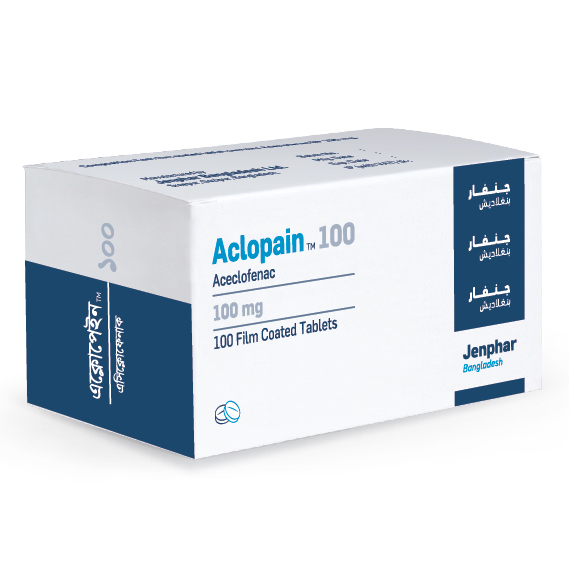
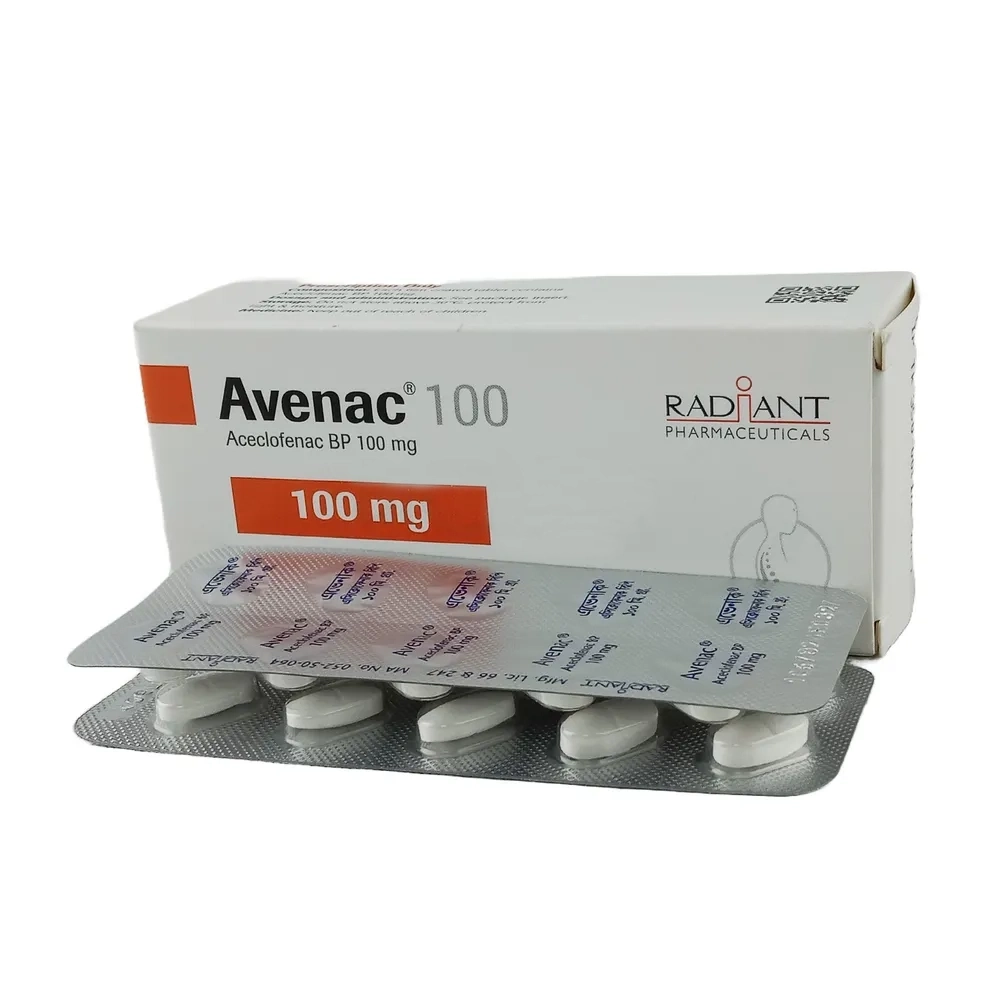
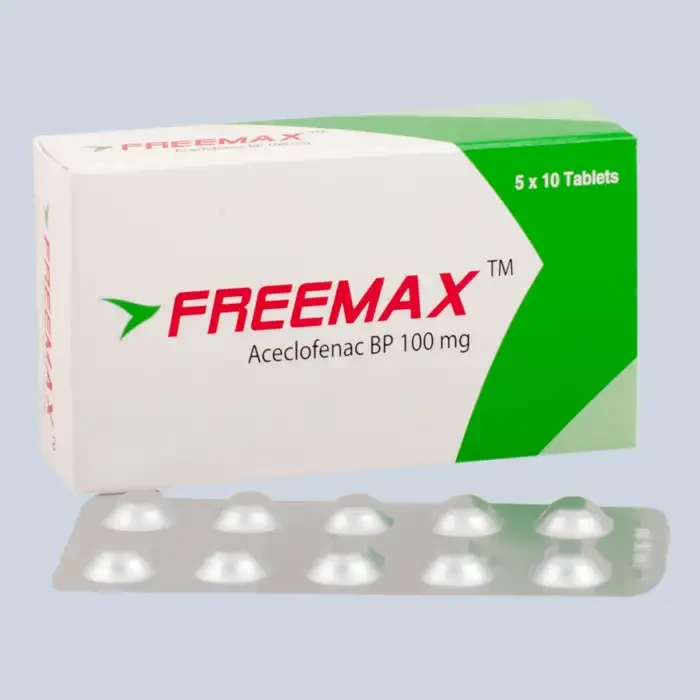
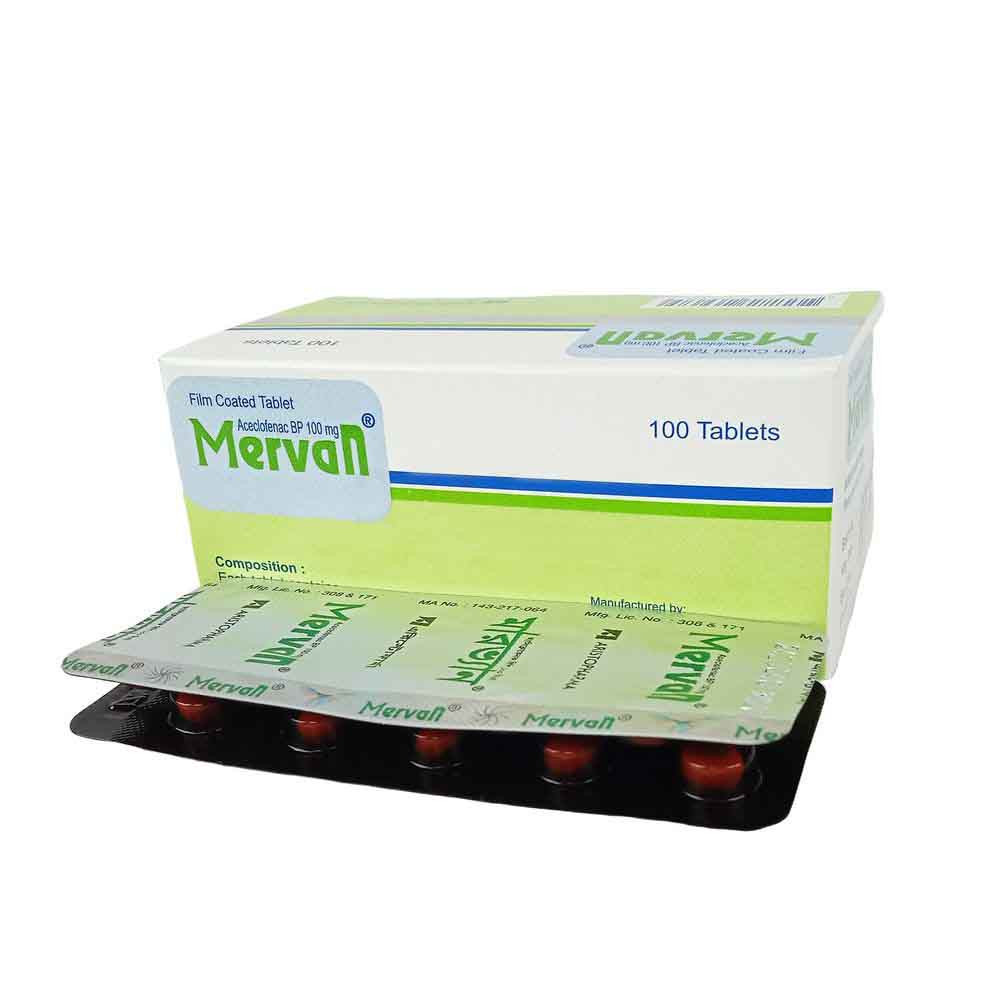
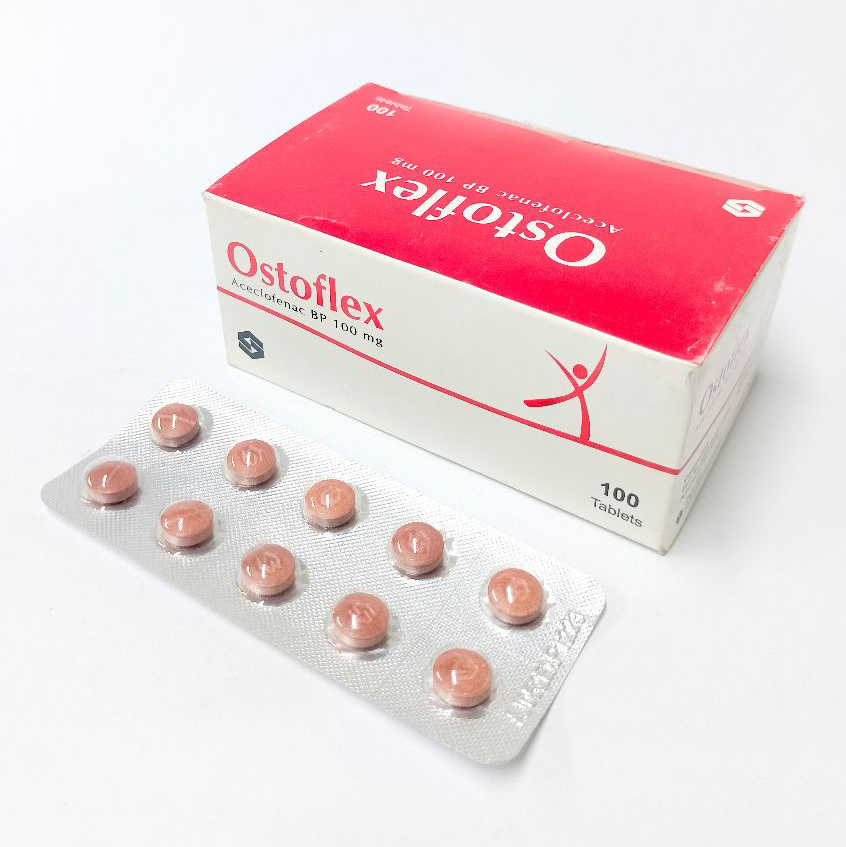
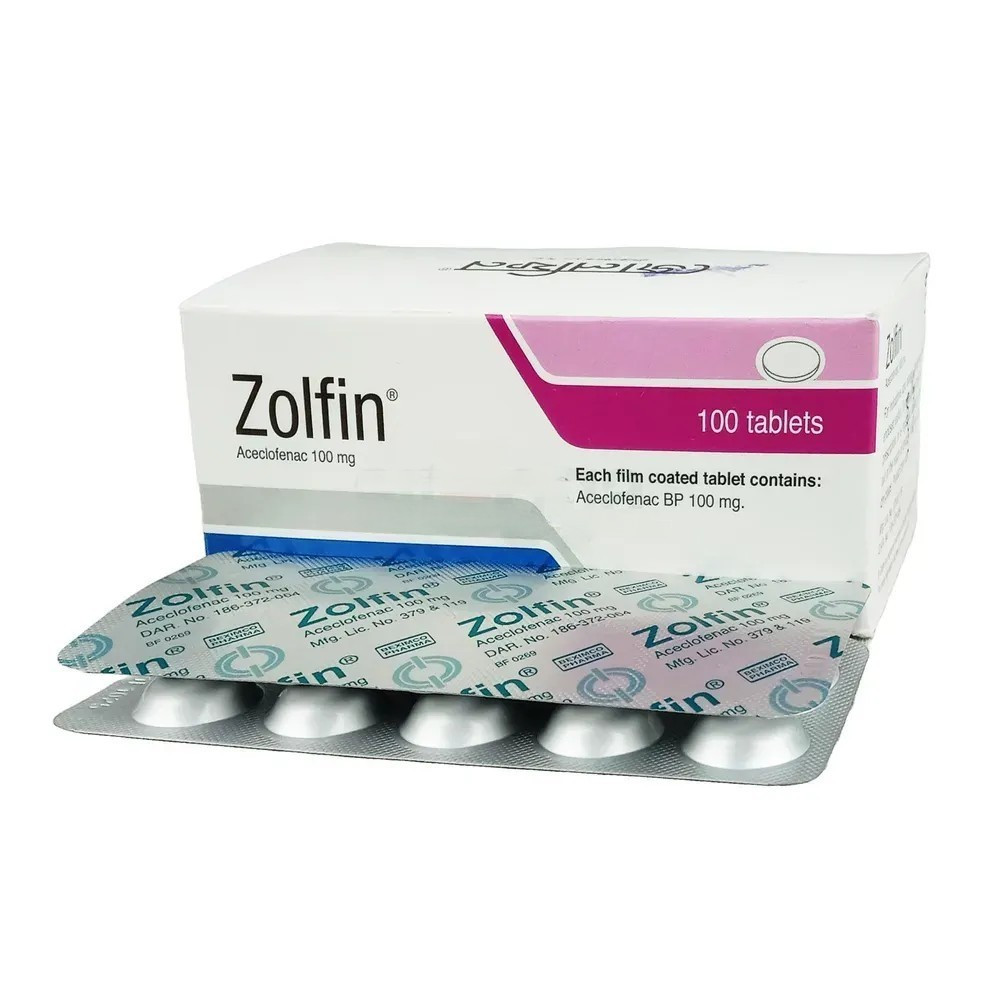
1. What is Silfenac Tablet 100 mg?
Silfenac Tablet 100 mg is a nonsteroidal anti-inflammatory drug (NSAID) used to reduce inflammation and pain in conditions such as arthritis, muscle pain, and other musculoskeletal disorders.
2. How does Silfenac Tablet 100 mg work?
Silfenac Tablet 100 mg works by inhibiting the production of prostaglandins, chemicals in the body that promote inflammation, pain, and fever. By reducing prostaglandin levels, it helps to reduce pain and inflammation.
3. What conditions is Silfenac Tablet 100 mg used to treat?
Silfenac Tablet 100 mg is commonly used to treat:
- Osteoarthritis
- Rheumatoid arthritis
- Muscle pain
- Back pain
- Joint pain
- Postoperative pain
- Gout attacks
4. How should Silfenac Tablet 100 mg be taken?
Silfenac Tablet 100 mg is typically taken orally in the form of tablets. It should be taken with food to reduce the risk of stomach irritation. Follow the dosage instructions provided by your healthcare provider.
5. What is the usual dosage of Silfenac Tablet 100 mg?
The typical dose for adults is one 100 mg tablet twice a day. However, the dosage may vary depending on the condition being treated and individual factors.
6. Can Silfenac Tablet 100 mg be taken with other medications?
Silfenac Tablet 100 mg may interact with other medications, especially blood thinners, corticosteroids, and certain blood pressure medications. Always consult a healthcare provider before combining it with other drugs.
7. Can Silfenac Tablet 100 mg be used during pregnancy?
Silfenac Tablet 100 mg is generally not recommended during pregnancy, particularly in the third trimester, as it may affect fetal development and cause complications. Always consult a doctor before using it during pregnancy.
8. Is Silfenac Tablet 100 mg safe for breastfeeding mothers?
Silfenac Tablet 100 mg should be avoided while breastfeeding as it can pass into breast milk and may harm the infant. Consult your doctor before using it while breastfeeding.
9. What are the common side effects of Silfenac Tablet 100 mg?
Common side effects include:
- Stomach upset
- Headache
- Dizziness
- Nausea
- Diarrhea
10. Can Silfenac Tablet 100 mg cause gastrointestinal problems?
Yes, like other NSAIDs, Silfenac Tablet 100 mg can cause gastrointestinal issues such as ulcers, bleeding, or irritation in the stomach. It should be taken with food to minimize these risks.
11. Can I take Silfenac Tablet 100 mg for a headache?
Silfenac Tablet 100 mg can help relieve pain, including headaches, particularly those associated with inflammation. However, it is not specifically indicated for headache relief.
12. How long does Silfenac Tablet 100 mg take to work?
Silfenac Tablet 100 mg typically starts to work within 30 minutes to 1 hour after taking it, with maximum effect seen in 1 to 2 hours.
13. Can Silfenac Tablet 100 mg cause liver damage?
While rare, Silfenac Tablet 100 mg can cause liver problems, including jaundice or elevated liver enzymes. Regular monitoring of liver function may be advised for long-term use.
14. Can Silfenac Tablet 100 mg cause kidney problems?
Yes, long-term use of Silfenac Tablet 100 mg can affect kidney function. It is essential to use this medication under medical supervision, especially if you have pre-existing kidney conditions.
15. Can Silfenac Tablet 100 mg be used for back pain?
Yes, Silfenac Tablet 100 mg is effective for treating back pain due to its anti-inflammatory properties. It can reduce inflammation and pain in conditions such as muscle strains or arthritis.
16. Can Silfenac Tablet 100 mg be used for arthritis?
Yes, Silfenac Tablet 100 mg is commonly prescribed for both osteoarthritis and rheumatoid arthritis to relieve pain, swelling, and stiffness in the joints.
17. How should I store Silfenac Tablet 100 mg?
Store Silfenac Tablet 100 mg in a cool, dry place, away from direct sunlight, and keep it out of reach of children. Follow the storage instructions provided on the packaging.
18. What should I do if I miss a dose of Silfenac Tablet 100 mg?
If you miss a dose, take it as soon as you remember. If it's almost time for the next dose, skip the missed dose and continue with your regular schedule. Never take two doses at once.
19. Can I take Silfenac Tablet 100 mg with alcohol?
It is not recommended to consume alcohol while taking Silfenac Tablet 100 mg, as it may increase the risk of gastrointestinal bleeding and liver damage.
20. Can Silfenac Tablet 100 mg cause dizziness?
Yes, dizziness is a potential side effect of Silfenac Tablet 100 mg. If you experience dizziness, avoid driving or operating heavy machinery.
21. Is Silfenac Tablet 100 mg safe for elderly people?
Elderly individuals may be more sensitive to the side effects of Silfenac Tablet 100 mg, such as gastrointestinal or kidney problems. Dose adjustments and monitoring may be necessary.
22. Can Silfenac Tablet 100 mg be used for muscle pain?
Yes, Silfenac Tablet 100 mg can be used to relieve muscle pain, particularly pain caused by inflammation, sprains, or strains.
23. Can Silfenac Tablet 100 mg interact with other NSAIDs?
Taking Silfenac Tablet 100 mg with other NSAIDs can increase the risk of side effects such as gastrointestinal bleeding or ulcers. It is recommended to avoid combining it with other NSAIDs.
24. How long can I take Silfenac Tablet 100 mg?
Silfenac Tablet 100 mg should be used for the shortest time necessary to treat the symptoms. Long-term use requires medical supervision to monitor for potential side effects.
25. Can I take Silfenac Tablet 100 mg for gout pain?
Yes, Silfenac Tablet 100 mg can be used to treat the pain and inflammation associated with acute gout attacks.
26. Can Silfenac Tablet 100 mg cause weight gain?
Weight gain is not a common side effect of Silfenac Tablet 100 mg. However, some individuals may experience fluid retention, which can cause temporary weight gain.
27. What should I do if I experience an allergic reaction to Silfenac Tablet 100 mg?
If you experience symptoms of an allergic reaction, such as rash, itching, swelling, or difficulty breathing, seek medical attention immediately.
28. Is Silfenac Tablet 100 mg effective for post-surgical pain?
Yes, Silfenac Tablet 100 mg can be used to manage pain after surgery, particularly to reduce inflammation and discomfort.
29. Can I take Silfenac Tablet 100 mg on an empty stomach?
It is recommended to take Silfenac Tablet 100 mg with food to reduce the risk of stomach irritation and gastrointestinal side effects.
30. Can Silfenac Tablet 100 mg be used for toothache pain?
Silfenac Tablet 100 mg can be used for toothache pain, particularly when inflammation is a contributing factor. However, it is not specifically indicated for dental pain.
31. Can I take Silfenac Tablet 100 mg with paracetamol?
In some cases, Silfenac Tablet 100 mg and Paracetamol may be taken together for enhanced pain relief, but it's important to consult a healthcare provider before combining them to avoid potential interactions.
32. Is Silfenac Tablet 100 mg available over the counter?
Silfenac Tablet 100 mg is typically available by prescription only, as it is a strong anti-inflammatory drug with potential side effects that require medical supervision.
33. Can Silfenac Tablet 100 mg cause heart problems?
Long-term use of Silfenac Tablet 100 mg, like other NSAIDs, may increase the risk of heart attack or stroke. People with existing heart conditions should consult a doctor before using Silfenac Tablet 100 mg.
34. Can I use Silfenac Tablet 100 mg for a cold?
Silfenac Tablet 100 mg is not specifically indicated for the common cold, but it can be used to relieve the pain and inflammation associated with cold-related symptoms such as sore throat or muscle aches.
35. How does Silfenac Tablet 100 mg compare to other NSAIDs?
Silfenac Tablet 100 mg is considered to be more selective for COX-2 (the enzyme responsible for inflammation) than some other NSAIDs, potentially leading to fewer gastrointestinal side effects.
36. Can Silfenac Tablet 100 mg cause rashes?
Yes, skin rashes are a possible side effect of Silfenac Tablet 100 mg. If you develop a rash, stop using the drug and contact your healthcare provider.
37. Can I stop taking Silfenac Tablet 100 mg abruptly?
It is not recommended to stop taking Silfenac Tablet 100 mg abruptly without consulting your doctor, especially if you have been using it for a long time. Gradual dose reduction may be necessary.
38. Does Silfenac Tablet 100 mg affect blood pressure?
Silfenac Tablet 100 mg can affect blood pressure, particularly in those with pre-existing hypertension. It is important to monitor blood pressure during treatment.
39. Can Silfenac Tablet 100 mg cause dry mouth?
Dry mouth is not a common side effect of Silfenac Tablet 100 mg. However, if it occurs, drinking water or using saliva substitutes may help.
40. Can I take Silfenac Tablet 100 mg for menstrual pain?
Silfenac Tablet 100 mg can help relieve pain associated with menstruation, particularly if inflammation is contributing to the discomfort.
41. Is Silfenac Tablet 100 mg safe for children?
Silfenac Tablet 100 mg is generally not recommended for children under 18 years of age unless specifically prescribed by a doctor.
42. Can Silfenac Tablet 100 mg cause blurred vision?
Blurred vision is not a common side effect of Silfenac Tablet 100 mg. However, if you experience this, you should seek medical advice.
43. How can I minimize the risk of gastrointestinal side effects from Silfenac Tablet 100 mg?
Taking Silfenac Tablet 100 mg with food, using the lowest effective dose for the shortest time, and avoiding alcohol can help reduce gastrointestinal side effects.
44. Can Silfenac Tablet 100 mg be used for tendonitis?
Yes, Silfenac Tablet 100 mg can be used to relieve pain and inflammation associated with tendonitis.
45. Does Silfenac Tablet 100 mg affect the immune system?
Silfenac Tablet 100 mg may suppress the immune system slightly, which can make it harder for the body to fight infections. Consult your doctor if you are at risk for infections.
46. How quickly does Silfenac Tablet 100 mg reduce inflammation?
Silfenac Tablet 100 mg typically reduces inflammation within a few hours of taking it, with the peak effect occurring after 1-2 hours.
47. Can Silfenac Tablet 100 mg cause drowsiness?
While drowsiness is not a common side effect of Silfenac Tablet 100 mg, some people may feel fatigued. If this happens, avoid driving or operating machinery.
48. Can I take Silfenac Tablet 100 mg if I have a history of ulcers?
People with a history of ulcers should use Silfenac Tablet 100 mg with caution, as NSAIDs can exacerbate gastrointestinal issues. Consult your healthcare provider for advice.
49. Can Silfenac Tablet 100 mg be used for fibromyalgia?
Silfenac Tablet 100 mg can be used to manage the pain and inflammation associated with fibromyalgia, but it is typically used as part of a broader treatment plan.
50. Can I take Silfenac Tablet 100 mg if I have asthma?
People with asthma should use Silfenac Tablet 100 mg cautiously, as NSAIDs can sometimes exacerbate asthma symptoms. Consult your doctor before use.