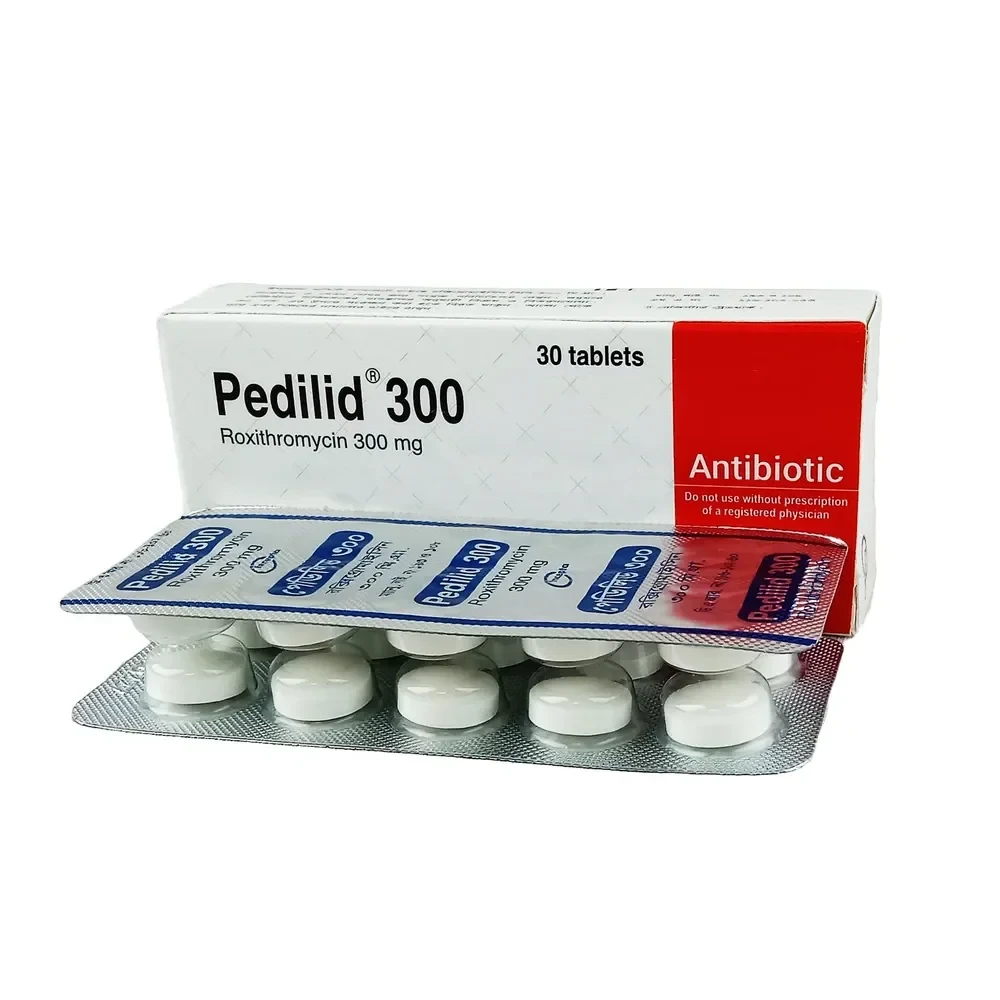
1. What is Rolid Tablet 300 mg?
Rolid Tablet 300 mg is an antibiotic belonging to the macrolide class. It is used to treat bacterial infections by inhibiting the growth of bacteria.
2. What type of infections does Rolid Tablet 300 mg treat?
Rolid Tablet 300 mg is commonly used to treat respiratory tract infections, skin infections, ear infections, and certain types of bacterial throat infections.
3. How does Rolid Tablet 300 mg work?
Rolid Tablet 300 mg works by inhibiting bacterial protein synthesis, preventing bacteria from multiplying and helping to eliminate the infection.
4. How is Rolid Tablet 300 mg taken?
Rolid Tablet 300 mg is usually taken orally, either in tablet form or as a suspension. It is typically taken once or twice a day, with or without food.
5. What is the usual dosage of Rolid Tablet 300 mg?
The usual dosage of Rolid Tablet 300 mg is 150 mg to 300 mg per day, depending on the type and severity of the infection. Always follow the dosage prescribed by your doctor.
6. Can Rolid Tablet 300 mg be used for sore throat?
Yes, Rolid Tablet 300 mg can be used to treat bacterial throat infections, including sore throat caused by Streptococcus bacteria.
7. Can Rolid Tablet 300 mg treat pneumonia?
Yes, Rolid Tablet 300 mg is effective in treating pneumonia, especially bacterial pneumonia caused by susceptible organisms.
8. Can I drink alcohol while taking Rolid Tablet 300 mg?
It is best to avoid alcohol while taking Rolid Tablet 300 mg, as it may increase the risk of side effects like stomach upset or dizziness.
9. How long should I take Rolid Tablet 300 mg?
The duration of treatment depends on the infection being treated. Typically, Rolid Tablet 300 mg is taken for 5 to 10 days, but your doctor will provide specific instructions.
10. What are the common side effects of Rolid Tablet 300 mg?
Common side effects of Rolid Tablet 300 mg include:
- Stomach upset
- Diarrhea
- Nausea
- Headache
11. Can Rolid Tablet 300 mg cause an allergic reaction?
Yes, although rare, some people may experience allergic reactions to Rolid Tablet 300 mg, including rashes, itching, and difficulty breathing. Seek medical attention if you experience these symptoms.
12. Can Rolid Tablet 300 mg be used for ear infections?
Yes, Rolid Tablet 300 mg is often prescribed for ear infections (otitis media) caused by susceptible bacteria.
13. Can Rolid Tablet 300 mg be used for skin infections?
Yes, Rolid Tablet 300 mg can treat certain skin infections like impetigo or cellulitis caused by bacteria.
14. Can Rolid Tablet 300 mg be taken during pregnancy?
Rolid Tablet 300 mg should only be used during pregnancy if prescribed by a doctor. It is classified as a pregnancy category C drug, meaning the risks and benefits should be evaluated by a healthcare provider.
15. Is Rolid Tablet 300 mg safe for children?
Yes, Rolid Tablet 300 mg can be prescribed to children, but the dosage is based on the child's age and weight. Always consult a pediatrician before giving this medication to a child.
16. Can Rolid Tablet 300 mg be used for a cold or the flu?
No, Rolid Tablet 300 mg is not effective against viral infections like the common cold or flu. It only works against bacterial infections.
17. What should I do if I miss a dose of Rolid Tablet 300 mg?
If you miss a dose, take it as soon as you remember. If it is almost time for your next dose, skip the missed dose and continue with your regular schedule. Do not take two doses at once.
18. Can Rolid Tablet 300 mg be taken with other medications?
Rolid Tablet 300 mg can interact with other medications, such as certain antihistamines, blood thinners, and antifungals. Always inform your doctor about all the medications you are taking.
19. Can I stop taking Rolid Tablet 300 mg once I feel better?
No, you should complete the full course of treatment, even if you start feeling better. Stopping the medication early can lead to the infection returning or developing antibiotic resistance.
20. Can Rolid Tablet 300 mg cause stomach upset?
Yes, stomach upset, including nausea, vomiting, and diarrhea, is a common side effect of Rolid Tablet 300 mg. Taking the medication with food may help reduce these symptoms.
21. Can Rolid Tablet 300 mg be used for bronchitis?
Yes, Rolid Tablet 300 mg can be used to treat bacterial bronchitis, especially when the infection is caused by susceptible bacteria.
22. Can Rolid Tablet 300 mg interact with grapefruit?
Yes, grapefruit can interfere with the metabolism of Rolid Tablet 300 mg and increase the risk of side effects. It is best to avoid grapefruit while taking this medication.
23. How should I store Rolid Tablet 300 mg?
Store Rolid Tablet 300 mg in a cool, dry place, away from heat and moisture. Keep it out of reach of children.
24. What should I do if I overdose on Rolid Tablet 300 mg?
If you suspect an overdose, seek immediate medical attention. Symptoms of an overdose may include severe stomach pain, vomiting, and diarrhea.
25. Can Rolid Tablet 300 mg cause liver problems?
In rare cases, Rolid Tablet 300 mg may cause liver damage, leading to symptoms like yellowing of the skin or eyes. If you experience these symptoms, contact your doctor immediately.
26. Can Rolid Tablet 300 mg treat strep throat?
Yes, Rolid Tablet 300 mg can be used to treat strep throat caused by Streptococcus bacteria, especially in patients who are allergic to penicillin.
27. Does Rolid Tablet 300 mg cause dizziness?
Rolid Tablet 300 mg may cause dizziness or lightheadedness, particularly if you are dehydrated or taking other medications. Avoid driving if you feel dizzy.
28. Can I use Rolid Tablet 300 mg for a sinus infection?
Yes, Rolid Tablet 300 mg may be prescribed for bacterial sinus infections, especially if the infection is caused by susceptible bacteria.
29. Can Rolid Tablet 300 mg be used for tuberculosis (TB)?
No, Rolid Tablet 300 mg is not used to treat tuberculosis. Specific antibiotics are required to treat TB, and a healthcare provider will prescribe the appropriate treatment.
30. What are the contraindications of Rolid Tablet 300 mg?
Rolid Tablet 300 mg should not be used in patients with a history of allergic reactions to macrolide antibiotics or certain other conditions. Always consult your doctor before starting treatment.
31. Can Rolid Tablet 300 mg be taken with food?
Yes, Rolid Tablet 300 mg can be taken with or without food. However, taking it with food may help reduce stomach upset.
32. Can Rolid Tablet 300 mg cause skin rashes?
Yes, skin rashes are a possible side effect of Rolid Tablet 300 mg. If you develop a rash, consult your doctor for further evaluation.
33. How does Rolid Tablet 300 mg compare to other antibiotics?
Rolid Tablet 300 mg is a macrolide antibiotic and works similarly to other antibiotics in its class, such as azithromycin and clarithromycin. However, each antibiotic may have different effectiveness against certain bacteria.
34. Can Rolid Tablet 300 mg be used for UTI (Urinary Tract Infection)?
Rolid Tablet 300 mg is not the first-line treatment for urinary tract infections, but it may be used if the infection is caused by susceptible bacteria.
35. Is Rolid Tablet 300 mg effective against resistant bacteria?
Rolid Tablet 300 mg is effective against many common bacteria but may not work against resistant strains. Your healthcare provider may prescribe a different antibiotic if resistance is suspected.
36. Can I take Rolid Tablet 300 mg if I have kidney problems?
If you have kidney problems, consult your doctor before using Rolid Tablet 300 mg. They may need to adjust the dosage or monitor you closely for side effects.
37. Can Rolid Tablet 300 mg be used for acne?
Rolid Tablet 300 mg is sometimes used to treat acne caused by bacterial infections, particularly in patients who do not respond to other treatments.
38. Can I use Rolid Tablet 300 mg if I have a history of heart disease?
Consult your healthcare provider if you have a history of heart disease. Macrolide antibiotics like Rolid Tablet 300 mg may increase the risk of heart problems in some patients.
39. Can I take Rolid Tablet 300 mg with other antibiotics?
Rolid Tablet 300 mg may interact with certain antibiotics. Always inform your healthcare provider about other medications you are taking to avoid potential drug interactions.
40. How soon will I feel better after starting Rolid Tablet 300 mg?
Most patients start to feel better within a few days of starting treatment, but it is important to complete the full course of antibiotics as prescribed.
41. Can Rolid Tablet 300 mg be used to treat dental infections?
Yes, Rolid Tablet 300 mg can be used to treat certain dental infections caused by susceptible bacteria.
42. Can Rolid Tablet 300 mg cause gastrointestinal problems?
Gastrointestinal issues, such as diarrhea and nausea, are common side effects of Rolid Tablet 300 mg. If these symptoms are severe, consult your doctor.
43. Can I use Rolid Tablet 300 mg for bacterial conjunctivitis?
Rolid Tablet 300 mg may be used to treat bacterial conjunctivitis, though topical antibiotics are typically preferred for eye infections.
44. Can Rolid Tablet 300 mg cause drowsiness?
Rolid Tablet 300 mg does not typically cause drowsiness, but some individuals may feel fatigued as a side effect. Always use caution when performing tasks that require alertness.
45. Can Rolid Tablet 300 mg be used for viral infections?
No, Rolid Tablet 300 mg is not effective against viral infections like the flu or cold. It is only used for bacterial infections.
46. What are the signs of a Rolid Tablet 300 mg overdose?
Signs of an overdose may include severe nausea, vomiting, and diarrhea. If you suspect an overdose, seek medical attention immediately.
47. Can I take Rolid Tablet 300 mg if I have liver disease?
If you have liver disease, consult your doctor before using Rolid Tablet 300 mg. Your doctor may need to adjust your dosage or monitor you more closely.
48. Is Rolid Tablet 300 mg available over the counter?
No, Rolid Tablet 300 mg is a prescription medication and should be taken only under the guidance of a healthcare provider.
49. Can I take Rolid Tablet 300 mg while breastfeeding?
Consult your doctor before taking Rolid Tablet 300 mg while breastfeeding, as it can pass into breast milk.