Introduction
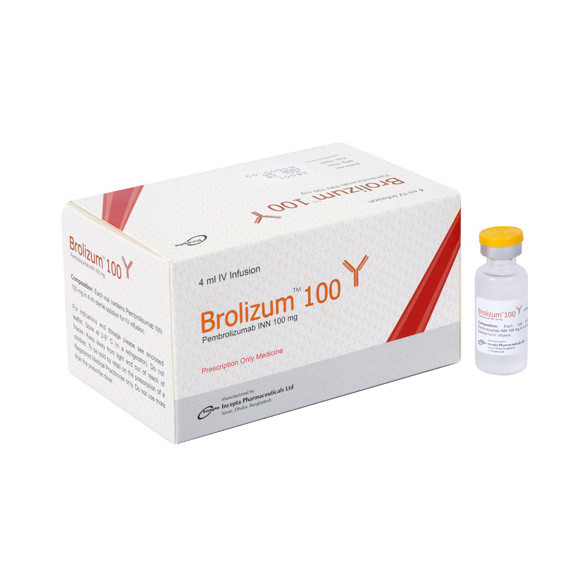
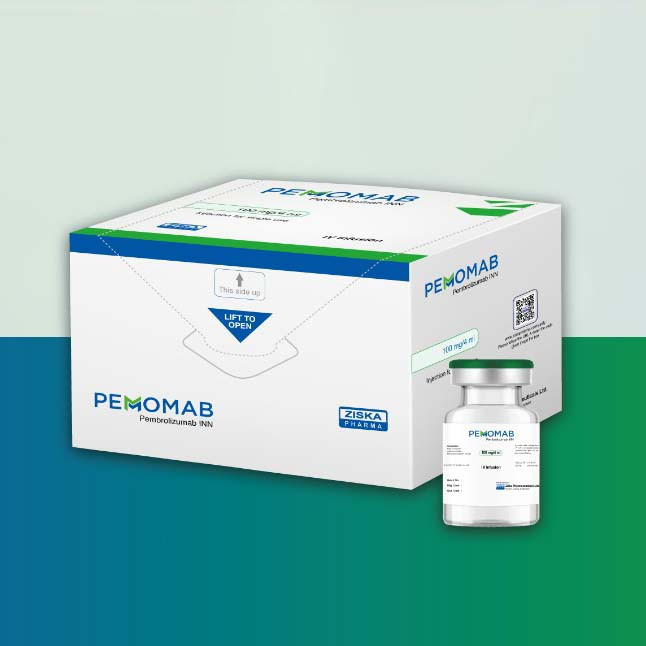
Pemroluma IV Infusion 100 mg/4 ml is a monoclonal antibody that is used in cancer immunotherapy. It is designed to inhibit the programmed cell death protein 1 (PD-1) receptor on T-cells. By blocking PD-1, pembrolizumab enhances the immune system's ability to recognize and attack cancer cells.
Uses
Pemroluma IV Infusion 100 mg/4 ml is used in the treatment of various cancers, including:
- Non-Small Cell Lung Cancer (NSCLC): For patients with advanced or metastatic disease.
- Melanoma: For patients with unresectable or metastatic melanoma.
- Head and Neck Squamous Cell Carcinoma (HNSCC): For patients with recurrent or metastatic disease.
- Hodgkin Lymphoma: For patients with relapsed or refractory Hodgkin lymphoma.
- Urothelial Carcinoma: For patients with advanced or metastatic bladder cancer.
- Other Cancers: Pemroluma IV Infusion 100 mg/4 ml may also be used in the treatment of other cancers, depending on individual patient characteristics and specific indications.
| Brand Name | Pemroluma |
|---|---|
| Type | IV Infusion |
| Weight | 100 mg/4 ml |
| Generic | Pembrolizumab |
| Manufacturer | Healthcare Pharmaceuticals Ltd. |
| Available in | English বাংলা |
Mechanism of Action
Pemroluma IV Infusion 100 mg/4 ml works by binding to the PD-1 receptor on T-cells. The PD-1 receptor, when activated, inhibits T-cell activation and proliferation. By blocking PD-1, pembrolizumab prevents this inhibitory signal, allowing T-cells to remain active and enhance the immune system's ability to attack cancer cells.
How Long Does It Take to Work?
Response times to pembrolizumab can vary. Some patients may begin to see a response within 6 to 8 weeks of starting treatment, but it may take several months to observe a significant clinical benefit. The time to response can depend on the type and stage of cancer being treated.
Absorption
Pemroluma IV Infusion 100 mg/4 ml is administered via intravenous (IV) infusion. Following infusion, it is distributed throughout the body, with peak plasma concentrations typically achieved within a few hours of administration.
Route of Elimination
Pemroluma IV Infusion 100 mg/4 ml is primarily cleared from the body through a combination of hepatic (liver) and renal (kidney) pathways. It is metabolized by proteolytic enzymes and excreted in the urine and feces.
Dosage
- Melanoma: 200 mg every 3 weeks
- NSCLC: 200 mg every 3 weeks
- SCLC: 200 mg every 3 weeks
- HNSCC: 200 mg every 3 weeks
- cHL or PMBCL: 200 mg every 3 weeks for adults; 2 mg/kg (up to 200 mg) every 3 weeks for pediatrics
- Urothelial Carcinoma: 200 mg every 3 weeks
- MSI-H Cancer: 200 mg every 3 weeks for adults and 2 mg/kg (up to 200 mg) every 3 weeks for pediatrics
- Gastric Cancer: 200 mg every 3 weeks
- Esophageal Cancer: 200 mg every 3 weeks
- Cervical Cancer: 200 mg every 3 weeks
- HCC: 200 mg every 3 weeks
- MCC: 200 mg every 3 weeks for adults; 2 mg/kg (up to 200 mg) every 3 weeks for pediatrics
- RCC: 200 mg every 3 weeks with axitinib 5 mg orally twice daily
- Endometrial Carcinoma: 200 mg every 3 weeks with lenvatinib 20 mg orally once daily for tumors that are not MSI-H or dMMR.
The recommended dosage of pembrolizumab varies based on the type of cancer being treated:
- Non-Small Cell Lung Cancer (NSCLC): 200 mg administered every 3 weeks.
- Melanoma: 200 mg administered every 3 weeks.
- Head and Neck Squamous Cell Carcinoma (HNSCC): 200 mg administered every 3 weeks.
- Hodgkin Lymphoma: 200 mg administered every 3 weeks.
- Urothelial Carcinoma: 200 mg administered every 3 weeks.
Dosing regimens may be adjusted based on patient response and tolerability.
Administration
Pemroluma IV Infusion 100 mg/4 ml is administered intravenously over a period of approximately 30 minutes. It is typically given in a healthcare setting under the supervision of a healthcare provider experienced in administering immunotherapy.
Side Effects
Common side effects of pembrolizumab include:
- Fatigue: Common among patients undergoing treatment.
- Rash: Skin reactions may occur.
- Diarrhea: Gastrointestinal disturbances are possible.
- Pruritus: Itching may occur.
- Fever: Elevated body temperature is a reported side effect.
Serious side effects may include immune-mediated adverse events, such as pneumonitis, colitis, hepatitis, and endocrinopathies.
Toxicity
Toxicity can include severe immune-mediated adverse effects. Monitoring for signs of severe reactions and prompt intervention is essential. Healthcare providers will assess risks based on individual patient profiles.
Precautions
Precautions include:
- Immune-Mediated Adverse Effects: Regular monitoring for signs of pneumonitis, colitis, hepatitis, or endocrinopathies.
- Pre-existing Conditions: Use with caution in patients with pre-existing autoimmune disorders or those receiving concurrent immunosuppressive therapy.
- Infections: Monitor for infections and manage appropriately.
Interaction
Pemroluma IV Infusion 100 mg/4 ml may interact with other immunosuppressive therapies or medications that affect the immune system. Inform healthcare providers of all medications and supplements being used.
Disease Interaction
Patients with active autoimmune diseases or a history of autoimmune disorders may be at increased risk for severe immune-mediated adverse effects. Treatment should be carefully monitored and adjusted as needed.
Drug Interaction
Potential interactions with other drugs, especially those that affect the immune system or may cause immune suppression, should be considered. Coordination with a healthcare provider is necessary to manage potential interactions.
Food Interactions
There are no specific food interactions with pembrolizumab. It can be administered with or without food.
Pregnancy Use
Pemroluma IV Infusion 100 mg/4 ml should be used during pregnancy only if clearly needed. The safety of pembrolizumab in pregnant women has not been well established, and it may harm the fetus. Consult with a healthcare provider for risk assessment and alternative options.
Lactation Use
The effects of pembrolizumab on breastfeeding are not well-documented. Use with caution, and consult a healthcare provider for guidance. It may be necessary to avoid breastfeeding while receiving treatment.
Acute Overdose
In case of acute overdose, symptoms may not be immediately apparent. Monitoring and supportive care should be provided. The management of overdose involves symptomatic treatment and close observation.
Contraindication
Pemroluma IV Infusion 100 mg/4 ml is contraindicated in individuals with hypersensitivity to the drug or any of its components. It should be avoided in patients with severe immune-mediated adverse effects from previous treatments.
Use Direction
Follow the specific dosing and administration instructions provided by the healthcare provider. Ensure proper preparation and administration techniques for intravenous infusion.
Storage Conditions
Store pembrolizumab in the refrigerator at 2°C to 8°C (36°F to 46°F). Do not freeze. Protect from light and keep in the original packaging. Once prepared for infusion, it should be used immediately or stored according to specific guidelines.
Volume of Distribution
The volume of distribution for pembrolizumab is approximately 6 to 8 L, reflecting its distribution in the body and tissue penetration.
Half Life
The half-life of pembrolizumab is approximately 26 days. This extended half-life allows for less frequent dosing compared to some other therapies.
Clearance
Pemroluma IV Infusion 100 mg/4 ml is cleared from the body through a combination of hepatic and renal pathways. Its clearance rate is influenced by factors such as patient health status and concurrent medications.
See in details version Pemroluma IV Infusion 100 mg/4 ml also Pemroluma IV Infusion 100 mg/4 ml in bangla
Some Frequently Asked Questions About Pemroluma IV Infusion 100 mg/4 ml



Dr. Nazim Uddin Md. Arif
Urology (Kidney, Ureters, Bladder, Prostate) Specialist & Surgeon