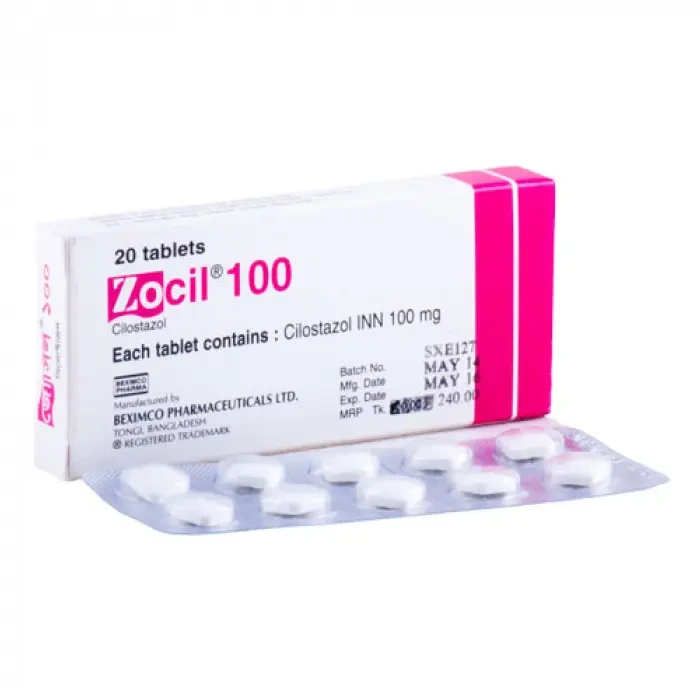
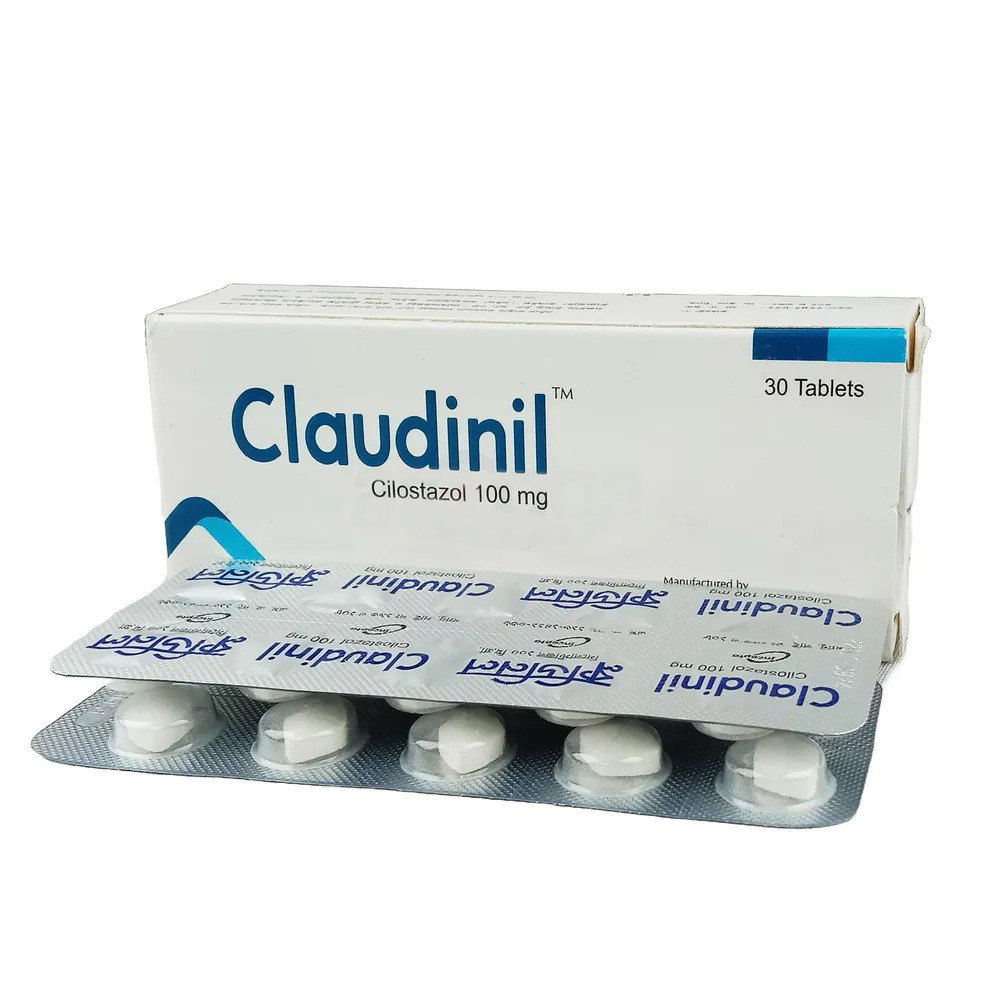
Introduction
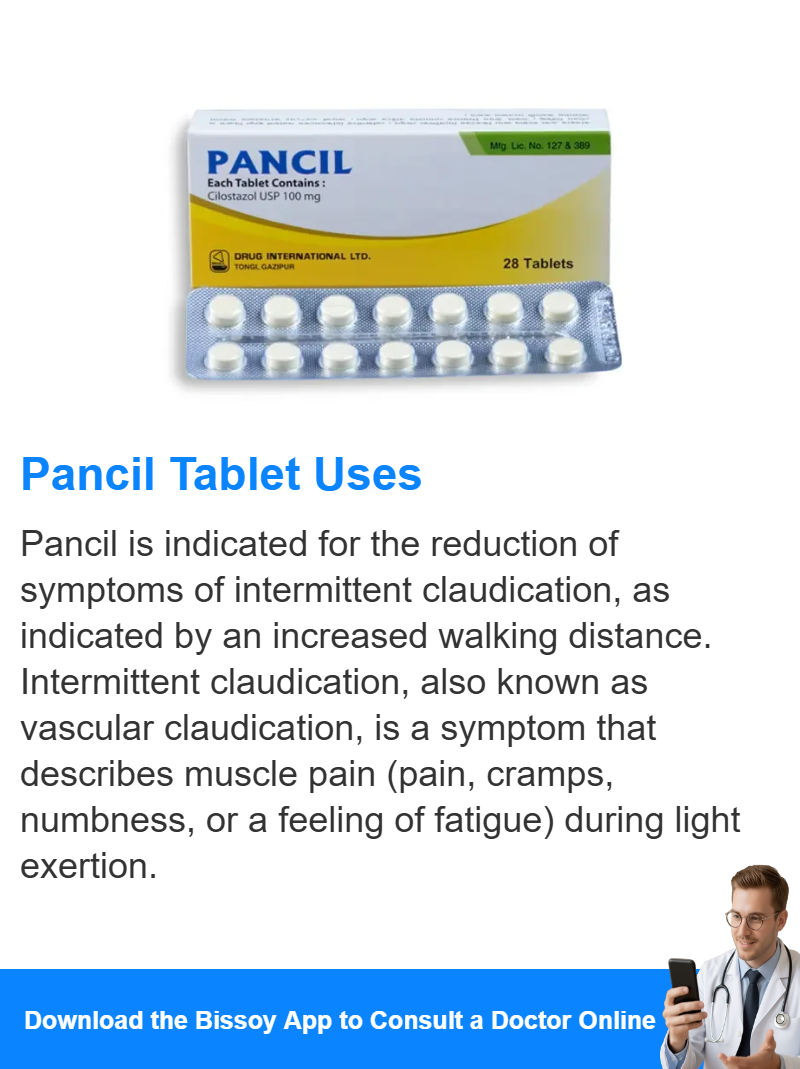
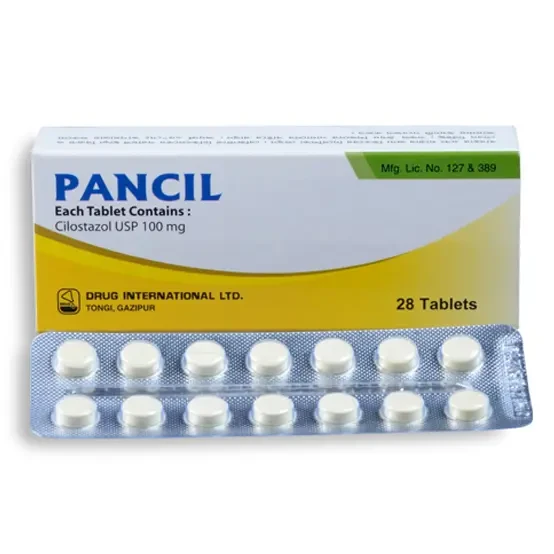
Pancil Tablet 100 mg is a quinolinone derivative and antiplatelet agent with vasodilating properties that has been used in the symptomatic treatment of intermittent claudication in patients with peripheral ischaemia. Pancil Tablet 100 mg works by inhibiting both primary and secondary aggregation and reducing calcium-induced contractions.
Uses
Pancil Tablet 100 mg is an antiplatelet agent and vasodilator used for the symptomatic relief of intermittent claudication.
Indicated for the alleviation of symptoms of intermittent claudication (pain in the legs that occurs with walking and disappears with rest).
Associated Conditions
Pharmacodynamics
Pancil Tablet 100 mg reduces the symptoms of intermittent claudication, as indicated by an increased walking distance. Intermittent claudication is pain in the legs that occurs with walking and disappears with rest. The pain occurs due to reduced blood flow to the legs.
Mechanism of Action
Pancil Tablet 100 mg and several of its metabolites are cyclic AMP (cAMP) phosphodiesterase III inhibitors (PDE III inhibitors), inhibiting phosphodiesterase activity and suppressing cAMP degradation with a resultant increase in cAMP in platelets and blood vessels, leading to inhibition of platelet aggregation and vasodilation.
Absorption
Pancil Tablet 100 mg is absorbed after oral administration. A high fat meal increases absorption, with an approximately 90% increase in Cmax and a 25% increase in AUC. Absolute bioavailability is not known.
Protein Binding
95-98%
Route of Elimination
Pancil Tablet 100 mg is extensively metabolized by hepatic cytochrome P-450 enzymes, mainly 3A4, and, to a lesser extent, 2C19, with metabolites largely excreted in urine. Pancil Tablet 100 mg is eliminated predominately by metabolism and subsequent urinary excretion of metabolites. The primary route of elimination was via the urine (74%), with the remainder excreted in feces (20%). No measurable amount of unchanged cilostazol was excreted in the urine, and less than 2% of the dose was excreted as 3,4-dehydro-cilostazol. About 30% of the dose was excreted in urine as 4'-trans-hydroxy-cilostazol.
Half Life
11-13 hours.
Toxicity
Information on acute overdosage with cilostazol in humans is limited. The signs and symptoms of an acute overdose can be anticipated to be those of excessive pharmacologic effect: severe headache, diarrhea, hypotension, tachycardia, and possibly cardiac arrhythmias. The oral LD50 of cilostazol is >5.0 g/kg in mice and rats and >2.0 g/kg in dogs.
Food Interactions
- Avoid grapefruit products.
- Take on an empty stomach. A high fat meal will increase absorption.
Dosage
Pediatric use: The safety and effectiveness of Pancil Tablet 100 mg in pediatric patients have not been established.