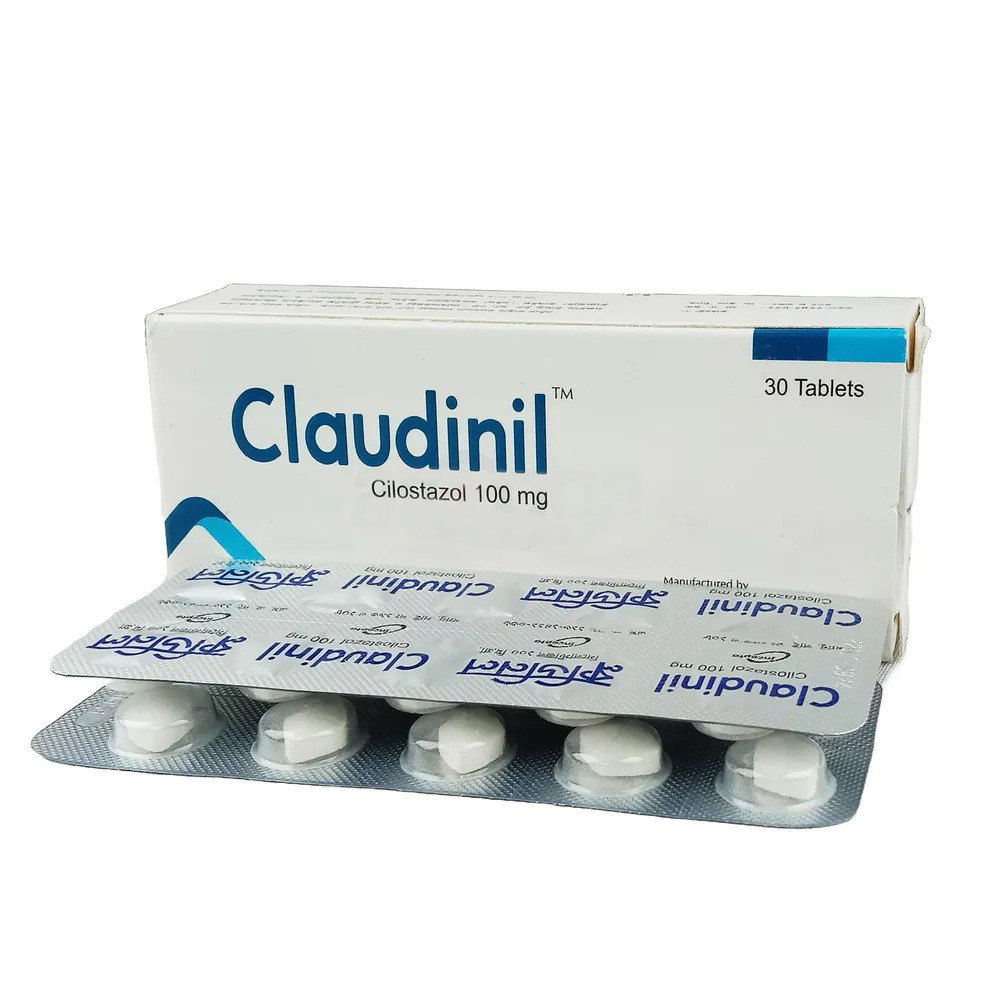
Introduction

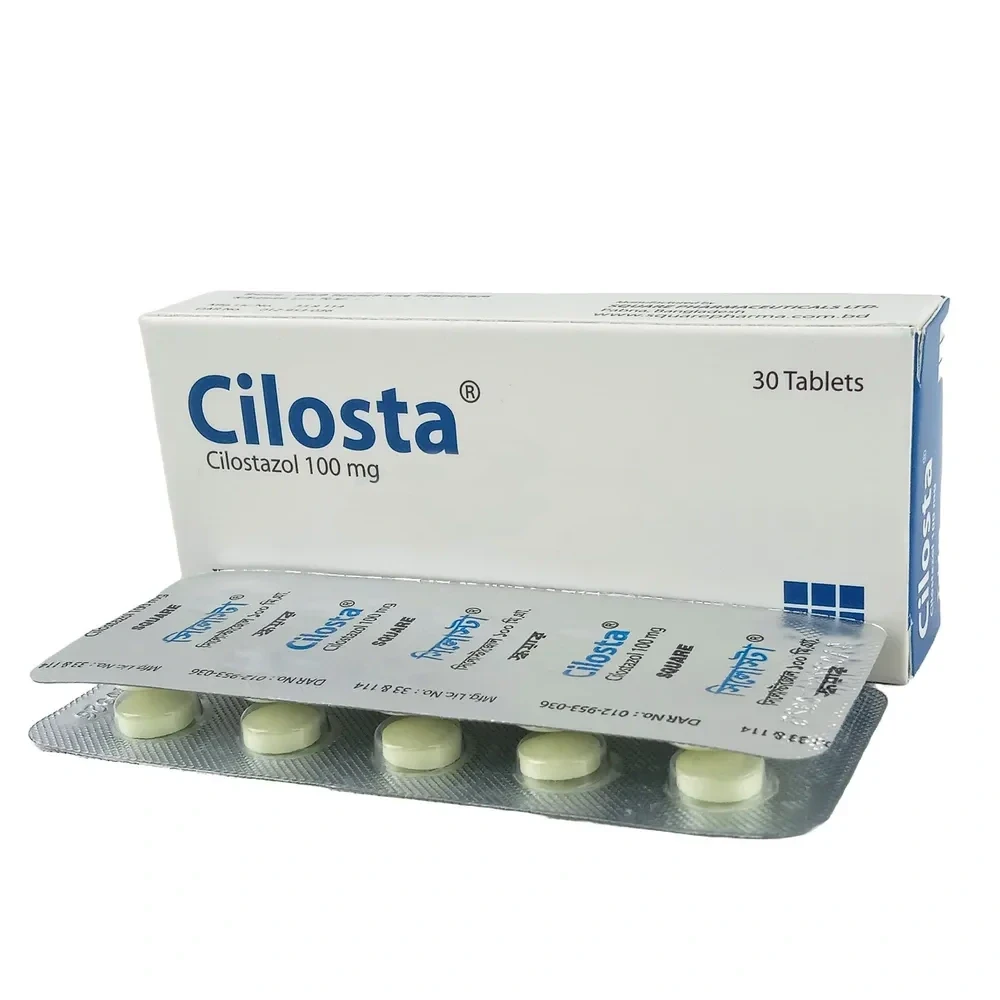
Cilosta Tablet 100 mg is a phosphodiesterase III (PDE3) inhibitor that is primarily used to treat intermittent claudication, a condition caused by reduced blood flow to the legs leading to pain and discomfort during walking. It has vasodilatory and antiplatelet effects, helping to improve blood flow and reduce symptoms associated with peripheral arterial disease (PAD).

Uses

Cilosta Tablet 100 mg is used for:

  • Treatment of intermittent claudication in patients with peripheral arterial disease (PAD).
  • Improving walking distance and mobility in patients with intermittent claudication.

Brand Name Cilosta
Type Tablet
Weight 100 mg
Generic Cilostazol
Manufacturer Square Pharmaceuticals Ltd.
Available in English বাংলা

Mechanism of Action

Cilosta Tablet 100 mg inhibits phosphodiesterase III (PDE3), leading to increased levels of cyclic adenosine monophosphate (cAMP) in platelets and blood vessels. This results in vasodilation (widening of blood vessels) and inhibition of platelet aggregation. By preventing platelets from clumping together and improving blood flow, Cilosta Tablet 100 mg helps to alleviate the symptoms of intermittent claudication.

How Long Does It Take to Work?

The therapeutic effects of Cilosta Tablet 100 mg, particularly improvement in walking distance and reduction in symptoms of intermittent claudication, may take 2 to 4 weeks to become noticeable. However, full effects may require 12 weeks or more of consistent treatment.

Absorption

Cilosta Tablet 100 mg is rapidly absorbed after oral administration, with peak plasma concentrations occurring within 2 to 4 hours. Its absorption is enhanced by food, particularly high-fat meals, which increase drug exposure by up to 90%.

Route of Elimination

Cilosta Tablet 100 mg is metabolized extensively in the liver, primarily by cytochrome P450 enzymes (CYP3A4 and CYP2C19). The drug and its metabolites are eliminated via the urine (around 74%) and feces (around 20%).

Dosage

The recommended dosage of Cilostazol is 100 mg bid, taken at least half an hour before or two hours after breakfast and dinner. A dose of 50 mg bid should be considered during coadministration of Fluconazole, Ketoconazole, Itraconazole, Erythromycin, Clarithromycin, Fluvoxamine, Fluoxetine, Nefazodone, Sertraline and Diltiazem.

Pediatric use: The safety and effectiveness of Cilostazol in pediatric patients have not been established.
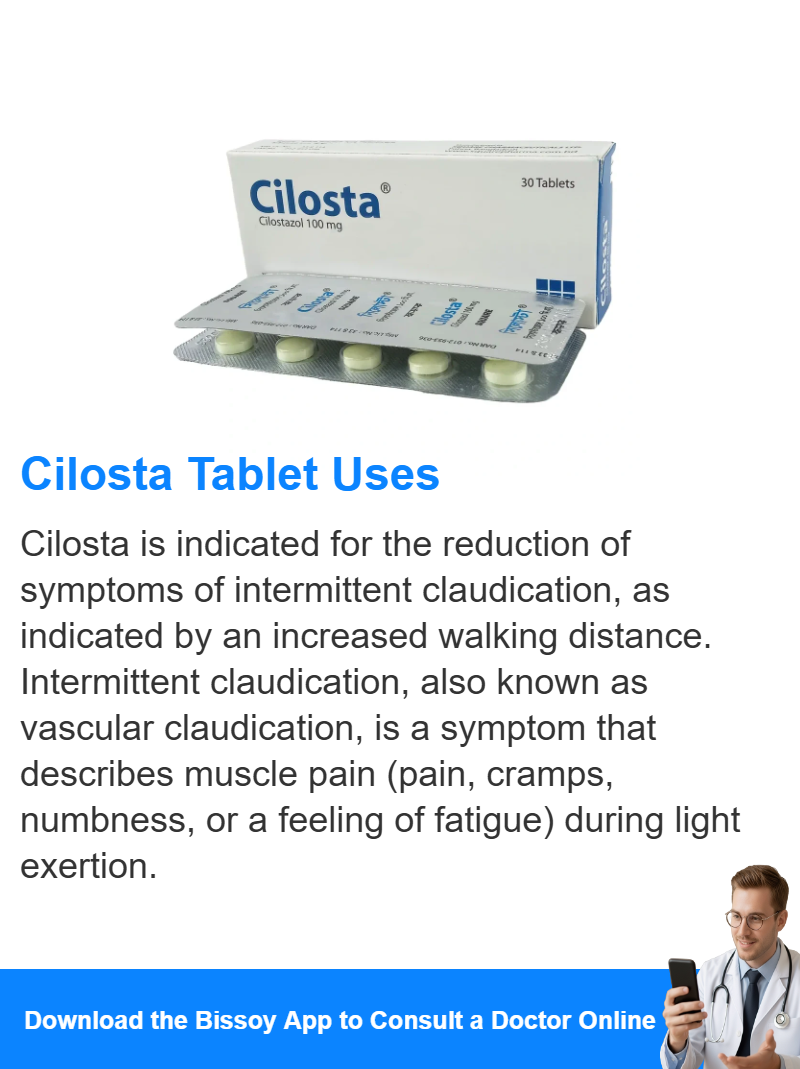
The recommended dosage of Cilosta Tablet 100 mg for the treatment of intermittent claudication is 100 mg twice daily. Dosage adjustments may be required in patients taking certain medications that affect the metabolism of Cilosta Tablet 100 mg. It should be taken 30 minutes before or 2 hours after meals to minimize food interactions.

Administration

Cilosta Tablet 100 mg is administered orally in the form of tablets. It should be taken on an empty stomach, 30 minutes before or 2 hours after a meal, to ensure optimal absorption and therapeutic effect. The treatment regimen should be followed consistently to achieve the desired improvement in walking distance and reduction in symptoms.

Side Effects

Common side effects of Cilosta Tablet 100 mg include:

  • Headache
  • Diarrhea
  • Dizziness
  • Palpitations
  • Peripheral edema (swelling of the legs)
Serious side effects may include:
  • Tachycardia (fast heart rate)
  • Bleeding
  • Thrombocytopenia (low platelet count)

Toxicity

In cases of overdose, symptoms of Cilosta Tablet 100 mg toxicity may include severe hypotension (low blood pressure), tachycardia, and gastrointestinal symptoms. Supportive care and symptomatic treatment are typically employed in the management of overdose.

Precautions

Cilosta Tablet 100 mg should be used with caution in patients with:

  • Congestive heart failure, as it may exacerbate symptoms.
  • Liver or renal impairment, due to altered drug metabolism and excretion.
Caution should also be exercised in patients at risk of bleeding, as Cilosta Tablet 100 mg has antiplatelet effects.

Interaction

Cilosta Tablet 100 mg interacts with various drugs that affect its metabolism, including:

  • CYP3A4 inhibitors (e.g., ketoconazole, erythromycin), which may increase Cilosta Tablet 100 mg levels.
  • CYP2C19 inhibitors (e.g., omeprazole), which may also increase Cilosta Tablet 100 mg levels.
  • Anticoagulants and other antiplatelet agents, which may increase the risk of bleeding when used concurrently with Cilosta Tablet 100 mg.

Disease Interaction

Patients with congestive heart failure should avoid using Cilosta Tablet 100 mg due to the increased risk of adverse cardiovascular outcomes. Additionally, patients with a history of bleeding disorders or those on concurrent anticoagulant therapy should be monitored closely for bleeding complications.

Drug Interaction

Cilosta Tablet 100 mg may interact with drugs such as:

  • Ketoconazole and erythromycin (CYP3A4 inhibitors), increasing its plasma concentration.
  • Omeprazole (CYP2C19 inhibitor), increasing its plasma concentration.
  • Warfarin and aspirin, increasing the risk of bleeding when used concurrently.

Food Interactions

Taking Cilosta Tablet 100 mg with food, particularly a high-fat meal, increases drug absorption and exposure. To minimize variability in drug levels, it is recommended that Cilosta Tablet 100 mg be taken on an empty stomach, 30 minutes before or 2 hours after a meal.

Pregnancy Use

Cilosta Tablet 100 mg is classified as pregnancy category C. It should be used during pregnancy only if the potential benefit justifies the potential risk to the fetus. Adequate and well-controlled studies in pregnant women are lacking.

Lactation Use

It is unknown whether Cilosta Tablet 100 mg is excreted in human breast milk. Caution should be exercised when administering Cilosta Tablet 100 mg to nursing women, and the potential risks and benefits should be considered before use.

Acute Overdose

In cases of acute overdose, symptoms may include severe hypotension, tachycardia, and gastrointestinal disturbances. Management of overdose involves symptomatic treatment and supportive care. Activated charcoal may be considered if the overdose is recognized early.

Contraindication

Cilosta Tablet 100 mg is contraindicated in patients with:

  • Congestive heart failure of any severity (due to increased mortality risk).
  • Known hypersensitivity to Cilosta Tablet 100 mg or any of its components.

Use Direction

Cilosta Tablet 100 mg should be taken twice daily on an empty stomach, 30 minutes before or 2 hours after meals. Patients should adhere to the prescribed dosing schedule and continue treatment for several weeks to experience the full therapeutic benefit. Regular monitoring and follow-up with a healthcare provider are essential.

Storage Conditions

Store Cilosta Tablet 100 mg at room temperature, between 20°C and 25°C (68°F and 77°F). Protect it from moisture and light. Keep it out of reach of children.

Volume of Distribution

The volume of distribution of Cilosta Tablet 100 mg is approximately 115 L, indicating moderate distribution into body tissues.

Half Life

Cilosta Tablet 100 mg has a half-life of approximately 11 to 13 hours. Its active metabolites have similar half-lives.

Clearance

The total body clearance of Cilosta Tablet 100 mg is approximately 18 L/h. The drug is primarily cleared through hepatic metabolism, with its metabolites excreted via the urine and feces.

See in details version Cilosta Tablet 100 mg also Cilosta Tablet 100 mg in bangla

Social card

Uses

Some Frequently Asked Questions About Cilosta Tablet 100 mg

*** Taking medicines without doctor's advice can cause long-term problems.
Prof. Dr. Kohinoor Akhtar

Prof. Dr. Kohinoor Akhtar

Gynecology, Obstetrics Specialist & Surgeon

Call Doctor
Dr. Abu Sayeed Mohammad Iqbal

Dr. Abu Sayeed Mohammad Iqbal

Newborn, Child Diseases & Neonatal ICU Specialist

Call Doctor
Dr. Md Shagar Azad

Dr. Md Shagar Azad

Orthopedics (Bone, Joint, Trauma, Sports Injury) Specialist & Surgeon

Call Doctor
Related Medicines