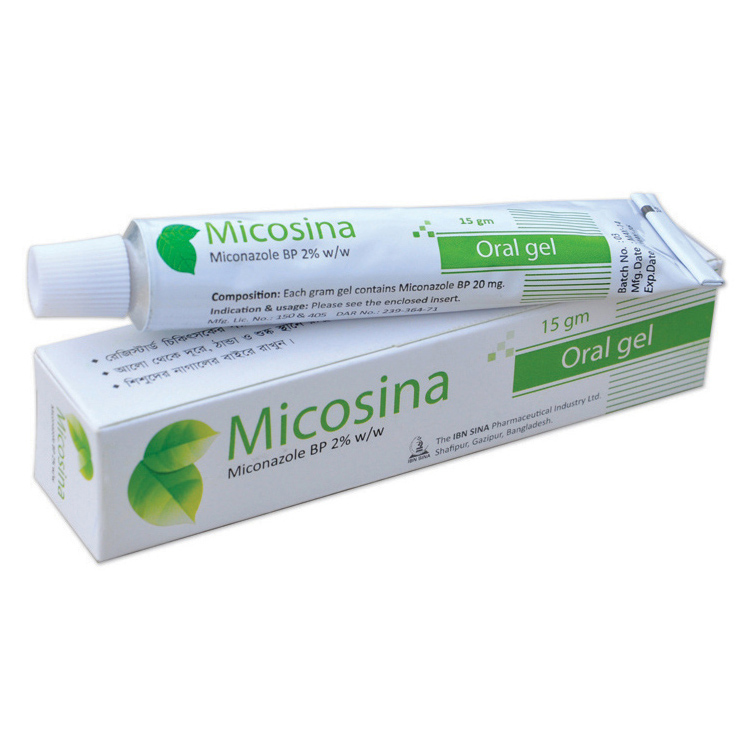
Myco OG Oral Gel 2% w/w

Miconazole nitrate is an antifungal topical medication that has been used to treat fungal skin infections. It is available as a topical ointment or topical cream. It works by preventing the growth and spread of fungus. Miconazole nitrate is also used for treating diaper rash, yeast infections, oral thrush, and jock itch.

Uses For

Miconazole nitrate is commonly used to treat fungal inflammatory skin conditions such as athlete's foot, jock itch, and ringworm. It is also used to treat candida albicans infections such as oral thrush, diaper rash, and vaginal yeast infections. It may also be used to treat other fungal infections such as pityriasis versicolor and tinea cruris.

Brand Name Myco OG
Type Oral Gel
Weight 2% w/w
Generic Miconazole Nitrate
Manufacturer Pharmasia Limited
Available in English বাংলা

Mechanism of Action

Miconazole nitrate works by inhibiting the growth of fungi. It blocks the synthesis of ergosterol, an essential component of the cell membrane in fungi. This leads to the disruption of the cell membrane, preventing the fungi from replicating and growing. The disruption of the cell membrane can ultimately lead to the death of the fungi.

How Long Does it Take to Work?

The effects of miconazole nitrate can be seen in as little as one day, but it may take several days or weeks to treat a full infection. The length of time needed for the medication to show its effects depends on the severity of the infection, the type of fungi, and the response of the patient to the medication.

Absorption

When applied topically miconazole nitrate is absorbed through the skin and exerts its antifungal action. Systemic absorption of miconazole nitrate is minimal when used as directed. The amount of systemic absorption is increased with the application to large skin areas or open wounds, or if accidentally ingested.

Route of Elimination

Miconazole nitrate is eliminated from the body primarily through the urine. Small amounts can be found in feces, sweat, and saliva.

Dosage

Miconazole Oral Gel-
Oropharyngeal candidosis-
  • Infants 4-24 months: 1.25 ml (1⁄4 measuring spoon) of gel, applied 4 times day after meals.
  • Adult and children 2 years of age and older: 2.5 ml (1⁄2 measuring spoon) of gel, applied 4 times a day after meals.
Gastrointestinal tract candidosis-
  • Infants (4 months of age or above): Children and adults who have difficulty swallowing tablets: 20 mg per kg body weight per day, in four divided doses. The daily dose should not exceed 250 mg (10 ml gel) four times daily.
Missed Dose: Apply the missed dose as soon as you remember. In case of next dosing time, omit the missed
dose and continue your usual course.

Miconazole Cream: Sufficient Miconazole Cream should be applied to cover affected areas twice daily (morning and evening) in patients with tinea pedis, tinea cruris, tinea corporis and cutaneous candidiasis and once daily in patients with tinea versicolor. If Miconazole Cream is used in intertriginous areas it should be applied sparingly and smoothed in well to avoid maceration effects.

Early relief of symptoms (2 to 3 days) is experienced by the majority of patients and clinical improvement may be seen fairly soon after treatment is begun.All lesions usually disappear after 2 to 5 weeks.Prolong treatment for 10 days to prevent relapse. However, Candida infections, tinea cruris and corporis should be treated for two weeks and tinea pedis for one month in order to reduce the possibility of recurrence.


The recommended dosage of miconazole nitrate depends on the type and severity of the infection. For topical application the usual recommended dose is a thin layer applied two to three times a day. The cream or lotion may be applied to the affected area and covered with a bandage. For thrush, the tablet may be dissolved in a glass of water and the solution used for rinsing the affected area. For vaginal yeast infections, the tablet may be inserted into the vagina. The tablet may be inserted one to three times daily, depending on the severity of the infection.

Administration

Miconazole nitrate is available as a topical cream, ointment, or lotion, and tablets and may be administered by topical or oral route. The cream, ointment, or lotion should be applied directly to the affected skin area. To use the tablets, the tablets must be dissolved in a glass of water and then used for rinsing the affected area.

Side Effect

Common side effects of miconazole nitrate include burning, itching, irritation, redness and swelling of the skin. Other less common side effects include hives, rash, headache, nausea, and dizziness. If you experience any of these side effects, contact your doctor immediately.

Toxicity

Miconazole nitrate is generally considered safe when used as directed. Overdose of miconazole nitrate can cause severe symptoms such as nausea, vomiting, dizziness, and confusion. If you are concerned about an overdose, contact your doctor immediately.

Precaution

Miconazole nitrate should not be used in the eyes, nose, or mouth. The ointment and cream should not be applied to broken or inflamed skin. Make sure to thoroughly wash your hands after applying the medication. Miconazole nitrate should not be used in patients who are hypersensitive to the active ingredients or any other component of the drug.

Interaction

Miconazole nitrate may interact with other medications including oral anticoagulants, antibiotics, retinoids, steroids, or estrogens. Make sure to tell your doctor about all the medications you are taking before using miconazole nitrate.

Disease Interaction

Miconazole nitrate may interact with certain diseases such as diabetes, HIV/AIDS, or hepatic and renal impairment. Make sure to tell your doctor about any disease you have before using miconazole nitrate.

Drug Interaction

Miconazole nitrate may interact with certain drugs including anticoagulants, antibiotics, retinoids, steroids, or estrogens. Make sure to tell your doctor about all the medications you are taking before using miconazole nitrate.

Food Interactions

Miconazole nitrate may interact with certain foods including dairy, caffeine, alcohol, or certain vitamins and herbs. Make sure to discuss any food-drug interactions with your doctor before using miconazole nitrate.

Pregnancy Use

It is not recommended to use miconazole nitrate during pregnancy. If you are pregnant or planning to become pregnant, consult your doctor before using miconazole nitrate.

Lactation Use

It is not recommended to use miconazole nitrate if you are breastfeeding. The active ingredients in miconazole nitrate can be excreted in breast milk and may cause adverse reactions in the infant. Consult your doctor before using miconazole nitrate while breastfeeding.

Acute Overdose

If you overdose on miconazole nitrate, seek medical attention immediately. Symptoms of an overdose include nausea, vomiting, dizziness, or confusion.

Contraindication

Miconazole nitrate should not be used if you are hypersensitive to the active ingredients or any other component of the drug. It should also not be used in the eyes, nose, or mouth, and should not be applied to broken or inflamed skin.

Use Direction

Miconazole nitrate should be used as directed by your doctor. Make sure to thoroughly wash your hands after applying the medication and do not apply miconazole nitrate to broken or inflamed skin, eyes, nose, or mouth.

Storage Condition

Miconazole nitrate should be stored in a cool, dry place away from direct sunlight. Keep out of reach of children and pets.

Volume of Distribution

The volume of distribution of miconazole nitrate is not well defined.

Half Life

The half life of miconazole nitrate is not well defined.

Clearance

The clearance of miconazole nitrate is not well defined.

See in details version Myco OG Oral Gel 2% w/w also Myco OG Oral Gel 2% w/w in bangla

Some Frequently Asked Questions About Myco OG Oral Gel 2% w/w

1. What is Myco OG Oral Gel 2% w/w?

Myco OG Oral Gel 2% w/w is an antifungal medication used to treat a variety of fungal infections, including skin infections, vaginal yeast infections, and oral thrush.

2. How does Myco OG Oral Gel 2% w/w work?

Myco OG Oral Gel 2% w/w works by inhibiting the growth of fungi by interfering with their cell membrane, ultimately causing the destruction of the fungal cells.

3. What conditions is Myco OG Oral Gel 2% w/w used to treat?

Myco OG Oral Gel 2% w/w is used to treat:

  • Vaginal yeast infections
  • Fungal skin infections (e.g., athlete’s foot, jock itch, ringworm)
  • Oral thrush
  • Fungal infections in the mouth

4. How is Myco OG Oral Gel 2% w/w used?

Myco OG Oral Gel 2% w/w is available in various forms, including creams, powders, vaginal suppositories, and oral gel. The form of the drug and dosage depend on the type of infection being treated.

5. What is the usual dosage of Myco OG Oral Gel 2% w/w?

The dosage of Myco OG Oral Gel 2% w/w varies based on the form of the medication and the condition being treated. For skin infections, the cream is usually applied once or twice daily. For vaginal infections, suppositories or creams are typically used for several consecutive days.

6. Can I use Myco OG Oral Gel 2% w/w if I am pregnant?

Myco OG Oral Gel 2% w/w should be used during pregnancy only if clearly needed. Consult your doctor before using it, especially during the first trimester.

7. Is Myco OG Oral Gel 2% w/w safe to use while breastfeeding?

Myco OG Oral Gel 2% w/w is generally considered safe for use while breastfeeding when used topically. However, consult your doctor before using it to ensure safety.

8. What are the side effects of Myco OG Oral Gel 2% w/w?

Common side effects of Myco OG Oral Gel 2% w/w include:

  • Skin irritation or redness (for topical use)
  • Itching or burning sensation
  • Vaginal irritation (for vaginal use)

9. Can Myco OG Oral Gel 2% w/w cause serious side effects?

Serious side effects are rare but may include:

  • Severe allergic reactions (swelling, difficulty breathing)
  • Severe vaginal irritation or discharge
  • Skin reactions like blisters or open sores
If any of these occur, seek immediate medical attention.

10. Can Myco OG Oral Gel 2% w/w interact with other medications?

Myco OG Oral Gel 2% w/w may interact with other medications, particularly oral anticoagulants (e.g., warfarin). Inform your doctor about all medications you are taking, including over-the-counter drugs and supplements.

11. How should Myco OG Oral Gel 2% w/w be applied to the skin?

For skin infections, apply a thin layer of Myco OG Oral Gel 2% w/w cream or powder to the affected area once or twice a day, as directed by your doctor.

12. Can Myco OG Oral Gel 2% w/w be used for toenail fungus?

Myco OG Oral Gel 2% w/w is effective for treating skin fungal infections but may not be as effective for toenail fungus. A stronger treatment may be needed for toenail infections.

13. Can I use Myco OG Oral Gel 2% w/w for athlete’s foot?

Yes, Myco OG Oral Gel 2% w/w is commonly used to treat athlete's foot. Apply it topically to the affected area once or twice a day.

14. How long should I use Myco OG Oral Gel 2% w/w for a fungal infection?

The duration of treatment depends on the type of infection. Typically, fungal skin infections require treatment for 2 to 4 weeks. Vaginal infections may require 1 to 7 days of treatment, depending on the severity.

15. Is Myco OG Oral Gel 2% w/w effective for vaginal yeast infections?

Yes, Myco OG Oral Gel 2% w/w is commonly used to treat vaginal yeast infections. It is available in the form of suppositories or creams that are inserted into the vagina.

16. Can Myco OG Oral Gel 2% w/w be used for oral thrush?

Yes, Myco OG Oral Gel 2% w/w oral gel is often used to treat oral thrush in adults and children. It helps reduce the fungal infection in the mouth.

17. How should I use Myco OG Oral Gel 2% w/w for a vaginal yeast infection?

For vaginal yeast infections, use Myco OG Oral Gel 2% w/w as directed, usually by inserting a suppository into the vagina before bedtime, for the prescribed number of days.

18. Can I use Myco OG Oral Gel 2% w/w for a diaper rash?

While Myco OG Oral Gel 2% w/w may be helpful for treating fungal diaper rashes, consult a healthcare provider for the most appropriate treatment for your baby.

19. What should I do if I miss a dose of Myco OG Oral Gel 2% w/w?

If you miss a dose, apply it as soon as you remember, unless it is almost time for your next dose. Do not double the dose to make up for a missed one.

20. What should I do if I overdose on Myco OG Oral Gel 2% w/w?

An overdose of Myco OG Oral Gel 2% w/w is unlikely due to its topical or localized use. However, if excessive application occurs, wash the area with water and contact your healthcare provider.

21. Can I use Myco OG Oral Gel 2% w/w while using other vaginal medications?

Consult your doctor before using Myco OG Oral Gel 2% w/w alongside other vaginal medications to avoid potential interactions.

22. Does Myco OG Oral Gel 2% w/w cause any long-term side effects?

Long-term side effects are rare with Myco OG Oral Gel 2% w/w. If you experience persistent irritation or allergic reactions, consult your healthcare provider.

23. Can I use Myco OG Oral Gel 2% w/w if I have a weakened immune system?

If you have a weakened immune system, consult your doctor before using Myco OG Oral Gel 2% w/w, as you may be more susceptible to infections.

24. Can Myco OG Oral Gel 2% w/w be used to treat ringworm?

Yes, Myco OG Oral Gel 2% w/w is effective for treating ringworm and other fungal skin infections.

25. How does Myco OG Oral Gel 2% w/w compare to other antifungal treatments?

Myco OG Oral Gel 2% w/w is a broad-spectrum antifungal medication and is generally well-tolerated. Other antifungals like clotrimazole or terbinafine may be used for different types of fungal infections.

26. Can Myco OG Oral Gel 2% w/w cause itching?

Itching is a possible side effect of Myco OG Oral Gel 2% w/w, especially when applied to the skin or vaginal area. If itching becomes severe, contact your healthcare provider.

27. Can I use Myco OG Oral Gel 2% w/w for fungal infections in the groin area?

Yes, Myco OG Oral Gel 2% w/w is effective for treating fungal infections in the groin area, such as jock itch.

28. How should I store Myco OG Oral Gel 2% w/w?

Myco OG Oral Gel 2% w/w should be stored at room temperature in a dry place, away from moisture and heat. Keep it in its original packaging to avoid contamination.

29. Is Myco OG Oral Gel 2% w/w available without a prescription?

Myco OG Oral Gel 2% w/w is available over-the-counter for the treatment of mild fungal infections like athlete's foot or yeast infections. Stronger doses may require a prescription.

30. Can Myco OG Oral Gel 2% w/w cause vaginal discharge?

Vaginal discharge may occur during the use of Myco OG Oral Gel 2% w/w, especially if treating a yeast infection. If discharge is unusual or has a strong odor, consult your healthcare provider.

31. Can Myco OG Oral Gel 2% w/w help with toenail fungus?

While Myco OG Oral Gel 2% w/w is effective for treating fungal skin infections, toenail fungus may require a different treatment, such as oral antifungals.

32. Does Myco OG Oral Gel 2% w/w cause dryness of the skin?

Dryness is not a common side effect of Myco OG Oral Gel 2% w/w, but if you experience this issue, contact your doctor for advice.

33. How soon will I notice improvement with Myco OG Oral Gel 2% w/w?

Improvement may be seen within a few days for most skin infections. For vaginal infections, it may take up to a week to fully resolve symptoms.

34. Can Myco OG Oral Gel 2% w/w be used for systemic infections?

No, Myco OG Oral Gel 2% w/w is used primarily for topical and localized infections. Systemic fungal infections require oral antifungals or intravenous treatments.

35. Can I use Myco OG Oral Gel 2% w/w for cold sores?

Myco OG Oral Gel 2% w/w is not typically used for cold sores. A prescription antiviral may be needed to treat cold sores.

36. Does Myco OG Oral Gel 2% w/w have an effect on birth control?

There is no evidence suggesting that Myco OG Oral Gel 2% w/w affects birth control effectiveness. However, it is always good to consult your doctor for personalized advice.

37. Can Myco OG Oral Gel 2% w/w cause headaches?

Headaches are not common with Myco OG Oral Gel 2% w/w, but if you experience them frequently, consult your healthcare provider.

38. Can I use Myco OG Oral Gel 2% w/w while swimming?

Yes, you can swim while using Myco OG Oral Gel 2% w/w. However, avoid excessive exposure to moisture after applying it to the skin, as it may reduce the effectiveness.

39. Can I use Myco OG Oral Gel 2% w/w if I have a fungal infection on my face?

While Myco OG Oral Gel 2% w/w can be used for facial fungal infections, consult your doctor before applying it to sensitive areas such as the face.

40. Can I apply Myco OG Oral Gel 2% w/w to broken skin?

You should avoid applying Myco OG Oral Gel 2% w/w to broken or irritated skin unless instructed by your doctor, as it may cause irritation.

41. Can I take Myco OG Oral Gel 2% w/w with alcohol?

There are no known interactions between alcohol and Myco OG Oral Gel 2% w/w. However, it is best to avoid excessive drinking while on any medication.

42. How often should I use Myco OG Oral Gel 2% w/w for a skin infection?

Myco OG Oral Gel 2% w/w should be applied to the affected area once or twice daily, depending on your doctor's instructions.

43. What should I do if I accidentally ingest Myco OG Oral Gel 2% w/w?

If you accidentally ingest Myco OG Oral Gel 2% w/w, contact a healthcare provider immediately. It is generally not harmful in small amounts, but it's better to seek advice.

44. Can Myco OG Oral Gel 2% w/w be used for fungal infections in the armpits?

Yes, Myco OG Oral Gel 2% w/w can be used to treat fungal infections in the armpits. Apply the cream or powder to the affected area as directed.

45. Does Myco OG Oral Gel 2% w/w have any effect on blood sugar levels?

There is no evidence to suggest that Myco OG Oral Gel 2% w/w affects blood sugar levels. However, consult your healthcare provider if you have diabetes.

46. How does Myco OG Oral Gel 2% w/w compare to other antifungal treatments?

Myco OG Oral Gel 2% w/w is considered effective for treating a variety of fungal infections and may be preferred due to its ease of use and fewer side effects compared to other treatments.

47. Can Myco OG Oral Gel 2% w/w cause allergic reactions?

Yes, some individuals may be allergic to Myco OG Oral Gel 2% w/w. Symptoms of an allergic reaction include rash, itching, swelling, or difficulty breathing. Seek immediate medical attention if these occur.

48. Can I use Myco OG Oral Gel 2% w/w for fungal infections on my scalp?

Myco OG Oral Gel 2% w/w is primarily used for skin infections. For scalp fungal infections, consult your doctor for the appropriate treatment.

49. How long can I safely use Myco OG Oral Gel 2% w/w?

Myco OG Oral Gel 2% w/w can be used for the duration recommended by your doctor. Prolonged use may lead to resistance or other issues, so always follow the prescribed treatment period.

50. Does Myco OG Oral Gel 2% w/w require a prescription?

Myco OG Oral Gel 2% w/w is available over-the-counter for common fungal infections like athlete’s foot and vaginal yeast infections. Stronger formulations may require a prescription.

*** Taking medicines without doctor's advice can cause long-term problems.
Dr. Afsana Nahid

Dr. Afsana Nahid

Dermatology & Venereology Specialist

Dermatology Doctor in Dhaka
Call Doctor
Prof. Dr. Md. Setabur Rahman

Prof. Dr. Md. Setabur Rahman

General, Laparoscopic, Breast & Cancer Specialist Surgeon

Oncology Doctor in Dhaka
Call Doctor
Related Medicines