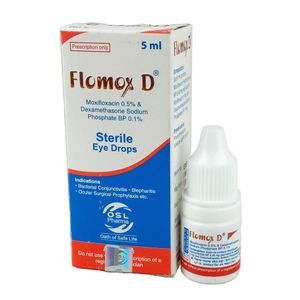
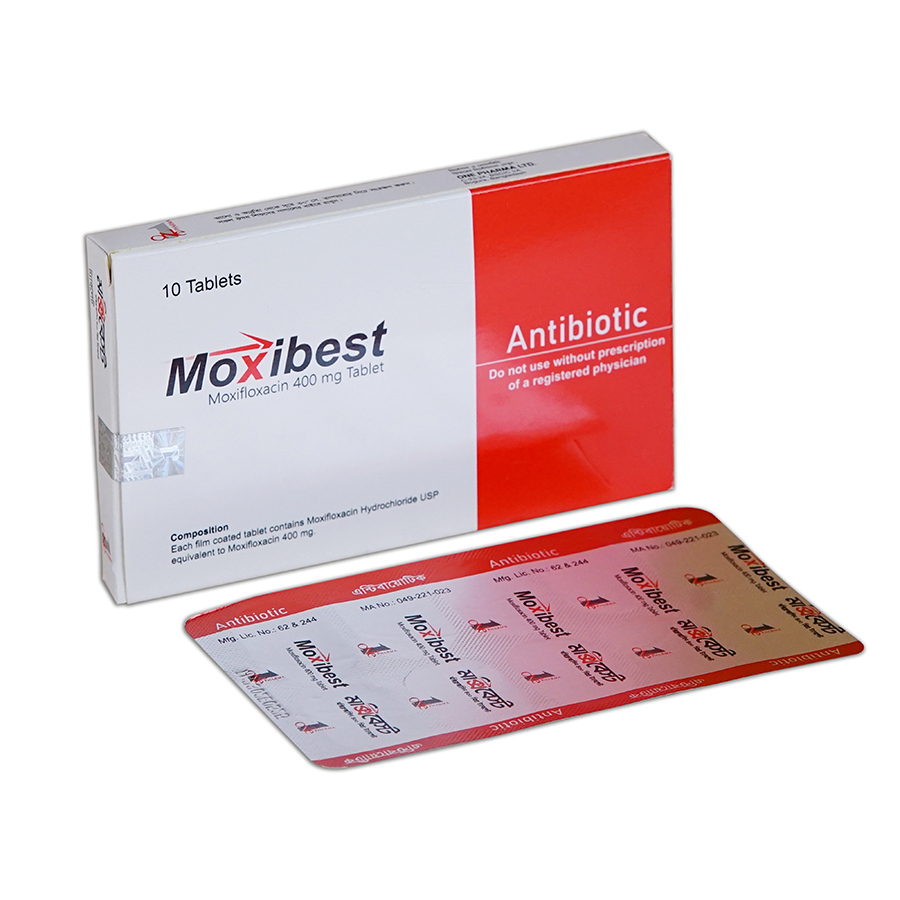
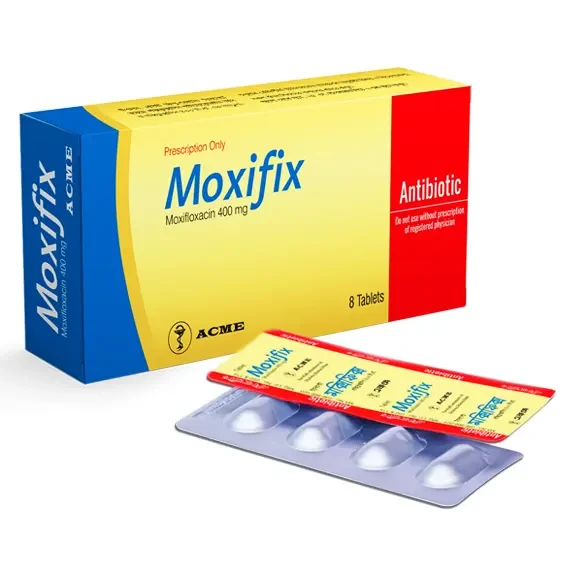
Introduction
Moxifloxacin is a synthetic fluoroquinolone antibiotic used for the treatment of various bacterial infections.
Uses
Moxifloxacin is a fluoroquinolone antibiotic used to treat various bacterial infections.
For the treatment of sinus and lung infections such as sinusitis, pneumonia, and secondary infections in chronic bronchitis. Also for the treatment of bacterial conjunctivitis (pinkeye).
Associated Conditions
Pharmacodynamics
Moxifloxacin is a quinolone/fluoroquinolone antibiotic. Moxifloxacin can be used to treat infections caused by the following bacteria: Aerobic Gram-positive microorganisms: Corynebacterium species, Micrococcus luteus, Staphylococcus aureus, Staphylococcus epidermidis, Staphylococcus haemolyticus, Staphylococcus hominis, Staphylococcus warneri, Streptococcus pneumoniae, and Streptococcus viridans group. Aerobic Gram-negative microorganisms: Acinetobacter lwoffii, Haemophilus influenzae, and Haemophilus parainfluenzae. Other microorganisms: Chlamydia trachomatis.
Moxifloxacin is bactericidal and its mode of action depends on blocking of bacterial DNA replication by binding itself to an enzyme called DNA gyrase, which allows the untwisting required to replicate one DNA double helix into two. Notably the drug has 100 times higher affinity for bacterial DNA gyrase than for mammalian. Moxifloxacin is a broad-spectrum antibiotic that is active against both Gram-positive and Gram-negative bacteria.
Mechanism of Action
The bactericidal action of moxifloxacin results from inhibition of the enzymes topoisomerase II (DNA gyrase) and topoisomerase IV. DNA gyrase is an essential enzyme that is involved in the replication, transcription and repair of bacterial DNA. Topoisomerase IV is an enzyme known to play a key role in the partitioning of the chromosomal DNA during bacterial cell division.
Absorption
Well absorbed from the gastrointestinal tract. Absolute oral bioavailability is approximately 90%. Food has little effect on absorption.
Volume of Distribution
- 1.7 to 2.7 L/kg
Protein Binding
50% bound to serum proteins, independent of drug concentration.
Route of Elimination
Approximately 45% of an oral or intravenous dose of moxifloxacin is excreted as unchanged drug (~20% in urine and ~25% in feces).
Half Life
11.5-15.6 hours (single dose, oral)
Clearance
- 12 +/- 2 L/hr
Toxicity
Symptoms of overdose include CNS and gastrointestinal effects such as decreased activity, somnolence, tremor, convulsions, vomiting, and diarrhea. The minimal lethal intravenous dose in mice and rats is 100 mg/kg.
Food Interactions
- Drink plenty of fluids.
- Take with or without food.
Dosage
Acute bacterial exacerbation of chronic bronchitis: 400 mg once daily 5-10 days.
Community-acquired pneumonia: 400 mg once daily 7-14 days.
Uncomplicated skin and skin structure infections: 400 mg once daily 7 days.
Complicated skin and skin structure infections: 400 mg once daily 7-21 days.
Complicated intra-abdominal infections: 400 mg once daily 5-14 days.
Pelvic inflammatory disease: 400 mg once daily 14 days.